Look around your home and you will find objects you never tire of, no matter how long you use them. They have only a few buttons, yet you know how to use them the moment you pick them up, and they don’t look dated even after many years. On the other hand, there are objects packed with flashy decoration and features that soon end up in a drawer.
One person summed up this difference in ten criteria. He is the German industrial designer Dieter Rams, and the criteria he left behind are the ‘Ten Principles for Good Design’. Put simply, the Ten Principles for Good Design are guidelines that express in ten sentences the idea that ‘design is not about decorating, but about making things useful, easy to understand and long-lasting’.
In this article, we will look in turn at what kind of designer Dieter Rams was, what the ten principles say, and the traces and limits these principles have left on today’s products and screen design.
The Principle of Design Where Less Is Better
Who Is Dieter Rams?
Dieter Rams was born in 1932 in Wiesbaden, Germany, and studied architecture. In 1955, at the age of twenty-three, he joined the household appliance company Braun as an architect and interior designer, and he served as its head of design from 1961 to 1995, leaving the company in 1997.
(1) A design that changed appliances that looked like furniture
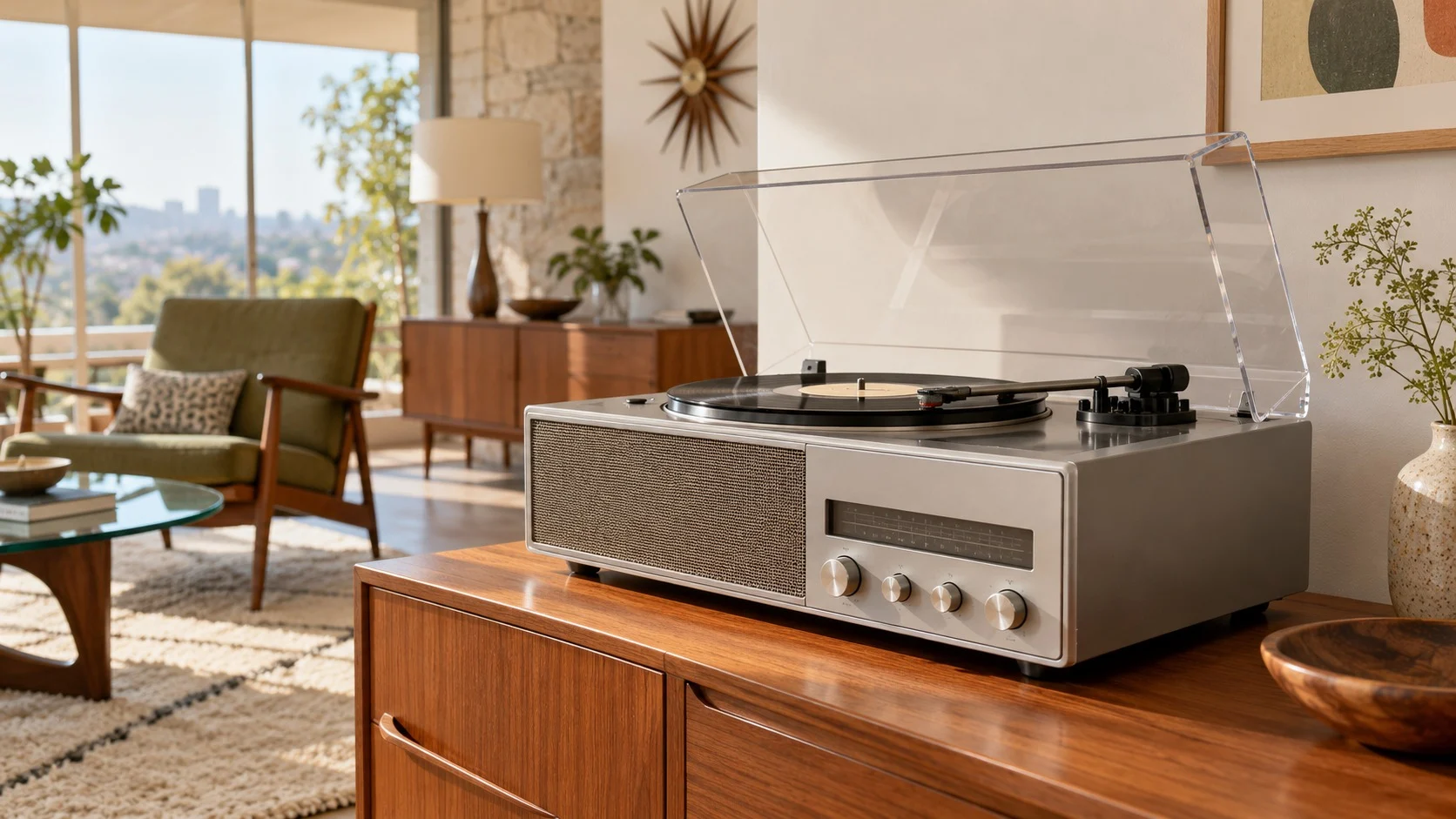
The SK 4 radio-phonograph, created with Hans Gugelot in 1956, earned the nickname ‘Snow White’s Coffin’ because of its transparent lid. At the time, appliances were usually dressed up like wooden furniture, but the SK 4 showed the machine as a machine and changed the direction of appliance design.
(2) A shelf still on sale today
Rams also teamed up with the furniture company Vitsœ and released the 606 Universal Shelving System in 1960. This shelving is still sold today without having changed much from its original form.
Rams’ thinking is summed up in the German phrase ‘Less, but better (Weniger, aber besser)’. It means keeping only what is truly necessary and making it better.
Five Principles for Use and Understanding
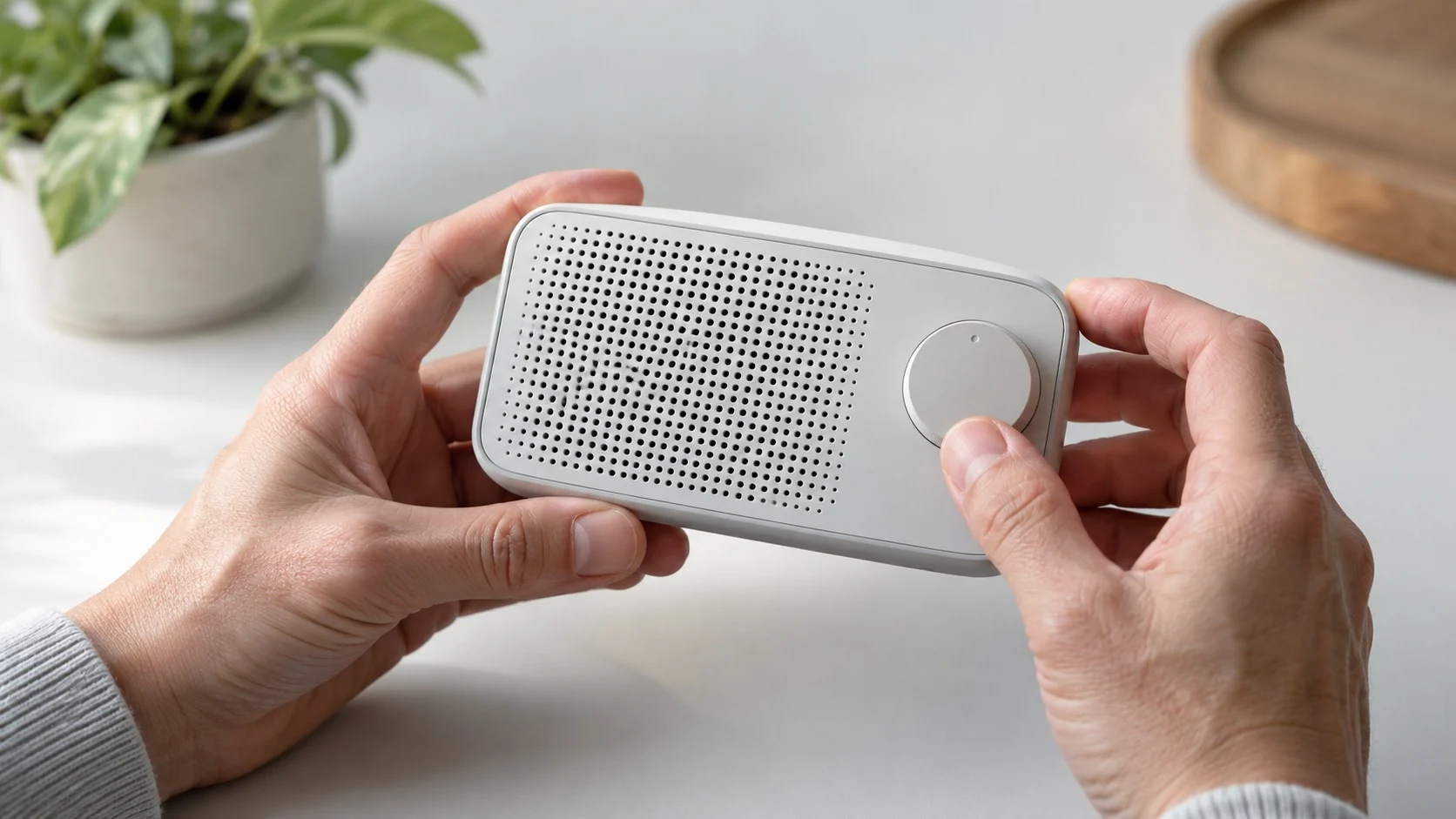
In the 1970s, watching mass consumption and disposable goods increase, Rams asked himself, ‘Is my design good design?’ The ten principles are his answer, and the first five focus on the experience of the person using the object.
- Innovative: As technology develops, new opportunities for design open up, but innovation must advance together with technology and should never be an end in itself.
- Useful: Since a product is bought to be used, it satisfies not only functional needs but also psychological and aesthetic ones, and anything that blurs its usefulness is taken away.
- Aesthetic: Because the objects we use every day affect people’s mood, beauty is also part of usefulness, and only well-made objects can be beautiful.
- Understandable: It clearly reveals the product’s structure so that users can grasp its functions intuitively, and at best it needs no instruction manual.
- Unobtrusive: A product is a tool, not a decorative object or a work of art, so it should be calm and restrained, leaving room for users to express themselves.
Five Principles for Honesty and Longevity
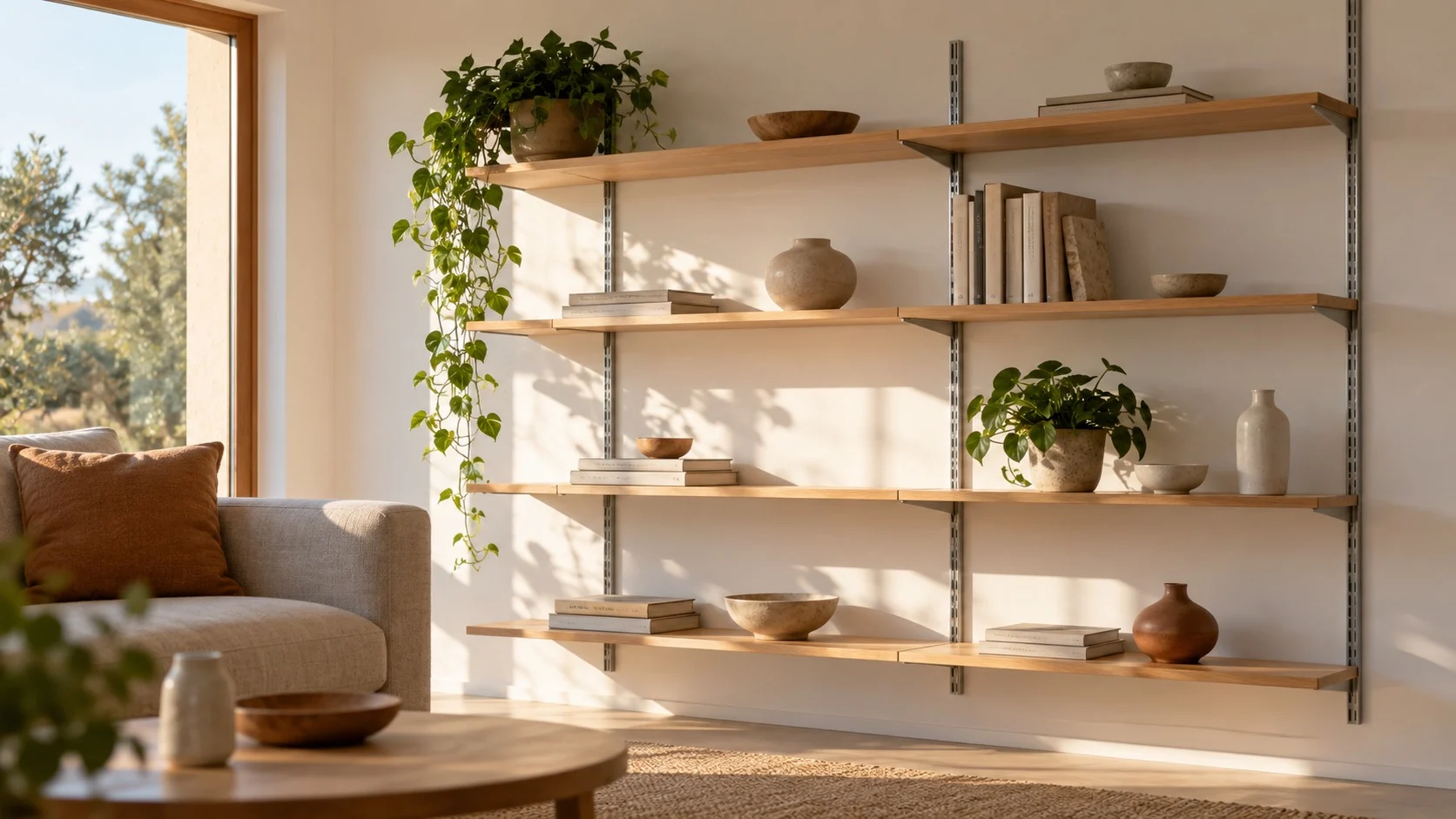
The remaining five principles widen the view to responsibility toward consumers, society and the environment.
- Honest: It does not make a product look more innovative, powerful or valuable than it really is, and it does not sway consumers with promises it cannot keep.
- Long-lasting: Because it does not chase trends, it does not look dated, and it is used for many years even in an age of throwaway goods.
- Thorough down to the last detail: Nothing is decided carelessly or left to chance, and this care is in itself a form of respect for the user.
- Environmentally friendly: It contributes to conserving resources and reducing physical and visual pollution throughout the product’s life.
- As little design as possible: It is made less, but better, so that the truly necessary functions stand out, and anything unnecessary is removed so that it does not become a burden.
From the 1970s on, Rams regarded design that makes things go out of date easily as a failure of design. By linking long-lasting objects with the environment, these principles came ahead of today’s discussions of sustainable design.
Traces and Limits in Today’s Design
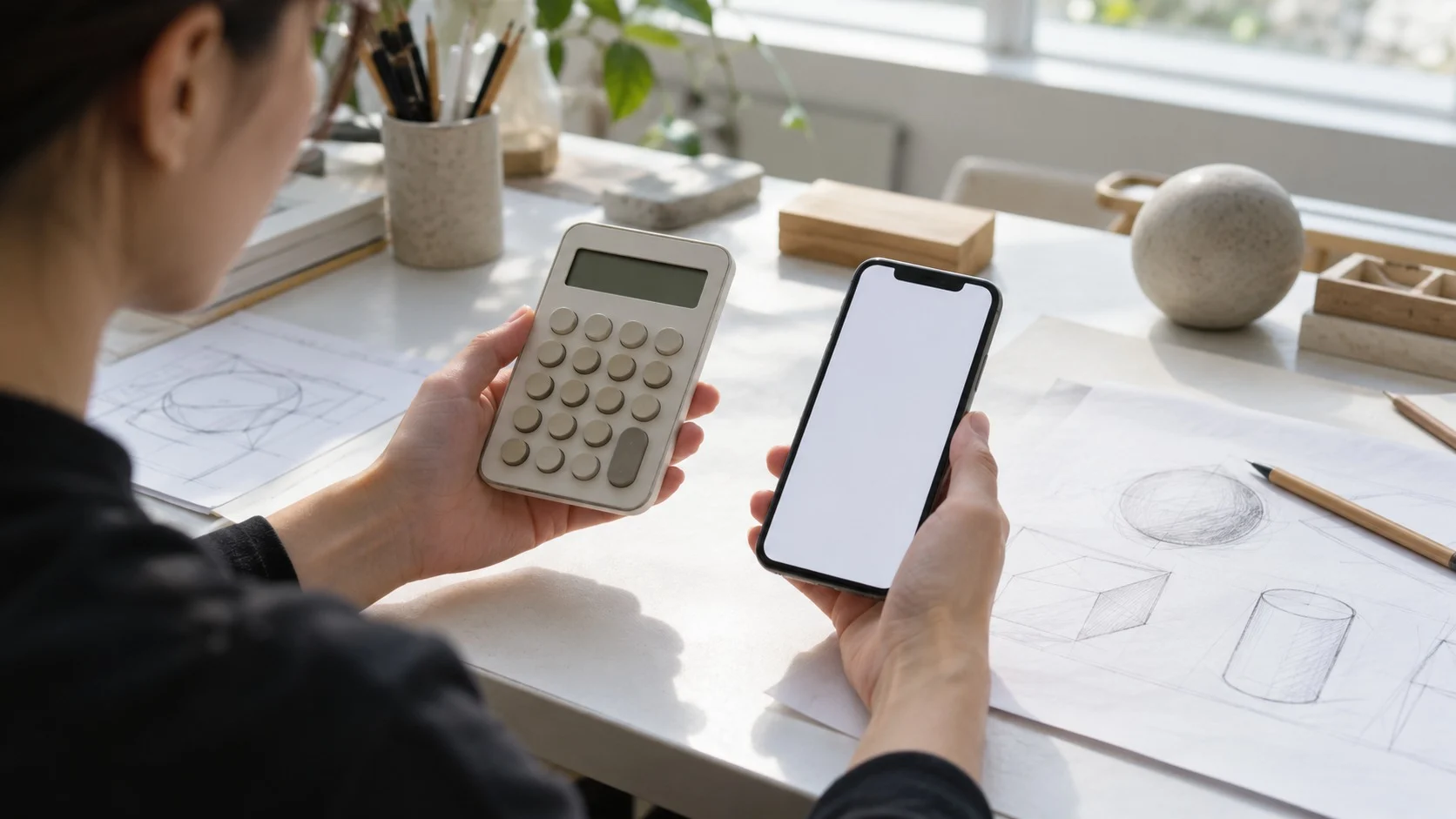
The ten principles have influenced not only Braun products but also the devices and screens we use today.
Influence Carried Over to Apple and Screen Design
Apple designer Jonathan Ive has said he drew great inspiration from Rams’ work. The first iPod was said to resemble the 1958 Braun T3 portable radio, and the iPhone’s calculator app recalled the 1987 Braun ET 66 calculator. Today’s trend in apps and web screens of reducing buttons and menus and keeping only essential information is also connected to the same idea.
Problems That Arise When ‘As Little as Possible’ Is Misunderstood
However, it is risky to take the ten principles simply as ‘less is always good’. If even essential functions or explanations are removed, a product may look clean but become harder to use. The minimalism Rams spoke of is not a pleasing emptiness, but restraint that stops short of harming usefulness and understanding. Some also point out that these function-focused principles fall short of explaining decorative design that expresses emotion and individuality.
Dieter Rams’ ten principles were written decades ago, but they are still used as a list of questions that let us check for ourselves what good design is. Each time you add something, the habit of asking ‘Is this really necessary?’ is the starting point for putting the principles into practice.
Remembering that the essence shows more clearly the more you take away — that is the first step in design studies toward creating designs that are loved for a long time.