This time, I would like to put together material on the concept of plot, which is essential to understand when writing scripts or stories for films, TV dramas, novels, and similar works. The term plot is used mainly in narrative content to describe a work's central story, the structure of its events, their continuity, and so on.
A plot generally consists of three stages: a beginning, a middle, and an ending. It is the structure that connects the story's major events, including the characters' actions, events, conflicts, and their consequences.
The Concept and Basics of Plot
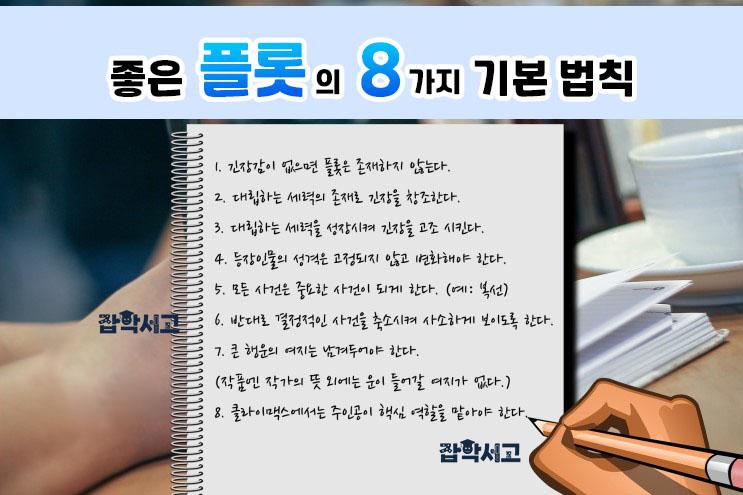 8 Basic Rules of a Good Plot
Before exploring the various types of plot, here are some points to keep in mind about what a plot is and how to apply it to a work.
- The 2 most important elements in a work are plot and characters.
- Plot is both the force that ties all the elements together and the framework that supports them.
- When beginning a work, you should at least decide which direction it will take.
- Spark curiosity in the opening scene.
- Introduce the characters before the first event occurs.
- 3 main characters is an appropriate number.
- Put the characters in difficult situations.
- Cause and effect are absolutely essential.
- Plot guides the audience through a game of 'why.'
- Always remember the rule of three. (Examples: a triangular relationship, 3 events, 3 attempts, and so on.)
- The audience expects important content, wants order, and wants consistent unity.
- Maintain tension through twists and discoveries.
- Use gray areas rather than black-and-white thinking. (This refers to concepts that do not readily yield a clear answer.)
- A good story emerges when the good side faces another good side. (Example: the film Captain America: Civil War.)
- Conflict grows when there is no clear answer.
- Treat both sides' positions fairly. (Example: a balance between good and evil.)
- Establish the work's moral stance. (Consider its social impact.)
- Every situation must be logical and convincing.
- It is best to achieve a perfect ending. Of course, some films, such as Inception, deliberately use an open ending.
How to Write Different Types of Plot
Quest (A Character Plot)
 What Does the Character Want to Obtain?
1. The plot should involve searching for a person, place, or object. Develop a parallel relationship between the reason and the purpose.
2. Have the character seek out many people and places. However, their movements must follow a clear chain of cause and effect.
3. Have the character make a complete circuit of the region. Then return to where they started.
4. By the final stage, the initial situation or setting changes considerably.
5. The purpose of the journey is the pursuit of wisdom, and it is a process through which the protagonist matures.
6. Act 1 includes an event that provides motivation. Why must the quest begin?
7. A traveling companion is needed.
8. Create a character who offers help.
9. End the final act with the character's rediscovery. After the quest succeeds or fails!
10. What is discovered differs from what was initially imagined. This refers to cases in which an unexpected event leads to a discovery.
11. Introduce obstacles to heighten interest and tension.
Adventure (An Action Plot)
 Setting Out Toward a Goal
1. The work focuses on the journey itself.
2. Venture out into the world. Explore new and strange places and events.
3. Set out in search of fortune. It cannot be found at home.
4. Something must provide the motivation to begin the journey.
5. The causal connections in each act must be consistent with those of the first event.
6. The protagonist does not have to undergo a change.
7. Romance sometimes accompanies the adventure.
8. Describe things vividly and in detail.
Pursuit (An Action Plot)
 Focus on the Act of Chasing
1. The pursuit itself is more important than the characters.
2. The character ends up in a truly dangerous situation. (The film The Fugitive.)
3. There must be a fair opportunity to catch the fugitive. The fugitive may even be held briefly.
4. Rely heavily on physical action.
5. The characters must be exciting, proactive, and distinctive.
6. Break away from stereotypical character portrayals. (They must never be ordinary.)
7. The more confined the location of the pursuit, the greater the tension.
8. The first section must include 3 stages. (The basic rules of the pursuit, the establishment of danger, and the motivating event.)
Rescue (An Action Plot)
 Rescue the Victim from Evil
1. Rely on action.
2. The triangle of characters consists of the protagonist, the villain, and the victim.
3. Use black-and-white thinking.
4. The story focuses on pursuing evil.
5. The forces of good venture out into the world in pursuit of evil. They follow the very traps that evil has laid.
6. The good side acts according to its relationship with the evil side.
7. Evil is a device that takes away what belongs to the good side.
8. Obstruct the protagonist's path.
9. The victim is the weakest figure and a device that causes good to confront evil.
10. Make appropriate use of the successive phases, such as separation, pursuit, confrontation, and reunion.
Escape (An Action Plot)
 Escaping from Somewhere Is the Core of the Story
1. The protagonist must be unjustly confined and must try to escape. (The film The Battleship Island.)
2. Use black-and-white thinking.
3. The protagonist is the victim.
4. The first section must show how the protagonist becomes trapped. Then thwart the first escape attempt.
5. The second section deals with a well-devised escape plan. However, this also fails.
6. The final, third section depicts a successful escape.
7. In the first and second sections, evil controls the protagonist. In the final section, however, the protagonist gains control.
Revenge (An Action Plot)
 A Scene from the Film Taken (Source: A Publicity Still from Taken)
1. The good side seeks compensation from the evil side for physical and psychological harm.
2. Focus on the act of revenge itself.
3. This is justice carried out by the protagonist alone.
4. The protagonist has moral justification for taking revenge.
5. Revenge is equitable when it does not exceed the suffering inflicted on the protagonist.
6. The first stage depicts the protagonist's normal life. However, evil destroys that life. (Example: the film Taken.)
7. The second dramatic stage deals with devising a plan for revenge and setting out to find the evil side.
8. In the final stage, good and evil confront each other, and the protagonist faces the opposition with a more thorough plan.
Riddle (Mystery)
 A Mystery Solved Together with the Reader (Audience)
1. Cleverness is the key. Hide cleverness in ordinary places.
2. Tension comes from the conflict between what is actually happening (the present) and what must happen (the goal).
3. It must offer a challenge that readers can also solve.
4. The answer should appear ordinary.
5. The first dramatic stage includes general elements: characters, places, and events.
6. The second dramatic stage introduces the particular aspects: how these elements are connected.
7. The third dramatic stage must contain the solution. Explain the villain's motives and how the events unfolded.
8. Decide who the audience will be.
9. Decide whether the ending will have an open or closed structure.
Rivalry (A Character Plot)
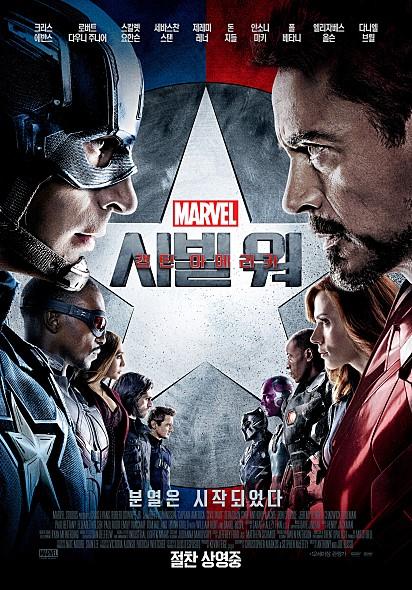 Captain America: Civil War (Source: The Film's Main Poster)
1. The source of conflict is the result of an irresistible force (the challenger) meeting an unyielding object (the defender).
2. The essence of rivalry is a struggle for power between good and evil.
3. Their mutual hostility must be evenly matched.
4. The rivals must have enough strength to oppose each other.
5. Begin the story at the moment of the first conflict. Before it begins, establish their equal relationship, even if only briefly.
6. The action begins with evil breaking the will of good. This acts as a catalyst for the protagonist (the good side).
7. Their relationship must be expressible as a curve showing their relative power. This means that as one side rises, the other falls.
8. The sides are clearly divided on moral issues.
9. In the first dramatic stage, evil has the upper hand. The good side suffers at the hands of evil and experiences disadvantages.
10. In the second dramatic stage, a reversal of fortune changes the direction of the declining power curve.
11. Evil often senses the strength of good.
12. Before the good side begins its challenge, the previously unequal forces reach a balance of power.
13. The third dramatic stage is the inevitable confrontation between the rivals.
14. After the situation is resolved, the good side restores order within itself and its surroundings.
Victim (A Character Plot)
 A Story of the Protagonist Overcoming Trials
1. Cinderella is a representative example.
2. It resembles the rivalry plot, but the good side is no match for the evil side.
3. The progression of the dramatic stages follows a power curve, as in a rivalry plot.
4. The victim usually overcomes the opposing forces.
5. The audience wants someone they can identify with.
6. A protagonist who is superior to the audience poses a problem.
7. The audience wants good people to become happy.
Temptation (A Character Plot)
 A Story in Which the Character Succumbs to Improper Temptation but Overcomes It
1. Test the motivations, needs, impulses, and other aspects of human character.
2. Portray it differently according to morality and the influence of temptation. The protagonist undergoes harsh trials as the price of succumbing to temptation, and the insight gained from these trials raises them from the lowest position to the highest state.
3. The plot's conflict is internal and takes place within the mind.
4. In the first dramatic stage, establish the nature of the good side first. Then introduce the evil side.
5. Next, introduce the nature of the temptation. This is the stage in which its influence on the good side is established and the struggle takes place.
6. The good side succumbs to temptation. There is a brief period when the protagonist feels satisfied after giving in.
7. The good side justifies its decision to succumb to temptation.
8. After succumbing to temptation, the character spends some time denying this fact.
9. The second dramatic stage reflects the effects of succumbing to temptation. The pleasure disappears, and the negative aspects increase. (Example: being detained because of an illegal incident.)
10. The character looks for ways and means to avoid responsibility and punishment. In doing so, they may make another wrong decision.
11. The negative effects push the atmosphere into a state of greater tension.
12. The third dramatic stage resolves the good side's internal conflict. It ends with repentance, reconciliation, and forgiveness.
Metamorphosis (A Character Plot)
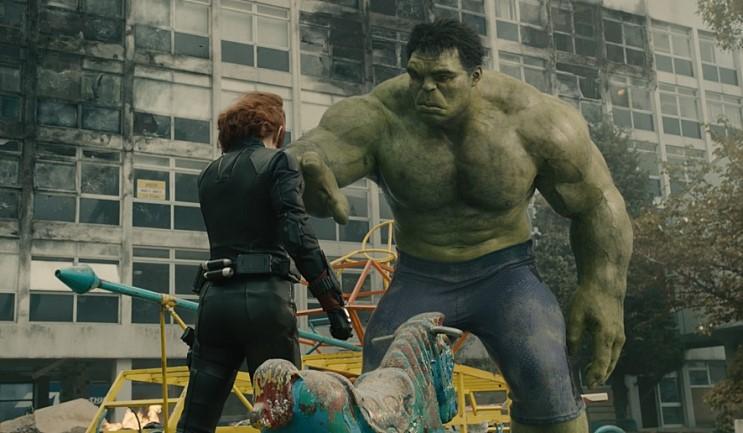 Hulk and Black Widow (Source: A Publicity Still from Avengers: Age of Ultron)
1. It is usually the result of a curse.
2. The cure is generally love. (Example: Hulk returning to human form through Black Widow in Avengers.)
3. Forms of love that serve as the cure: parent and child, man and woman, humans, and gods.
4. The metamorphosis happens to the protagonist. (The film Hulk.)
5. The key is undergoing the process of metamorphosis and returning to human form.
6. Pay more attention to the protagonist's inner feelings.
7. The protagonist is a naturally sorrowful character.
8. The protagonist's life is bound by taboos and ritual procedures.
9. The protagonist wants to escape their predicament. The path out of that predicament is liberation.
10. The evil side holds the conditions for lifting the curse.
11. Even if the curse is lifted, the protagonist cannot explain it or hasten it.
12. In the first dramatic stage, the reason for the curse cannot be explained. Only the condition itself is observed.
13. Begin the story just before the event that lifts the curse occurs.
14. The evil side serves to facilitate the lifting of the protagonist's curse.
15. The evil character was a deliberate victim, but later becomes the chosen one.
16. The second dramatic stage focuses on the nature of the relationship between evil and good.
17. The characters are drawn to each other's emotions.
18. In the third dramatic stage, the conditions for liberation are fulfilled, and the protagonist gains freedom from the curse.
19. The audience learns a lesson from the nature of the curse.
Transformation (A Character Plot)
 Changes in the Protagonist's Personality
1. Address the changes the protagonist experiences while journeying through the various stages of life.
2. The plot isolates and examines a portion of life. It deals with the change from one personality to another.
3. Focus on the nature of the change. Explain how it affects the protagonist from beginning to end.
4. The first dramatic stage must be connected to an event that throws the good side into a crisis. This is the beginning of the change.
5. The second dramatic stage describes the effects of the change. The story focuses on the protagonist's reflection.
6. The third dramatic stage must contain an event in which everything is revealed. This is the stage when true growth and understanding occur.
7. Sorrow is sometimes the price paid for wisdom.
Maturation (A Character Plot)
 The Protagonist's Childhood and Growing Years
1. Create a protagonist at the height of their growing years. Their goal is not clear.
2. Before the event occurs, explain who the character is, how they think, and how they live.
3. Contrast the innocent life of childhood with adult life.
4. Focus on the protagonist's moral and psychological growth.
5. Introduce an event that challenges the protagonist's beliefs and understanding.
6. Explain how the protagonist reacts to change.
7. Show the process of change, allowing it to unfold gradually.
8. Make the young protagonist a believable character. They must also behave like a young person.
9. Do not try to make the character achieve adulthood all at once. Small lessons are an important part of growing up.
10. Determine the psychological cost of the lesson. It must be something the protagonist can bear.
Love (A Character Plot)
 Love That Overcomes Obstacles
1. The love interest is always encountered along with a significant obstacle.
2. The lovers are mismatched in some way. Examples include issues of social status, physical condition, or personality.
3. The first effort to overcome the obstacle always fails. Love must be proven through devotion and persistence.
4. One person must be more proactive than the other.
5. It does not have to have a happy ending. Do not end it clumsily.
6. Make the protagonist appealing and convincing. Make them feel distinctive, interesting, and substantial.
7. It must be emotional and convincing. Use fear, boredom, disgust, attraction, disappointment, reunion, exhaustion, and similar experiences as material.
8. Rely on the characters' genuine emotions.
9. Love is earned through effort. Have the characters undergo various tests.
Forbidden Love (A Character Plot)
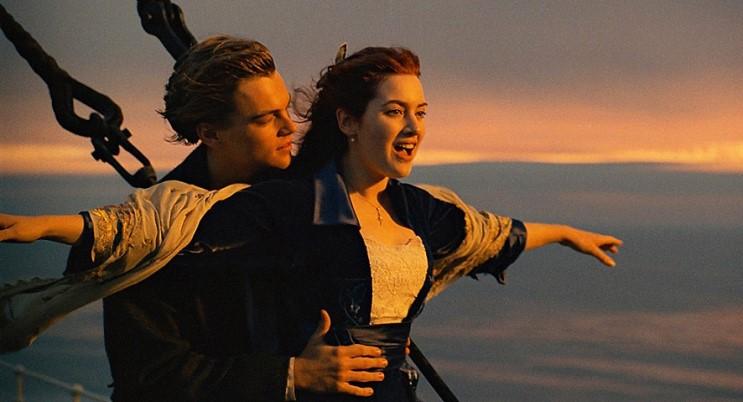 An Iconic Shot from the Film Titanic (Source: A Publicity Still from Titanic)
1. This is love that goes against social conventions. There is always a force that opposes it. (The film Titanic.)
2. The lovers disregard social conventions and pursue their passion. Tragic consequences usually follow.
3. Adultery is the most common form of forbidden love.
4. The first dramatic stage defines the relationship between the two people and establishes their positions.
5. The second dramatic stage reaches the heart of the relationship. Social and psychological pressure puts the lovers in a crisis.
6. The third dramatic stage reaches the final phase and is the time to resolve the moral issues. Death, pressure, exile, and so on.
Sacrifice (A Character Plot)
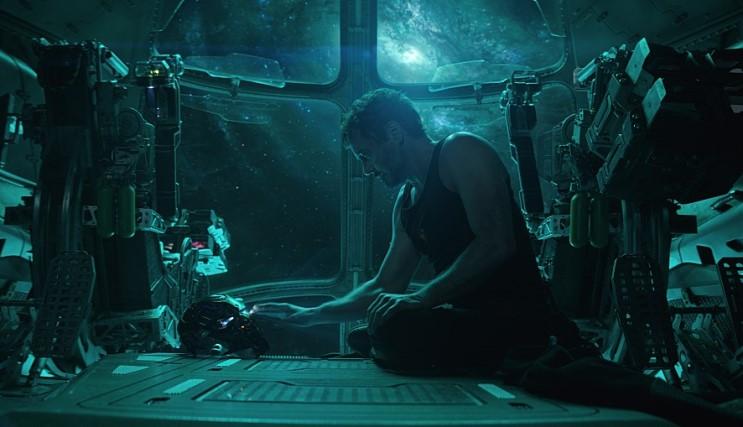 Iron Man's Sacrifice in Avengers 4 (Source: A Publicity Still from Avengers: Endgame)
1. Sacrifice exacts a great personal cost. The good side must do something dangerous.
2. The good side undergoes a significant change from a low moral level to a noble one.
3. An event urges the protagonist to make a decision.
4. Establish the foundation so that the process of deciding to make the sacrifice can be understood.
5. Every event reflects the protagonist. It tests the character and develops their personality.
6. Make the motivations behind the character's actions clear so they can be fully understood.
7. Show the progression of action through the progression of thought.
8. Place a moral dilemma at the center of the story.
Discovery (A Character Plot)
 Thor Before Becoming Worthy of Lifting Mjolnir (Source: A Publicity Still from Thor 1: God of Thunder)
1. Focus on the character's process of discovery. It is a search for an understanding of human nature.
2. Begin by introducing the protagonist before the character enters a new environment.
3. Do not dwell on the past; weave the story to fit the present and future. Place the character at the center of change and begin the action late.
4. Make the catalytic scene meaningful and interesting.
5. Put the character in a crisis and conflict as soon as possible. Maintain the tension between past and present.
6. Maintain a sense of balance. Use action and emotion in balanced proportions so they fit the events.
7. Do not exaggerate the action.
8. Do not force or preach to the character. Let the character speak and come to realizations on their own.
Extreme Behavior (A Character Plot)
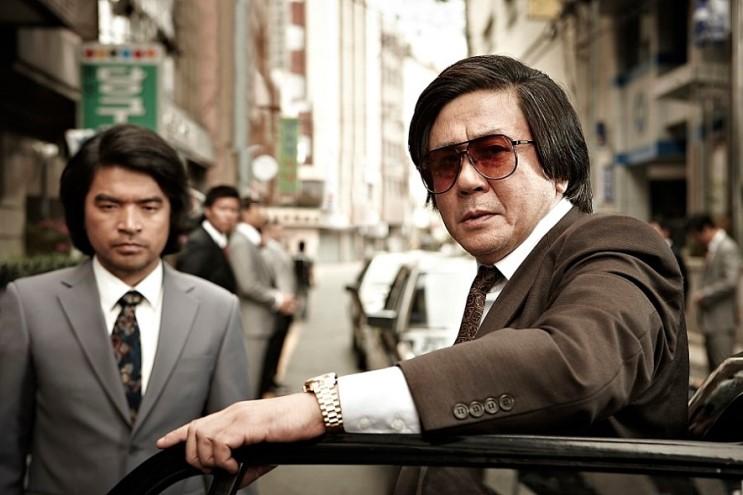 A Protagonist Who Gradually Enters a Dark Path from Life as a Civil Servant (Source: A Publicity Still from the Film Nameless Gangster: Rules of the Time)
1. This concerns a character's psychological downfall.
2. Make a character flaw the reason for the character's downfall.
3. The downfall progresses through three stages. 1) The protagonist as they were before, 2) their state as they deteriorate, 3) what happens.
4. Describe the character's personality so that the protagonist's downfall can evoke sympathy.
5. Pay particular attention to the development of the character's personality. Whether sympathy is felt depends on how convincing it is.
6. Avoid melodrama. Do not force emotions.
7. Give the audience enough information to empathize.
8. Do not have the character commit wrongdoing beyond what the audience can understand.
9. At the moment of crisis, let the protagonist either be completely destroyed or be saved; choose only one of these outcomes.
10. The plot's causes and effects are connected directly or indirectly to the protagonist.
11. Do not lose sight of the protagonist in a chaotic situation. And do not have them experience unrealistic situations.
12. The protagonist is an ordinary person in an unusual situation. (It could happen to anyone.)
13. Push the character to the extreme.
Rise and Fall (A Character Plot)
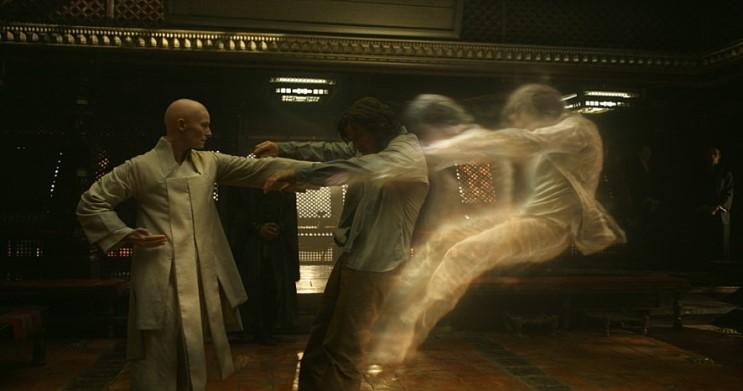 A Protagonist Who Experiences Life's Peak and Its Depths (Source: A Publicity Still from the Film Doctor Strange)
1. Focus the story on a single protagonist.
2. The character has a strong will and charisma.
3. A moral dilemma must lie at the heart of the story and be put to the test. The dilemma becomes the foundation for change.
4. The character and events are closely connected. Events must occur because of the protagonist.
5. Show the character before something important happens to give the audience a basis for comparing before and after.
6. Show the process through which the character continually changes as a result of events.
7. Every downfall must be due to the character's personality.
8. Exploring human psychology and providing detailed descriptions are important.
We have now explored the concept of plot and the characteristics of each type needed for writing stories for films, TV dramas, games, novels, and similar works. To write a film screenplay or a novel, you must use the plot that forms the story's framework appropriately to create tension for readers (the audience) and make the story interesting.
The plot types presented in this material are important frameworks that can be applied to most works, so writers or aspiring writers (directors) who want to try creating a new work will find this material helpful.