When we look for something on the internet, we skim the search results, click a promising link and, if it falls short of our expectations, quickly go back. We linger on some sites and leave others within seconds, and most of these judgments happen almost instantly, without much deliberate thought.
In the early 1990s, Peter Pirolli and Stuart Card of the Xerox Palo Alto Research Center (PARC) in the United States noticed that this behavior closely resembles animals roaming a forest in search of food. The two took ecological theories that explained how animals forage and applied them to how people look for information, establishing “Information Foraging Theory.”
This article looks in turn at where information foraging theory came from, its key concepts of information scent and when to leave a hunting ground, and the lessons the theory offers for designing the web and library services.
Following the Scent to Find Information: The Story of Information Foraging Theory
A Theory Borrowed From Animals Searching for Food
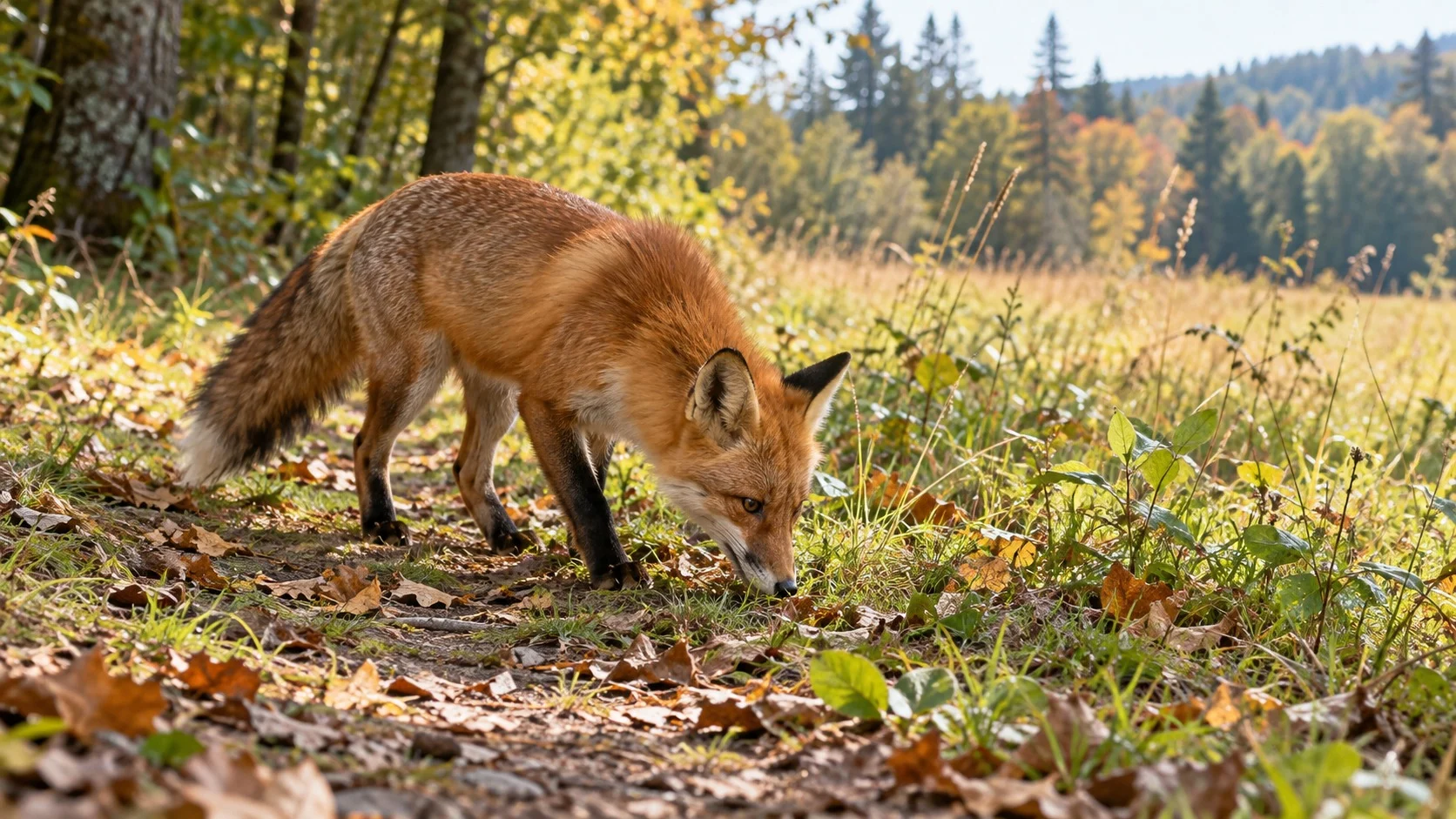
Information foraging theory has its roots in “Optimal Foraging Theory,” refined by ecologists and anthropologists in the 1970s. This theory holds that animals choose their food in a way that maximizes the energy they gain within a given amount of time. Some prey is worth chasing, but for other prey the effort of the chase exceeds the energy gained, making it a loss.
Pirolli and Card carried this idea over to information as follows.
(1) Food is information
Just as animals look for food, people look for information that will answer their questions. Instead of energy gained, they weigh the usefulness gained.
(2) Cost is time and effort
Just as animals spend energy walking and chasing, people spend time and attention searching, clicking and reading.
(3) The goal is efficiency
The theory’s basic assumption is that people, too, try to move in the direction that yields the most useful information for the time they invest.
In this theory, people who constantly seek out and consume information in this way are sometimes called “informavores.” The two researchers’ 1999 paper in the journal Psychological Review is regarded as the representative work of the theory.
Information Scent: The Clues a Link Gives Off

The most important concept in information foraging theory is “Information Scent.” Just as an animal uses smell to judge whether food might be nearby, people look at the clues in front of them and guess whether the information they want lies at the end of that path.
- Link label: The more closely the words in a link match what you are looking for, the stronger the scent. Vague wording such as “See more” gives off almost no scent.
- Snippet: The summary text or small image in a search result is also a clue to what the page contains.
- Context: The same word can read completely differently depending on which site or which menu it sits next to.
- Prior knowledge: Memories of a trustworthy source or recommendations from other people also make the scent stronger.
Information scent is always relative. A link labeled “Food” has a strong scent for someone looking for cheese, but almost no scent at all for someone looking for facial cleanser.
When to Leave the Hunting Ground

In this theory, a place where information is gathered together, such as a single website, a shelf of books or a page of search results, is called an “Information Patch.” People harvest information from one patch and at some point move on to another.
(1) The moment the harvest shrinks
At first, useful information comes easily, but the longer you stay, the less new material you find. As in ecology’s “Marginal Value Theorem,” it is better to leave once the harvest where you are falls below what you expect to gain by moving elsewhere.
(2) The cost of moving
If other patches are far away and hard to find, people stay where they are longer. Conversely, if moving is easy, they leave quickly.
(3) Choosing what to eat
Just as animals settle on a list of foods, people choose which materials to read and which to skip. This is called the “Information Diet.”
In 2003, usability expert Jakob Nielsen used this theory to explain that, because search engines make good sites easy to find, people no longer stay long on a single site and leave sooner. The reason is that the cost of moving had fallen.
Lessons for the Web and Libraries

Information foraging theory is widely used to design information spaces so that people do not get lost.
- Clear labeling: Menus and links need to use the words users actually use for the scent to come through properly. Jargon or names used only internally erase the scent.
- Early cues: If a page does not assure users right away that they have come to the right place, they soon leave for another patch.
- Matching expectations: If the scent a link gives off differs from the actual content, you may win a click once but lose trust. This is why clickbait headlines do not last long.
- Social foraging: Traces left by earlier searchers, such as book reviews, recommendations and tags, become a new scent for those who come after.
A library’s shelf signs, the subject headings in its catalog and personalized recommendations for users can all be seen as devices that help users pick up the scent of the materials they want and follow it.
Information foraging theory shows that the way people look for information relies on instincts older than we might think. Leaving honest clues at every turn so that searchers do not lose the scent is the first step toward an information space that is easy to search.