Think of someone who opens their wallet right after seeing a single ad, or someone whose mind changes completely after one line of news, and the media seem to have the power to move people's minds at will. In fact, in the early 20th century, many people believed exactly that. The idea that messages fired off by newspapers and radio lodge directly in the public's minds and draw out the same reaction is the “Magic Bullet Theory.”
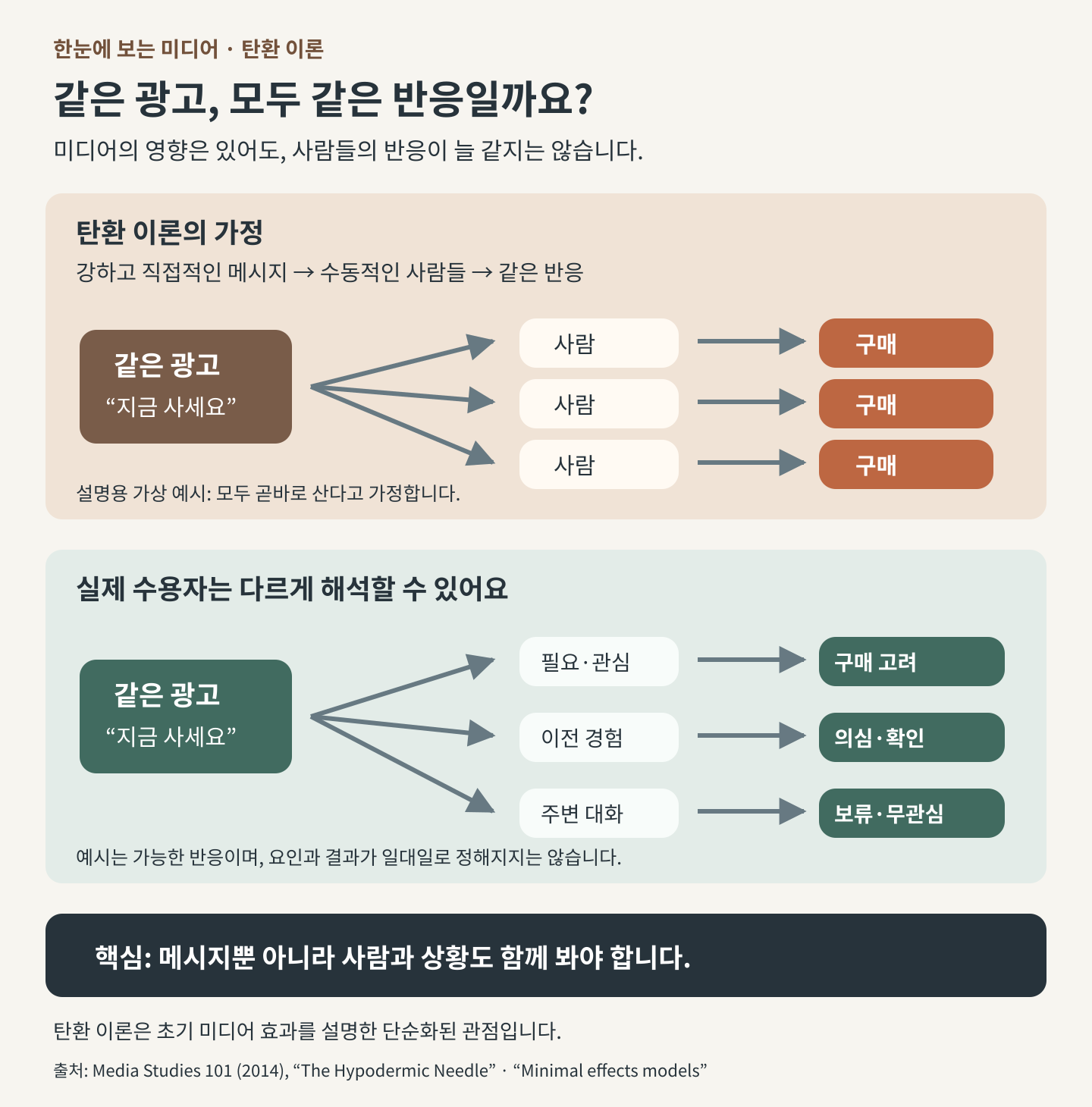
Put simply, the Magic Bullet Theory means the view that “media messages hit the audience directly, like bullets, and produce the same effect in everyone.” Because it pictures messages being injected the way a syringe injects medicine, it is also called the Hypodermic Needle Model. Today it is considered far too simple, but it is an important idea that shows where media effects research began.
In this article, we will look in turn at the historical background in which the Magic Bullet Theory emerged, the core assumptions of the theory and the studies that overturned them, and the reasons the theory is being talked about again today.
The Belief in Powerful Media and Its Limits
A Theory Born of the Age of Propaganda
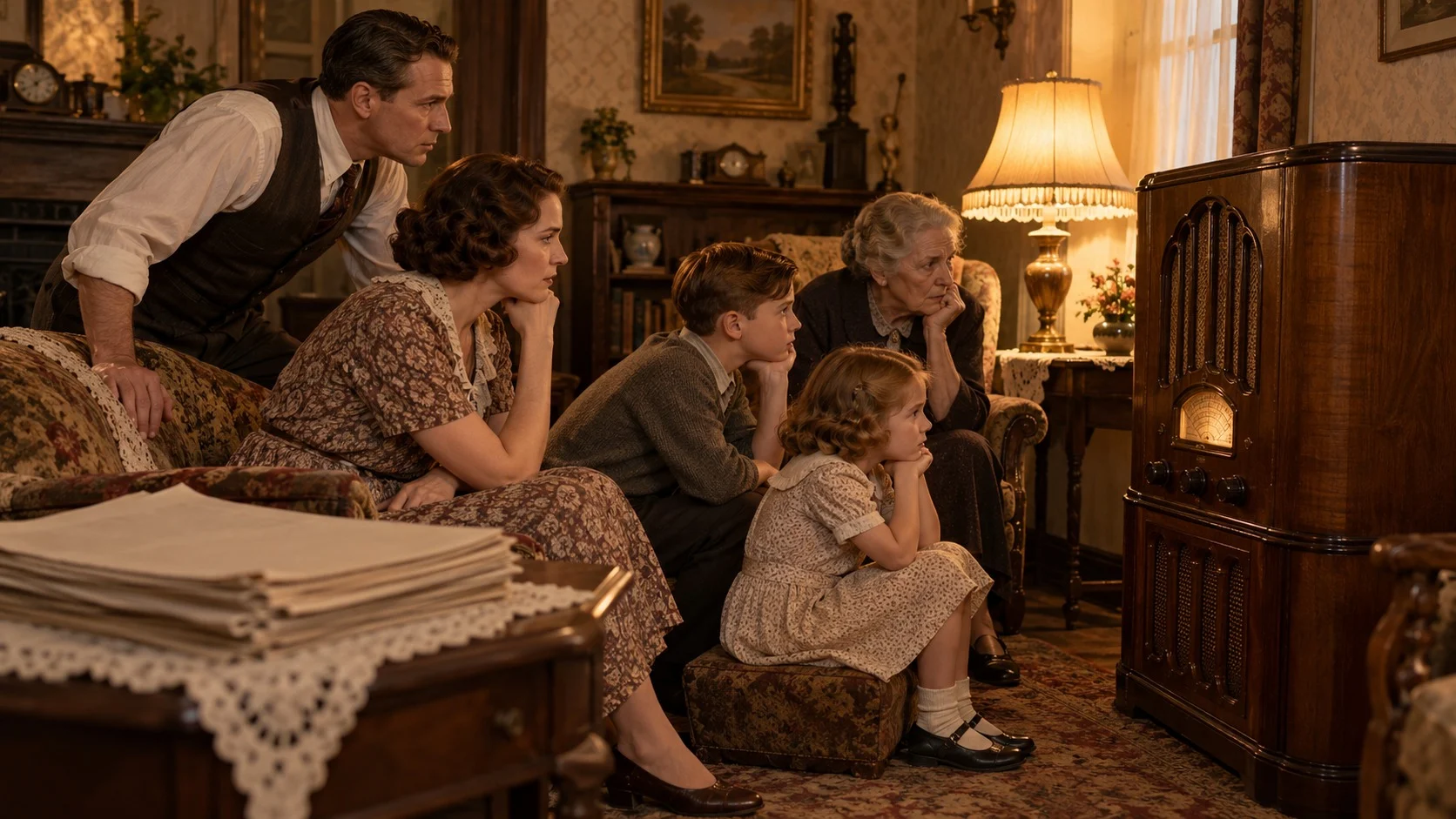
The Magic Bullet Theory gained strength from World War I through the 1930s. During this period, governments in many countries mobilized newspapers, posters, and films to wage large-scale propaganda campaigns, and as radios spread into every home, a single voice could reach countless people at the same time.
(1) The View of Mass Society
As urbanization and industrialization pulled people away from traditional village and family communities, the idea spread that they had become isolated individuals. Individuals with no one to lean on were thought to be easily swayed by the influence of the media.
(2) Propaganda Research
In 1927, the American political scientist Harold Lasswell published Propaganda Technique in the World War, analyzing how propaganda moves the masses. The book is often cited as the starting point of the Magic Bullet Theory, yet the words “bullet” and “hypodermic” do not actually appear in it.
(3) Psychology That Emphasized Instinct
Psychology at the time held that people respond to stimuli in similar ways according to their innate instincts. The idea that everyone shows the same reaction to the same stimulus was carried over directly to the media.
The Core Assumptions of the Magic Bullet Theory

The Magic Bullet Theory pictures the media as a gun, the message as a bullet, and the audience as a target. Several assumptions lie beneath it.
- Powerful Effects: Media messages change the audience's thoughts and behavior immediately and dramatically.
- Direct Effects: Messages reach individuals directly, without passing through other people or circumstances along the way.
- Uniform Response: Regardless of differences in age, personality, or background, everyone responds to a message in much the same way.
- Passive Audience: People cannot choose or question messages and simply accept them as they are.
If these assumptions held, then simply crafting a message well and spreading it widely would be enough to steer public opinion in any desired direction. The theory captures the mood of an era that was astonished and frightened by the power of propaganda.
The War of the Worlds Broadcast and an Overturned Belief
The event most often cited as an example of the Magic Bullet Theory is the 1938 CBS radio drama The War of the Worlds, directed by Orson Welles. The story goes that when a tale of Martians invading Earth was aired disguised as real breaking news, some listeners were startled and thrown into confusion.
Cantril's Study of Listeners
However, when psychologist Hadley Cantril surveyed listeners, he found that their reactions varied widely. The degree to which people believed the broadcast was real differed greatly depending on individual conditions and circumstances, such as their level of education, whether they had tuned in partway through, and whether they had checked the facts on another station.
Lazarsfeld's Election Study
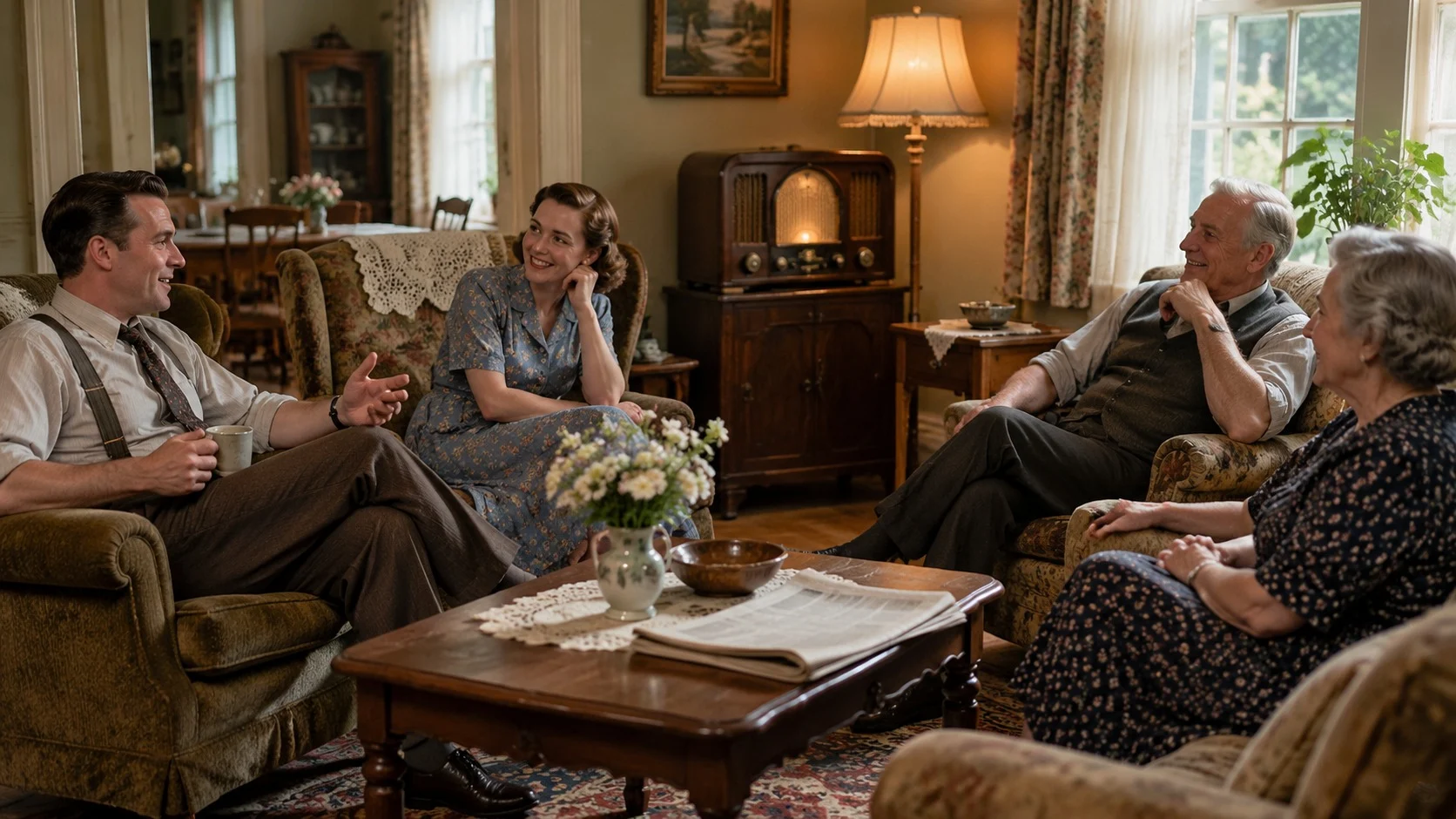
During the 1940 U.S. presidential election, Paul Lazarsfeld and his colleagues followed voters in Erie County, Ohio, for several months. According to The People's Choice, which reported the results, few people changed their minds because of campaign coverage, and most simply became more firmly set in what they already thought. Conversations with family, friends, and coworkers had a greater influence than the media. This finding led to the two-step flow theory, which holds that information spreads by way of opinion leaders.
Why We Revisit the Magic Bullet Theory Today

As research accumulated after the 1940s, the view that media effects are more limited than expected took hold. People pick out information that fits their own views and filter messages through conversations with those around them. Some scholars even point out that the Magic Bullet Theory is closer to a straw man created to make later research stand out than to a theory anyone actually argued for systematically.
(1) The Rise of Tailored Messages
Big data and algorithms analyze individual preferences and send messages customized for each person. Because these messages reach individuals directly without passing through other people, some scholars call this a “one-step flow,” similar to the Magic Bullet Theory.
(2) Fake News and Media Literacy
Every time sensational false information spreads quickly on social media, concern about the direct power of the media grows again. That is why media literacy education, which teaches people to examine the sources and evidence behind information, is becoming even more important.
The Magic Bullet Theory began with an exaggerated belief that the media could manipulate people at will, but as research to test it continued, it became clear that audiences are more active than expected. In the end, precisely because it was the wrong answer, the theory became a starting point that gave rise to better questions.
Not swallowing the message in front of you whole, but questioning it once more: that is the first step toward becoming a wise media user.