Milk and ice cream on supermarket shelves and vaccines in hospital refrigerators keep their quality only if they have never once warmed up after leaving the factory. Even a brief rise in temperature during a journey of hundreds of kilometers can change the taste or destroy a drug's effectiveness. That is why such goods travel along a path that stays cold from start to finish.
Simply put, a cold chain is ‘a logistics system that keeps temperature-sensitive products at a set low temperature without interruption, from production to consumption.’ Its full name is Cold Chain Logistics, also called a low-temperature distribution system, and it forms the basic foundation of food and pharmaceutical logistics.
In this article, we will look in turn at how the cold chain came about, what stages and temperature ranges it consists of, where it is used, and what to watch out for.
Understanding and Using the Cold Chain
From Ice to Refrigerated Trucks
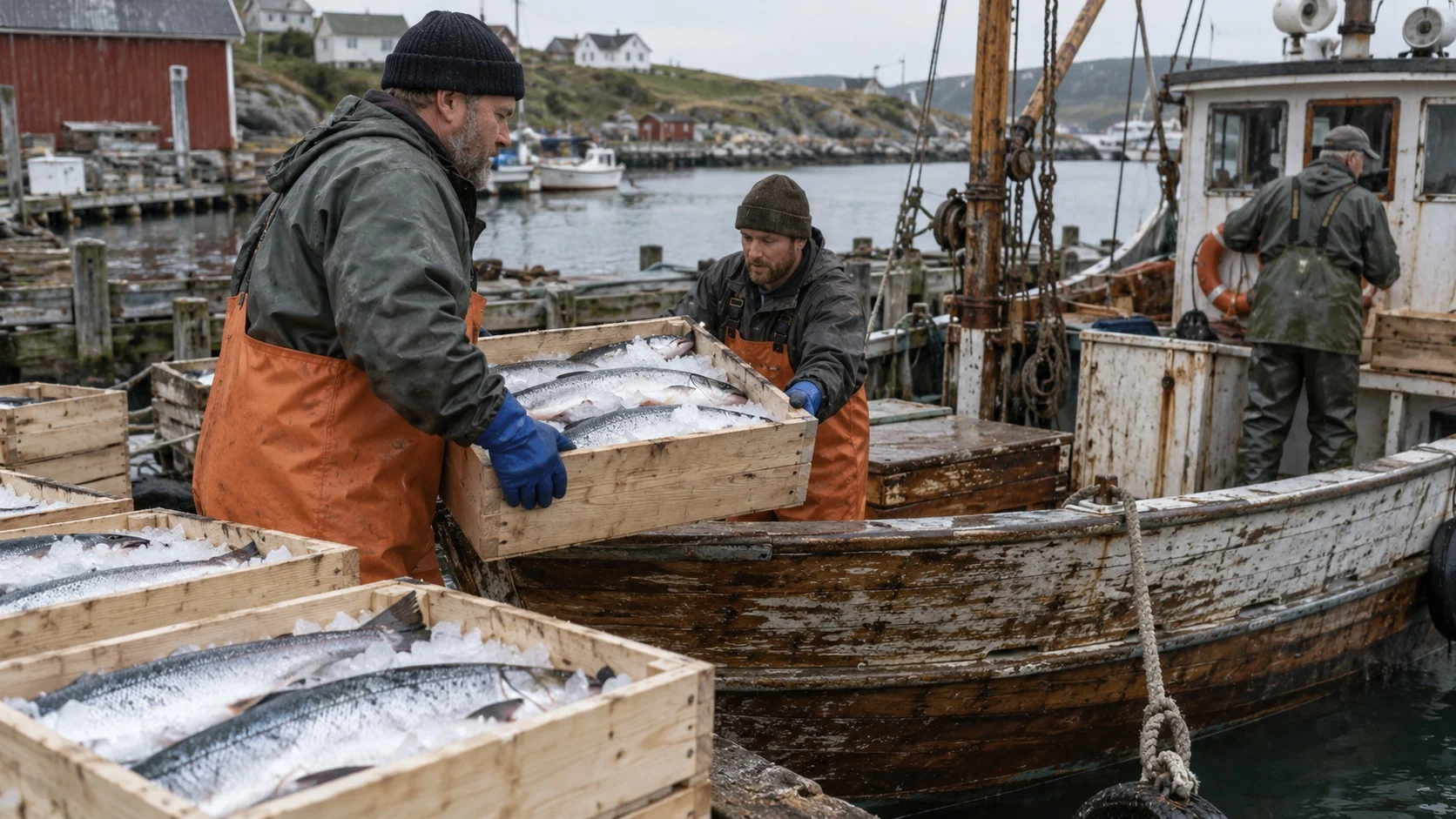
Attempts to transport goods cold go back a long way. In late-18th-century Britain, Scottish salmon was packed in ice and shipped by sea to London, and in the 19th century, refrigerated railcars and refrigerated ships loaded with natural ice began carrying meat and fruit over long distances.
But ice melted quickly, and the longer the route, the more goods spoiled. The person who created the turning point was the American inventor Frederick McKinley Jones. He developed a small, rugged refrigeration unit that could be mounted on trucks and received patents for it in the 1940s, and this technology led to the company Thermo King.
During World War II, these refrigerated trucks carried food to soldiers at the front, and after the war, combined with the highway network, they carried fresh food all over the country. Transport that had relied on ice turned into a system that kept temperatures with machines.
Four Links That Must Not Break
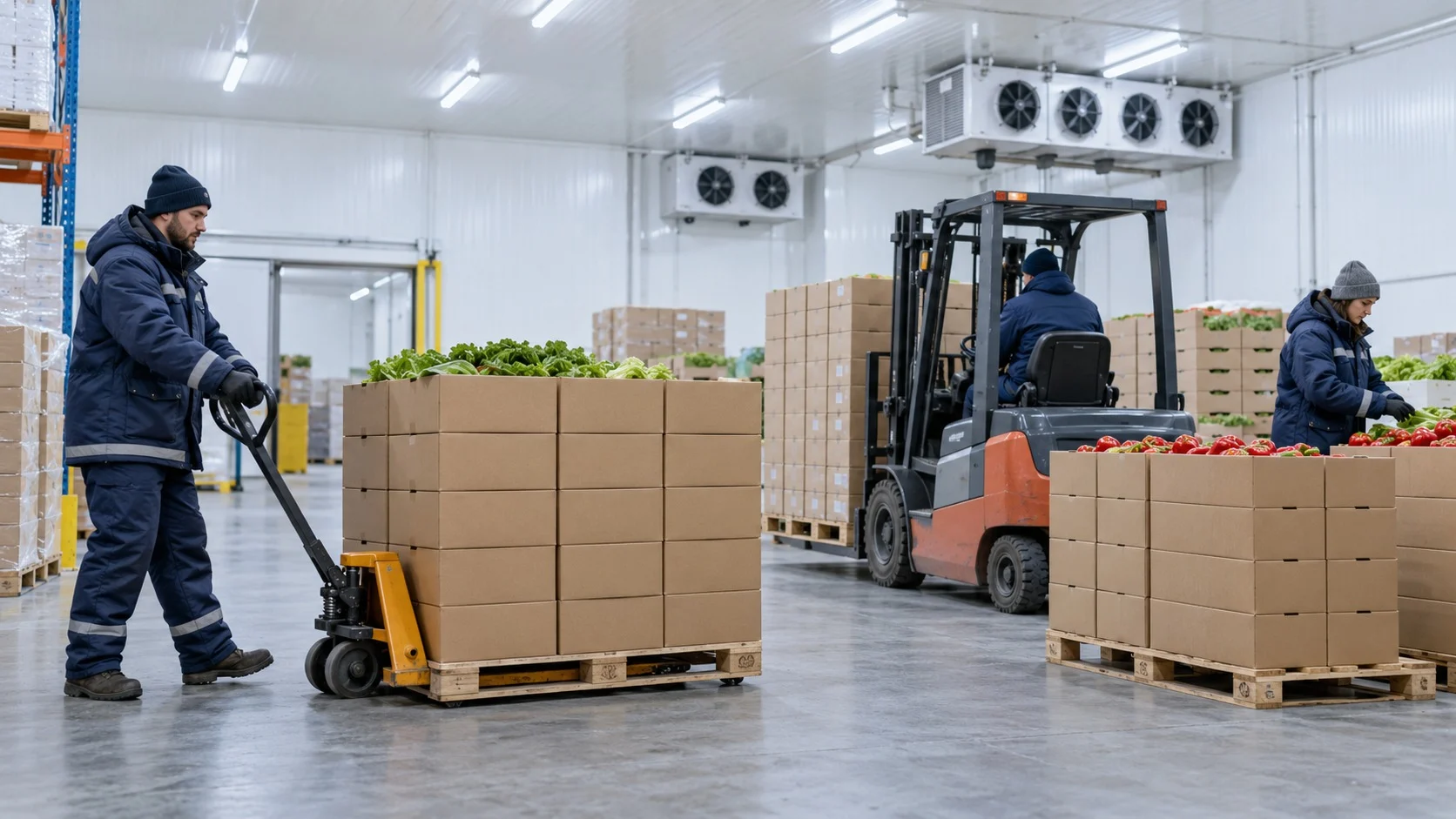
As its name suggests, the cold chain consists of several stages linked like a chain. The most important point is that if even one link breaks, all the temperature control maintained up to that point becomes useless.
(1) Production and Precooling
This is the stage of quickly removing heat from products right after they are harvested or made. Produce holds heat from the field, so cooling it first reduces the burden on later stages.
(2) Cold Storage
Products are stored in refrigerated and frozen warehouses at the temperature suited to each. The area around frequently used doors needs particular attention, because the temperature there fluctuates easily.
(3) Cold Transport
Products are moved by refrigerated trucks, refrigerated containers, and air freight. The brief moments of loading and unloading are when temperatures break down most easily.
(4) Sales and Consumption
Refrigerated display cases in stores and refrigerators at home are the final link. If consumers carry their groceries around for a long time after shopping, this link weakens.
Temperature ranges differ by product; commonly, refrigeration is 0–10℃ and freezing is −18℃ or below. For pharmaceuticals, 2–8℃ is the most widely used standard.
Uses That Protect Our Tables and Hospitals
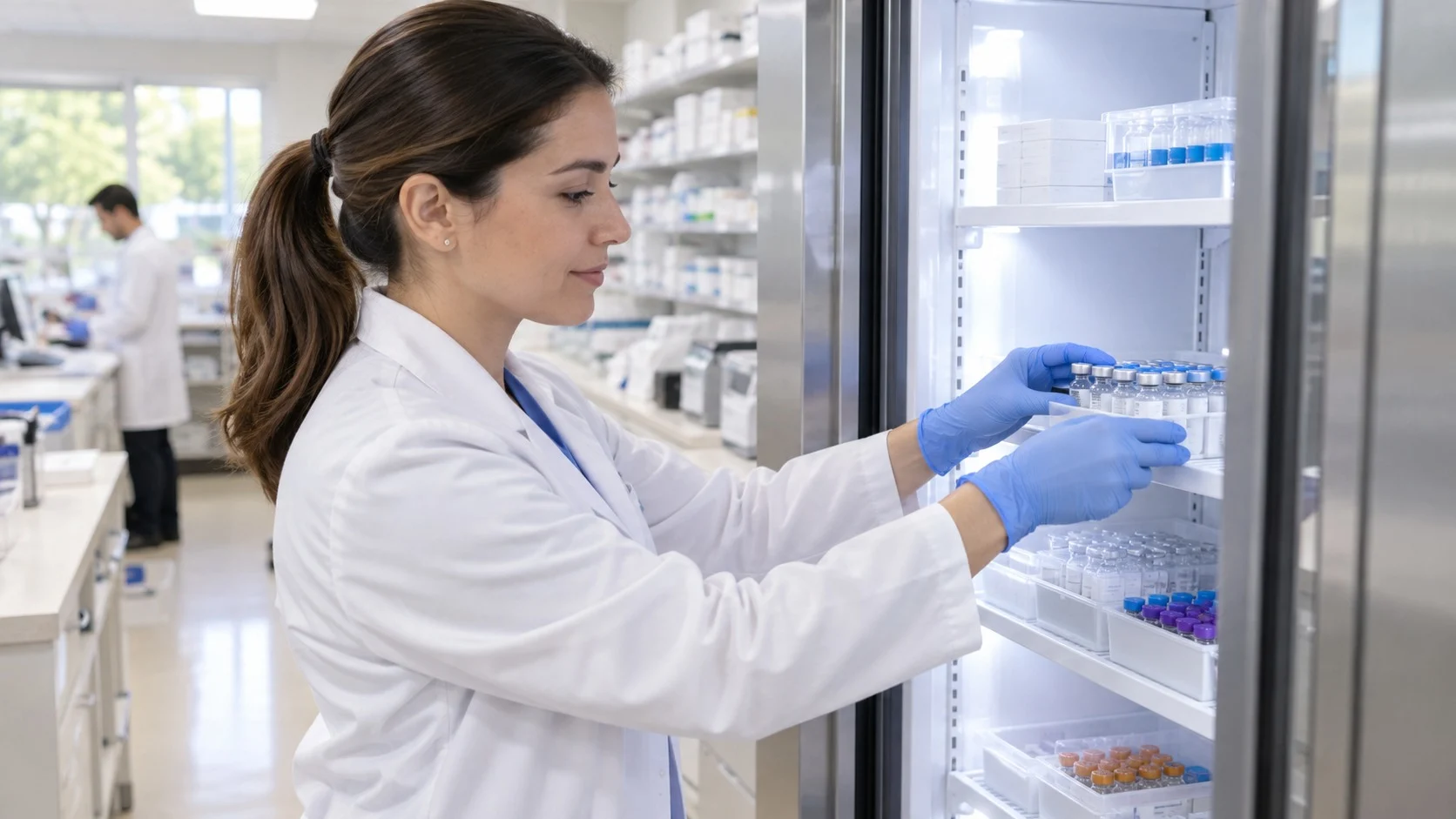
The cold chain is hidden throughout our daily lives. It is hard to notice, but it is a foundation so important that without it, our tables and hospitals would be shaken right away.
- Fresh Food Distribution: It moves vegetables, fruit, meat, and seafood while fresh, reducing waste and making them available regardless of season.
- Vaccine Supply: Most vaccines must be kept at 2–8℃, and some COVID-19 vaccines at ultra-low temperatures of around −70℃, to remain effective.
- Pharmaceutical Products: It safely delivers temperature-sensitive products such as insulin, blood products, and test samples to hospitals and pharmacies.
- Early Morning Delivery: Using insulated packaging and refrigerated vehicles, it brings fresh food ordered overnight to the door, still cold, by morning.
Recently, attaching temperature loggers and real-time location tracking to check in numbers when and by how much the temperature deviated during transport has become widespread.
Points to Note When Operating a Cold Chain
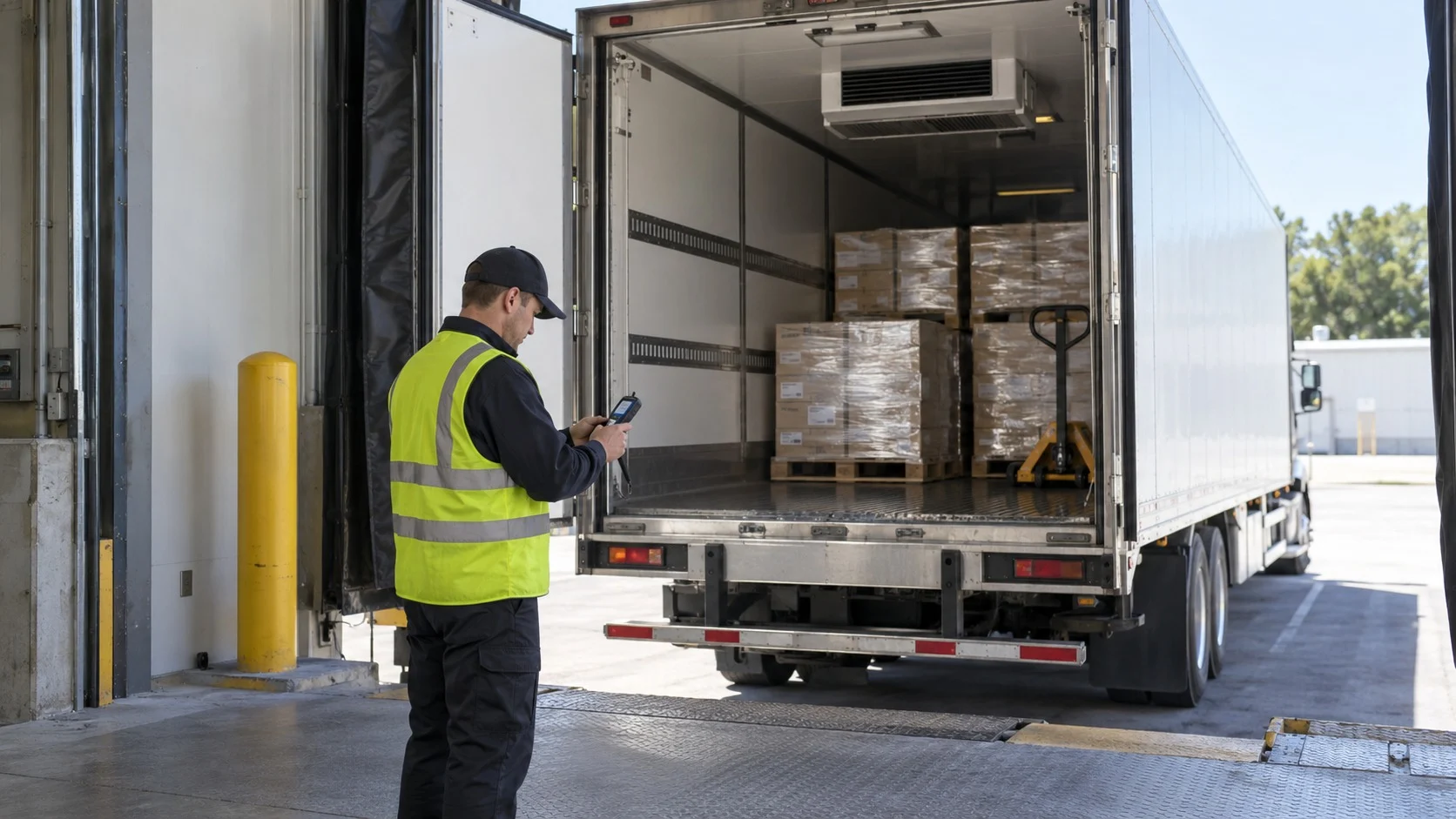
Because it keeps temperatures under control, the cold chain is a form of logistics with high costs and a heavy management burden. To get its full benefit, you need to know its weaknesses well.
Frequently Cited Problems
- Temperature Excursion: A brief deviation in temperature during loading, unloading, or a power outage can ruin quality, forcing seemingly intact products to be thrown away.
- High Operating Cost: It requires cooling equipment, electricity, and dedicated vehicles, so operating costs are much higher than for ordinary logistics.
- Environmental Impact: Refrigerant leaks and heavy power use lead to greenhouse gas emissions, so eco-friendly refrigerants and highly efficient equipment are also needed.
- Infrastructure Gap: In regions lacking electricity and roads, the cold chain breaks easily, making it hard to deliver vaccines and food on time.
Keeping products that must not freeze too cold is also a temperature excursion. Because some vaccines lose their effectiveness after freezing and thawing, the goal of the cold chain is not to keep things as cold as possible but to keep them within a set range.
Starting from ice boxes and developing into refrigerated trucks and real-time temperature monitoring, the cold chain has become an invisible path supporting fresh tables and safe medical care. Even behind a single cold carton of milk that we take for granted, countless links are connected without rest.
Keeping the chain unbroken from start to finish is the first step toward logistics you can trust.