Computers beat the world chess champion decades ago. Yet picking up a cup from the table, or walking through a cluttered room without falling over, is still no easy task even for today's robots. What is hard for people is easy for machines, and what is all too easy for people is hard for machines. The term for this inverted relationship is "Moravec's paradox."
Put simply, Moravec's paradox refers to the observation that "the perception and movement that people manage effortlessly are far harder for machines than intelligence tests or games." The roboticist Hans Moravec set it out in a 1988 book, and researchers such as Rodney Brooks and Marvin Minsky pointed out the same thing in the 1980s.
In this article, we will look in turn at the background of Moravec's paradox and its evolutionary explanation, examples from the field of robotics, and the lessons and limitations the paradox has left for robotics.
Moravec's Paradox: Why the Easy Things Are the Hardest
What is Moravec's paradox?
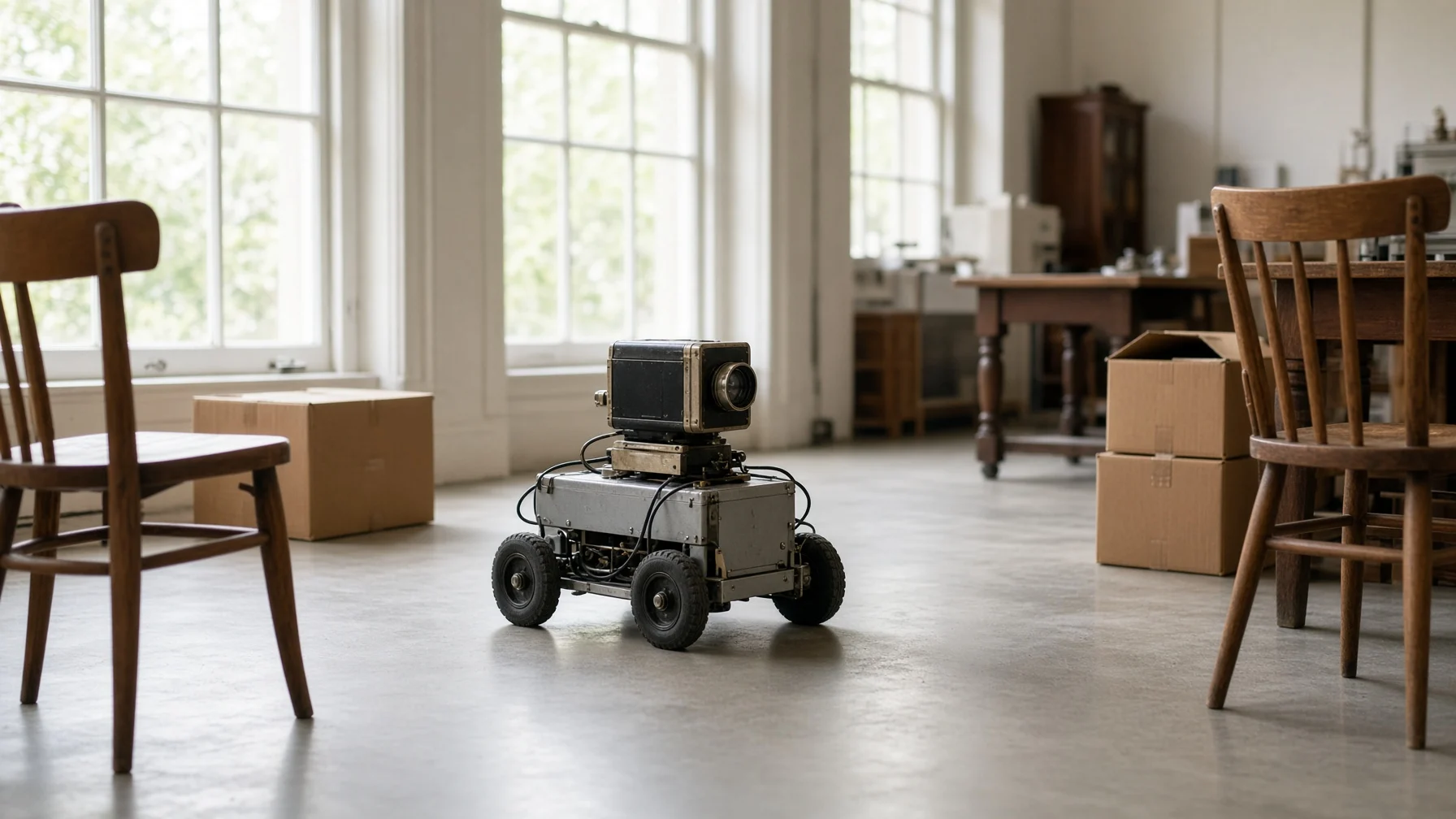
Hans Moravec earned his PhD at Stanford University in 1980 for research on getting the Stanford Cart, a camera-equipped mobile robot, to find its way around obstacles, and he later worked at the Robotics Institute of Carnegie Mellon University. His experience of building machines that see and move firsthand became the basis of this paradox. He had seen for himself that even a computer that excels at calculation struggles greatly to cross a room with obstacles in it.
In his 1988 book Mind Children, Moravec wrote the following.
"It is comparatively easy to make computers exhibit adult level performance on intelligence tests or playing checkers, and difficult or impossible to give them the skills of a one-year-old when it comes to perception and mobility."
In 1994, the cognitive scientist Steven Pinker likewise summed up that the main lesson of thirty-five years of AI research is that "the hard problems are easy and the easy problems are hard."
Why are the easy things harder?
Moravec explained the paradox in terms of evolution. The parts of our brains responsible for perception and movement contain a billion years of experience about how to survive in the world, whereas abstract thought is a new trick, probably less than 100,000 years old.
- Evolved Skills: abilities refined over a long time, such as recognizing faces, moving around in space, catching a ball and telling voices apart. They are so well refined that they happen unconsciously, so they seem easy.
- Recent Skills: abilities that arose relatively recently, such as mathematics, logic and chess. People have to work hard to learn them, but because their rules are clear, they are easy to transfer to machines.
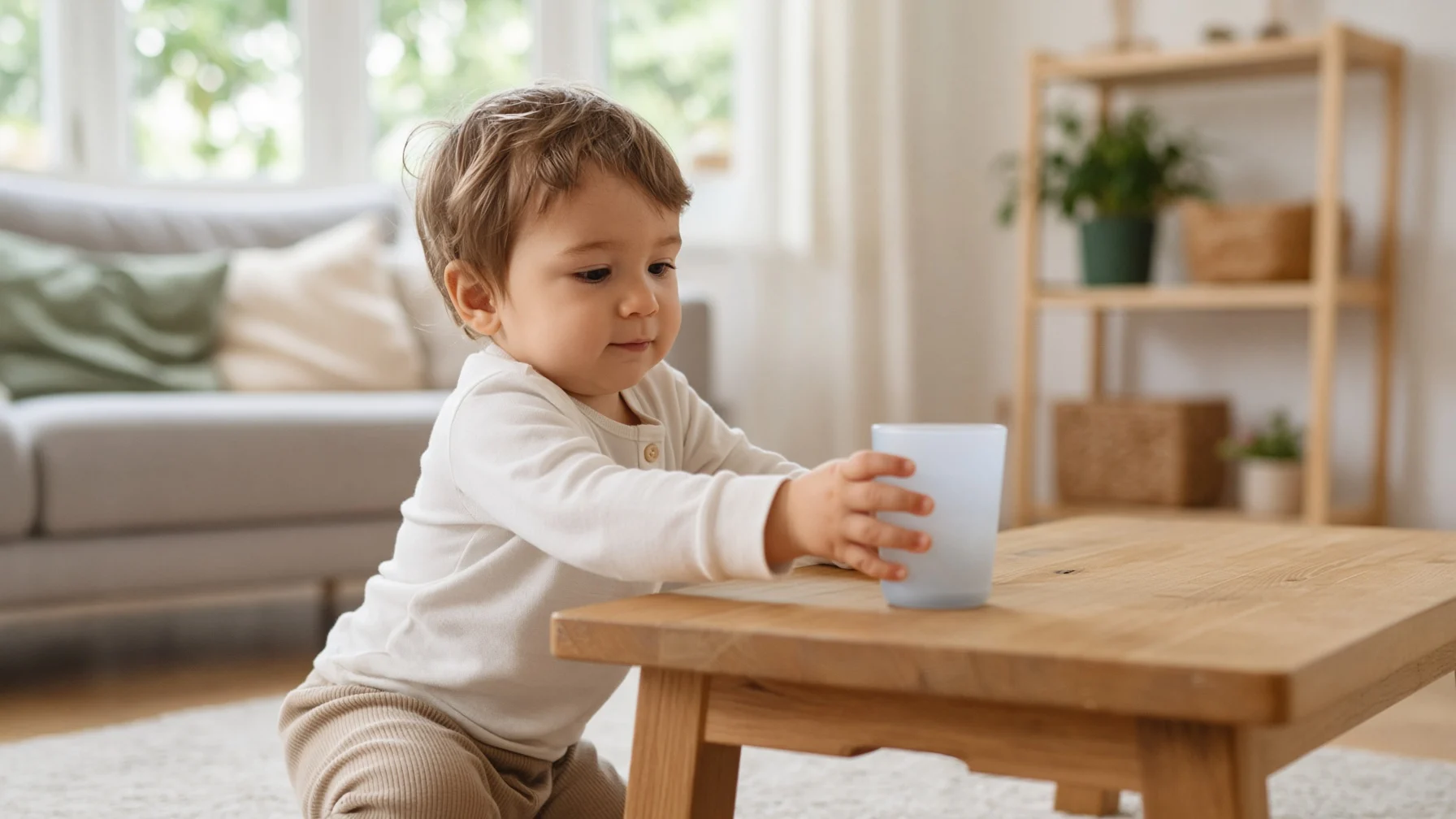
Just look at the act of picking up a cup. The moment people see a cup, they gauge its distance and shape, spread their fingers just right to grip it, and instantly add force if it seems about to slip. We are hardly aware of this process, but a robot has to work out each of these steps separately using sensors and computation.
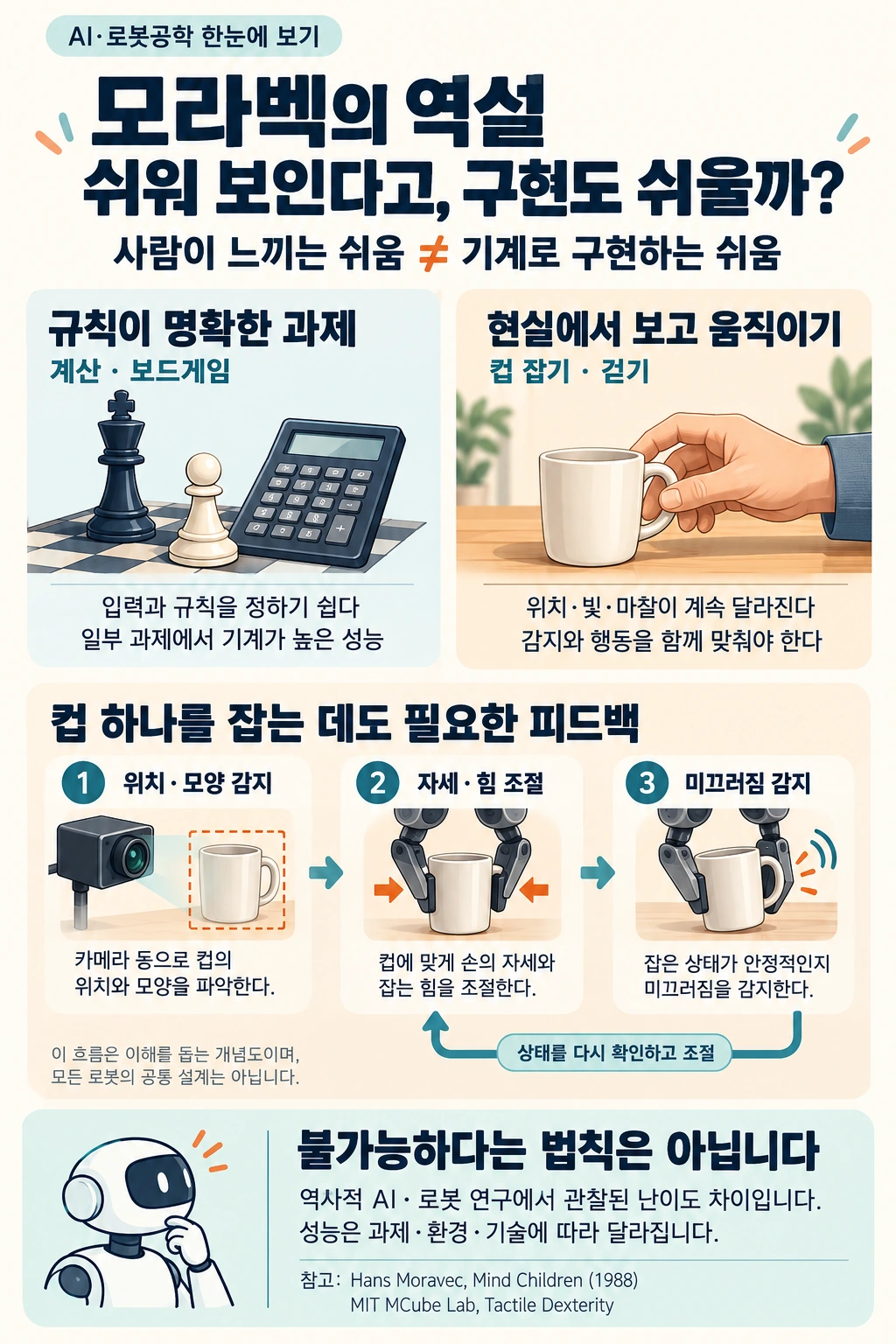
Minsky, too, believed that we are least aware of what our minds do best. Complex processes that run smoothly rarely rise to consciousness, so it is all the harder to reverse-engineer them and transfer them to machines.
Moravec's paradox as it shows up in robotics
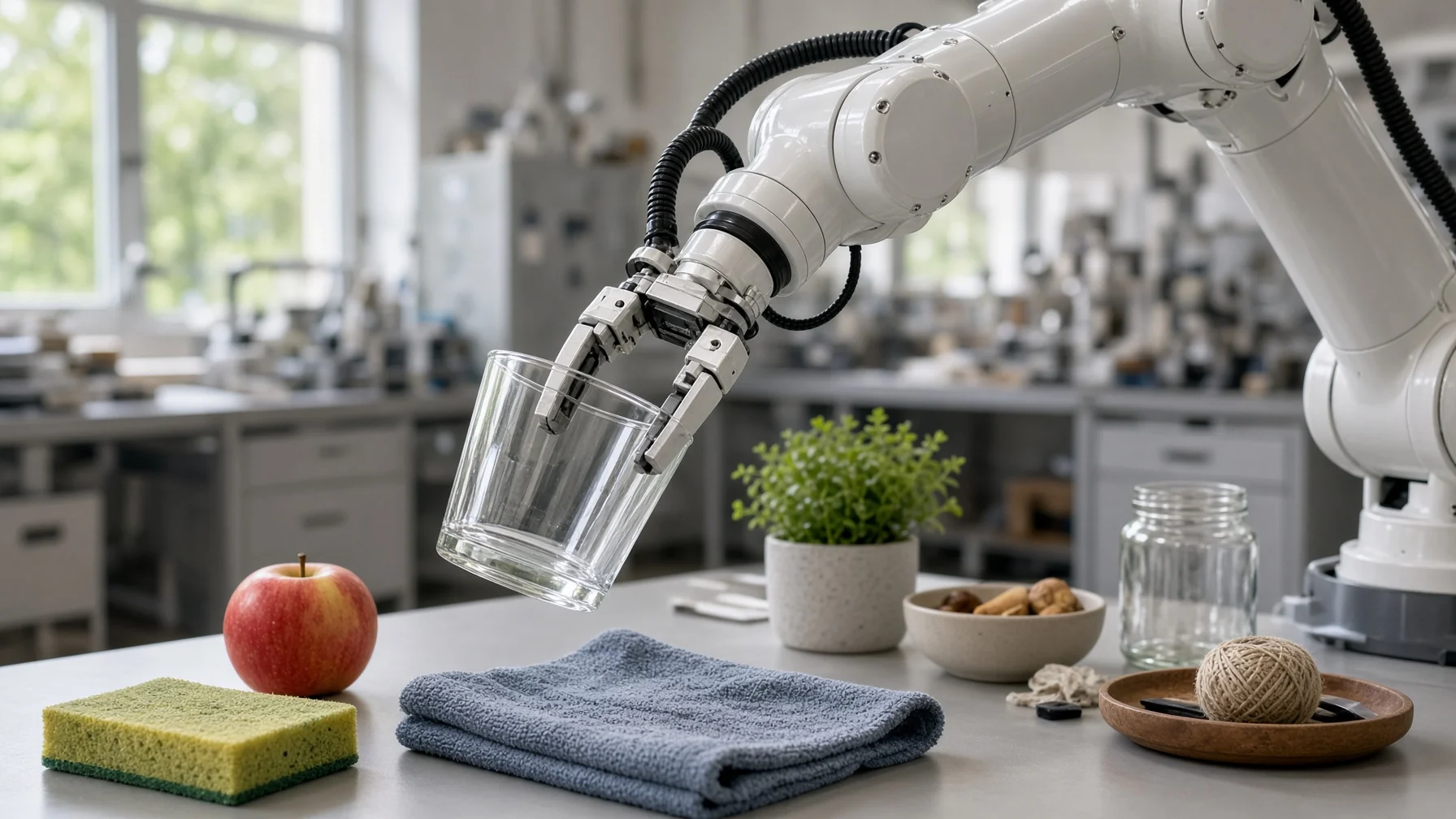
The paradox shows up most clearly when robots venture out into the real world.
(1) Chess and picking up cups
In 1997, IBM's Deep Blue defeated the world champion Garry Kasparov. But picking up objects of different shapes, weights and slipperiness without dropping them remains a problem that robot hands still have to solve.
(2) A disaster robotics competition
In the finals of the Robotics Challenge held by the US Defense Advanced Research Projects Agency (DARPA) in 2015, robots attempted tasks such as driving a vehicle, opening a door and turning a valve. The Korea Advanced Institute of Science and Technology (KAIST) team's HUBO won, but scenes of several robots falling over while opening doors or walking also drew wide attention.
(3) Household chores
Folding laundry or washing dishes is something even children can learn, but because it requires recognizing the shape of crumpled fabric and controlling force, robots need sophisticated sensing and control.
What the three cases have in common is that they deal not with fixed rules but with real environments that change every time. If the height of the floor, the position of objects or the direction of the light changes even slightly, the robot has to look again and decide again.
What Moravec's paradox left for robotics
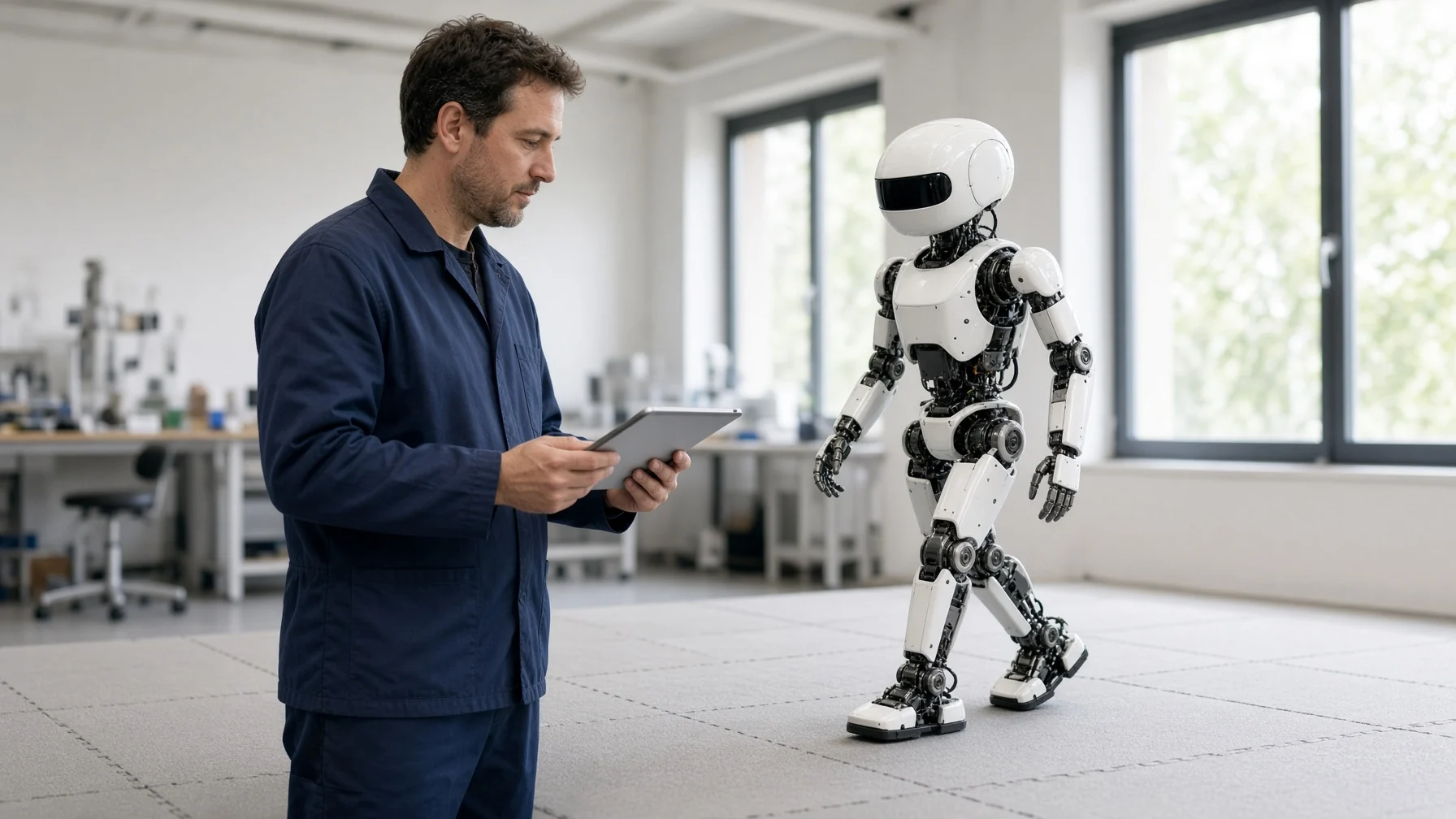
Early AI researchers, having solved problems in logic and algebra, expected that "easy" problems such as vision and common sense would soon be solved too, but those expectations were wrong. Rodney Brooks turned this lesson around and proposed a new direction: building robots that stack up sensing and action first, rather than complex reasoning. He also co-founded iRobot, later known for the Roomba robot vacuum. Today, researchers are trying methods that use simulation and large amounts of demonstration data to teach robots how to move, but robots that move as skillfully as people across the varied situations outside the lab are still rare.
However, there are also objections to accepting this paradox as a law. The AI pioneer Allen Newell criticized this idea as a "myth" in 1983, and the computer scientist Arvind Narayanan sees it less as a prediction of which problems will be easy or hard than as a statement that reflects what researchers have chosen to work on.
Moravec's paradox reminds us that the abilities we take for granted, seeing, grasping and walking, are in fact sophisticated skills shaped over a very long time. Building robots is therefore also a process of relearning how remarkable the human body is.
First recognizing the difficulty contained in the things that look easiest is the first step for robotics that works alongside people.