Picture the golden crust of freshly baked bread, the savory smell of sizzling grilled meat, and the aroma of freshly roasted coffee beans. These flavors and aromas, which make your mouth water just thinking about them, share one hidden secret: a chemical reaction that takes place in food when it is heated.
In food and nutrition science, the phenomenon in which amino acids and sugars in food are heated and produce a brown color and rich aromas is called the ‘Maillard reaction.’ A good part of the flavor of the foods we enjoy every day comes from this reaction.
This article explains, in easy-to-understand terms, what the Maillard reaction is and how it works, the conditions that govern it, everyday examples, and what to know about it in relation to health.
Understanding the Maillard Reaction
What Is the Maillard Reaction?
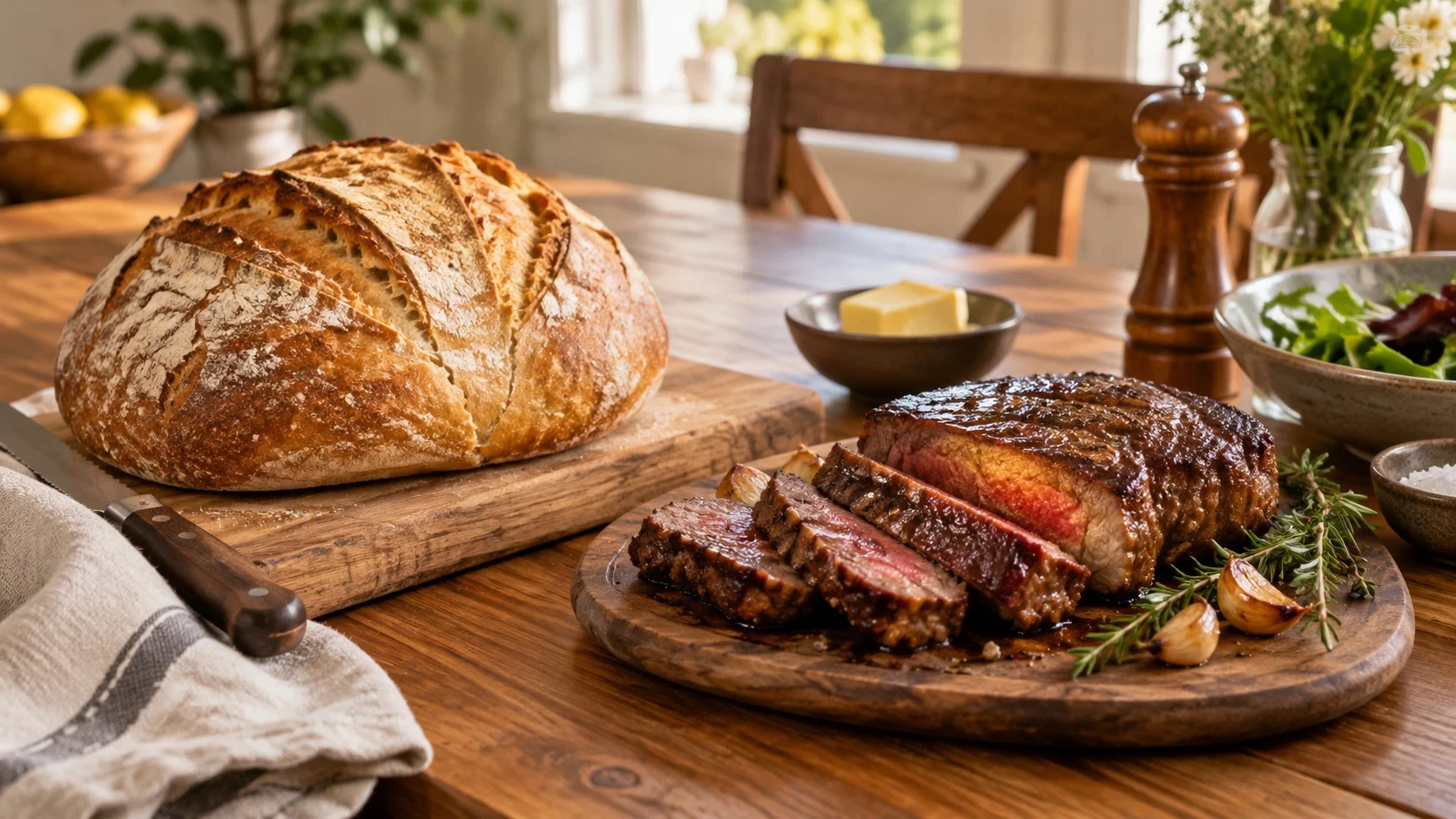
The Maillard reaction is a series of chemical reactions that begins when amino acids, the building blocks of proteins, and reducing sugars such as glucose are heated and bond with each other. The substances formed by this first bond change through several stages into hundreds of new aroma compounds, and finally brown substances called melanoidins are produced.
The reaction is named after the French chemist Louis-Camille Maillard, who first systematically reported the phenomenon in 1912. Because the color changes through heat alone, without enzymes, it is considered a classic example of non-enzymatic browning.
It is easily confused with caramelization, which happens when sugar is cooked down, but the two reactions are different. Caramelization occurs at high temperatures with sugar alone, while the Maillard reaction requires both amino acids and sugars. In actual cooking, the two reactions often happen at the same time, so the flavor of baked or grilled food can be said to be the product of both together.
Conditions That Govern the Reaction
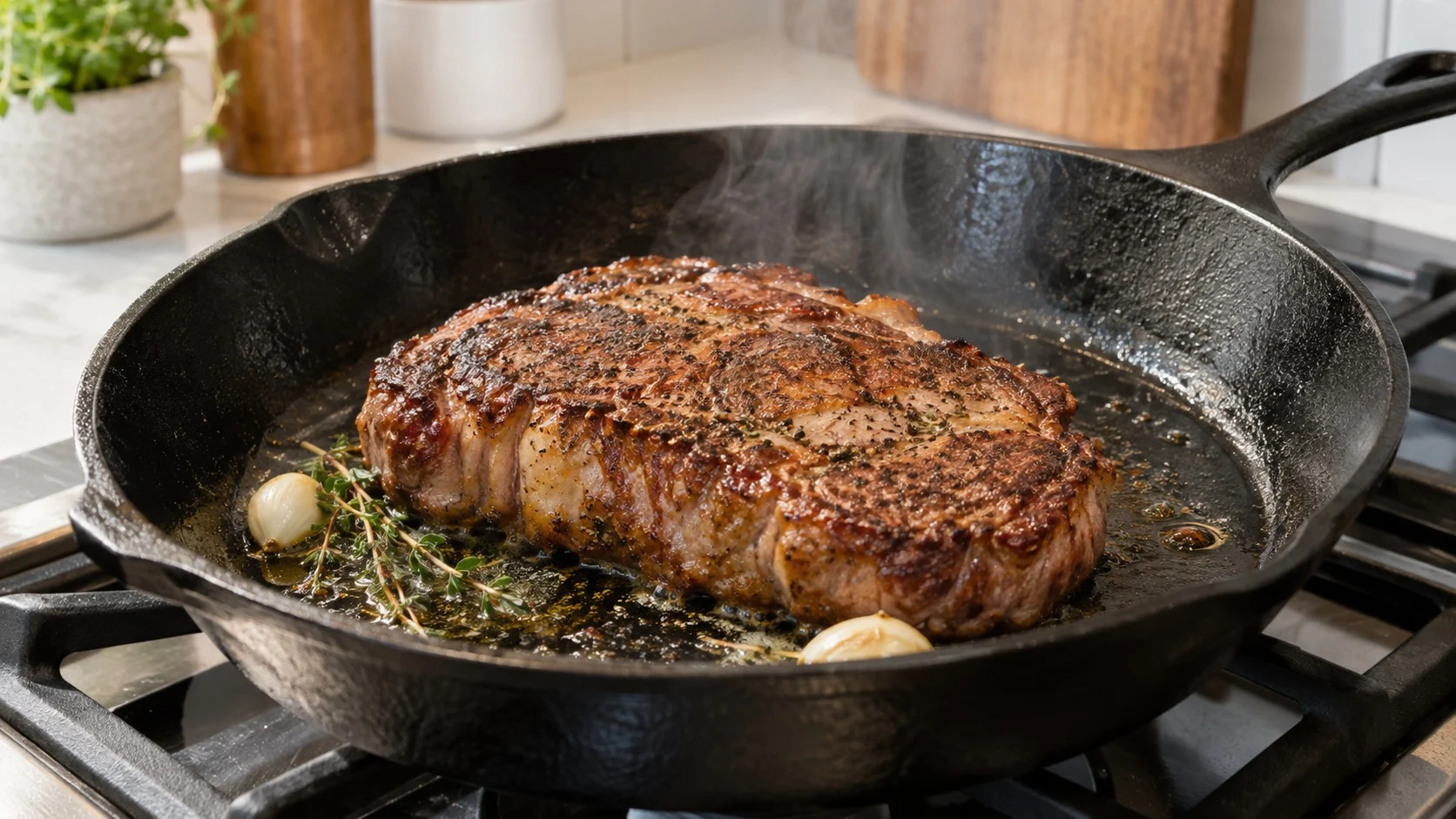
The Maillard reaction does not always proceed at the same speed. It speeds up or slows down depending on several conditions.
(1) Temperature
It occurs very slowly even at room temperature, but it generally speeds up noticeably above about 140°C. That is why pan-seared meat develops a much deeper color and aroma than meat boiled in water.
(2) Moisture
Water does not easily rise above 100°C, so the reaction is slow when the surface is wet. This is where the cooking advice to pat meat dry before searing comes from.
(3) Acidity
The reaction goes faster in mildly alkaline conditions. Dipping pretzels in an alkaline solution before baking is also done to get a deep brown crust.
(4) Ingredients
The aromas produced vary with the types and amounts of amino acids and sugars. This is why bread, meat, and coffee all smell different even when roasted or baked the same way.
Knowing these conditions lets you steer your cooking in the direction you want. If you want a steak that is crisp outside and juicy inside, pat it dry and sear it briefly over high heat; if you want a tender braise, add plenty of water so the temperature does not climb too high. This is why the same ingredients can taste completely different depending on how they are cooked.
The Maillard Reaction in Everyday Life
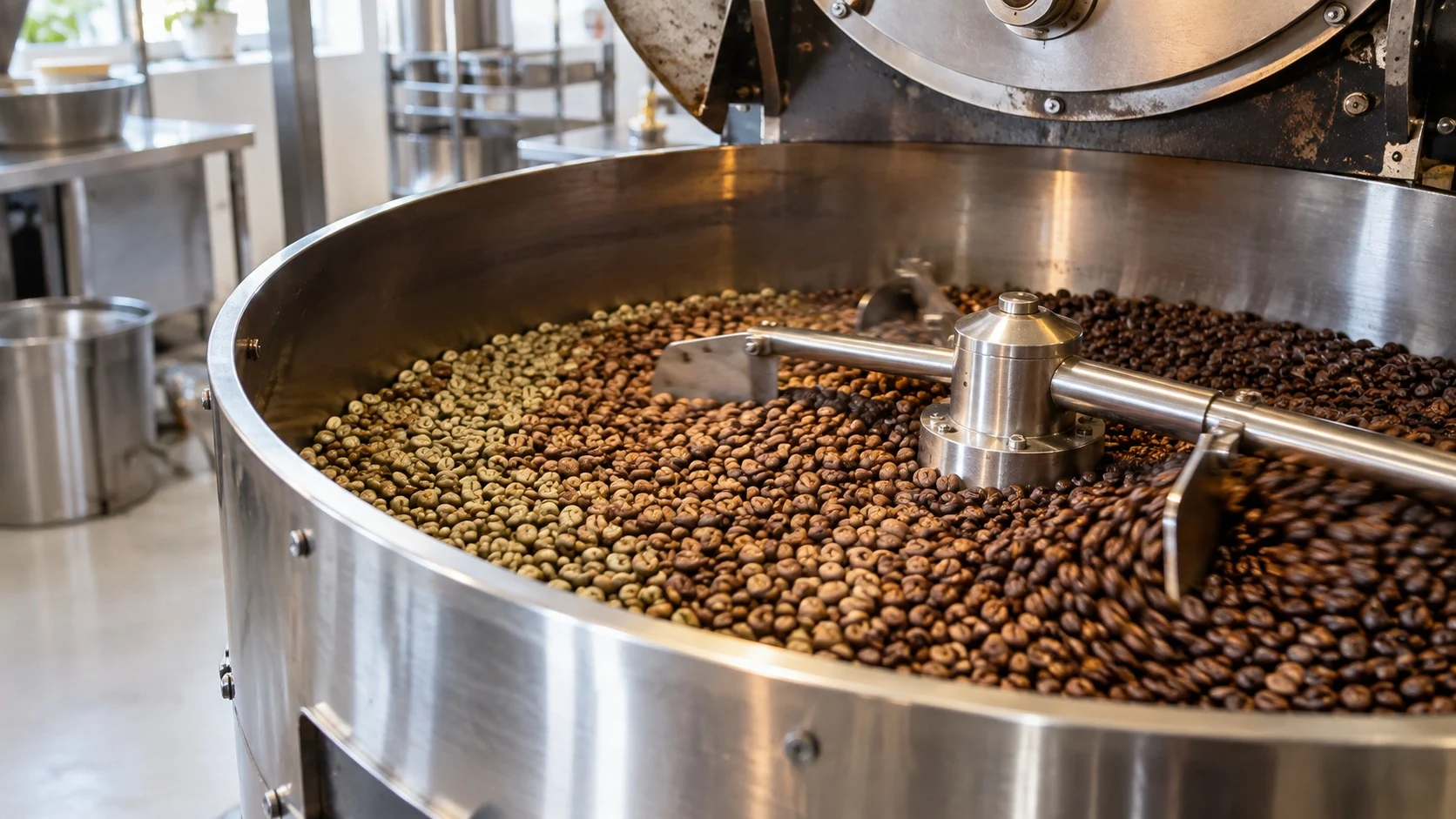
There are more flavors created by the Maillard reaction on our tables than we might think.
- Bread crust: The surface of the dough takes on the oven's heat and develops a golden color and toasty aroma.
- Searing: Cooking the surface quickly over high heat produces a deep brown color and a savory flavor.
- Coffee roasting: As green coffee beans are roasted, their brown color and coffee's distinctive aroma develop.
- Fermented sauces: In soy sauce and doenjang (soybean paste), the reaction takes place slowly over a long aging period, adding a deep color and rich flavor.
In this way, the Maillard reaction can happen quickly at high heat or slowly over a long time at low temperatures. Chefs take great care over heat control and timing ultimately to draw out this reaction to just the extent they want.
The reaction is also important in the food industry. Heating amino acids and sugars together is used to give snacks and cereals their toasty aroma and to make meat-flavored seasonings. Conversely, in foods stored for a long time, such as powdered milk and dried fruit, storage temperature and moisture are carefully controlled to prevent unwanted browning and flavor changes.
What to Know About Health
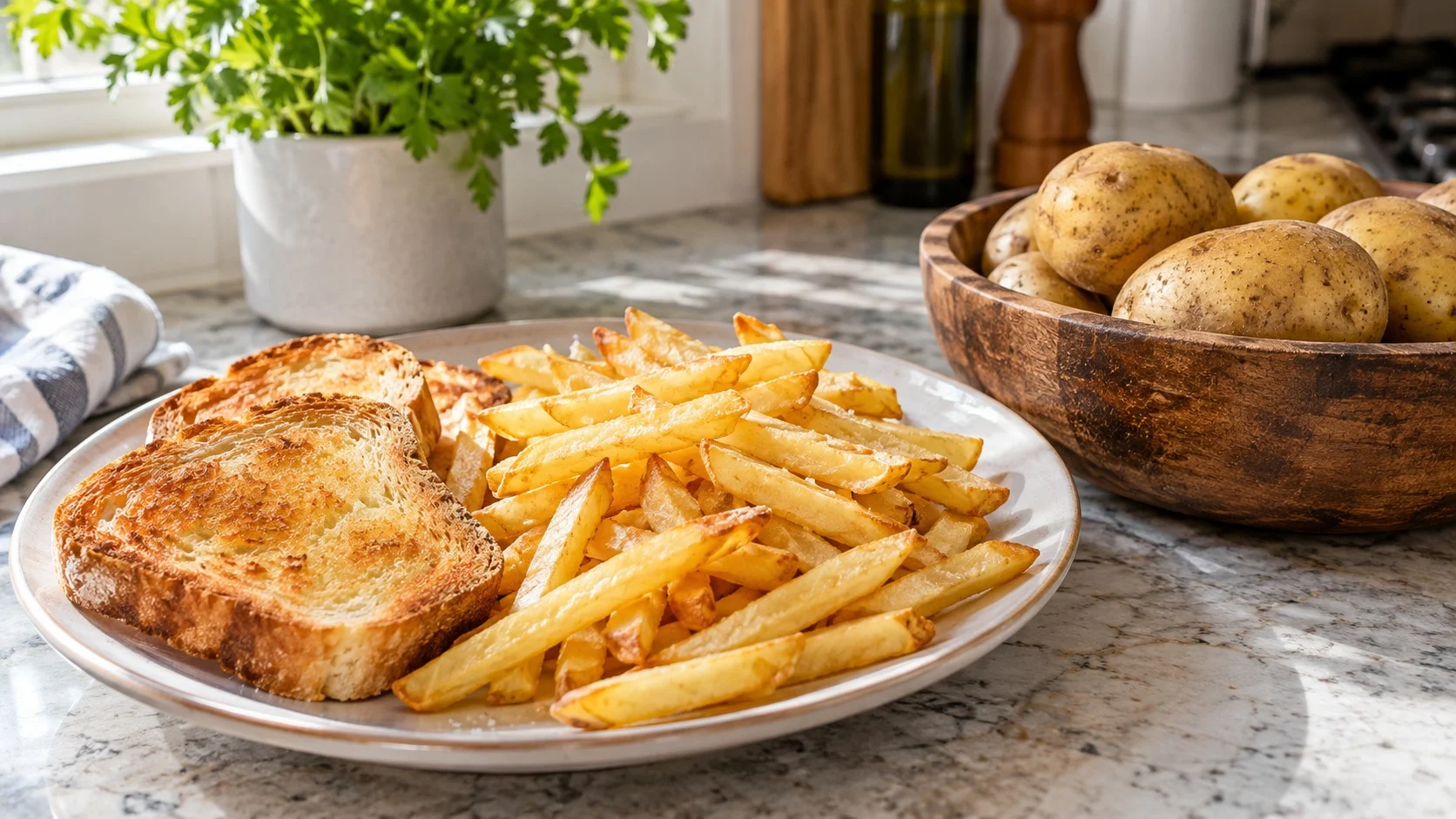
Even the flavor-enhancing Maillard reaction has a side to be careful about. When starchy foods such as potatoes or grains are fried or baked at very high temperatures for a long time, an amino acid called asparagine can react with sugars to form a substance called acrylamide. The International Agency for Research on Cancer classifies this substance in Group 2A, probably carcinogenic to humans.
So it is better to stop cooking french fries or toast at a golden color rather than until they turn dark brown or burn black. It also helps to get into the habit of removing very charred parts before eating.
Too much of the reaction also costs you nutritionally. As amino acids are used up in the reaction, some essential amino acids, especially lysine, decrease, which can slightly lower the nutritional value of the protein.
The Maillard reaction is a welcome reaction that makes food delicious, but it has two sides: overdo it and you lose nutrients and may even create harmful substances. In the end, what matters is not eliminating the reaction but the wisdom to control it with the right temperature and time.
Once you know the principle, everyday cooking looks different. Just small habits such as patting food dry, adjusting the heat, and stopping at the right time can make food both tastier and healthier.
Knowing the right heat and time: that is the first step in cooking that protects both flavor and health.