Most of us have, at least once, gone looking for “the real restaurant only locals know” or “the alley tourists never find” while traveling. Yet when we discover that the place we finally reached was actually set up for travelers, we feel a strange sense of disappointment. So where exactly is the “real thing” we search so hard for on our trips? The concept that answers this question through the lens of tourism studies is “staged authenticity.”
Put simply, staged authenticity refers to “a version of local life arranged and shown to tourists so that it looks genuine.” The American sociologist Dean MacCannell first proposed it in a 1973 paper and explored it more broadly in his 1976 book The Tourist. He explained that tourists set out in search of the authenticity they have lost in everyday life, while destinations prepare a stage tailored to that expectation.
This article walks step by step through the basic concept of staged authenticity, the six stages divided between the front and the back of the stage, three perspectives on authenticity, and the points travelers and destinations should consider together.
Staged Authenticity: The Structure of the “Real” That Tourists Encounter
What Is Staged Authenticity?
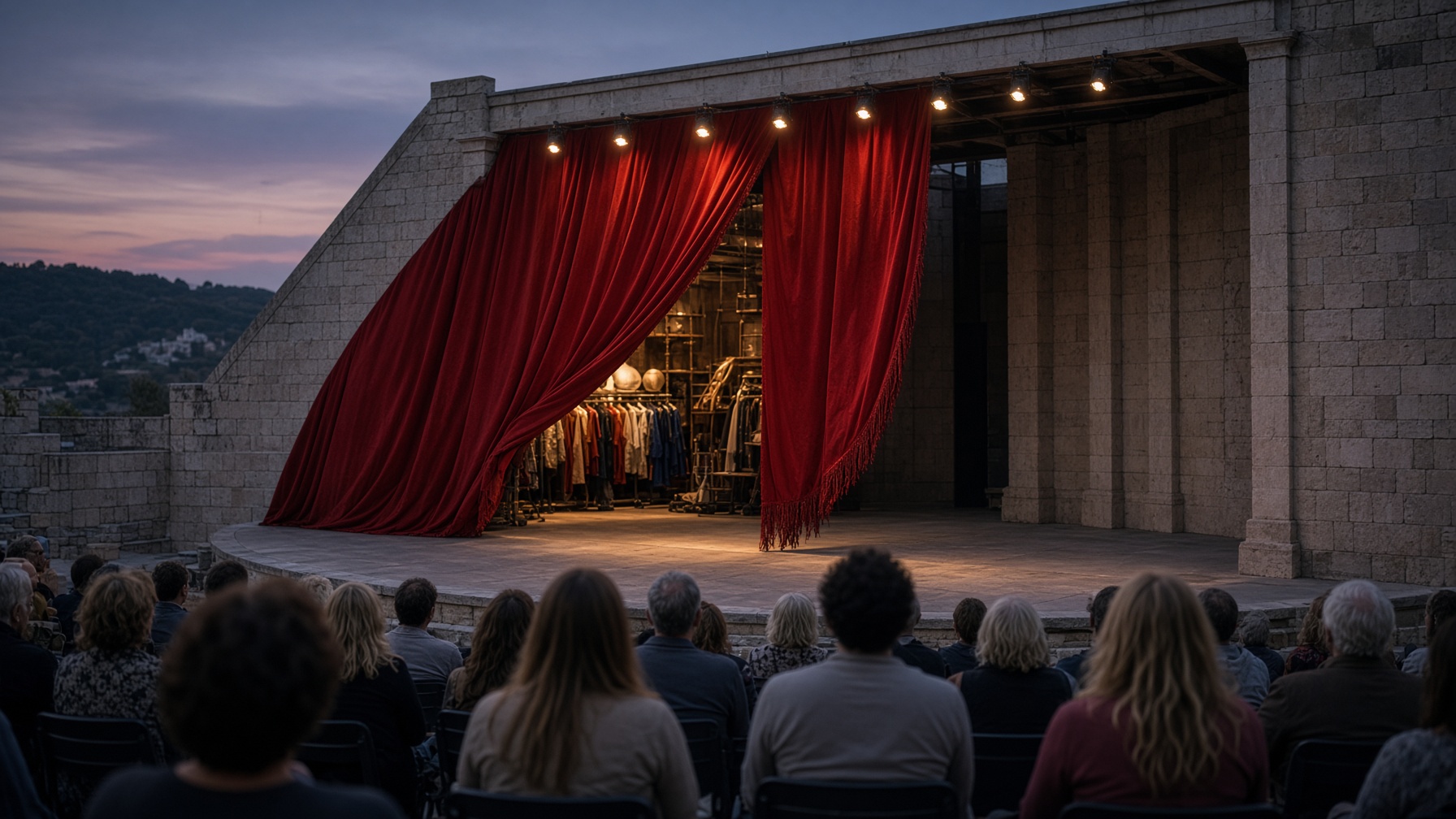
MacCannell’s idea starts from the theatrical metaphor of the sociologist Erving Goffman. In his 1959 book The Presentation of Self in Everyday Life, Goffman distinguished between the spaces people show to others and the spaces they keep among themselves. In a restaurant, the dining hall where guests are welcomed is the front, and the kitchen where the cooks bustle about is the back.
When trying to understand staged authenticity, it helps to know the following terms.
- Front Region: a space arranged and tidied for receiving guests or tourists.
- Back Region: a space where local people live and work without pretense.
- Authenticity: the degree to which people feel that what is shown is the original, unembellished reality.
- Pseudo-event: a term coined in 1961 by the historian Daniel Boorstin, referring to events or spectacles created in order to be seen.
Boorstin criticized tourists for being satisfied with contrived spectacles, but MacCannell argued the opposite: precisely because tourists long for the real thing, stages dressed up to look like the back region come into being.
From the Front of the Stage to the Back: Six Stages
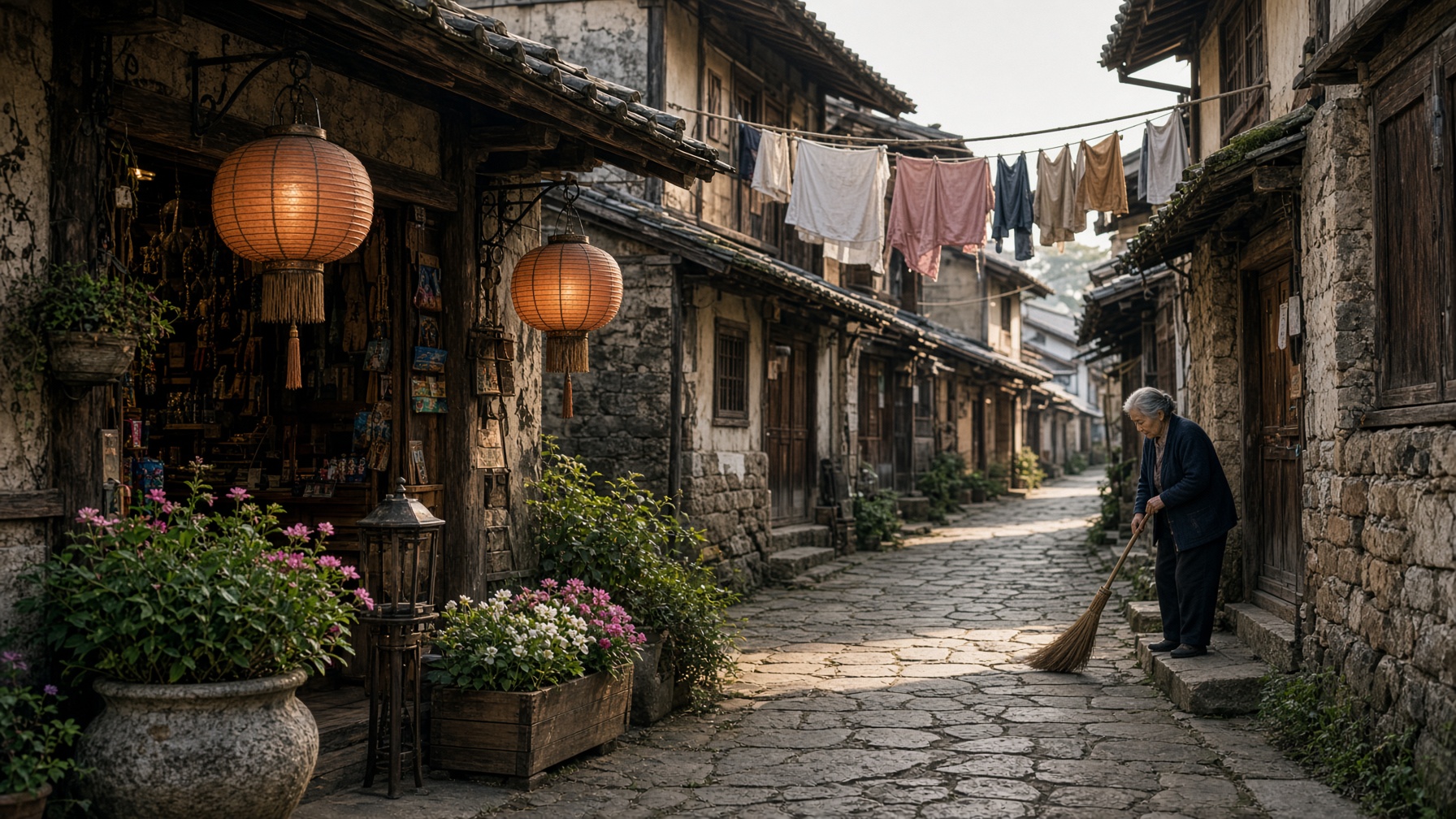
Rather than dividing the spaces tourists encounter into just two, front and back, MacCannell pictured them as a continuum of six stages connecting the two.
(1) The Front Stages
The first stage is a front region that is clearly arranged for tourists, such as a souvenir street or a tourist information center. The next stage is still a front region, but one decorated with old furnishings and props to resemble local life, and the third stage is a space designed from start to finish to look like local life.
(2) The Back Stages
The fourth stage is a space that originally belonged to local people but has been opened to outsiders. The fifth stage is a back region that has been tidied up or slightly altered so that tourists may enter, and the sixth stage is the genuine living space that tourists rarely reach.
(3) Where Tourists Stand
The problem is that tourists find it hard to tell for themselves which stage they are standing in. It is common to be in the third stage while believing you have entered the sixth, and MacCannell saw this as a defining feature of the tourist experience.
Three Perspectives on Authenticity
After staged authenticity became widely known, scholars put forward various perspectives on the question of “what is real.” In 1999, the China-born scholar Ning Wang organized them into three.
[Perspective 1] Objective Authenticity
- Objective Authenticity: the perspective that asks whether an artifact or performance is exactly in its original form. It holds that experts can tell the genuine from the fake through appraisal.
[Perspective 2] Constructive and Existential Authenticity
- Constructive Authenticity: the perspective that judgments of what is real are shaped by people’s expectations and interpretations, and by the times.
- Existential Authenticity: the perspective that focuses less on whether the object is real and more on how true to myself I feel while traveling.
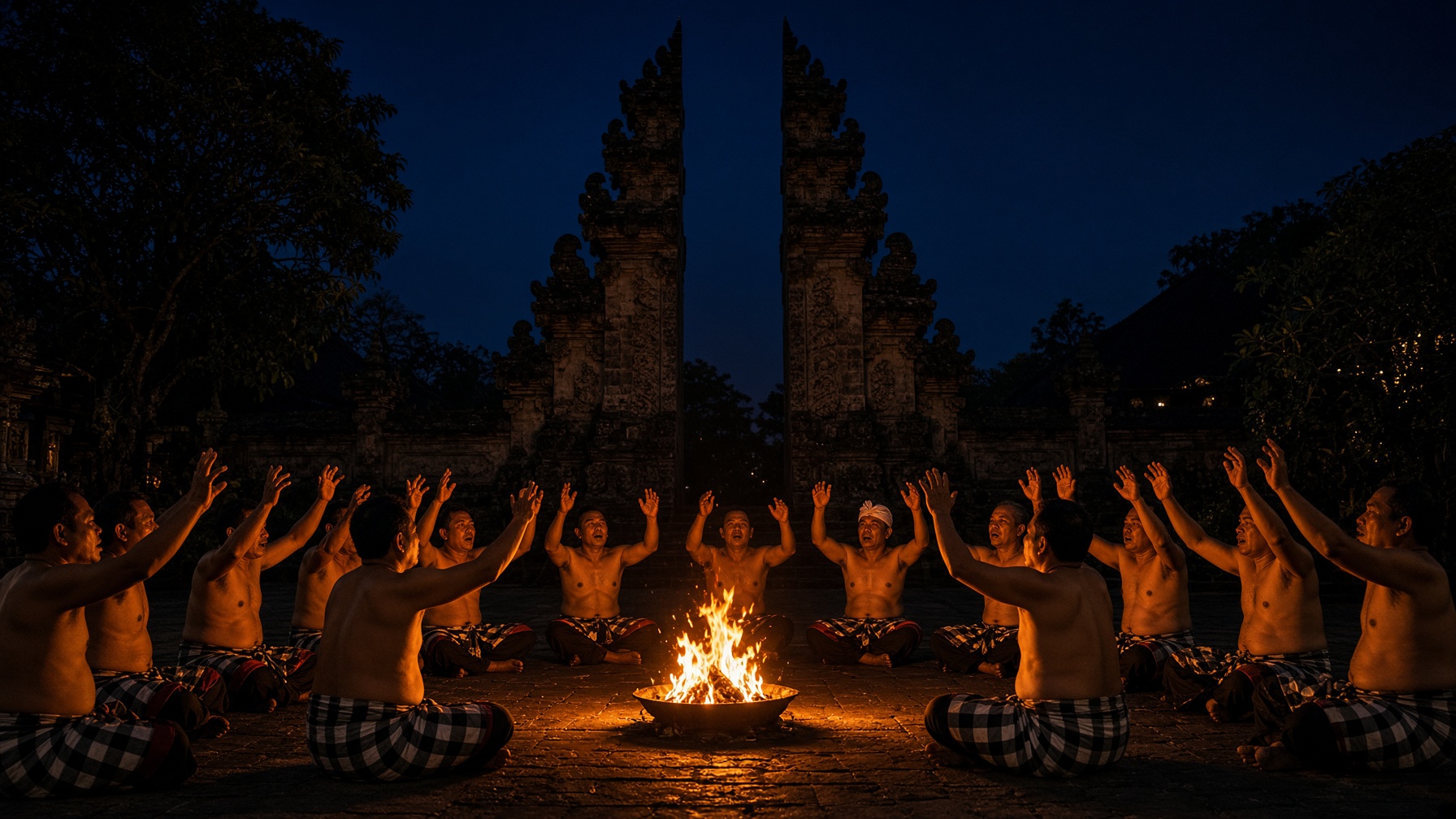
The Israeli sociologist Erik Cohen argued that even a performance originally created for tourists can, over time, take root as part of a region’s genuine culture. A frequently cited example is Bali’s Kecak dance, which was refined into a staged performance in the 1930s and has since become one of the performances that represent Bali.
Points for Travelers and Destinations to Consider Together
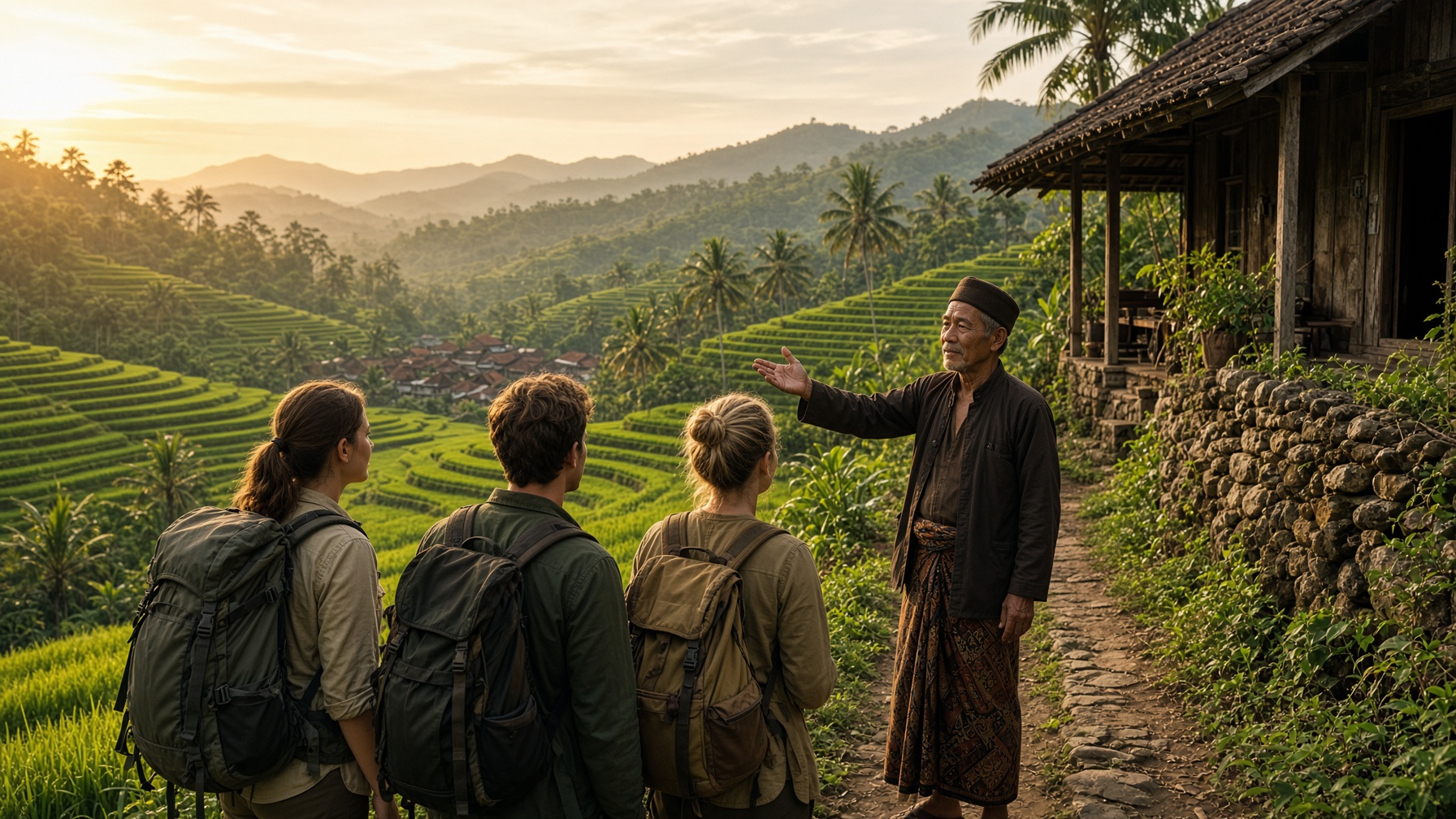
Staged authenticity is not a concept for blaming tourism but a tool for understanding it more deeply. It is worth keeping the following points in mind, for travelers and destinations alike.
- Awareness: once you know that performances and experiences are arranged for tourists, understanding comes before disappointment.
- Respect for Privacy: barging into residents’ homes or workplaces in the name of seeing the real thing can harm their privacy and daily lives.
- Honest Interpretation: destinations do well to keep visitors’ trust by being clear about what has been restored or newly created.
- Community Ownership: when residents decide what to show and how much, culture is less likely to be consumed merely as a product.
A staged setting is not necessarily fake, and unembellished everyday life does not all have to become a spectacle. Appreciating the people and lives beyond what is on display is the first step toward traveling with depth.