When winter comes, rivers and lakes freeze over and mountains and fields are blanketed in snow. But some scientists argue that, in the very distant past, the entire Earth froze like this. The idea is that thick ice covered not only the polar regions but even the equatorial seas, where the sun shines hottest. This is the “Snowball Earth” hypothesis.
Put simply, Snowball Earth is the hypothesis that there was a time when almost the entire surface of the Earth was covered in ice, with hardly any liquid water exposed. This is thought to have happened between about 717 million and 635 million years ago, during the Cryogenian Period, a name formed by combining the Greek words for “ice” and “birth.”
In this article, we will look in turn at how the idea of Snowball Earth arose, how the whole planet could freeze solid, the rock evidence that supports it, and how the icy planet thawed again and led on into the history of life.
When the Whole Earth Froze Solid: Snowball Earth
How the Idea of Snowball Earth Emerged
The bold idea that the whole Earth froze did not appear overnight; it began with a puzzle that had built up over a long time.
(1) Glacial traces in strange places
From the late 19th century, very old glacial deposits were found in many places, including Scotland, Australia, India and Norway. The marks of glaciers scraping and carrying rocks were clear, but because such traces turned up even in regions that are warm today, they long remained a mystery.
(2) Glacial evidence at the equator
In 1964, the British geologist W. Brian Harland analyzed records of ancient magnetic fields preserved in rocks and argued that some of these glacial deposits had been laid down at tropical latitudes. It meant there had been glaciers in the places that should have been warmest.
(3) Getting a name
The name “Snowball Earth” was first coined in 1992 by the American geologist Joseph Kirschvink. Then, in 1998, Paul F. Hoffman and his colleagues published the results of their study of rocks in Namibia, Africa, and the hypothesis drew wide attention.
How the Whole Earth Freezes Solid
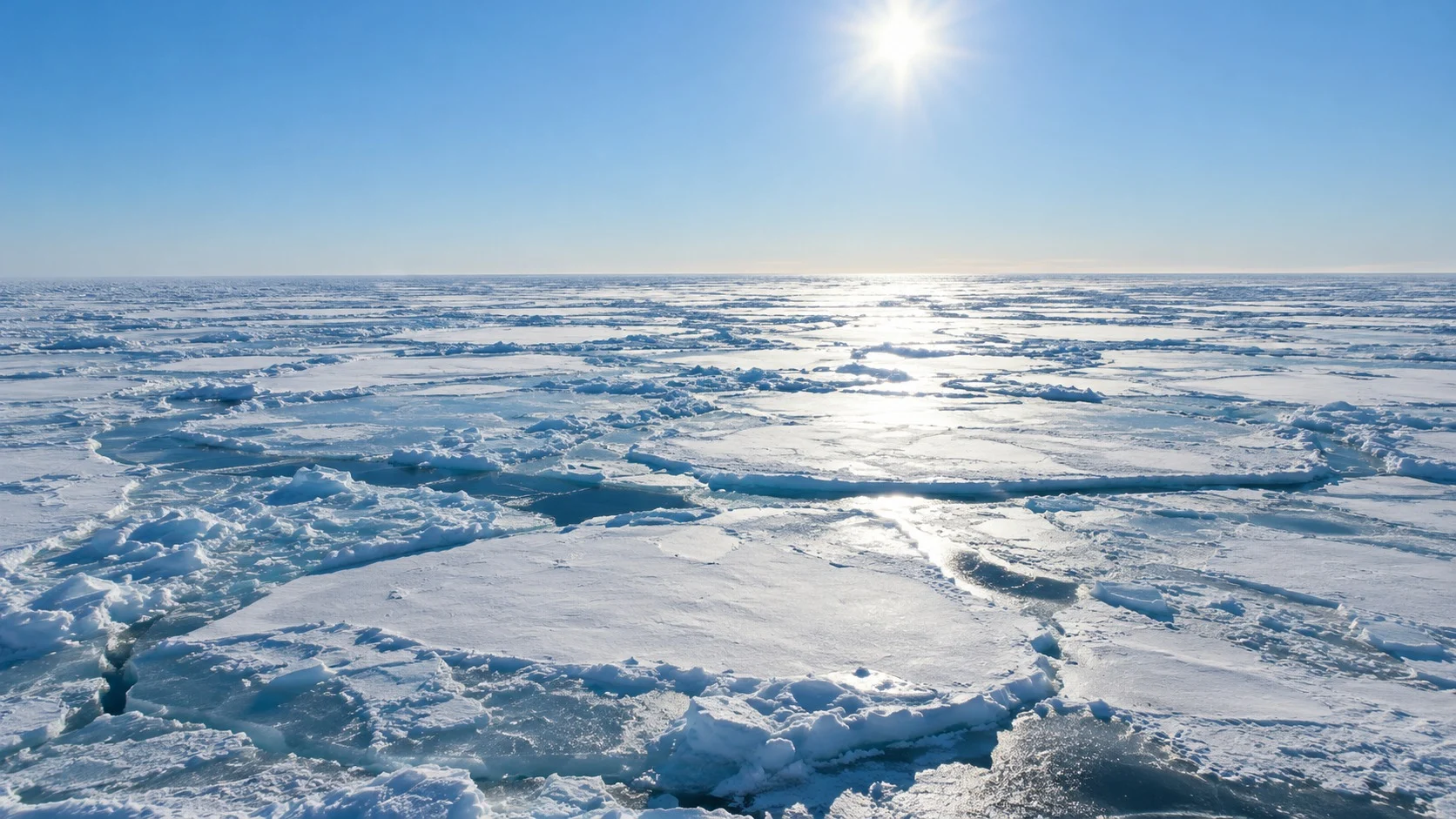
Once the Earth starts to cool, a chain reaction can set in where cold brings on more cold.
(1) Ice that sends sunlight back
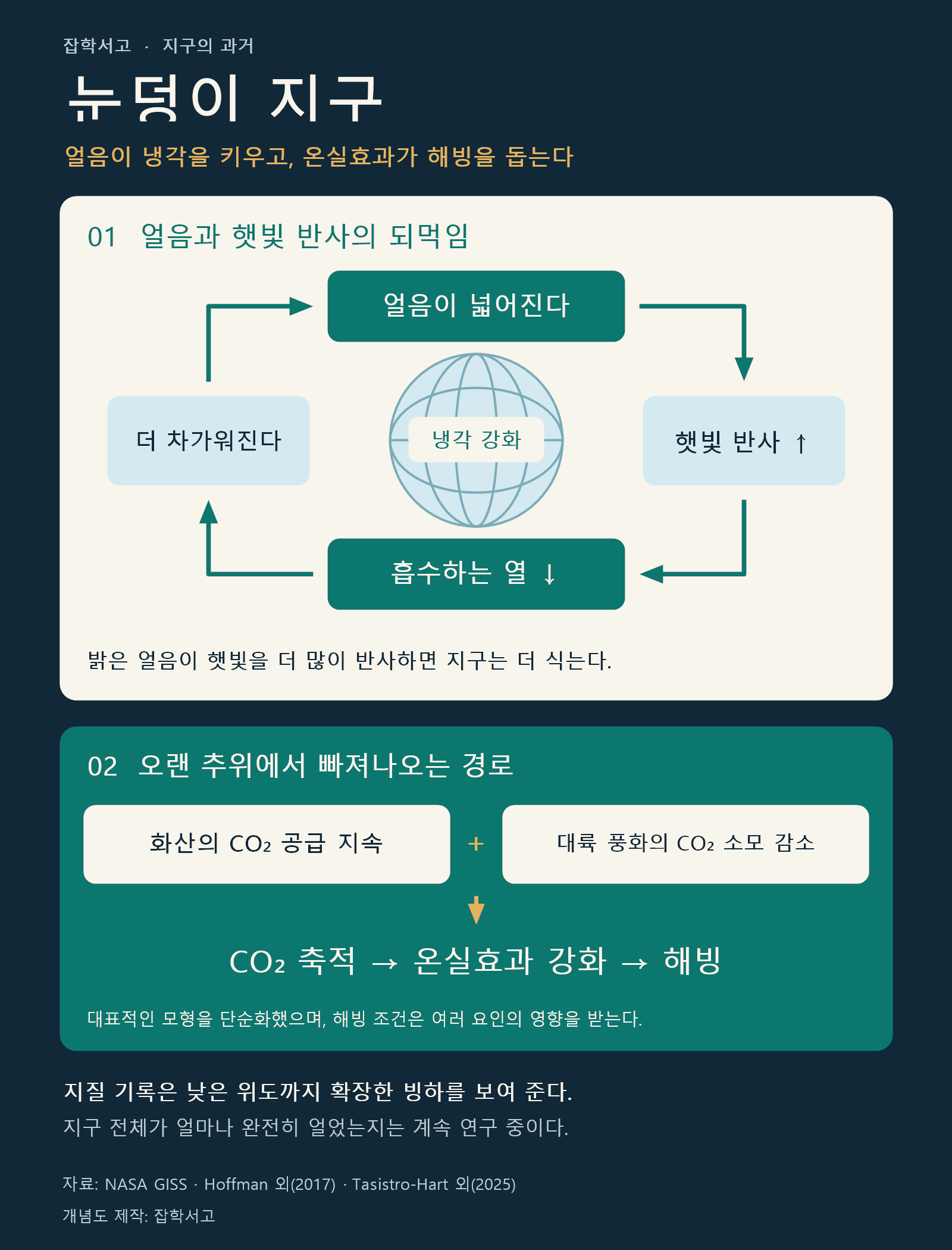
White ice and snow reflect most sunlight back into space. The degree to which a surface reflects light is called “albedo,” and as ice spreads, the Earth absorbs less heat and grows colder.
(2) A feedback that does not stop
As it gets colder, the ice spreads further, and the larger ice cover reflects even more sunlight. In the 1960s, the Soviet climatologist Mikhail Budyko showed through calculations that if the ice reaches far enough from the poles, this feedback could freeze the entire planet.
(3) Ice reaching the equator
According to various models, once glaciers advance to within 25–30 degrees of latitude of the equator, the ice can then spread rapidly all the way to the equator. That is why glacial traces in the tropics are regarded as strong clues that the whole Earth froze.
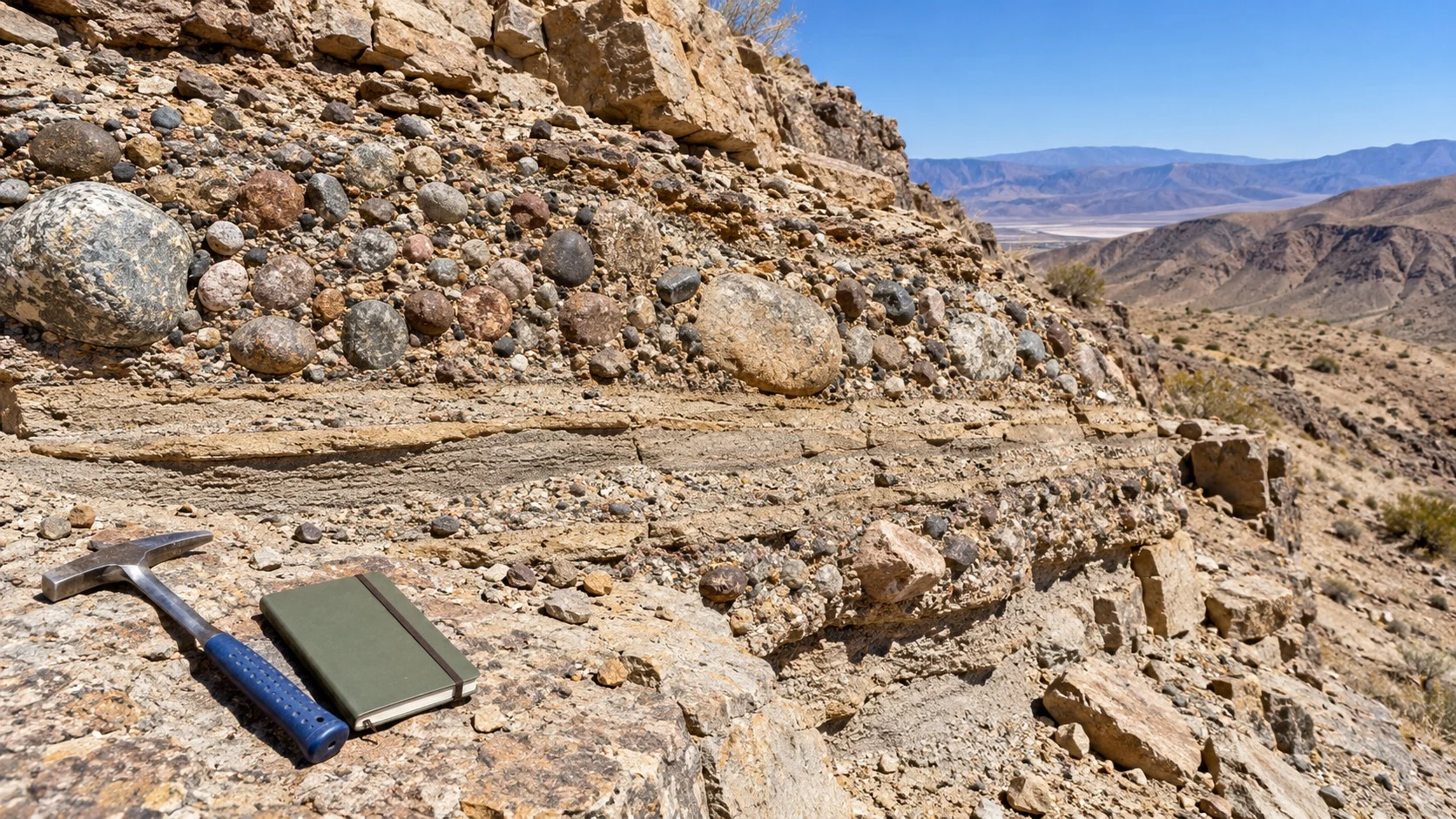
Evidence of an Ice Planet Left in the Rocks
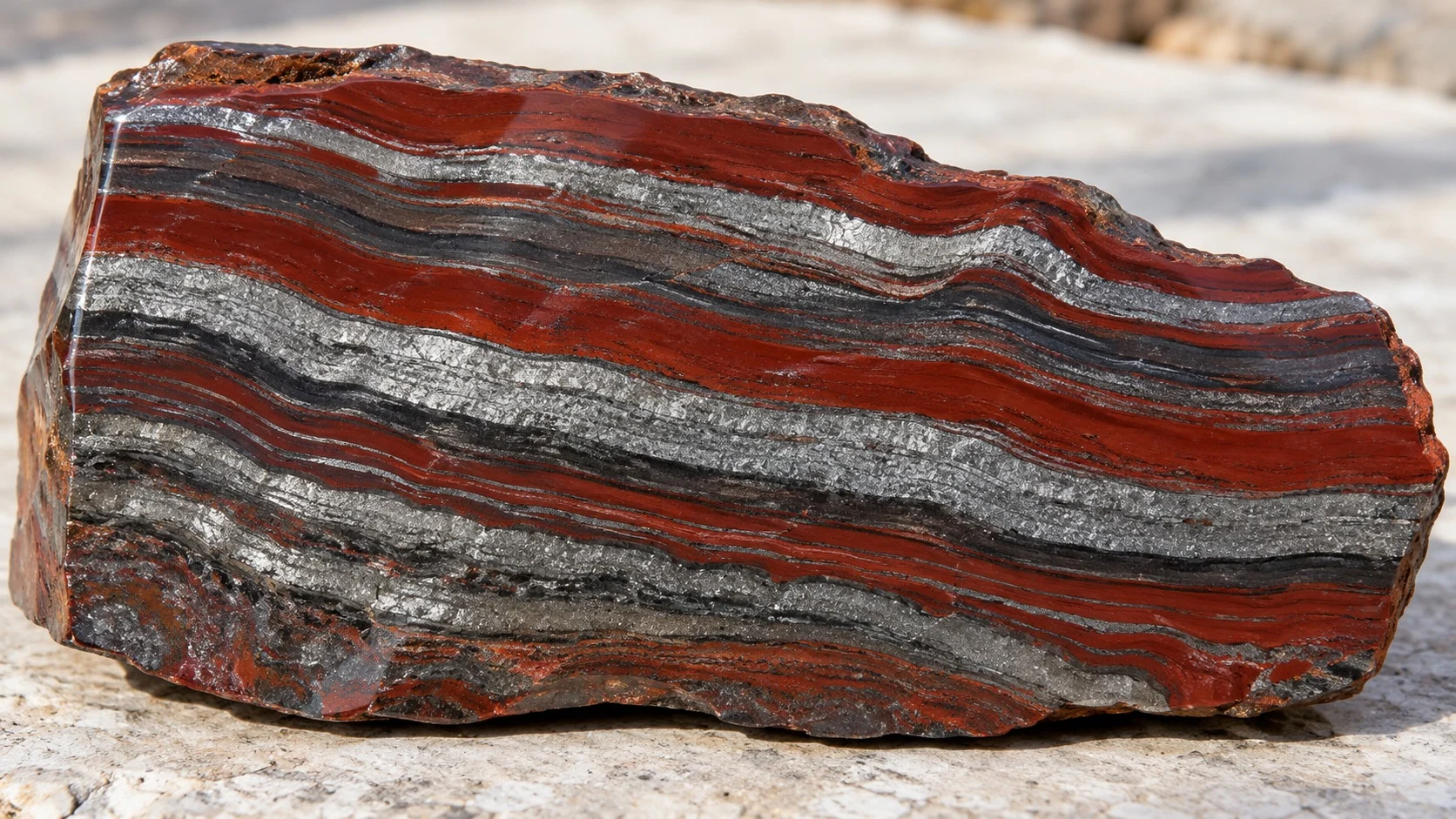
Scientists trace events from hundreds of millions of years ago through the marks left inside rocks.
- Glacial Deposits: Layers of mixed stones of all sizes, along with “dropstones” that floating ice dropped onto the seafloor as it melted, are found in strata from tropical latitudes.
- Banded Iron Formation: A rock in which layers of iron oxide and siliceous rock alternate like stripes. It is interpreted as a sign that, when ice covered the oceans and oxygen ran short, iron dissolved in the water built up and then settled out all at once as the ice melted.
- Cap Carbonate: Limestone or dolostone, a few meters to tens of meters thick, lying directly on top of glacial deposits. It shows that the chemistry of the oceans changed dramatically right after the ice age ended.
Not every scientist agrees with this evidence, however. Debate continues to this day over how complete the ice was, as in the “Slushball Earth” hypothesis, which holds that a band of unfrozen ocean remained near the equator.
How the Icy Planet Thawed Again
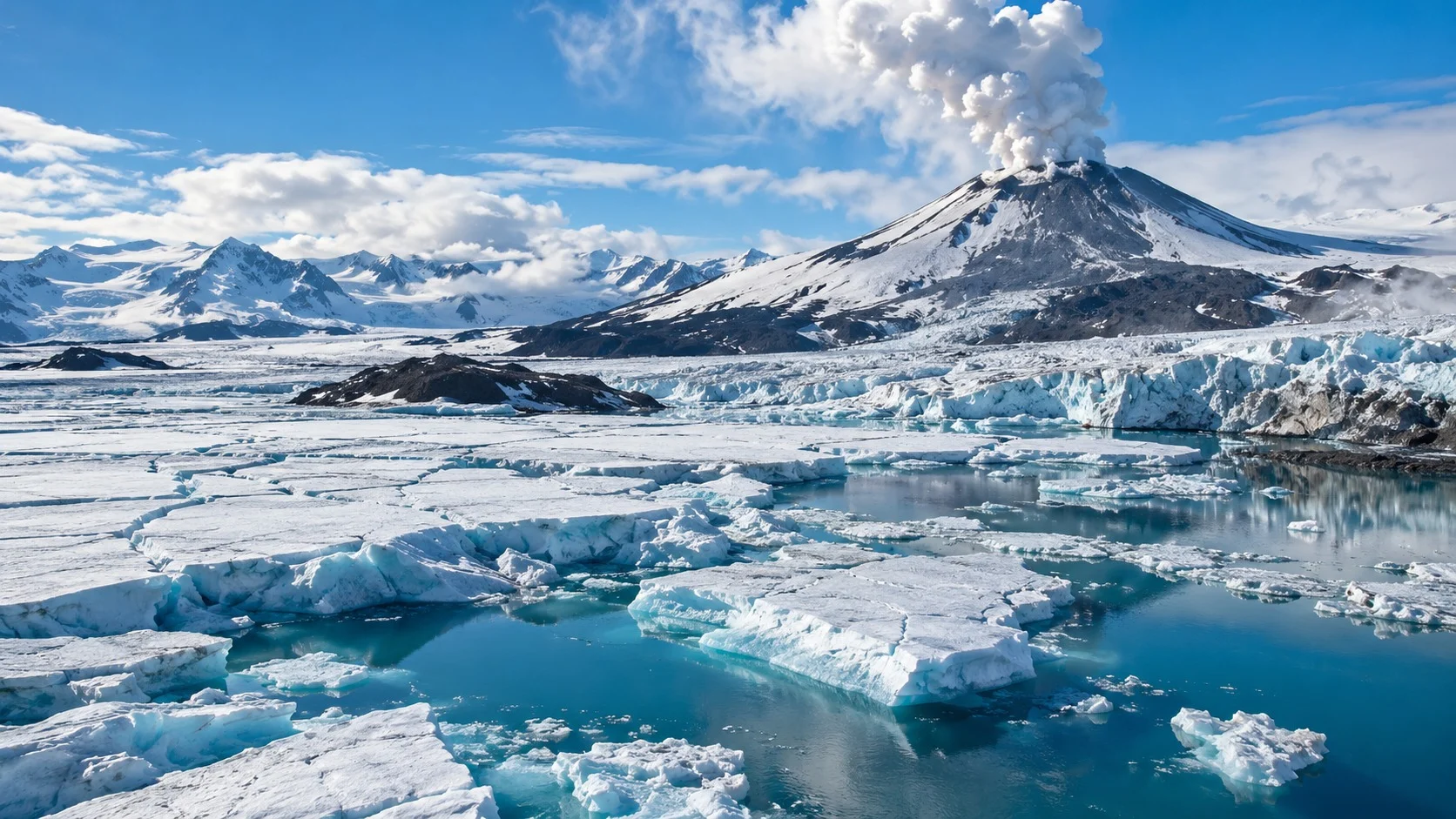
If the whole Earth was covered in ice, the biggest challenge for this hypothesis was explaining how it could ever melt again.
(1) Greenhouse gases built up by volcanoes
Even under the ice, volcanoes kept releasing carbon dioxide. Normally, rain and the weathering of rocks lock carbon dioxide away, but with the land and seas frozen, this process almost stopped, and carbon dioxide kept accumulating in the air.
(2) A thaw after millions of years
Researchers estimate that melting the ice would have required carbon dioxide to reach about 350 times today’s level, or about 13% of the atmosphere. Building up that much took roughly 4 million to 30 million years, after which the strengthened greenhouse effect is thought to have finally melted the ice.
(3) A mark left on the history of life
After the Snowball Earth period ended, organisms made of many cells gradually began to appear on Earth in growing variety. Some scientists think the last Snowball Earth may have been a trigger for the evolution of multicellular life, and research to clarify this connection continues today.
The Snowball Earth hypothesis shows that Earth’s climate can change far more drastically than we might think. The fact that a small change can, through feedback, transform an entire planet is also an important clue for understanding today’s climate.
Looking into the frozen Earth of the past is the first step in learning to understand the climate of today.