Sending back clothes bought online after trying them on and finding they don’t fit; having a broken appliance picked up; returning empty boxes and pallets to a depot. These scenes look unrelated on the surface, but they all run in one direction: goods flowing from customers or the market back toward production, recovery, reuse, or disposal. That flow is reverse logistics.
Put simply, reverse logistics means logistics in which products, parts, and packaging travel back from the point of consumption toward the point of origin, either to recover value or to be handled properly. It is the opposite of forward logistics, which moves goods from factory to store or home. A definition set out by Dale Rogers and Ronald Tibben-Lembke is widely used, and its core is moving things back efficiently to recapture value or dispose of them correctly. Returns are not the whole story. It is a broad concept that also covers recalls, reuse, remanufacturing, recycling, and packaging recovery.
In this piece we will look in turn at what reverse logistics is and how far it reaches, the flow from collection through inspection to disposition, why it has become more important in the age of e-commerce, and the irregularity and value-recovery decisions practitioners run into.
The Way Back: The Structure and Challenges of Reverse Logistics
What Is Reverse Logistics, and How Far Does It Reach?
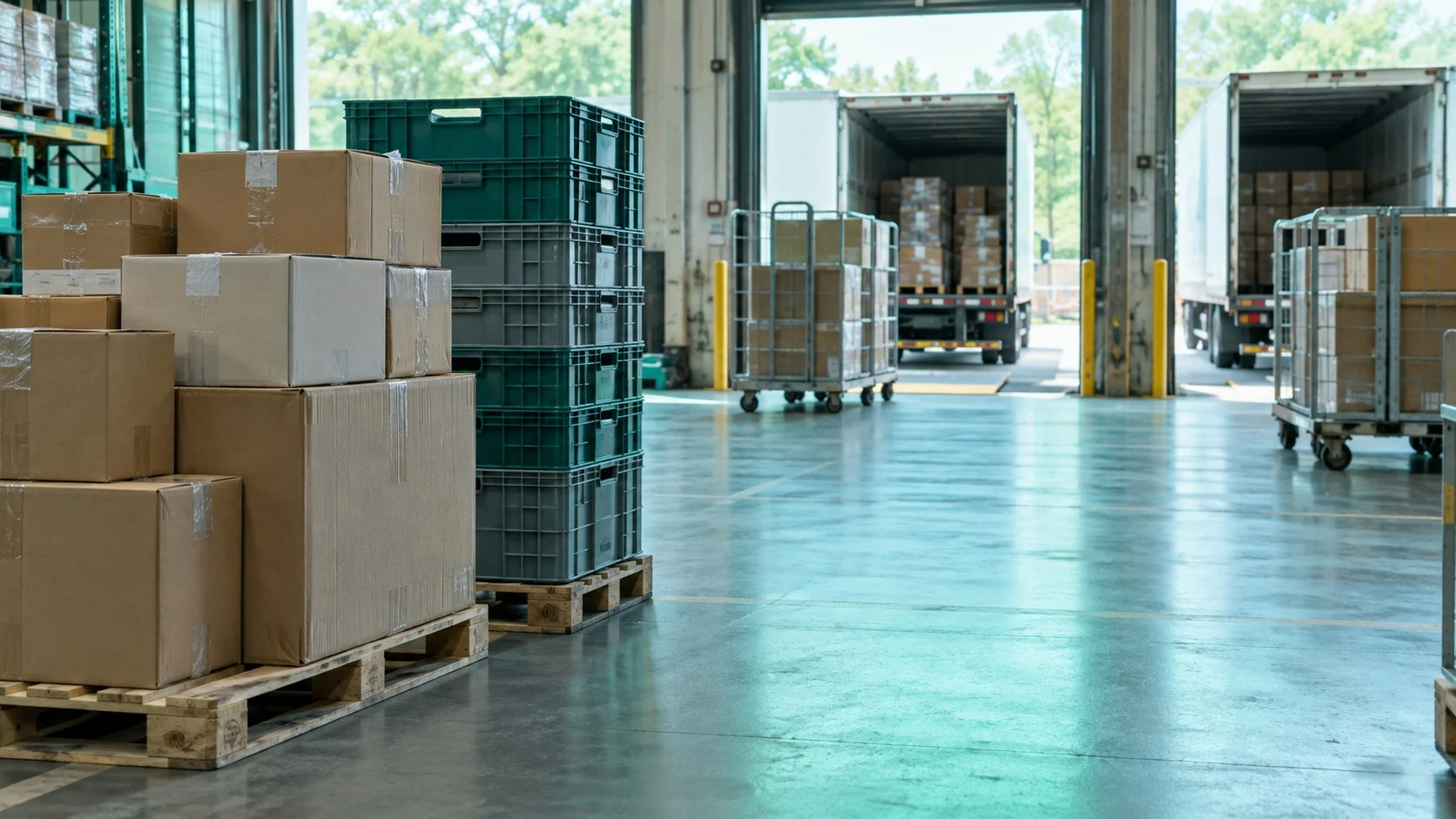
If forward logistics is “the way out,” reverse logistics is “the way back.” The destination, though, is not always the original factory. Flows branch off to whatever point suits value recovery or treatment: a repair center, an inventory warehouse, a recycling facility, a disposal site. The scope can be divided roughly like this.
- Returns: collecting and handling goods customers send back because they don’t fit or aren’t what they wanted.
- Recalls: systematically retrieving products already shipped because of defects or safety problems.
- Reuse: using things again without substantially changing their condition. Empty containers and transport containers are typical examples.
- Remanufacturing: disassembling, inspecting, and replacing parts in used products to restore near-new performance.
- Recycling: breaking products down to the material level and using them again as raw materials.
- Disposal: safely discarding items that have no recoverable value or are hazardous.
Recovering packaging and pallets is part of reverse logistics too. Pallet pooling, in which pallets are collected and used again, is one branch of it. Quite apart from questions of standard sizes, the idea that “transport equipment isn’t used once and thrown away” is close to the spirit of reverse logistics.
From Collection to Disposition: The Basic Flow
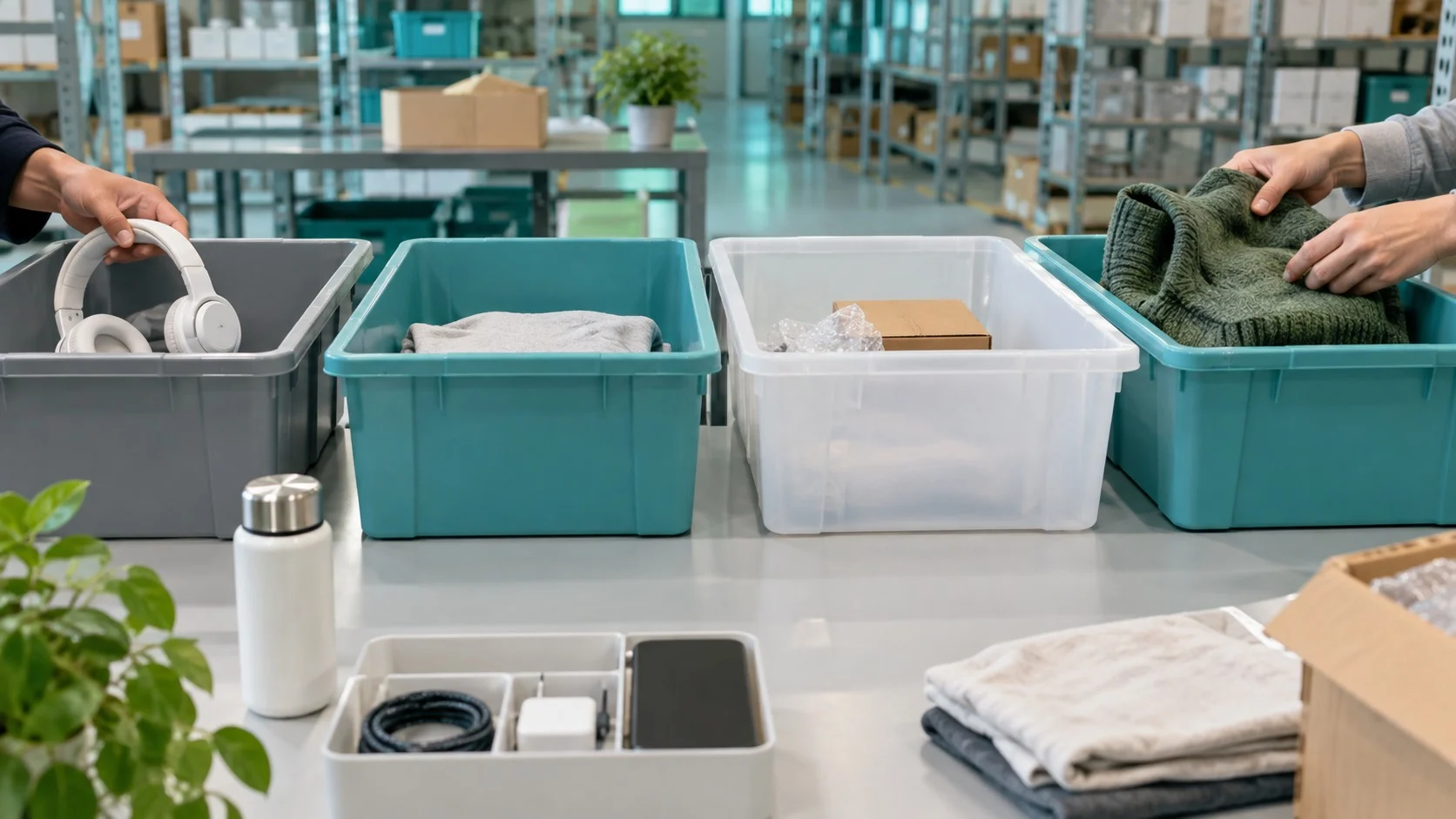
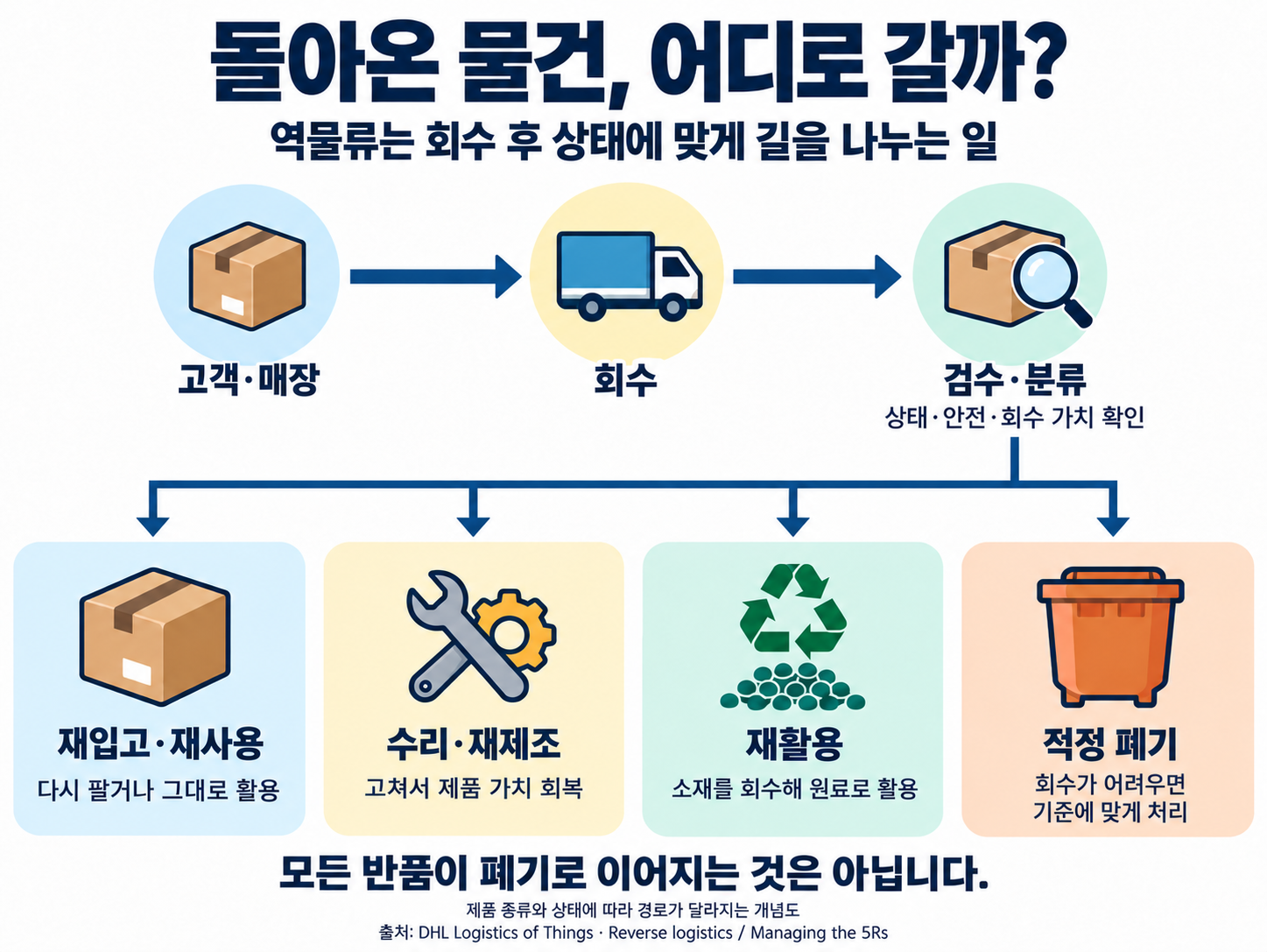
Reverse logistics usually passes through a few stages. First, items are collected from customers, stores, or depots. Next they are inspected and sorted by condition, model, expiry date, and damage. Finally, a decision is made on where to send them: back into stock, to repair, to remanufacturing, to recycling, or to disposal. Even the same “return box” takes a different path depending on what is inside.
(1) Collection
This is the stage of gathering volume in one place: customer pickups, drop-offs at convenience stores or parcel lockers, in-store returns, and recall collections. Because the addresses are scattered, routes tend to be more erratic than in forward logistics.
(2) Inspection and Sorting
Workers check whether items have been opened, whether they are defective or missing components, and whether they meet hygiene and safety standards. Costs can rise sharply at this stage, because some items cannot be resold even when they look fine on the outside.
(3) Disposition
Here the choice is made: restock and resell, recover value through repair or remanufacturing, recycle into parts or materials, or dispose. The faster the decision, the less time items sit in the warehouse and the less value they lose.
Forward flow is closer to “planned shipping,” while reverse flow is closer to “deciding the path after seeing what came in.” That is why, without information systems and inspection standards, the same return can cost something different every time.
Why Has Reverse Logistics Become More Important Now?
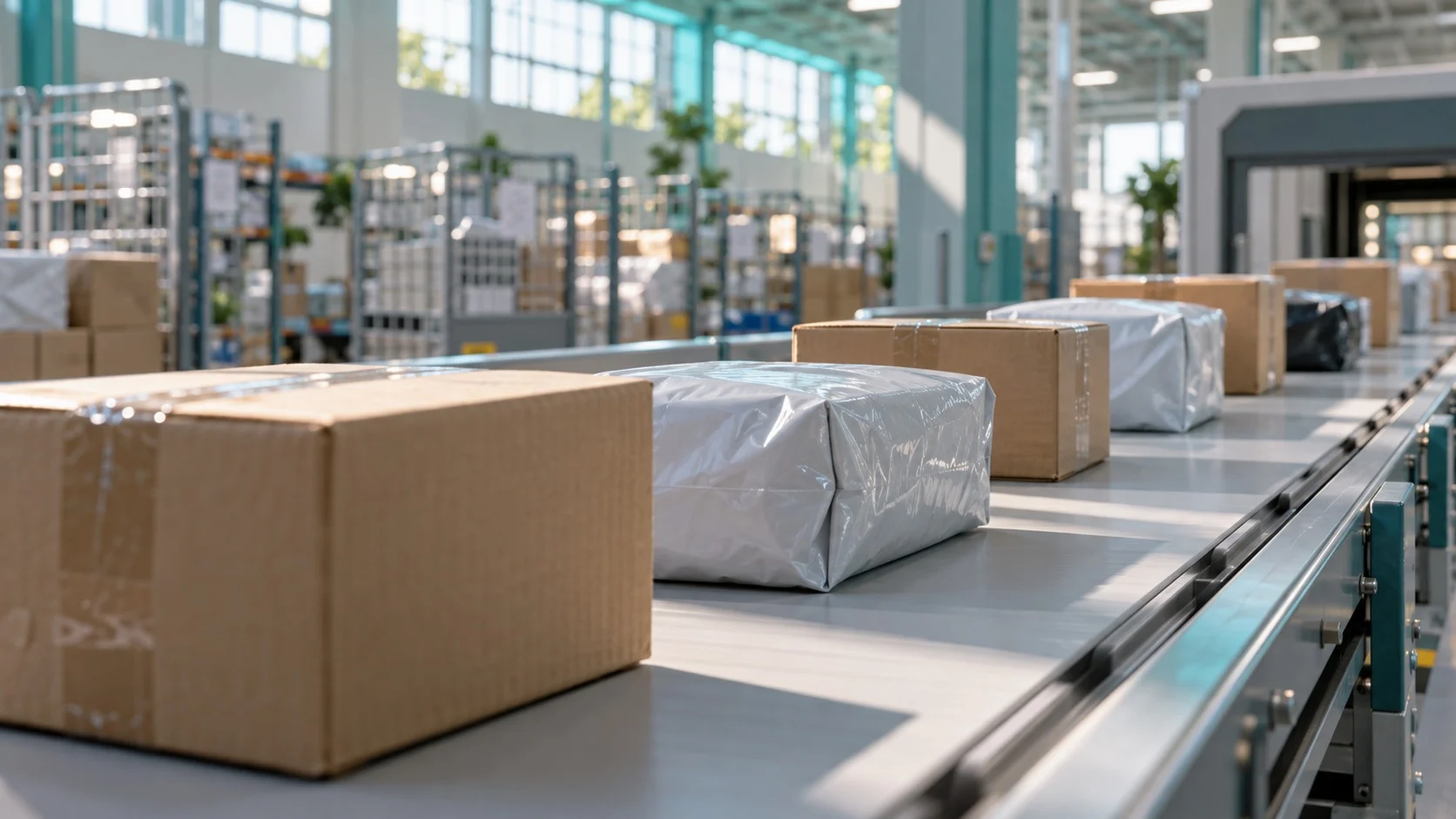
As e-commerce grows, returns clearly grow along with it. The more convenient it becomes to try things on at home before deciding, the more often people “receive it first and send it back.” Slow or inconvenient returns handling does more than inflate costs; it directly affects how much customers trust the brand. Conversely, smooth pickups and clear guidance can leave customers with a reason to buy again.
Environmental concerns and regulation push in the same direction. Diverting usable goods to reuse, remanufacturing, or recycling instead of throwing them straight away is the logistics side of the circular economy. For companies, it is also a way to cut disposal costs and raw-material waste. But it doesn’t end with the word “eco-friendly.” It has to be backed by practical work: shortening the distance things travel back, speeding up inspection, and separating what still has value from what doesn’t.
In short, reverse logistics is both a cost center and a mechanism that protects the brand and the use of resources. If only the forward flow is carefully designed and the way back is left blank, returns, recalls, and disposal can all turn into trouble at once.
Where Practice Gets Stuck: Irregularity, Inspection, and Value Judgments
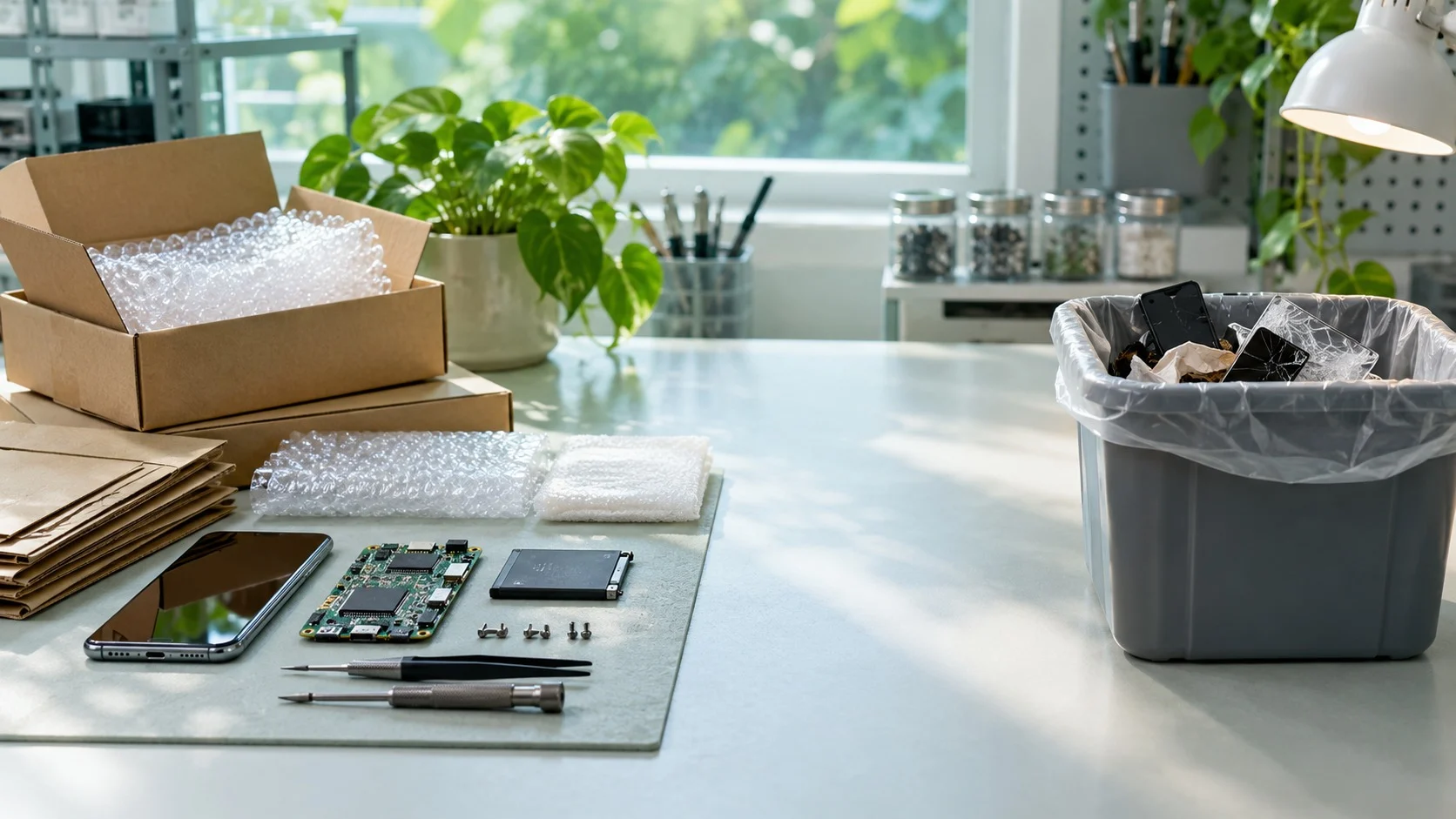
What makes reverse logistics hard lies less in technical jargon than in the nature of the work. Forward flow can be planned to some degree around orders and shipments, but in reverse flow, when, what, and how much will arrive is erratic. Volumes can surge all at once: end-of-season clothing, returns right after a sales event, a sudden recall. Warehouses, staff, and transport sized only for the “usual average” quickly jam.
(1) Inspection costs
Opening each item, then cleaning, repackaging, and grading it, takes a lot of manual work. Even with automation, designing the standards themselves is difficult when product types vary widely.
(2) Value recovery versus disposal
When repair costs exceed the resale price, disposal can look like the rational choice. Discard things too hastily, however, and the value of parts and materials is lost. The “cheap way to clear it out now” often clashes with the “choice that saves money in the long run.”
(3) Blurred information and responsibility
Who pays return shipping, which warehouse items go to, when they are moved back into resellable stock: if the rules aren’t as tight as in forward logistics, the people on the floor have to decide anew every time.
So good reverse logistics is not just “a counter that accepts returns”; it is closer to a design that sets inspection standards, disposition rules, and collection routes in advance. Only when the way back is recognized as part of logistics do cost, trust, and resource use line up together.
Reverse logistics is logistics in which products and packaging travel back from the point of consumption toward collection, reuse, remanufacturing, recycling, or disposal. It includes not only returns but also recalls and packaging recovery, and it runs on the flow of collection, inspection, and disposition. Within e-commerce and the circular economy, its weight keeps growing.
Don’t polish only the way out; design the rules for the way back as well. That is the first step to understanding reverse logistics.