Imagine a wide pasture in the middle of a village where anyone can graze cattle. If you put out one more cow, all the benefit is yours, but the loss from the shrinking grass is shared by everyone in the village. In that case, anyone would want to put out one more cow.
The phenomenon in which a resource used in common by many people is ultimately ruined so that no one can use it, because each person uses it only in their own interest, is called the ‘tragedy of the commons.’
In this article, we will look in turn at what the tragedy of the commons is, why it happens, where it has actually occurred, and what methods have been discussed to prevent it.
Understanding the Tragedy of the Commons
The Story of Everyone's Disappearing Pasture
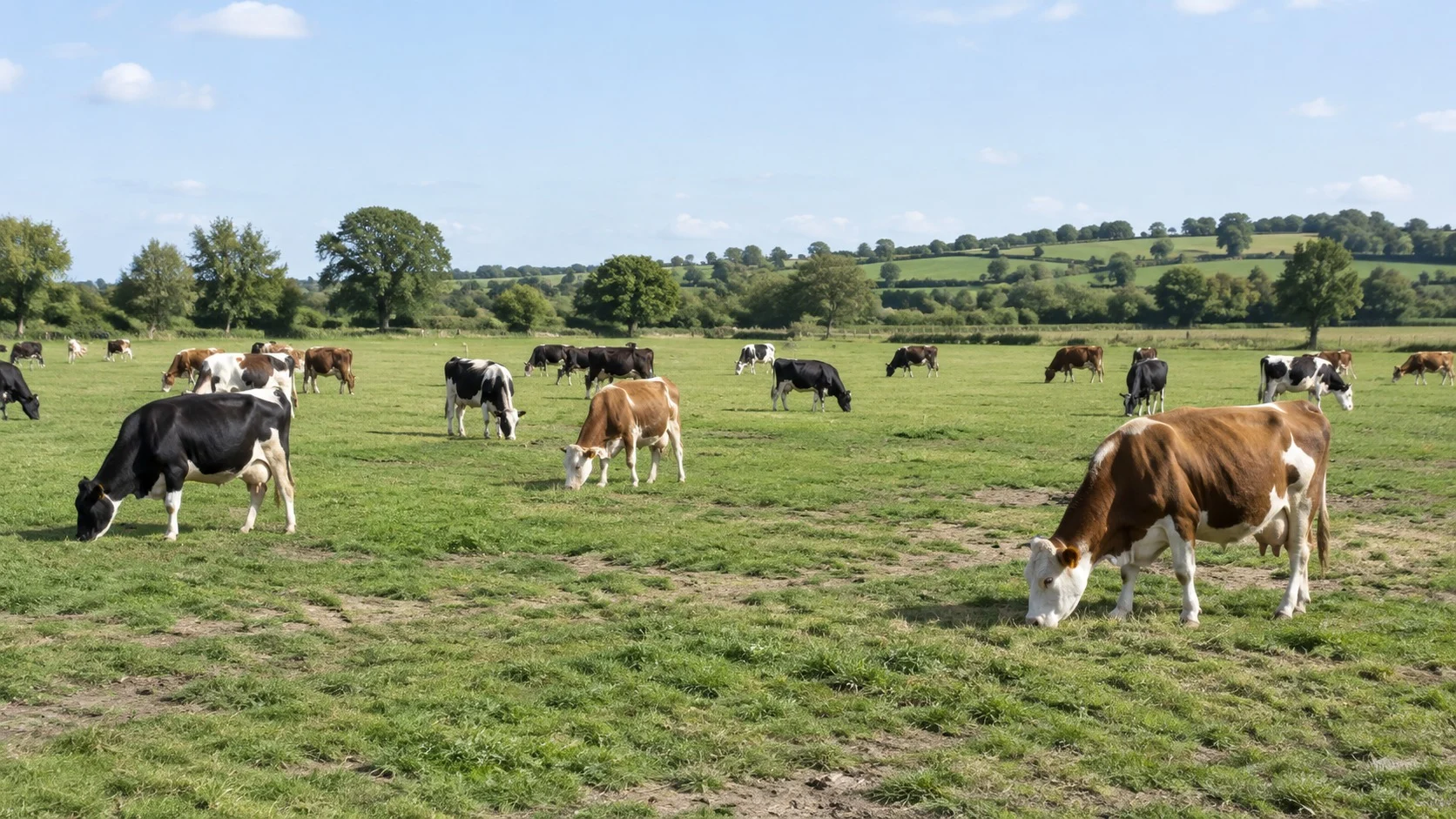
The term tragedy of the commons became widely known through an essay published in 1968 in the journal Science by the American biologist Garrett Hardin. Hardin explained the concept by borrowing the story of a common pasture introduced in 1833 by William Forster Lloyd of England.
The herders in the story all act rationally. If one adds another cow, the profit from selling it is entirely his own, while the cost of damage to the pasture is shared among many herders. So each keeps adding cattle, until at last the pasture becomes bare ground that no one can use.
Here, ‘tragedy’ does not mean a misfortune caused by someone's wickedness. It means that choices each person calculated cleverly add up and lead inescapably to a bad result. This idea existed long ago, too: Aristotle said that what is held in common by the greatest number receives the least care.
Why Are Shared Resources So Easily Ruined?
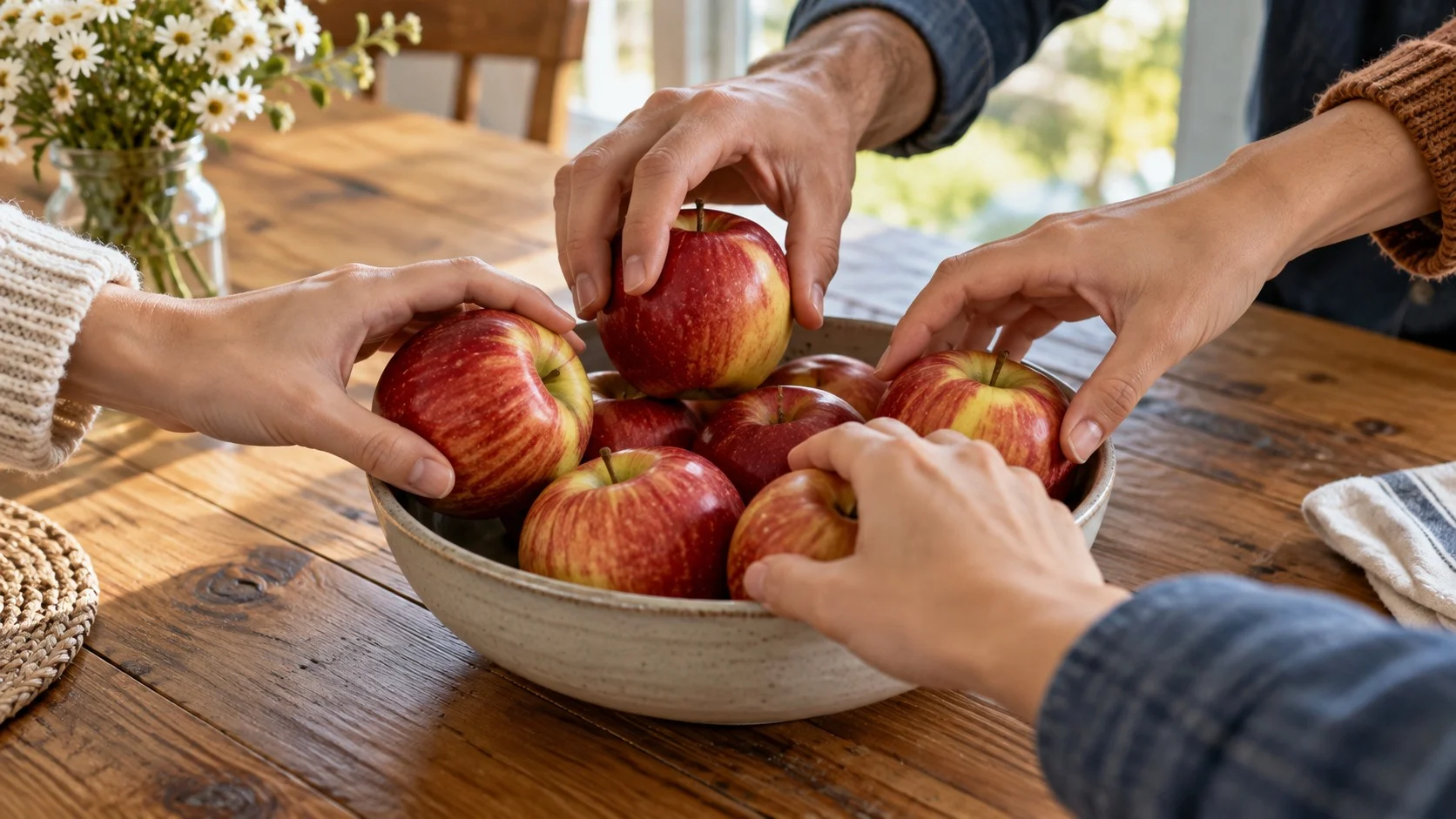
Economics describes the characteristics of resources prone to the tragedy of the commons as follows.
(1) Use that is hard to prevent
Anyone can come in and use it, so it is hard to prevent particular people from using it.
(2) A resource that diminishes
The more one person uses, the less is left for others to use.
(3) Costs that are spread out
The benefit goes to the person who used it, but the loss is spread a little at a time across everyone.
In economics, such resources are called ‘common-pool resources.’ Fish in the sea, groundwater, and clean air are typical examples.
By contrast, this rarely happens on land with a clear owner, such as a front yard. The owner watches how fast the grass grows to adjust the number of cattle, and bears the full loss if the land is ruined. In the end, the problem lies not in the resource itself but in a way of using it for which no one takes responsibility.
On top of this comes the thought, ‘What difference does one person make?’ Because people reckon that if they use the resource sparingly while others use it freely, they alone lose out, a race begins to grab more first.
The Tragedy of the Commons Around Us
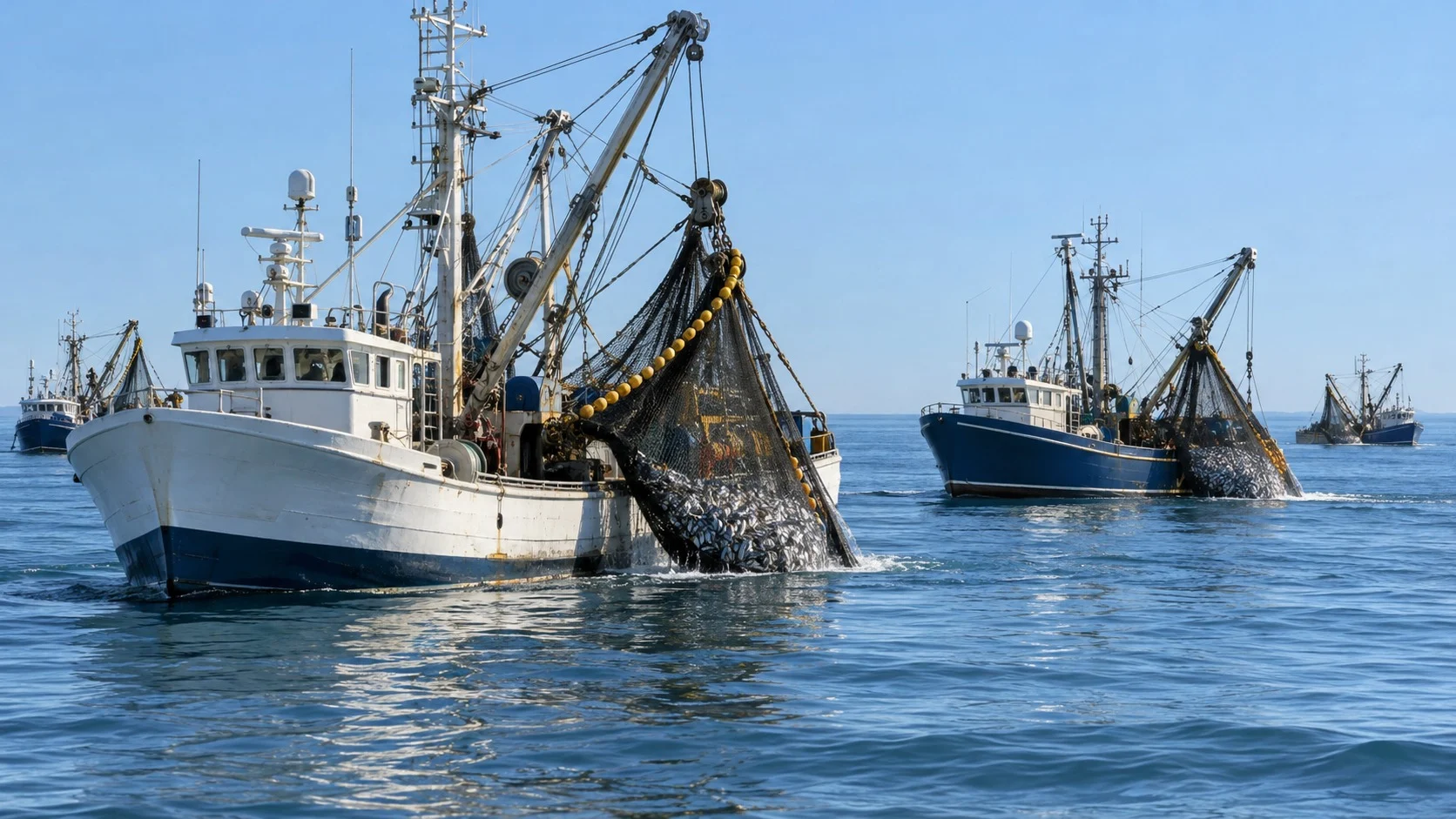
The best-known example is the sea. The Grand Banks off Newfoundland, Canada, was for a long time a fishing ground teeming with cod, but as large fishing vessels raced to catch them, cod numbers fell sharply. In the end, the Canadian government imposed a halt to cod fishing in 1992, and many fishers lost their jobs as a result.
Air pollution and climate change show the same structure. Because the cost of pollutants emitted by factories and cars is borne by the whole planet together, each country and company has little incentive to cut its own emissions.
Examples are easy to find in daily life, too. Using a shared meeting room without tidying up, leaving food in a shared refrigerator for a long time, or leaving trash in a park can all be called small tragedies of the commons.
Something similar happens on the internet. When many people download large files over public Wi-Fi at once, everyone's speed slows down, and when a board where anyone can post fills up with ads, it becomes hard to find the information you actually need. The same principle works wherever a space is shared.
Ways to Prevent the Tragedy
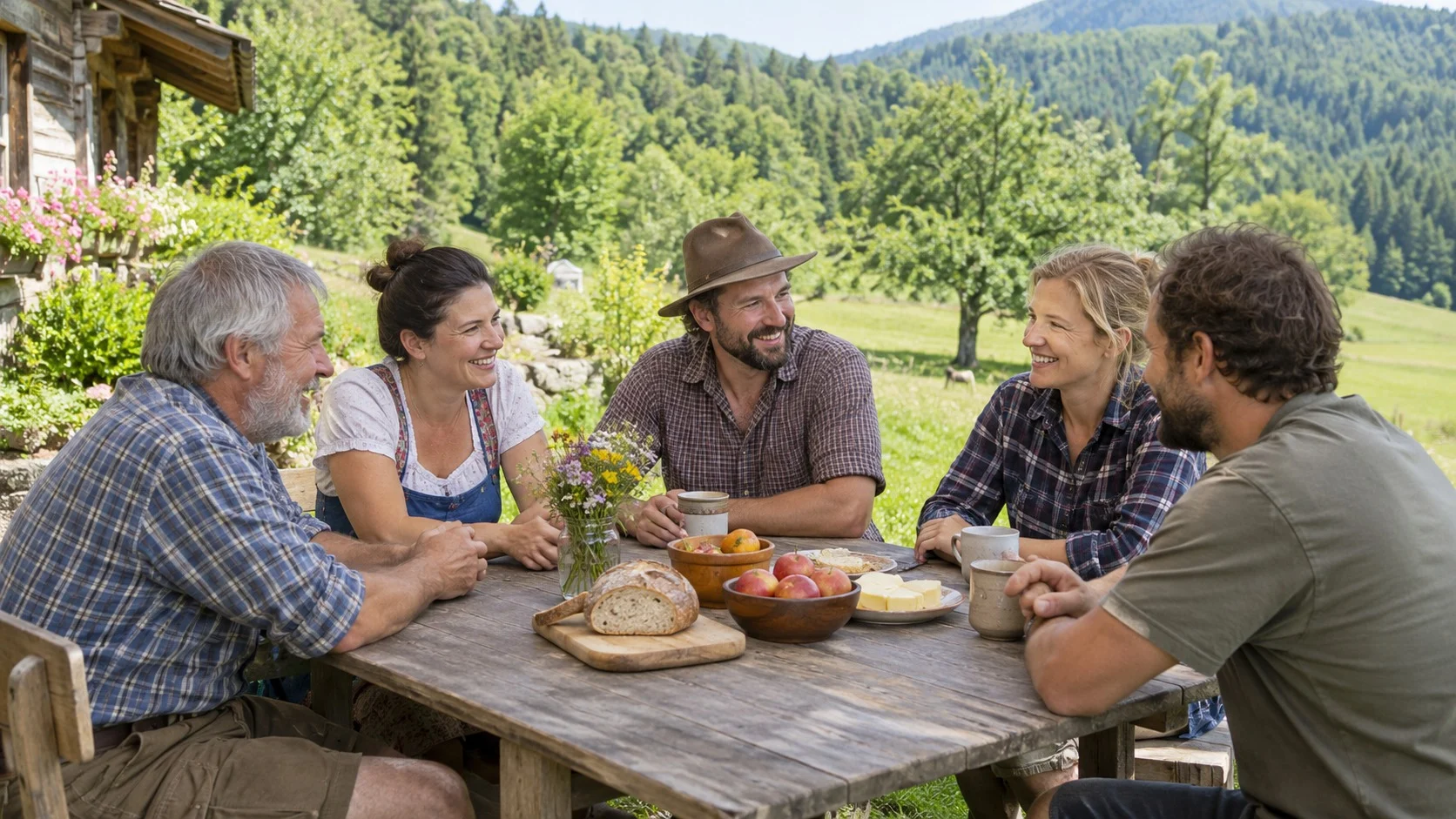
Hardin believed that solving this problem required either government regulation of use or dividing up the resource into individual property. In fact, many countries respond to the problem by setting catch limits or by letting the right to emit pollutants be bought and sold.
But research emerged showing there is another way. The American political economist Elinor Ostrom, in Governing the Commons (1990), presented cases from many parts of the world in which local people made their own rules and protected pastures, forests, fisheries, and groundwater well for a long time. For this research, Ostrom received the Nobel Prize in Economics in 2009, the first woman to do so.
The successful communities Ostrom found had several things in common.
- Clearly defined boundaries: Who can use the resource is clearly set.
- Collective-choice arrangements: The people who use the resource take part in making the rules.
- Monitoring: Members watch together to see that the rules are kept.
- Graduated sanctions: Breaking the rules brings penalties that start light and grow heavier step by step.
In the end, the key is whether there is trust and commitment among the people using the resource. When they can trust one another, people choose the path of sharing for the long term over immediate gain.
The tragedy of the commons is a concept that shows how individuals' rational choices can harm everyone. Knowing it gives you a deeper understanding of the conflicts and policies surrounding shared resources such as the sea, forests, and air.
Weighing my own interest together with everyone's: that is the first step of the wisdom that protects shared resources for the long run.