
Sometimes when the price of a luxury handbag goes up, the line outside the store actually gets longer, and when the price is cut, its popularity fades. Ordinary goods should sell less as their prices rise, but some goods move in exactly the opposite direction. Economists call this strange phenomenon the Veblen effect.
Put simply, the Veblen effect is ‘the phenomenon in which demand actually increases as prices rise, because of the desire to show off.’ It is a kind of consumption in which the very fact that something is expensive, rather than its usefulness, becomes its value.
This article explains, in easy-to-understand terms, what the Veblen effect means and where it comes from, how it differs from the law of demand, similar consumption effects, and everyday examples and limitations.
How the Veblen Effect Works, with Examples
Strange Goods That Sell Better the Pricier They Get
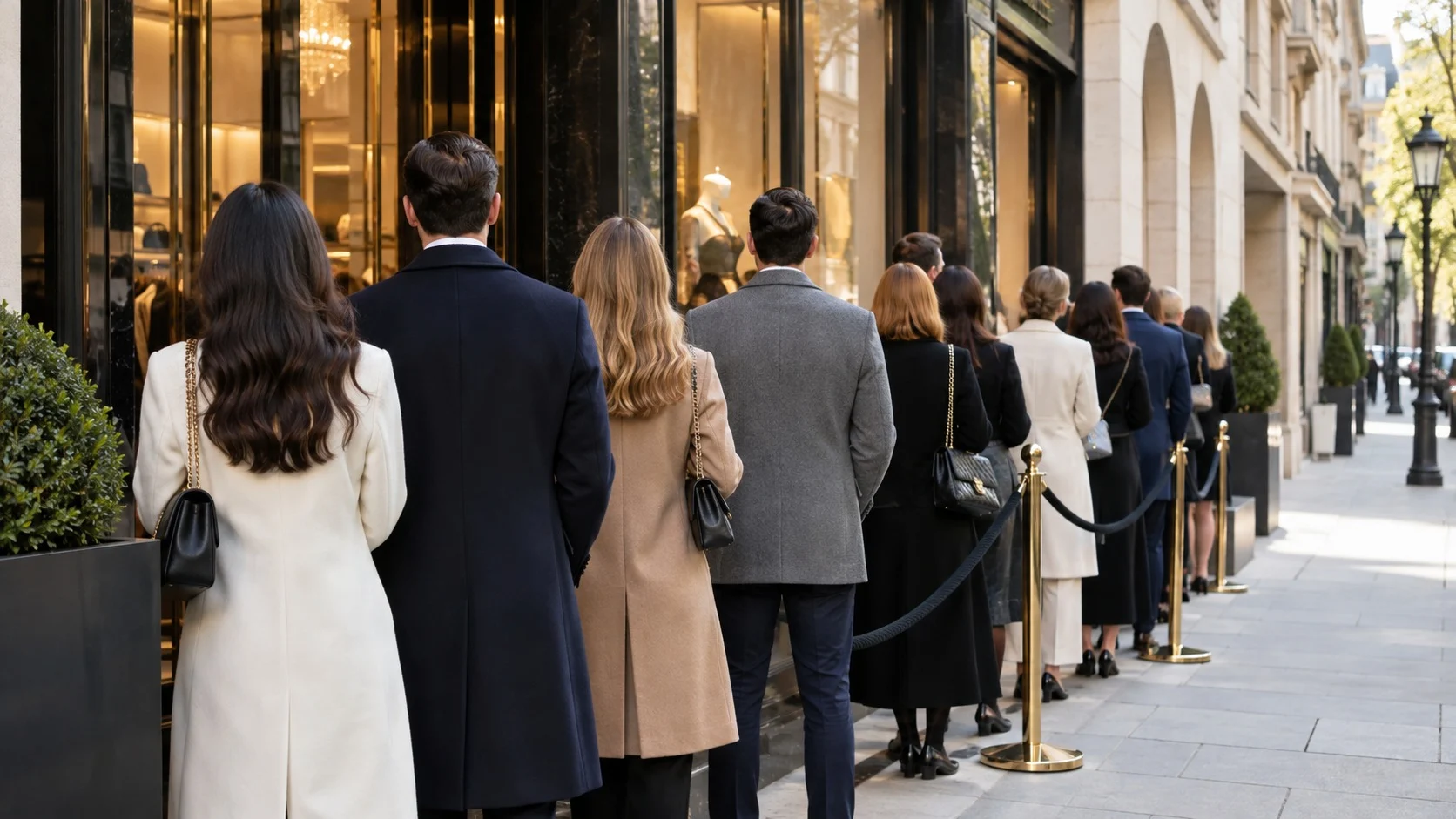
According to the law of demand, a basic principle of economics, when the price rises, other things being equal, the quantity people want to buy falls. That is why the demand curve usually slopes down to the right.
Goods that show the Veblen effect, however, seem to defy this law. When their price goes up, the impression that they are ‘not something just anyone can have’ grows stronger, and that impression itself becomes a reason to buy. Such goods are often called ‘Veblen goods.’
- Normal goods: When the price rises, demand falls.
- Veblen goods: When the price rises, their show-off value grows, and demand can increase.
The key point here is that what consumers buy is not just the item's function. The status and standing that a high price tag signals are, in effect, sold along with the product as part of it.
That is why companies selling Veblen goods treat discounts with caution. Lowering the price lets more people buy, but for that very reason the value of being ‘not something just anyone can have’ can collapse. This is also why some luxury brands do not sell unsold stock at a discount.
Thorstein Veblen and Conspicuous Consumption
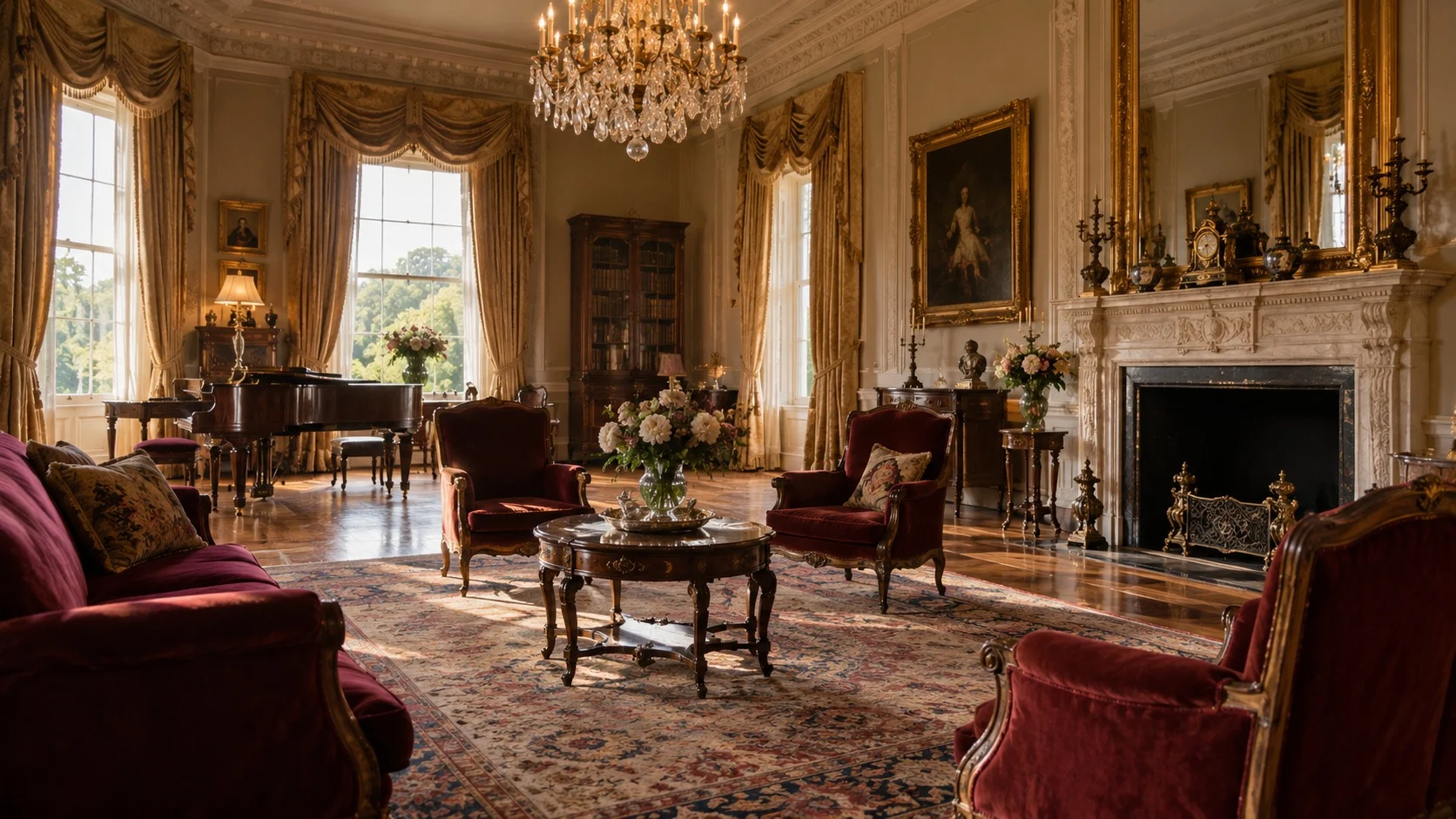
The name comes from the American economist and sociologist Thorstein Veblen. In The Theory of the Leisure Class (1899), he sharply analyzed how the wealthy spend money to be seen by others rather than for usefulness.
Veblen called this ‘conspicuous consumption.’ Lavish mansions, expensive clothes, and the leisure of not having to work were all signals that said, ‘This is how well off I am.’ To him, consumption was both a way of meeting needs and a competition to display social status.
Veblen believed this competition spreads from the top down. The classes below imitate the consumption habits of the upper class, and the upper class then tries to set itself apart through yet another expensive way of consuming. More than a century later, this explanation is still often used as a framework for understanding fashion and luxury.
Later, in 1950, the economist Harvey Leibenstein, in organizing how other people's consumption affects one's own demand, formalized the change in demand caused by the desire to show off under the name ‘Veblen effect.’ The term used today took hold from this work.
The Bandwagon Effect and the Snob Effect
Leibenstein described two other effects alongside the Veblen effect. All three share the feature that ‘what others buy’ changes our own choices.
- Bandwagon effect: Many people are buying it, so I buy it too. This is consumption that follows trends.
- Snob effect: When many people start buying something, I actually lose interest. This is consumption driven by the wish to be different from others.
- Veblen effect: The pricier something is, the more I want to buy it. The price itself is a means of showing off.
The difference is that while the bandwagon and snob effects respond to ‘the number of people,’ the Veblen effect responds to ‘price.’ There is also another exception in which demand rises as the price goes up, the Giffen good, but Giffen goods arise because poor consumers cannot afford anything else, so the cause is the exact opposite.
The Veblen Effect in Everyday Life and Its Limits
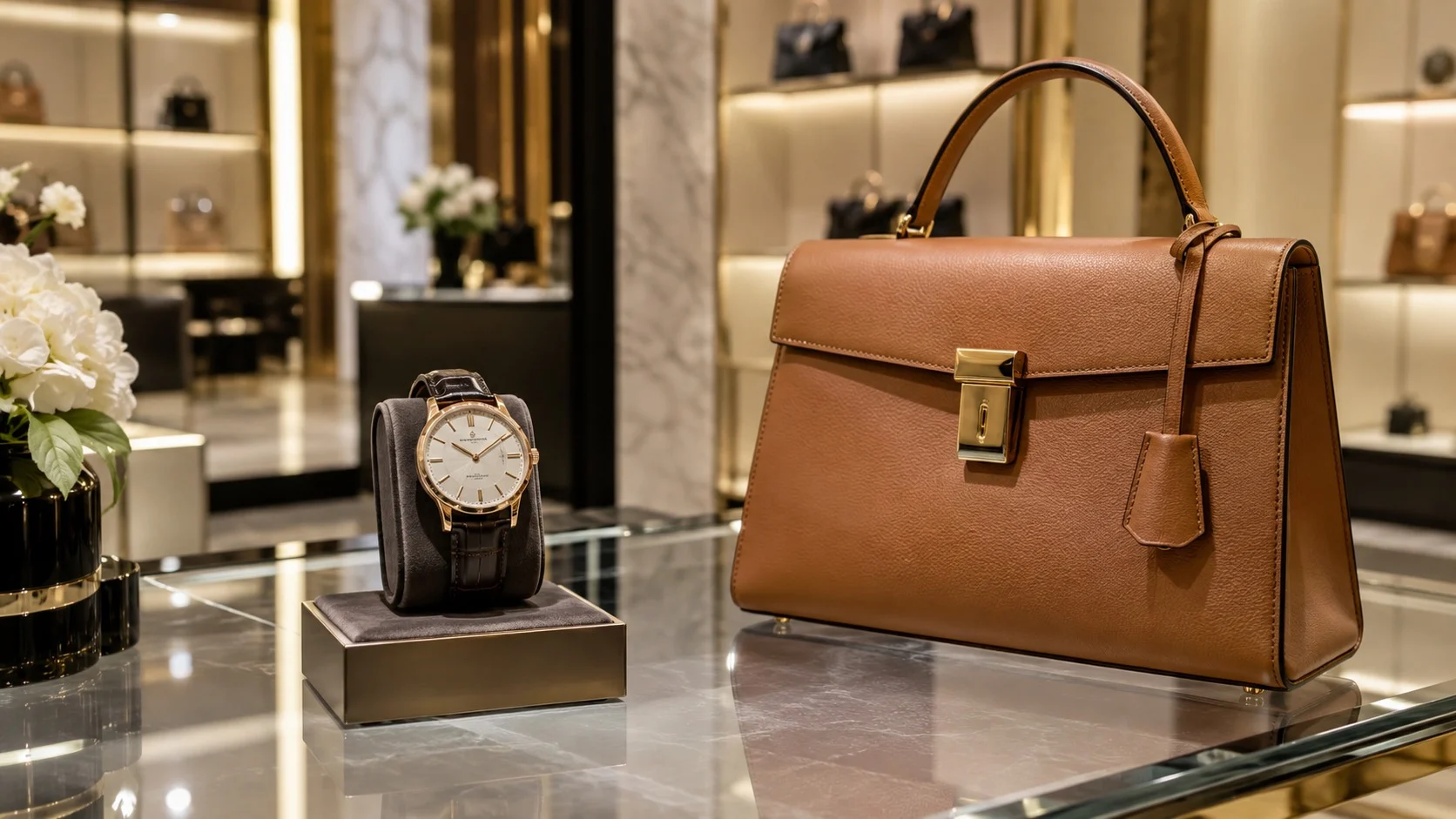
The Veblen effect is easier to find close at hand than you might think.
- Luxury brands: Demand that continues even though prices go up every year is cited as a typical example.
- Luxury watches and cars: Brand and scarcity often determine the price more than differences in performance.
- Limited editions: Deliberately reducing quantities and raising prices creates the value that ‘few people own one.’
The Veblen effect does not go on forever, however. If prices rise too high, the number of people who can buy eventually shrinks, and when the economy turns bad, conspicuous consumption is often the first to pull back. In actual research, other motives, such as expectations about quality or investment purposes, are also mixed in, so it is considered difficult to isolate a pure Veblen effect.
These days, social media has widened the stage for showing off, and consumption that displays not only expensive items but also experiences such as fine dining and travel is discussed in the same context.
The Veblen effect shows that people buy not just things but the meaning those things carry. If we can read the desire hidden behind the price tag, our wallets may become a little sturdier too.
Asking why you buy rather than what you buy: that is the first step toward wise consumption.