
If your wallet held both a worn, crumpled bill and a crisp, freshly printed one, which would you pull out first to pay for something? Most people hand over the old bill first and save the new one, even though both are worth exactly the same.
When this small habit grows to the scale of an entire country, something very interesting happens. Only money of lower worth keeps circulating in the market, while money of higher worth hides away in wardrobes, gets melted down, or flows out of the country. In economics, this phenomenon is called “Gresham's Law.” It is commonly summed up in the saying “bad money drives out good,” meaning that bad money pushes good money out of circulation.
This article lays out Gresham's Law in an easy-to-follow way, from its meaning and the origin of its name to the conditions under which it works, examples from history, and perspectives for reading the law today.
The Principle of Gresham's Law and What It Means Today
What Is Gresham's Law?

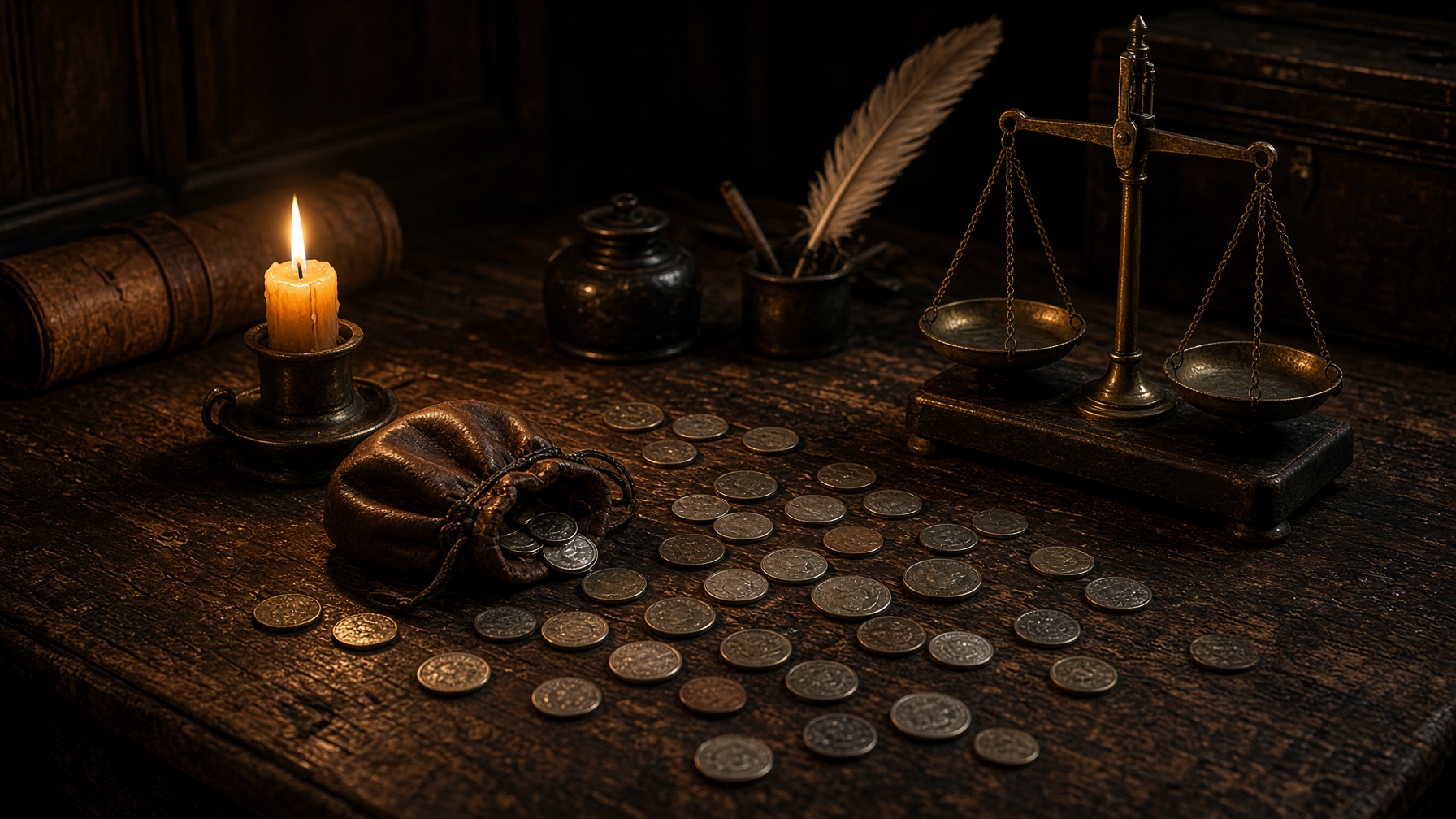
Gresham's Law refers to the phenomenon in which, when two kinds of money with the same legally fixed face value but different real values are used side by side, only the money with the lower real value circulates and the money with the higher real value disappears from the market.
- Good money: Money with a high gold or silver content, whose real value is greater than or equal to its face value.
- Bad money: Money whose precious-metal content has been reduced or clipped away, so that its real value is lower than its face value.
- Crowding out: Good money being pushed out of circulation while bad money is used in transactions.
The name comes from Thomas Gresham, a 16th-century English merchant and financial adviser to the Crown. He is said to have alerted Elizabeth I to the problem of poor-quality coins driving out good ones. However, the name “Gresham's Law” was coined long after his death, in 1858, by the Scottish economist Henry Dunning Macleod.
Similar ideas are far older than that. In the 5th century BC, the Greek playwright Aristophanes, in his comedy The Frogs, mocked the Athenians for setting aside good old coins and using poor-quality new ones, and Nicole Oresme in the 14th century and Nicolaus Copernicus in the 16th century also pointed out that when the quality of money declines, good money disappears.
How Bad Money Drives Out Good Money
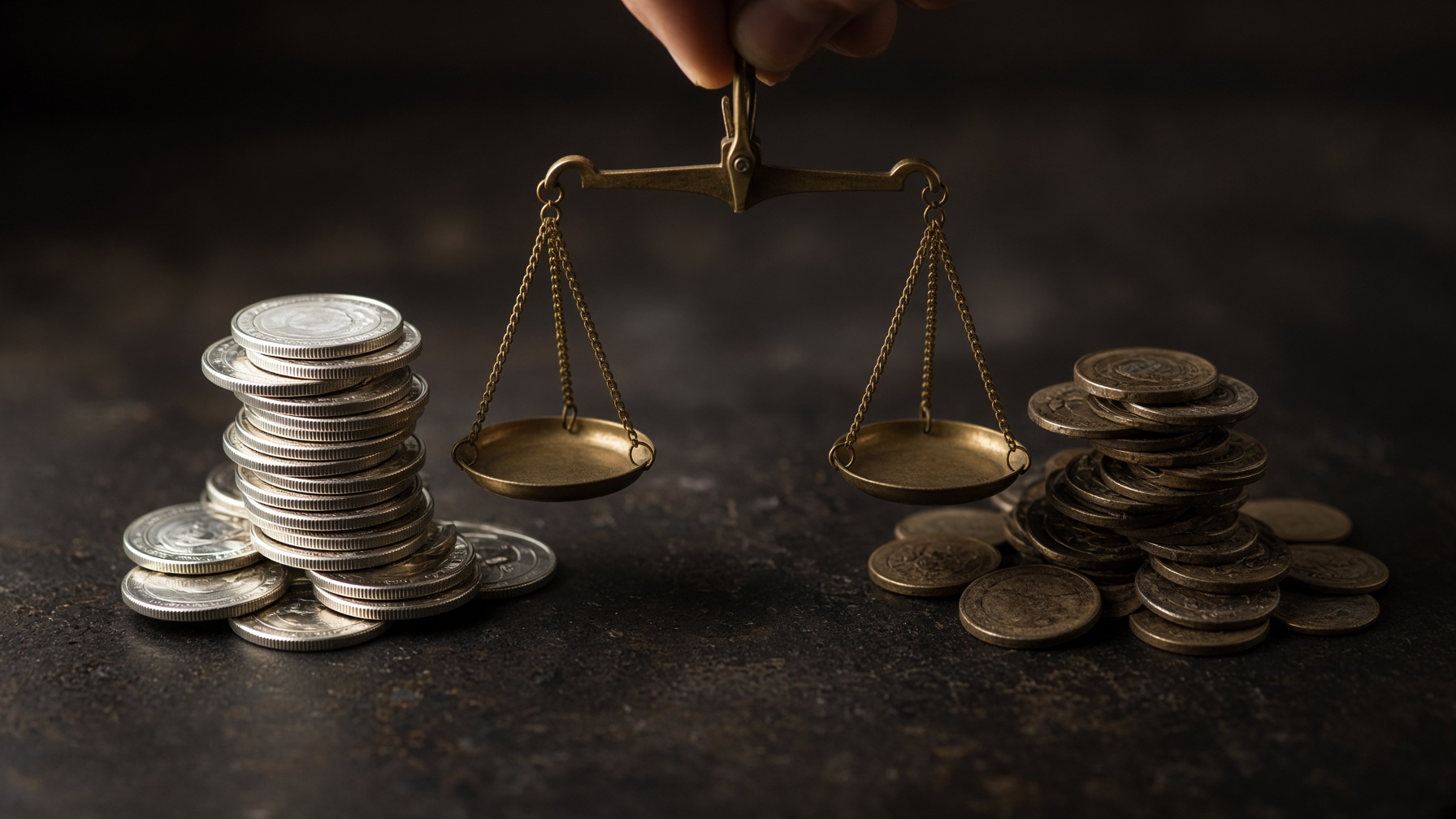
Gresham's Law arises from a perfectly rational choice: people trying to avoid a loss. It does not happen at just any time, however; it appears when a few conditions line up.
(1) The law enforces the same value
If the state rules that both kinds of money must be accepted at the same face value, merchants cannot refuse poor-quality money. The legal tender system is the starting point of the law.
(2) Good money has other uses
Gold and silver coins can be melted down and sold as metal, and abroad they are valued by weight. So rather than spending good money at face value, it pays to hoard it or melt it down.
(3) People spend bad money first
When the value is the same, everyone pays with bad money and keeps the good money. As these choices pile up, only bad money is left in the market.
Conversely, if the market can freely set the exchange rate between the two kinds of money, the story changes, because merchants can refuse bad money or demand more of it. Just as people in countries with runaway inflation seek out dollars instead of their own currency, in this case good money can actually drive out bad money.
Gresham's Law in History

Gresham's Law has not stayed a theory in books; it has actually appeared across many eras.
In the 1540s, Henry VIII of England sharply reduced the proportion of silver in silver coins to raise money for war. During this so-called “Great Debasement,” people stopped using the old good silver coins and hid them away, and only poor-quality coins circulated in the market. The currency reform under Elizabeth I was an effort to correct this confusion.
In the United States, the Coinage Act of 1965 removed silver from dimes and quarters. Within a few years, the older coins that contained silver all but vanished from transactions, because people picked out the silver coins and set them aside.
[Case Points]
- Coin clipping: Coins whose gold or silver edges had been secretly shaved off went into circulation
- Reeded edges: The ridges on the edges of coins were also a device to prevent clipping
- Bimetallism: When the legal ratio diverged from the market, coins of one metal disappeared
- Collecting silver coins: Old coins with a high silver content were the first to disappear from everyday use
Four Perspectives for Reading Gresham's Law Today
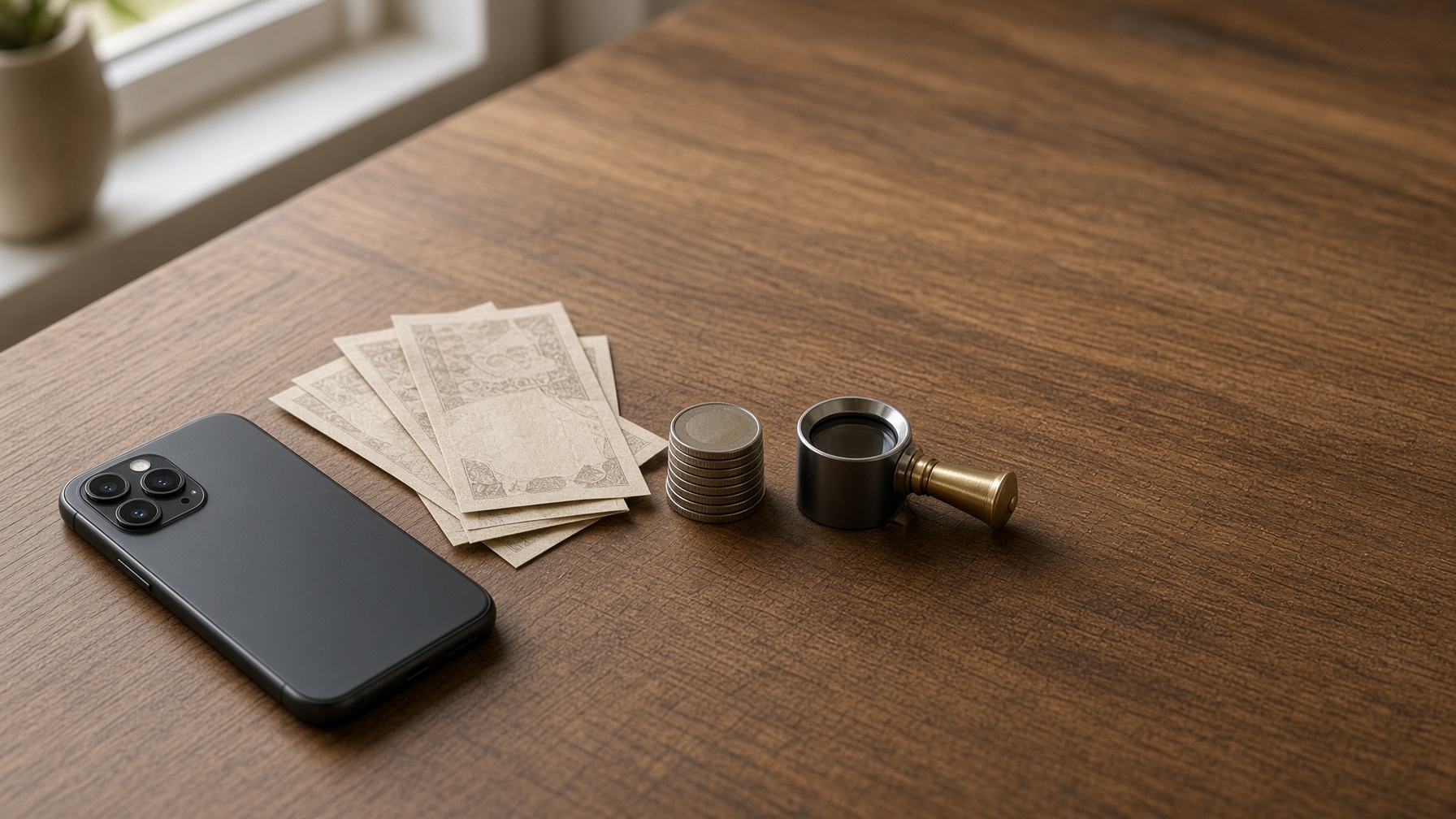
Today we trade with paper money and digital numbers instead of gold and silver coins. Even so, Gresham's Law is still used as a metaphor in many fields.
(1) See it as a matter of trust in money
The value of money ultimately depends on trust. If a government carelessly lowers the value of its currency, people avoid that money and look for other assets or foreign currencies.
(2) Connect it to information asymmetry
In his 1970 paper on the “market for lemons,” the economist George Akerlof also mentioned Gresham's Law. In a used-car market where quality cannot be told apart, bad cars easily drive out good ones.
(3) Apply it to organizations and culture
In an organization where sloppy work is rewarded just the same, conscientious people are the first to leave, and where sensational information is treated the same as everything else, carefully crafted content is easily buried.
(4) Change the conditions and the outcome changes
If there are mechanisms that properly tell value apart and set prices honestly, good things survive. The law is not an inescapable fate but a result created by institutions.
In the end, Gresham's Law is a story about money and, at the same time, a story about human choices. The moment good and bad things are given the same price, people hold on to the good and put out the bad first.
Building a structure in which good things are valued at their true worth is the first step toward keeping bad money from driving out good money.