Suppose you went to the doctor because you felt unwell, and instead of medicine, the doctor recommended a neighborhood gardening group or a choir. How would you feel? It may sound a little strange, but in health care in many countries, prescriptions like this are gradually increasing. That is because loneliness or difficulties in daily life are often hidden behind physical symptoms.
In social welfare studies, this approach of connecting people met in health care settings to community activities and services in order to improve their health and quality of life is called ‘social prescribing.’ The idea is to tackle problems that medicine and treatment alone cannot solve by drawing together on the strength of people and relationships.
This article explains, in easy-to-understand terms, what social prescribing is and how it emerged, how a prescription is made, what activities are actually prescribed, and the expected benefits and remaining challenges.
Understanding Social Prescribing
What Is Social Prescribing?

Social prescribing is an activity in which health professionals such as doctors or nurses listen to patients, look together at the social problems affecting their health, and then connect them to suitable local resources. What is prescribed here is not pills but activities between people, such as groups, exercise, counseling, and volunteering.
This approach starts from the idea that health is not made only inside hospitals. The conditions surrounding our lives, such as income, housing, work, and relationships with others, are called the social determinants of health, and social prescribing is an attempt to address exactly these conditions.
So social prescribing does not replace medical care; it complements it. While people continue to receive the treatment they need, it acts as a bridge that helps them regain strength in their daily lives and among their neighbors.
Why Did Social Prescribing Emerge?
Several trends overlapped to bring social prescribing into the spotlight.
(1) Rising loneliness and isolation
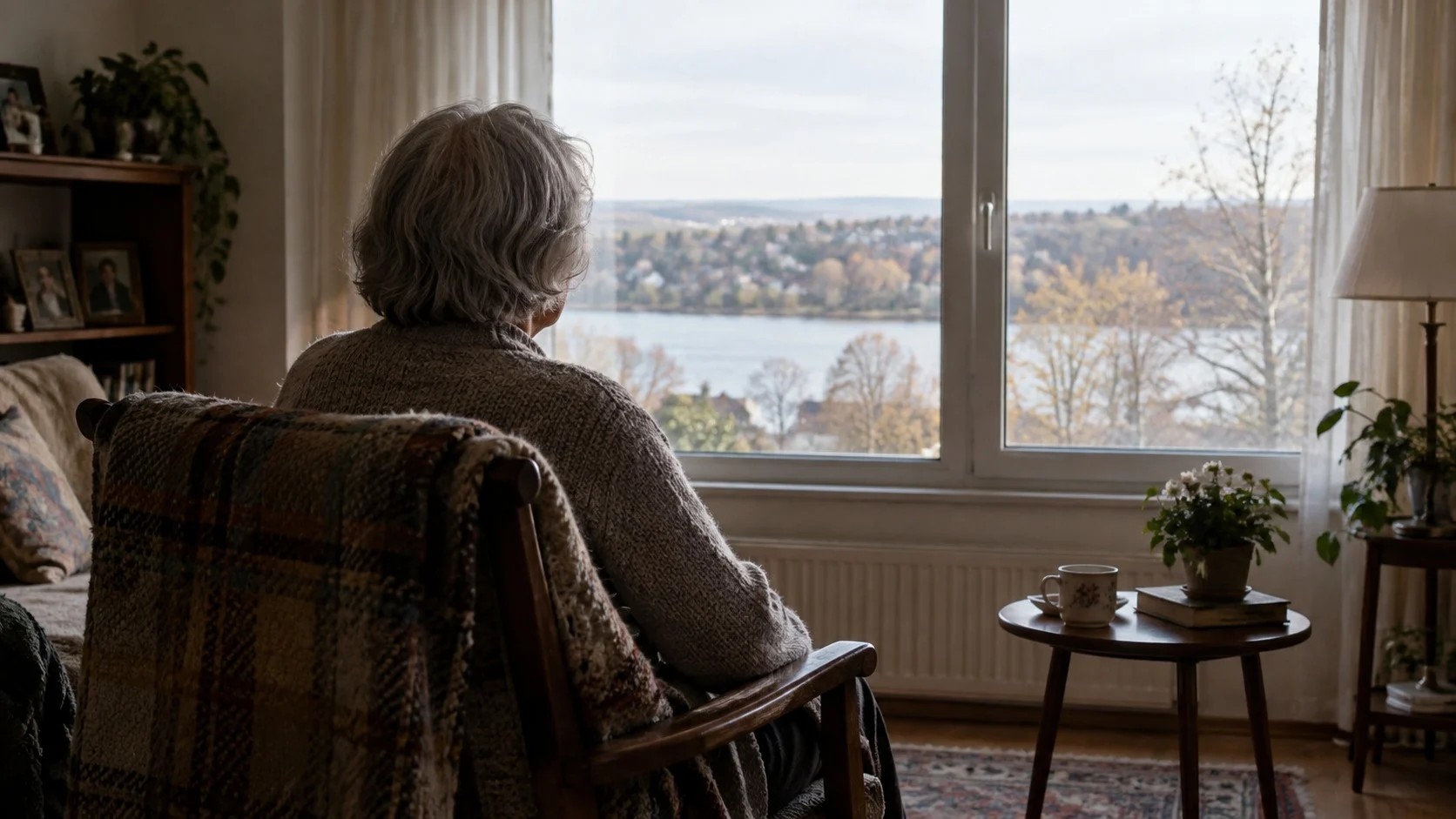
As the number of people living alone and the older population grew, social isolation emerged as a problem that harms health. The United Kingdom took the issue seriously enough to appoint a minister responsible for loneliness in 2018.
(2) A change in why people visit the doctor often
In primary care, it has repeatedly been pointed out that quite a few people visit the doctor because of difficulties in daily life or emotional problems rather than for medical treatment.
(3) Chronic illness and mental health problems
For conditions that need long-term management, or for low mood, medicine alone has its limits, so ways of changing lifestyle habits and relationships together became necessary.
Against this background, the UK's National Health Service (NHS) included social prescribing in its 2019 Long Term Plan and began placing dedicated staff for it in primary care.
How Is a Prescription Made?
Social prescribing usually goes through several stages. First, a professional such as a doctor, nurse, or social worker notices, during a consultation, someone who seems to need social support and suggests a referral.
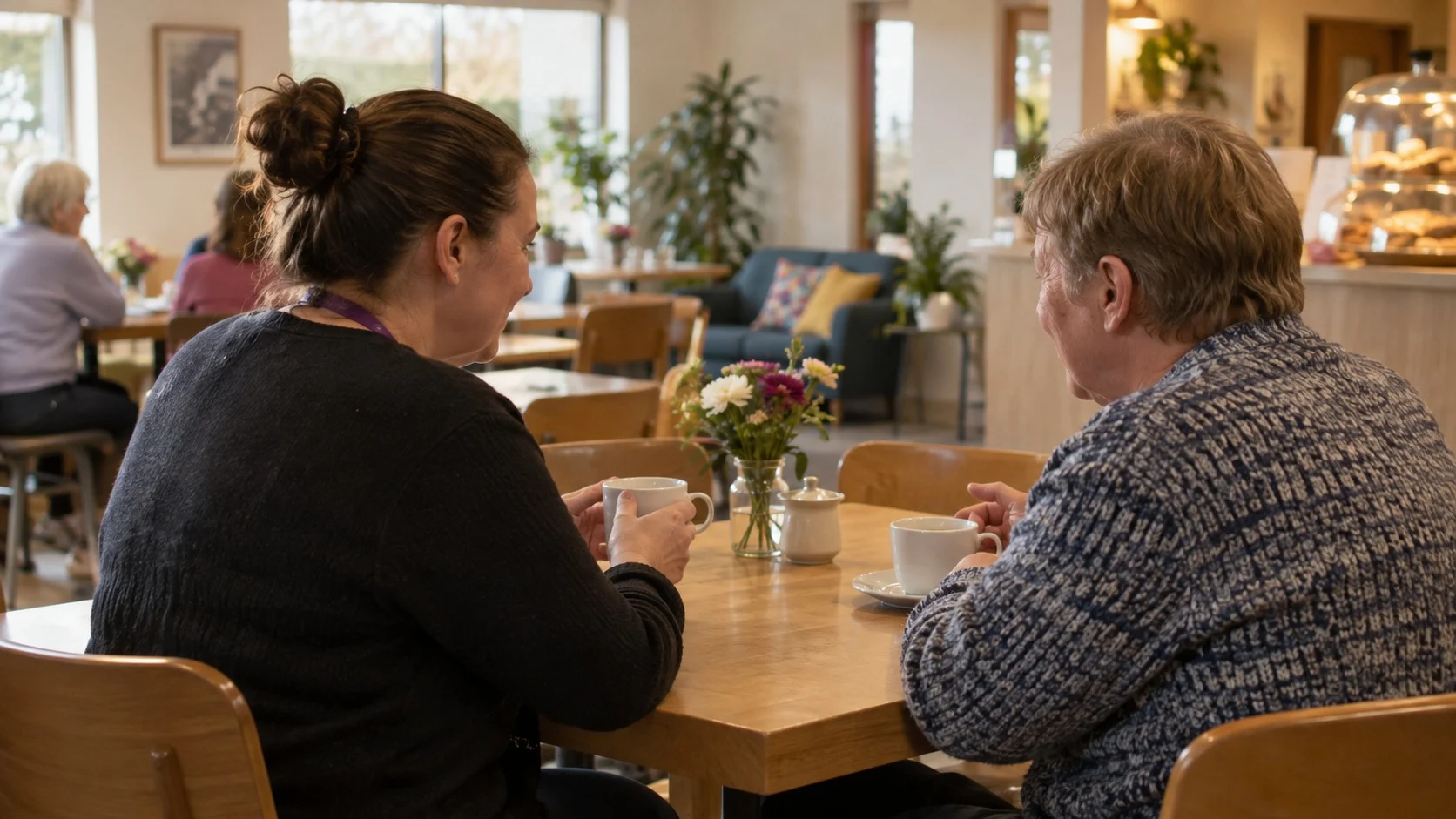
Next comes the person who plays the key role: the link worker. The link worker takes plenty of time to talk with each person, working out together what matters to them, what they enjoy, and what is standing in their way. The important question here is closer to ‘What matters to you?’ than ‘Where does it hurt?’
Based on the goals identified this way, the link worker chooses suitable local organizations, groups, or public services and connects the person to them. For people who find it hard to take part at first, the link worker may go along with them or get back in touch to help them settle in. Rather than handing over a fixed answer, it is a process of standing by people to help them keep up activities they have chosen for themselves.
What Activities Are Prescribed?
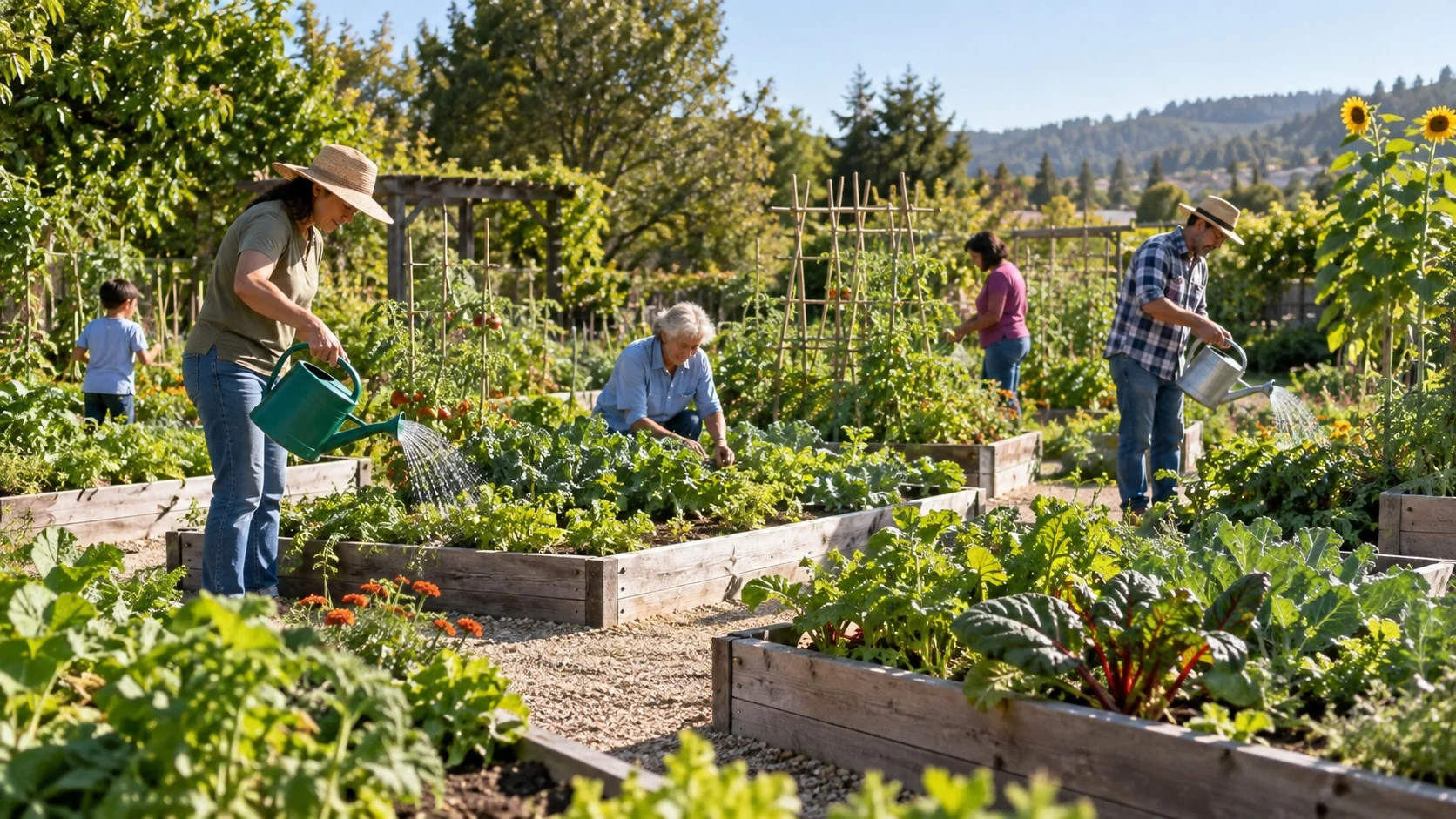
The activities people are connected to through social prescribing vary by area, but they can generally be divided into the following categories.
- Arts on prescription: Activities for creating and expressing things together, such as painting, music, choir, and craft groups.
- Green prescribing: Activities that get people moving in nature, such as gardening, forest walks, and park maintenance.
- Exercise on prescription: Helps people stay physically active through walking groups or programs at local sports facilities.
- Practical support: Help that lightens the burdens of daily life, such as debt and housing advice, job information, and care services.
What these activities have in common is that they bring people back into contact with their neighbors. Simply having a place to share problems they had been bearing alone lightens their hearts and gives them strength to carry on with life.
Research suggests that social prescribing can reduce loneliness and low mood and increase life satisfaction, but there are also criticisms that methods for measuring its effects precisely are still lacking. Another limitation is that if the local organizations that receive referrals are not well established, there is nowhere to connect people to. In the end, for social prescribing to take root, health care, social welfare, and local communities must join hands.
Social prescribing is a warm perspective that sees suffering not just as a problem of the body but looks at a person's whole life. When curing illness meets reconnecting people, health can last longer.
Reconnecting people with people: that is the first step of healing toward regaining a healthy life.