Chemical catalysts are essential substances for accelerating chemical reactions or optimizing reaction conditions. Catalysts can maximize reaction efficiency without being consumed during the reaction, giving them an important role in addressing various industrial and environmental problems.
Beginning with the basic concepts and operating mechanisms of chemical catalysts, this resource will examine catalyst types, their major applications, and the importance of catalyst research in modern science in depth.
Basic Concepts and Operating Mechanisms of Chemical Catalysts

The Concept of Chemical Catalysts
A chemical catalyst is a substance that helps a chemical reaction occur more easily by lowering its activation energy. Activation energy is the minimum energy needed for a reaction to begin, and catalysts greatly increase reaction rates by lowering this energy. Because catalysts are not consumed during reactions, even a small amount can process a large quantity of reactants.
How Catalysts Work
The primary mechanism by which catalysts work is lowering the activation energy of reactants. This is mainly achieved in two ways. First, catalysts weaken bonds in the reactants, allowing them to react more easily. Second, catalysts provide a new pathway through which the reaction can proceed, helping it occur more efficiently. In these ways, catalysts lower the energy barrier of a reaction and consequently increase its rate.
Catalyst Selectivity
Catalysts have the ability to act selectively on specific reactions. This is determined by factors such as the catalyst's surface structure, active sites, and binding energy. Catalyst selectivity makes it possible to obtain the desired product efficiently and minimize unnecessary side reactions. This property is particularly important in industrial processes and is essential for producing desired compounds in high yields.
Catalyst Stability
Catalyst stability is an important factor that determines long-term usability and economic efficiency. Catalysts must not be altered or consumed during reactions, and their performance must be maintained even when reactions are repeated. Catalyst stability is mainly determined by structural characteristics and materials, allowing catalysts to be reused over multiple reaction cycles.
Sustainable Catalysts
In modern science, research into developing catalysts from renewable resources is actively underway. These catalysts can be made from resources obtained from nature and can also be recycled after reactions. This plays an important role in implementing environmentally friendly processes and serves as an essential element of sustainable development. Developing recyclable catalysts is also regarded as an important challenge for future technological innovation.
Types and Characteristics of Catalysts

Classification of Catalysts
Catalysts are broadly divided into five main types: homogeneous catalysts, heterogeneous catalysts, enzyme catalysts, electrocatalysts, and photocatalysts. These catalysts differ in their characteristics and applications according to their phase relationship with the reactants, reaction mechanisms, and catalyst materials.
Characteristics of Homogeneous Catalysts
Homogeneous catalysts are catalysts that exist in the same phase as the reactants. They are mainly used in the liquid state and can easily mix with reactants, providing very high reaction rates and selectivity. This increases reaction efficiency and is advantageous for precisely synthesizing desired compounds. However, separating and recovering homogeneous catalysts after a reaction is complete can be complex, requiring technologies to manage this efficiently.
Characteristics of Heterogeneous Catalysts
Heterogeneous catalysts are catalysts that exist in a different phase from the reactants. A typical example is a solid catalyst used with gaseous or liquid reactants. Because reactions involving heterogeneous catalysts occur on the catalyst's surface, a larger catalyst surface area leads to a higher reaction rate. Heterogeneous catalysts have the advantage of being easy to separate after a reaction, making them easy to reuse. These characteristics are important factors in improving the economic efficiency of heterogeneous catalysts, particularly in large-scale industrial processes.
Characteristics of Enzyme Catalysts
Enzyme catalysts are biological catalysts, primarily composed of proteins, with very high selectivity and efficiency. Enzymes make specific biochemical reactions proceed very rapidly and promote various reactions within living organisms. Enzyme catalysts are mainly used in pharmaceutical manufacturing, biotechnology, and the food industry. However, they have the disadvantages of potentially being more difficult to handle than conventional chemical catalysts and being active only at specific temperatures and pH levels.
Characteristics of Electrocatalysts
Electrocatalysts promote electrochemical reactions and are mainly used in electrochemical processes such as fuel cells and hydrogen production. They play an important role in efficiently converting electrical energy into chemical energy and serve as a key element of energy conversion technologies. However, high-performance electrocatalysts can be expensive to manufacture and often deliver optimal performance only under specific conditions.
Characteristics of Photocatalysts
Photocatalysts absorb light to promote chemical reactions and play an important role in technologies that use sunlight. Photocatalysts have the advantage of being environmentally friendly because they use light as an energy source, and they are mainly used in environmental remediation, hydrogen production using sunlight, and carbon dioxide conversion technologies. However, their use may be limited because their efficiency can vary greatly with light intensity and wavelength.
Major Applications of Chemical Catalysts

Catalyst Applications in the Petrochemical Industry
Chemical catalysts play an essential role in the petrochemical industry. Catalysts are a key element in the process of converting crude oil into various chemical products. In particular, catalysts maximize reaction efficiency in major processes such as cracking, isomerization, and catalytic reforming, allowing desired products to be obtained in high yields. This increases the productivity of petrochemical products and enables the fullest use of raw materials.
Environmental Protection and Air Pollution Reduction
Catalysts also play an important role in environmental protection. A representative example is the catalytic converter, which purifies automobile exhaust by converting harmful gases into harmless substances. This reduces air pollution and contributes to the development of environmentally friendly transportation. In addition, catalysts are used in industrial exhaust gas treatment to remove pollutants or convert them into harmless forms, providing an important technological foundation for environmental protection.
Catalysts in Green Chemical Processes
In green chemical processes, catalysts play an important role in increasing reaction efficiency and minimizing waste generation. Catalysts are also essential in the production of biofuels from renewable resources. These processes reduce the use of fossil fuels and enable sustainable energy production. Environmentally friendly processes using catalysts are making a substantial contribution to reducing environmental burdens worldwide.
The Role of Catalysts in Pharmaceutical Manufacturing
Catalysts also play an essential role in pharmaceutical manufacturing. Catalysts increase reaction rates during drug synthesis and allow the desired products to be obtained with high efficiency. This contributes greatly to shortening drug development times and reducing production costs. In particular, for drugs with complex chemical structures, catalysts provide high selectivity during synthesis, minimizing the formation of incidental byproducts.
Catalyst Use in the Food Industry
Catalysts also have various applications in the food industry. In the hydrogenation of fatty acids, catalysts play an important role in removing trans fats. This makes it possible to produce foods that benefit health and contributes to improving food stability and quality. In this way, catalysts have become an important technological tool in food processing.
Catalysts in Energy Storage and Conversion Technologies
Catalysts also play a central role in energy storage and conversion technologies. In technologies such as fuel cells, hydrogen production, and batteries, catalysts are important elements that improve reaction efficiency. This contributes greatly to maximizing energy conversion efficiency and building sustainable energy systems. In particular, catalysts play a very important role in advancing technologies related to the hydrogen economy, thereby helping to bring forward the era of energy transition.
Catalyst Research: A Foundation for Future Technologies
The Importance of Catalyst Research
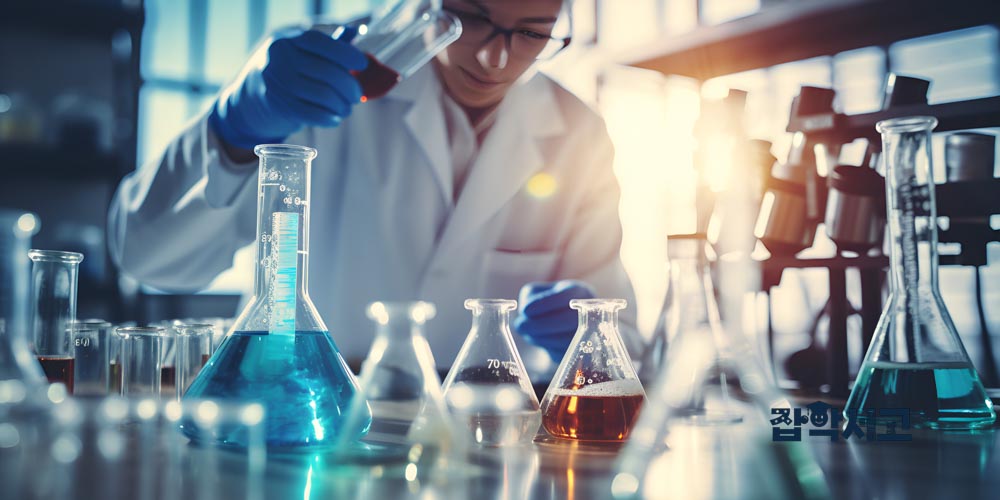
In modern science, catalyst research plays a central role in addressing various industrial and environmental problems. Catalysts maximize the efficiency of chemical reactions, which can contribute greatly to energy savings and environmental protection. Catalyst research goes beyond academic curiosity to provide an essential foundation for practical industrial applications and sustainable development.
Nanotechnology and Innovation in Catalyst Research
Advances in nanotechnology are bringing innovative changes to catalyst research. Nanocatalysts have a larger surface area than conventional catalysts, allowing them to provide more active sites where reactions can occur. This is an important factor that can greatly improve the reaction efficiency of catalysts. By precisely controlling the size and shape of nanoparticles, catalysts optimized for specific reactions can be developed, helping maximize catalyst performance across various industries.
Renewable Energy and the Role of Catalysts
Catalysts also play an important role in renewable energy. Catalysts are essential elements in technologies that efficiently convert and store renewable energy, including solar energy, wind energy, and biomass. For example, catalysts in fuel cells play an important role in converting hydrogen into electrical energy, thereby improving energy efficiency and reducing greenhouse gas emissions. Catalyst research is essential for building sustainable energy systems and will be central to solving future energy problems.
Development of Biomimetic Catalysts
Research into biomimetic catalysts focuses on developing more efficient and environmentally friendly catalytic systems by imitating enzyme reactions that occur in nature. Natural enzymes have very high selectivity and reaction rates, giving catalysts that imitate them considerable potential for applications in various fields, including pharmaceutical synthesis and environmental remediation. These catalysts have less environmental impact than conventional chemical catalysts and can contribute to the realization of sustainable chemical processes.
High-Performance Computing and Catalyst Design
Advances in high-performance computing technology are opening new possibilities for catalyst research. Computer modeling and simulation have made it possible to predict and analyze catalyst structures and reaction mechanisms in advance. This allows the catalyst design process to be adjusted more precisely and helps reduce trial and error that may occur during research, saving research time and costs. These technological advances accelerate catalyst research and play an important role in developing better catalysts.
Advancing Catalyst Research Through Interdisciplinary Integration
Catalyst research is advancing further through integration with various disciplines, including chemistry, physics, biology, and engineering. Research is actively underway to develop new catalysts and improve the performance of existing catalysts by combining knowledge and technologies from these fields. This integrated research opens new possibilities for catalyst applications and provides an important foundation for developing innovative technologies that overcome existing limitations. This multidisciplinary approach to catalyst research is a very important factor in future technological development.
Chemical catalysts are elements that play a central role throughout modern science and industry. This resource has analyzed the basic concepts and operating mechanisms of catalysts, the types and differences among various catalysts, applications in industry and environmental protection, and the latest trends and future prospects in catalyst research from multiple perspectives.
Catalyst research will provide an important foundation for sustainable development and future technological innovation. As our understanding of and research into catalysts deepen, we will expand our opportunities to create a better world.