The unemployment rate is an important indicator for assessing the overall health of an economy and plays a central role in reflecting labor market conditions. A rising unemployment rate can cause instability throughout the economy, with wide-ranging effects on everyone from individuals to the nation as a whole.
This article first explains the definition of the unemployment rate and its economic importance, then discusses the causes of rising unemployment, ways to address it, and methods for analyzing unemployment rate indicators from an economic perspective.
The Definition of the Unemployment Rate and Its Economic Importance
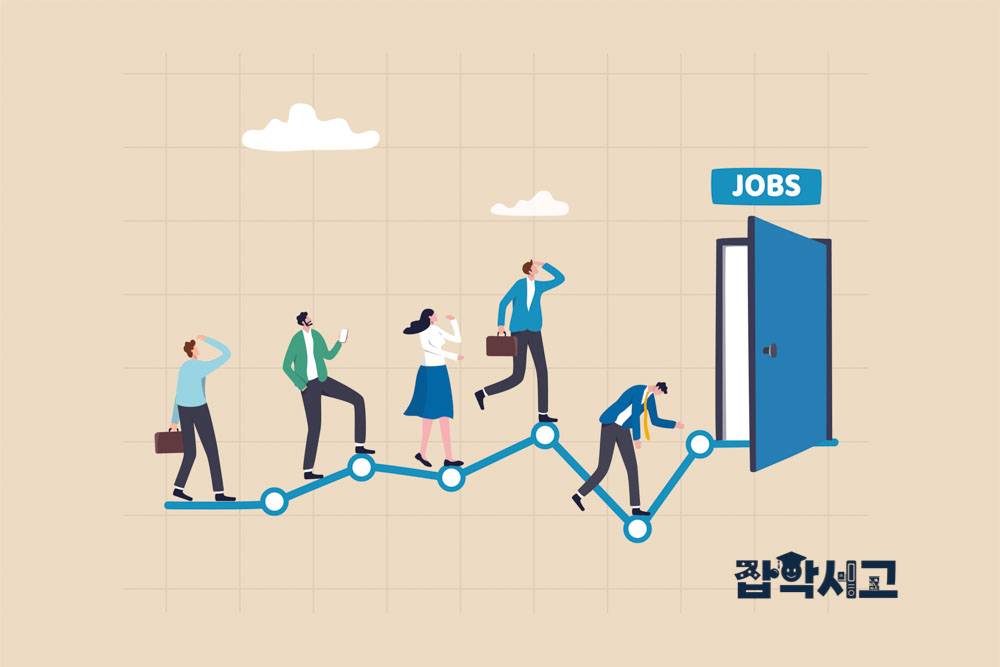 Why Is It Important to Understand the Unemployment Rate?
The Definition and Basic Concepts of the Unemployment Rate
The unemployment rate is an indicator that shows the proportion of people in the labor force who do not have jobs and is used to evaluate labor market performance. This indicator plays an important role in understanding the economy's current state and future outlook and serves as a basic tool for assessing economic conditions. The unemployment rate reflects the overall health of the economy and plays an important role in identifying changes in the business cycle.
The Economic Importance of the Unemployment Rate
The unemployment rate means more than a simple number and has various effects across the economy and on individuals' lives. A low unemployment rate is interpreted as a sign of favorable economic conditions and leads to increased employment, encouraging higher household incomes and greater consumer spending. Conversely, a high unemployment rate can cause social instability alongside economic difficulties. This can deepen economic inequality and trigger social conflict, particularly as periods of unemployment become longer.
The Effects of the Unemployment Rate on the Economy
A high unemployment rate leads to reduced individual incomes, threatening household finances and causing a decline in consumption that negatively affects the economy as a whole. Persistently high unemployment can also negatively affect individuals' mental and physical health and undermine the economy's growth potential over the long term. Unemployment also increases the burden on the social safety net and can negatively affect public finances.
The Unemployment Rate, Productivity, and Business Management
The unemployment rate also directly affects labor market productivity and business management. A high unemployment rate means that labor is lying idle, which can reduce productivity across the nation. Businesses reduce their workforces to cut costs during economic downturns, which can weaken their competitiveness over the long term. Conversely, when unemployment is low, businesses face upward pressure on wages as they compete to secure workers, which can add to the cost burden of running a business.
Government Policy and the Unemployment Rate
The unemployment rate serves as an important reference when the government formulates economic policies. A high unemployment rate can prompt the government to adjust fiscal or monetary policies to stimulate the economy, and these policy changes help stabilize the economy and lower unemployment. For example, the government can expand job creation programs to reduce unemployment or encourage employment through tax incentives for businesses. It also needs to help workers acquire skills suited to changing market demands through policies such as retraining programs for unemployed people.
Structural Unemployment and Changes in the Labor Market
The unemployment rate can also reflect structural problems in the labor market. When structural changes or technological advances in a particular industry reduce jobs in certain occupations, this can lead to structural unemployment. These structural changes can occur on a broad scale rather than being limited to particular regions or industries, making labor market flexibility and adaptability important factors. Continuous labor market monitoring and appropriate policy responses are therefore necessary, helping alleviate structural unemployment and ensure labor market stability.
The Unemployment Rate and Social Inequality
The unemployment rate is also closely connected to social inequality. Certain population groups, such as young people, middle-aged and older people, women, and ethnic minorities, may experience higher unemployment rates than other groups, deepening economic inequality for these groups. Such inequality undermines social integration and can negatively affect economic growth over the long term. Policy approaches to reducing inequality are therefore necessary, with improvements to discriminatory hiring practices, tailored employment support programs, and expanded education and training opportunities playing important roles.
The Importance of the Unemployment Rate and the Need to Manage It
The unemployment rate goes beyond being a simple economic indicator and serves as an important benchmark for formulating economic policies and addressing social problems. Understanding and managing unemployment is essential to maintaining the economy's overall stability and achieving sustainable growth. This requires policy responses that react sensitively to changes in unemployment alongside efforts to improve the economy's structure over the long term. Cooperation among the government, businesses, and society to address unemployment is an essential task for the nation's sustainable development.
Analysis of the Main Economic Causes of Rising Unemployment
 From an Economic Perspective, What Causes the Unemployment Rate to Rise?
The Relationship Between Economic Recessions and Rising Unemployment
An economic recession is one of the main causes of rising unemployment, as businesses choose to reduce their workforces to cut costs when economic growth slows or turns negative. As a result, many workers lose their jobs and the unemployment rate rises. Recessions lead to reduced consumption and investment and deteriorating business profitability, causing hiring to contract and ultimately lowering employment levels across the economy.
Changes in Industrial Structure and the Unemployment Rate
Changes in industrial structure have an important effect on rising unemployment. The decline of certain industries or the emergence of new ones can cause workers in existing industries to lose their jobs and struggle to find new ones, potentially increasing unemployment. For example, when a transition from manufacturing to services is underway, workers with skills specific to manufacturing may struggle to find new employment in the service sector, making long-term unemployment more likely. These structural changes can also create imbalances in regional economies, requiring active government policies to support retraining and reemployment.
Technological Advances and Changes in the Labor Market
Technological innovation has both positive and negative effects on unemployment. Automation and artificial intelligence technologies replace jobs held by low-skilled workers while also creating new jobs, but the reduction in existing jobs can contribute to rising unemployment. In particular, the faster technology advances, the less time workers have to adapt to new technologies, which can worsen technological unemployment. Technological advances can also polarize the labor market by increasing demand for specialized workers in certain industries while reducing jobs in traditional occupations.
The Problem of Labor Market Imbalances
An imbalance between supply and demand in the labor market is another cause of rising unemployment. If demand for jobs is high in a particular region or industry but workers in that region lack the necessary skills or experience, this imbalance can lead to higher unemployment. This can result from a mismatch in education and training, and workers may experience long-term unemployment if they are unable to acquire the skills the market requires. Addressing this problem requires reforms to the education system alongside vocational training programs tailored to individual industries.
International Economic Factors and the Unemployment Rate
International economic factors, such as global economic downturns and trade disputes, can have a major effect on domestic unemployment. Falling global demand or declining exports can hurt domestic businesses, reducing employment and increasing unemployment. Industries that depend heavily on trade are particularly vulnerable to these external shocks, and changes in global supply chains can cause job losses in particular countries or regions. Exchange rate fluctuations and reduced foreign investment can also negatively affect the domestic labor market.
The Effects of Policy Factors
Government economic policies, particularly labor market regulations and tax policies, directly affect unemployment. Excessively strict regulations can discourage businesses from hiring and are likely to lead to higher unemployment. Conversely, well-designed policies can help reduce unemployment. For example, active labor market policies (ALMP) or tax incentives to promote employment can encourage businesses to hire more workers. Strengthening welfare policies also plays an important role in improving unemployed people's prospects of finding new employment. However, the long-term effects of these policies on the labor market need to be closely analyzed and adjusted.
The Social and Psychological Effects of Rising Unemployment
Rising unemployment can cause social and psychological problems beyond economic issues alone. Prolonged unemployment can worsen individuals' mental health and make them feel socially isolated, potentially increasing instability throughout society. Youth unemployment, in particular, undermines future generations' economic independence and participation in society and can weaken the nation's growth potential over the long term. Addressing unemployment therefore requires a comprehensive approach that considers social and psychological aspects as well as economic ones.
Interactions Among the Causes of Rising Unemployment and the Need for Comprehensive Analysis
The various causes of rising unemployment interact with one another and work in combination. For example, technological advances can trigger changes in industrial structure, which can in turn deepen labor market imbalances. Economic recessions and international economic factors can also strengthen or weaken the effects of policy factors. Each factor therefore needs to be analyzed comprehensively, providing a basis for a multifaceted approach to addressing unemployment. Such analysis can guide policymakers in addressing unemployment and contribute to the formulation of more effective economic policies.
Examples of Economic Policies to Address Unemployment
 What Are Some Examples of Economic Policies Applied to Address Unemployment?
Economic Stimulus and Job Creation Through Fiscal Policy
The government can address unemployment by using fiscal policy to stimulate the economy. To do so, it can implement policies that encourage economic activity and create jobs by increasing government spending or cutting taxes. Such fiscal policies are particularly effective during economic recessions and play an important role in reducing unemployment. Large-scale projects such as infrastructure investment also provide many jobs in the short term and can promote economic growth over the long term.
Promoting Employment Through Monetary Policy
The central bank can address unemployment through interest rate cuts or quantitative easing policies. Lower interest rates help businesses obtain funding at lower costs, encouraging investment that can lead to job creation. Quantitative easing can also stimulate investment throughout the economy by supplying liquidity to the market, and these monetary policies contribute to economic recovery and lower unemployment.
Strengthening Vocational Training and Education Programs
When technological advances or changes in industrial structure require new skills, the government should strengthen vocational training and education programs to help workers acquire the skills they need. These programs help address imbalances between supply and demand in the labor market and can contribute to lower unemployment. It is also important to establish a lifelong education system that helps workers continually acquire new skills.
Policies to Improve Labor Market Flexibility
Policies that increase labor market flexibility also play an important role in addressing unemployment. For example, policies that ease employment protection regulations or allow flexible adjustments to working hours should make it easier for businesses to hire and dismiss workers. This reduces businesses' hiring risks and can help lower unemployment by improving labor market efficiency. Policies supporting various forms of work, such as flexible working arrangements and expanded nonregular employment, can also be considered.
Tailored Employment Policies for Young People and Specific Groups
Special policies targeting particular population groups, such as young people, are necessary. When youth unemployment is high, the government should expand employment opportunities for young people through policies such as internship programs, support for starting businesses, or employment subsidies. Tailored employment support policies are also needed for vulnerable groups, including women, middle-aged and older people, and ethnic minorities, helping reduce overall unemployment and improve social inclusion.
Addressing Unemployment Through International Cooperation
When international economic factors cause unemployment to rise, addressing the problem through international cooperation is important. Since global economic downturns and trade disputes can contribute to rising unemployment, it is necessary to conclude trade agreements or explore ways to cooperate on global economic recovery. Through these efforts, countries can work together to reduce economic instability and promote job creation worldwide. Cooperation with international organizations or joint projects can also help address unemployment.
Methods for Economic Analysis of Unemployment Rate Indicators
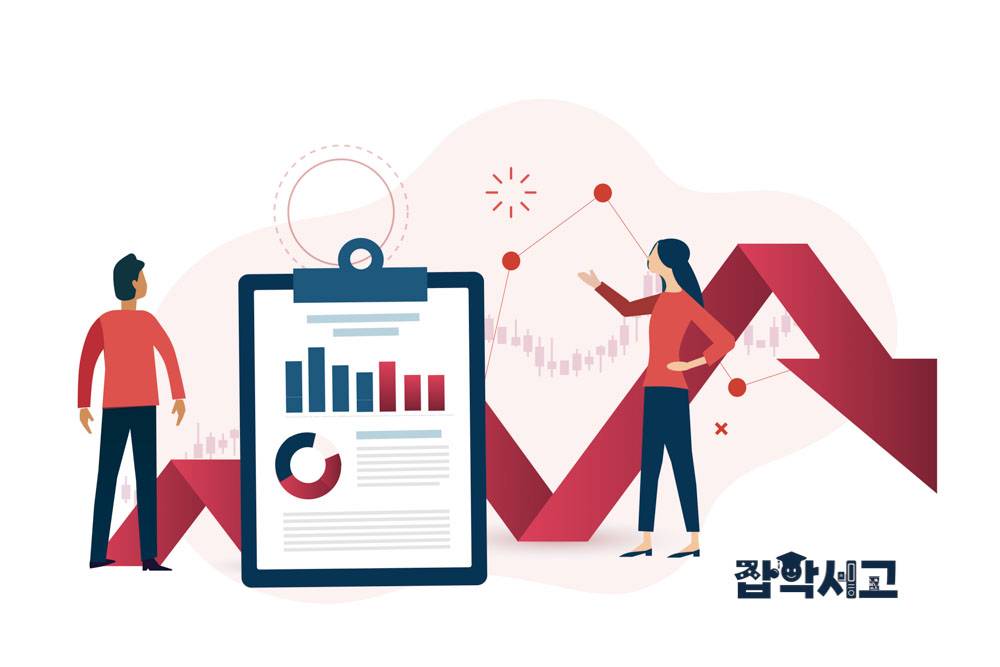 How Are Unemployment Rate Indicators Analyzed?
The Definition and Calculation of the Unemployment Rate
The unemployment rate indicates the proportion of people in the labor force who do not have jobs and is used to assess labor market conditions and the overall health of the economy. Generally, an unemployment rate of 4% or lower can be considered close to a state of "full employment." Conversely, an unemployment rate of 7% or higher is regarded as a figure suggesting an economic recession or structural problems. An accurate understanding of the definition and calculation of the unemployment rate is the starting point for these assessments, which are usually based on data published by government statistical agencies or international organizations.
Understanding Changes in the Unemployment Rate Through Time Series Analysis
The first step in analyzing unemployment is to understand the figures themselves. Time series analysis examines how the unemployment rate has changed over time, taking into account the business cycle, seasonal factors, and other influences. For example, a steadily rising unemployment rate can be interpreted as a sign of an economic recession. Conversely, if unemployment stabilizes at a certain level, this can be seen as a sign that the economy is stable. When seasonal fluctuations are large, a more accurate analysis requires reference to the seasonally adjusted unemployment rate.
Analysis by Type of Unemployment and Its Importance
Distinguishing and analyzing different types of unemployment is important for a deeper understanding of the unemployment rate. For example, if the cyclical unemployment rate rises by 2% or more, this may signal that the economy is entering a downturn. A high structural unemployment rate means that certain occupations are disappearing from the labor market as a result of changes in industrial structure or technological innovation. Analysis by type is essential for designing policy responses tailored to each unemployment problem.
Analyzing Correlations Between Economic Indicators and the Unemployment Rate
Analyzing correlations between the unemployment rate and other economic indicators helps provide a clearer understanding of economic conditions. For example, if unemployment rises while GDP growth falls, this indicates that the economy is contracting. Conversely, if unemployment is low while inflation is high, the economy may be overheating. Analyzing these correlations makes it possible to interpret the economic meaning of unemployment figures in specific terms.
The Need for Comparative Analysis of Unemployment Rates Across Countries and Regions
Comparing and analyzing unemployment rates across countries and regions also provides important insights. For example, even if a country's unemployment rate is low at 3%, a rate of 8% or higher in a particular region suggests that serious economic problems are occurring there. Comparisons across countries assess unemployment rates while considering differences in economic structures and policies, making it possible to benchmark successful policies.
Comprehensive Analysis of Unemployment Rate Indicators and Economic Policy Design
A comprehensive analysis of unemployment rate indicators should go beyond simply interpreting figures and focus on understanding the causes and consequences of unemployment and designing economic policies on that basis. For example, if unemployment remains at 6% or higher, this may indicate a need for active fiscal policies or labor market reforms. Various analytical techniques and connections with other economic indicators should be used to examine unemployment in greater depth and develop practical policy responses to address it.
These analytical methods make it possible to use unemployment rate indicators in more practical and useful ways and provide clearer insights into the economy as a whole.
The unemployment rate is an important indicator of the economy's health, and the causes of its increase and the ways to address it are highly complex and diverse. This article has discussed the definition of the unemployment rate and its economic importance, the main causes of rising unemployment, examples of economic policies to address unemployment, and methods for analyzing unemployment rate indicators from an economic perspective.
Addressing unemployment requires a multifaceted approach and sustained effort, and the government, businesses, and workers should cooperate to resolve unemployment and work toward sustainable economic growth.