The trade balance is one of the key indicators for assessing and understanding a country's economic conditions. It represents the difference between exports and imports arising from economic transactions with other countries and is closely correlated with the global economy.
This material will explain the concept and definition of the trade balance, analyze its correlation with the global economy, examine its effects on economic growth, and then compare and analyze the trade balances of major countries.
The Concept and Definition of the Trade Balance
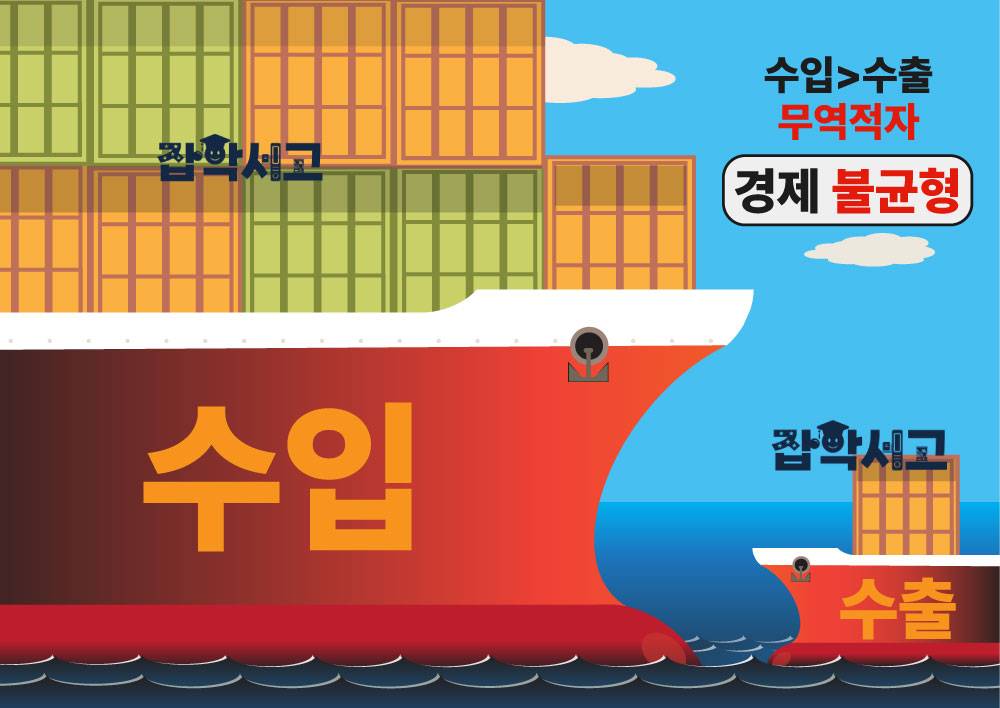 What Is the Trade Balance?
The trade balance is an economic indicator that represents the difference between the value of a country's exports and imports, providing an important measure of the health of its economy. A trade surplus means that the value of exports exceeds that of imports, while a trade deficit means that the value of imports exceeds that of exports. This also has a significant influence on the formulation of economic policy.
Components of the Trade Balance: The Goods Balance and the Services Balance
The trade balance is divided into the goods balance and the services balance. The goods balance represents the difference between exports and imports of physical goods, primarily arising in sectors such as manufacturing, agriculture, and mining. The services balance refers to the difference between exports and imports arising from transactions in services such as tourism, transportation, finance, and insurance. Together, these two balances make up the trade balance.
Differences Between the Trade Balance and the Balance of Payments
To understand the concept of the trade balance more clearly, it is necessary to examine how it differs from the balance of payments. The balance of payments is a concept encompassing the trade balance, the capital account, the financial account, and other components, comprehensively representing all economic transactions between countries. By contrast, the trade balance is a narrower concept that represents only transactions in goods and services.
The Relationship Between the Trade Balance and the National Economy
The trade balance plays an important role in understanding economic cooperation and competition between countries. For example, if a particular country maintains a persistent trade surplus, this indicates that its goods and services are internationally competitive. Conversely, a persistent trade deficit suggests that there may be problems with the country's economic structure.
The Correlation Between the Trade Balance and Exchange Rates
The trade balance is also closely related to exchange rates. Changes in exchange rates alter the price competitiveness of exported and imported goods, directly affecting the trade balance. When the value of the domestic currency falls, export products become more price-competitive and exports increase, while imported products become more expensive and imports decrease.
The Trade Balance and the Role of Economic Policy
The trade balance plays an important role in the formulation of a country's economic policies and strategies. Governments can implement various policies to improve the trade balance, and these can take forms such as tariffs, non-tariff barriers, and trade agreements. These policies can help increase the competitiveness of the national economy and improve the trade balance.
The Correlation Between the Global Economy and the Trade Balance
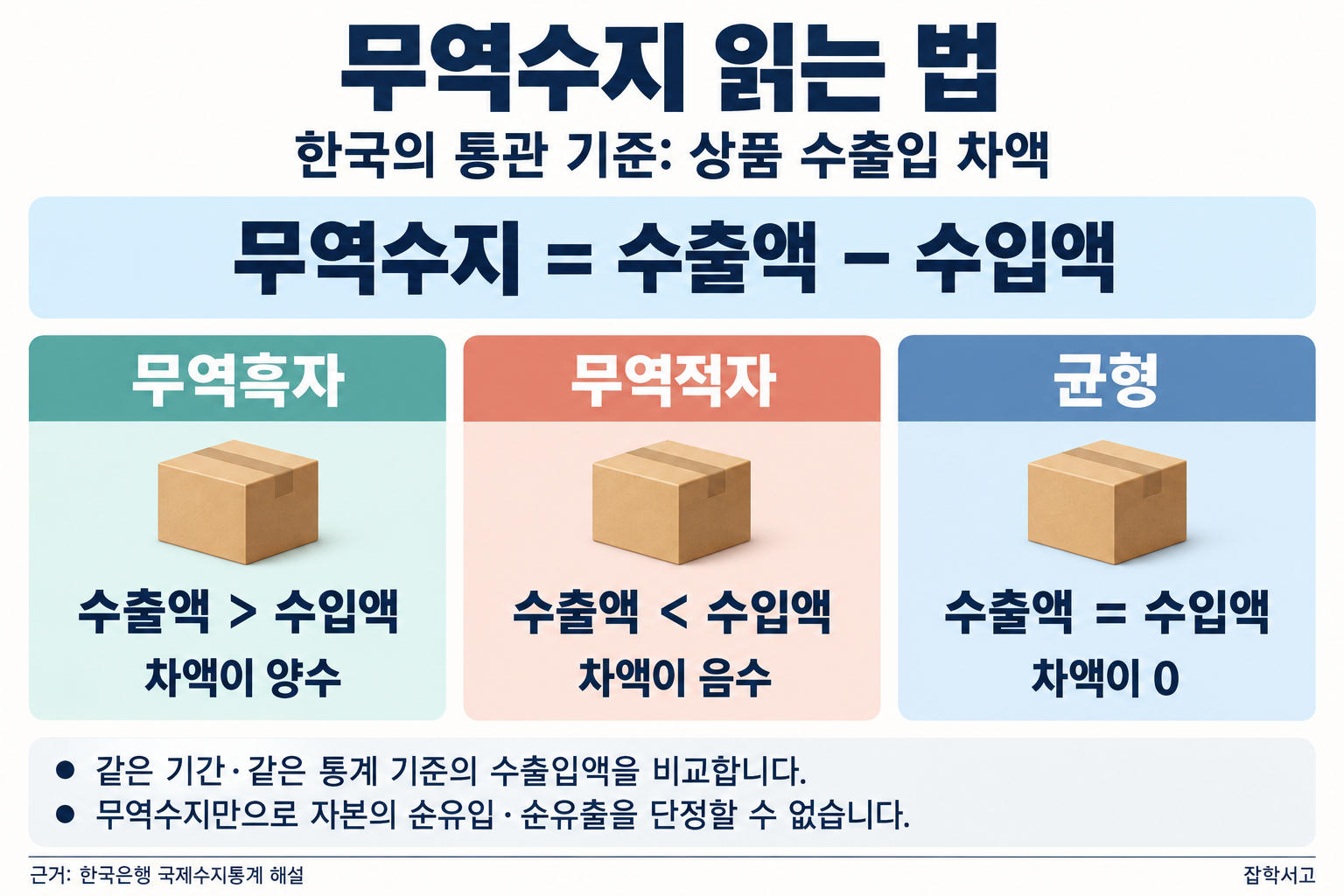 On Korea’s customs basis, the trade balance is merchandise exports minus imports. Its compilation basis differs from the balance-of-payments goods account; a trade surplus or deficit alone does not determine financial-account capital flows.
The global economy and the trade balance are closely interconnected. When the global economy experiences a boom, export and import activity increases worldwide, positively affecting trade balances as well. In particular, when economic growth rates rise rapidly among major trading partners, exports may increase and trade surpluses may expand.
Global Economic Volatility and Its Effects on the Trade Balance
Volatility in the global economy directly affects the trade balance. For example, economic shocks such as a global financial crisis reduce trade activity worldwide, which can lead to trade deficits in individual countries. Economic stability therefore plays an important role in maintaining favorable trends in the trade balance.
Changes in Global Supply Chains and the Trade Balance
Changes in global supply chains also significantly affect the trade balance. In recent years, the restructuring of global supply chains has enabled some countries to find new trade opportunities, leading to improvements in their trade balances. Conversely, disruptions or restructuring in supply chains can also cause unexpected economic shocks.
Structural Changes in the Trade Balance and the Growth of Emerging Economies
The global economy drives structural changes in the trade balance. As the center of economic growth shifts from developed countries to emerging countries, patterns in trade balances are also changing. In particular, the rapid growth of emerging economies such as China and India is bringing major changes to global trade patterns, and these countries' trade surpluses are increasing significantly.
Economic Integration and Volatility in the Trade Balance
The integration of the global economy increases volatility in the trade balance. Economic integration policies, such as a free trade agreement (FTA), promote trade activity by lowering trade barriers between countries, but they can also amplify the effects of economic changes in a particular country on global trade balances. This acts as a factor that reduces the predictability of trade balances.
The Effects of Sustainability and Environmental Issues
The sustainability of the global economy and environmental issues also affect the trade balance. Global initiatives such as the Sustainable Development Goals (SDGs) encourage exports of environmentally friendly products, which can become a new factor driving changes in the trade balance. At the same time, stronger environmental regulations can restrict export and import activity in certain industries.
The global economy and the trade balance are closely interconnected, and factors such as economic booms and downturns, changes in supply chains, the growth of emerging economies, economic integration, and sustainability all affect the trade balance. Understanding these complex interactions is essential for formulating a country's economic policies.
The Correlation Between the Trade Balance and Economic Growth
 What Is the Relationship Between the Trade Balance and Economic Growth?
The trade balance affects economic growth both directly and indirectly. A trade surplus increases foreign currency inflows, raising liquidity in the national economy, which serves as an important factor in stimulating economic activity. As foreign exchange reserves increase, the country's creditworthiness improves, enabling it to raise funds at lower interest rates.
The Relationship Between the Trade Balance and the Investment Environment
The effects of the trade balance on economic growth are closely connected to investment. A persistent trade surplus increases corporate profitability, which encourages domestic and foreign investment. Conversely, a persistent trade deficit reduces companies' capacity to invest as their profitability deteriorates, acting as a factor that hinders economic growth.
The Correlation Between the Trade Balance and Employment
The trade balance also has an important effect on employment. A trade surplus signifies growth in export industries, which leads to job creation. In particular, an increase in the trade surplus in labor-intensive industries such as manufacturing raises employment, which can lead to higher incomes throughout the economy.
The Trade Balance and the Role of Price Stability
The trade balance can also contribute to price stability. When imports decrease and exports increase, the value of the domestic currency may rise, helping stabilize import prices. Conversely, a persistent trade deficit can cause the currency's value to fall, leading to higher import prices and potentially causing price instability.
The Interaction Between the Current Account Balance and the Trade Balance
The relationship between the current account balance and the trade balance has an important effect on economic growth. Maintaining a current account surplus is likely to lead to a trade surplus, which can be interpreted as a positive sign for economic growth. Conversely, a persistent current account deficit can lead to a trade deficit and slow the rate of economic growth.
The Trade Balance and Economic Policy Formulation
The trade balance serves as an important benchmark in the formulation of economic policy. Governments can implement various economic policies to improve the trade balance, taking forms such as subsidies, tariff adjustments, and the conclusion of trade agreements. These policies ultimately serve to promote economic growth.
The State of Trade Balances in Major Countries and a Comparison
 What Is the State of Trade Balances in Major Countries?
Examining the trade balances of major countries is very helpful for understanding differences in their economic structures and policies. Changes in trade balances serve as an important indicator for understanding countries' economic strategies and trends in the global economy.
China: A Persistent Trade Surplus Based on Manufacturing
China continues to record a trade surplus thanks to its manufacturing-centered, export-oriented economic structure. China's strong manufacturing competitiveness and pivotal position in global supply chains serve as important factors in maintaining its trade surplus.
The United States: A Consumption-Based Economic Structure and a Trade Deficit
The United States generally records a trade deficit because of its import-centered, consumption-based economic structure. In particular, its substantial imports of advanced technology products, energy resources, and other goods tend to result in a persistent trade deficit. This structural feature is regarded as one of the long-term challenges facing the US economy.
The European Union (EU): Trade Surpluses and Difficulties in Southern Europe
European Union (EU) countries generally maintain trade surpluses. Germany records a trade surplus based on strong export industries producing automobiles, machinery, chemicals, and other products. Conversely, Southern European countries tend to experience persistent trade deficits because of structural economic problems and weakening competitiveness. This is an important indicator of economic disparities within the EU.
Japan: Rising Energy Imports and a Shift to a Trade Deficit
Japan maintained a trade surplus for a long time, but in recent years it has shown a tendency to shift to a trade deficit because of rising energy imports and weakening manufacturing competitiveness. This change is closely related to slower growth in the Japanese economy and suggests a need for economic restructuring.
Emerging Economies: Trade Balance Patterns in Brazil and India
Among emerging economies, Brazil and India exhibit different trade balance patterns. Brazil records a trade surplus thanks to strong exports of agricultural products and raw materials. Conversely, India is in the early stages of industrialization and continues to experience a trade deficit because of its underdeveloped industrial structure and high dependence on imports. These differences stem from differences in the two countries' economic structures and stages of development.
South Korea: A Trade Surplus Driven by Semiconductor and Automobile Exports
South Korea maintains a trade surplus centered on major industries such as semiconductors, automobiles, and shipbuilding. However, recent changes in the global trade environment and intensifying competition have made it difficult to improve its trade balance. This is a juncture that underscores the importance of strengthening the flexibility of the South Korean economy and innovation among its companies.
Comparing and analyzing countries' trade balances provides a deeper understanding of global economic trends and each country's economic strategies. Changes in trade balances affect both short-term economic shocks and long-term patterns of economic growth, clearly illustrating the complexity and interconnectedness of the global economy. Countries need ongoing adjustments to economic policy and industrial innovation to improve their trade balances.
The trade balance is closely correlated with the global economy and is an indicator that significantly affects economic growth. Comparing and analyzing the trade balances of major countries makes it possible to understand differences in their economic structures and policies.
This clearly illustrates the complexity and interconnectedness of the global economy and offers important insights for the formulation of future economic policies.