Gross domestic product (GDP) is one of the most important indicators in modern economics, used to measure the size and growth of a country's economy. By capturing the sum of a country's economic activity, GDP makes it possible to understand its economic health and level of development.
This article will examine in detail the definition and importance of GDP, its measurement methods and the indicators used, its correlation with economic growth, and what GDP signifies for economic development.
The Definition and Importance of Gross Domestic Product (GDP)
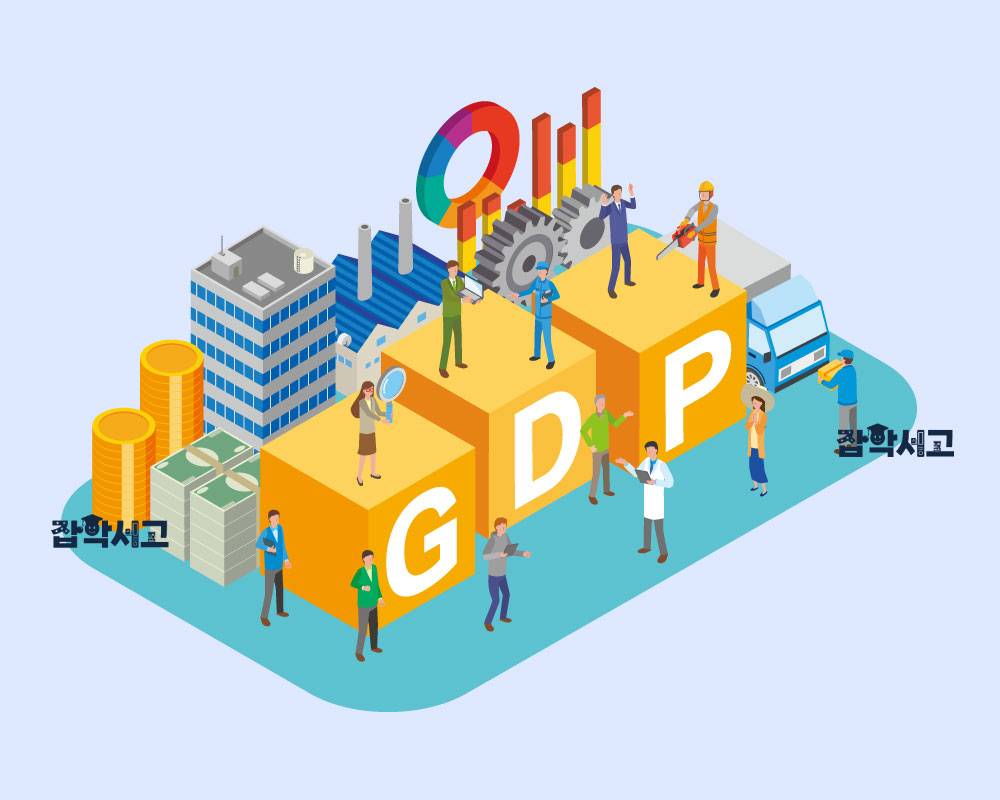 What Is GDP?
Gross domestic product (GDP) is the sum of the market values of all final goods and services produced within a country over a given period. It represents the total volume of economic activity and is generally calculated over 1-year periods. GDP is used as the most basic indicator for assessing the size of an economy and provides foundational data for various economic policies.
The Importance of GDP
Comparing Economic Strength across Countries
GDP plays an important role in comparing the economic strength of different countries. Comparing countries' GDP makes it possible to determine which country has greater economic strength, or how much the economy of the same country has grown over time. This provides important information for policymakers when designing and evaluating economic policies.
Evaluating the Economic Activity of Individuals and Businesses
GDP is also used to evaluate the economic activity of individuals and businesses as a whole. A country's high GDP means that its economic activity is robust, suggesting a greater likelihood of increased employment opportunities and higher income levels. This makes GDP a very important indicator for ordinary people as well.
Evaluating the Effects of Government Policies
GDP also plays an important role in evaluating the effects of a government's fiscal and monetary policies. For example, when a government increases fiscal spending to stimulate the economy, the effects of that policy can be evaluated through an increase in GDP. This provides essential data for determining whether a policy has succeeded and deciding the direction of future policies.
GDP's Limitations and Complementary Perspectives
Differences from Economic Welfare
However, GDP does not fully represent a country's level of economic welfare. For example, GDP may fail to reflect important factors such as fairness in distribution and environmental protection. Despite these limitations, GDP continues to occupy a very important place in economic analysis and policymaking.
Its Role in International Financial Markets
Finally, GDP also plays an important role in international financial markets. A country's GDP growth rate is closely related to the value of its currency, its investment appeal, and its international creditworthiness. GDP is therefore recognized as an important indicator in both the domestic and international economies.
GDP Measurement Methods and the Indicators Used
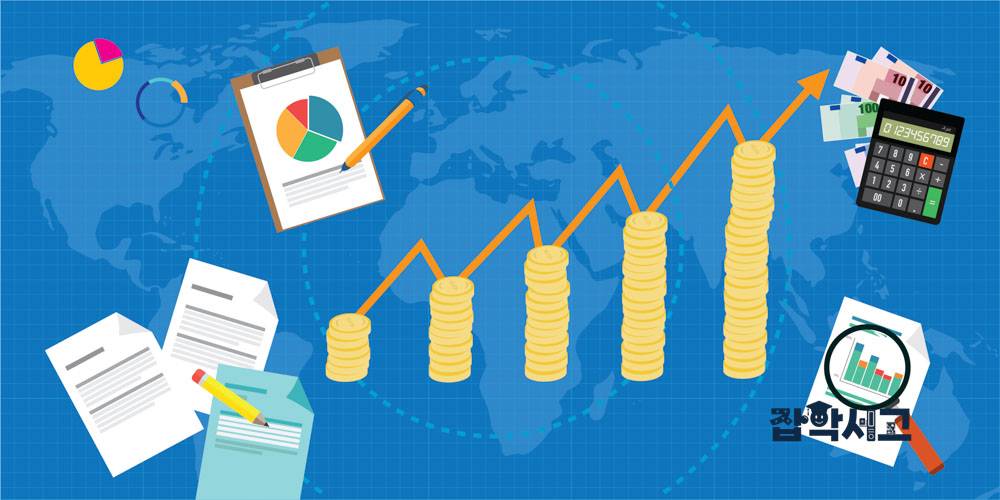 What Methods and Indicators Are Used to Measure GDP?
The Production Approach
GDP is primarily measured using three methods. The first method, the production approach, calculates GDP by adding up all the value added generated in each industry sector. This method is useful for evaluating the contributions of various industries, such as agriculture, manufacturing, and services. The production approach makes it possible to clearly identify each industry's economic contribution, providing important information for developing policies for individual industries.
The Expenditure Approach
The second method, the expenditure approach, measures GDP by adding up the total expenditures of economic actors. This method includes household consumption, government spending, business investment, and net exports (exports minus imports). The expenditure approach focuses on evaluating the final outcomes of economic activity and is useful for understanding how consumption and investment activity affect economic growth.
The Income Approach
The third method, the income approach, calculates GDP by adding up the total income earned by economic actors. This includes all income, such as wages, interest, rent, and business profits. This method is useful for evaluating the sources of economic activity and makes it possible to check how total income corresponds to total production. The income approach makes it possible to clearly identify the value created by economic actors, allowing income distribution and economic structure to be analyzed.
Nominal GDP and Real GDP
GDP can be explained by distinguishing between nominal GDP and real GDP. Nominal GDP refers to GDP calculated at current market prices and does not reflect the effects of inflation or deflation. In contrast, real GDP is calculated using prices from a specific base year, removing the effects of price changes to reflect actual economic growth more accurately. Real GDP plays an important role in evaluating economic growth and is useful for understanding the actual state of the economy with inflation taken into account.
Key Indicators Related to GDP
GDP per 1 Person
Another indicator used to measure GDP is GDP per 1 person. GDP per 1 person represents the average level of output or income per 1 citizen and is used to assess the level of economic welfare. This indicator plays an important role in comparing living standards across countries and is also used to identify economic equality or inequality.
The GDP Growth Rate
The GDP growth rate represents the percentage increase in GDP over a given period and is an important indicator for assessing the pace of economic growth. A higher growth rate means that the economy is growing more rapidly, providing important data for evaluating the effects of economic policies and analyzing the future economic outlook.
The National Debt-to-GDP Ratio
Finally, the national debt-to-GDP ratio is used to evaluate a country's fiscal health. A higher ratio means that the country faces greater fiscal risk, which is important information for international investors. The national debt ratio is also closely related to a country's creditworthiness, making it an important factor in assessing that country's economic position in international financial markets.
These various indicators play an important role in analyzing GDP from multiple perspectives and evaluating the effects of economic policies. They make it possible to understand the overall state of a country's economy and develop strategies for sustainable economic growth.
The Correlation between Economic Growth and GDP
 How Are Economic Growth and GDP Correlated?
The Basic Concepts of GDP and Economic Growth
Economic growth and GDP are closely correlated. Economic growth is generally measured by an increase in GDP, which signifies an increase in economic activity. An increase in GDP indicates that the country's economy is growing, which generally leads to improved living standards. Economic growth is a key indicator of the overall development of a national economy, and changes in GDP are essential to understanding economic growth.
The GDP Growth Rate and Living Standards
A high GDP growth rate indicates that the economy is developing rapidly, which can lead to increased employment opportunities and higher income levels. As the economy grows, businesses produce more goods and services, leading to more jobs and higher wages. GDP growth therefore directly affects people's living standards. This is an important factor that highlights the positive aspects of economic growth.
The Limitations and Negative Factors of GDP Growth
However, a high GDP growth rate does not necessarily mean that the economy is healthy. For example, negative factors such as economic imbalances and environmental destruction can also affect the GDP growth rate. Problems such as excessive growth in particular industries or resource depletion can adversely affect the economy in the long term. It is therefore important to analyze the GDP growth rate comprehensively alongside other economic indicators when evaluating it.
Its Relationship with Fiscal and Monetary Policies
The GDP growth rate is used as an important indicator for evaluating the effects of fiscal and monetary policies. When a government increases fiscal spending or a central bank lowers interest rates, the effectiveness of these policies can be judged by evaluating their impact on the GDP growth rate. This serves as important data for evaluating the success of economic policies and provides useful information to policymakers.
Its Importance in International Economic Relations
The GDP growth rate also plays an important role in international economic relations. A country with a high GDP growth rate can become a more attractive investment destination for foreign investors. This can increase capital inflows and promote further economic growth. In this way, the GDP growth rate is also recognized as an important indicator for evaluating the economic appeal of different countries.
Long-Term Economic Development and GDP Growth
Finally, the GDP growth rate plays an important role in evaluating long-term economic development. Sustained GDP growth promotes changes in economic structure and technological innovation, which form the foundation for long-term economic development. The GDP growth rate is therefore used as an important indicator for evaluating both short-term economic performance and long-term economic development. In this respect, the GDP growth rate serves as an essential evaluation tool for sustainable economic growth.
What Gross Domestic Product (GDP) Signifies for Economic Development
 What Can We Learn from Gross Domestic Product (GDP)?
Measuring Economic Size and Growth
Gross domestic product (GDP) has various meanings as an important indicator of economic development. First, GDP is an indicator that can directly measure the size and growth of a country's economy. This makes it an important benchmark for policymakers when designing and evaluating economic policies. Changes in GDP make it possible to understand the overall state of the economy and set policy directions on that basis.
Evaluating People's Living Standards
Second, GDP is used as an important indicator for evaluating people's living standards. The higher GDP is, the greater the likelihood that people's average income will be higher, which can lead to improved living standards. GDP plays a central role in assessing the level of economic welfare and serves as important data for evaluating people's economic security.
Its Importance in International Economic Relations
Third, GDP plays an important role in international economic relations. If a country's GDP is high or growing rapidly, the country can become a more attractive investment destination for international investors. This can increase capital inflows and promote further economic growth. GDP is therefore recognized as an important indicator in the international economy as well and plays an important role in determining countries' relative economic standing.
Evaluating Changes in Economic Structure and Industry
Fourth, GDP is also used to evaluate changes in economic structure and industry. As GDP increases, particular industries may grow rapidly or new industries may emerge. These changes promote economic diversification and technological innovation, forming the foundation for long-term economic development. Analyzing GDP by industry makes it possible to identify the strengths and weaknesses of a national economy and develop future economic strategies on that basis.
Evaluating Policy Effects
Fifth, GDP plays an important role in evaluating the effects of fiscal and monetary policies. For example, when a government increases fiscal spending to stimulate the economy or a central bank lowers interest rates, the effectiveness of these policies can be judged by evaluating their impact on GDP. This provides important data for policymakers in deciding the direction of future policies and contributes to improving policy efficiency.
Providing Direction for Economic Activity
Finally, GDP plays an important role in providing direction for the economic activity of citizens and businesses. Industries or regions where GDP is increasing rapidly are more likely to receive greater investment and attention. This can improve the efficiency of economic activity and promote the optimal allocation of resources. GDP is an indicator that tells economic actors where to focus and plays an important role in economic development.
In this way, GDP has important significance in many areas beyond its role as a simple economic indicator, helping evaluate a country's overall economic condition and set its future economic direction.
Gross domestic product (GDP) has great significance as a key indicator that makes it possible to comprehensively evaluate a country's economic activity.
GDP provides essential data for comparing economic strength across countries, evaluating the economic activity of individuals and businesses, measuring policy effects, examining international economic relations, and evaluating long-term economic development.
GDP is therefore recognized as an indispensable and important indicator in modern economics, and its importance will continue into the future.