There is growing attention to the effects of interest rate hikes on the South Korean economy. A central bank's decision to raise interest rates can bring significant changes for consumers, businesses, the real estate market, and the economy as a whole.
This article aims to analyze the main effects of interest rate hikes on the economy, anticipated changes for consumers and businesses, the outlook and challenges for the real estate market, and future directions for economic policy.
Overview of the Main Effects of Interest Rate Hikes
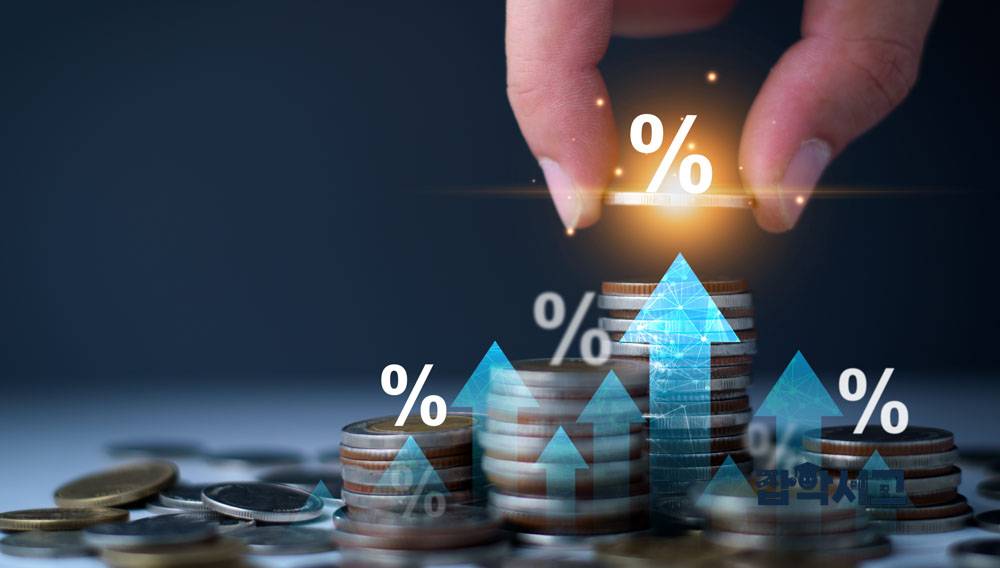 What Happens When Interest Rates Rise?
Raising interest rates is an important decision that has various effects across the economy. This article aims to analyze the main effects that the Bank of Korea's decision to raise interest rates will bring.
Reduced Consumption and a Shrinking Domestic Market
The first effect of an interest rate hike on consumption is a decline in spending. When interest rates rise, consumers' borrowing costs increase, reducing their purchasing power. This makes a contraction in the domestic market more likely.
Higher Corporate Financing Costs and Reduced Investment
High interest rates increase businesses' financing costs and can adversely affect efforts to stimulate investment. This can also harm business growth and job creation.
Effects on the Real Estate Market
Interest rate hikes lead to higher mortgage interest rates, significantly affecting the real estate market as well. When the cost of borrowing to buy a home increases, housing demand falls, which can lead to declining home prices. This can also exacerbate household debt problems.
A Stronger Won and Weaker Export Competitiveness
Interest rate hikes can lead to a stronger won. This may appear attractive to foreign investors, increasing capital inflows and ultimately raising the value of the won. However, a stronger won weakens export competitiveness and can adversely affect the South Korean economy.
Curbing Inflation and the Risk of Deflation
Interest rate hikes can help curb inflation. If rising interest rates reduce consumption and investment, economic activity slows, potentially easing upward pressure on prices. However, excessive interest rate hikes can create a risk of deflation, requiring a cautious approach.
Increased Financial Market Volatility
Interest rate hikes can increase financial market volatility. Both stock and bond markets are affected by interest rate hikes and may become more unstable. This can influence investor sentiment and cause instability across financial markets.
The Possibility of Slower Economic Growth
Interest rate hikes can adversely affect overall economic growth. Various factors, including reduced consumption and investment, a downturn in the real estate market, and weaker export competitiveness, may work together to slow economic growth. Interest rate hikes therefore require careful consideration and adjustment.
Effects of Interest Rate Hikes on Consumers and Businesses
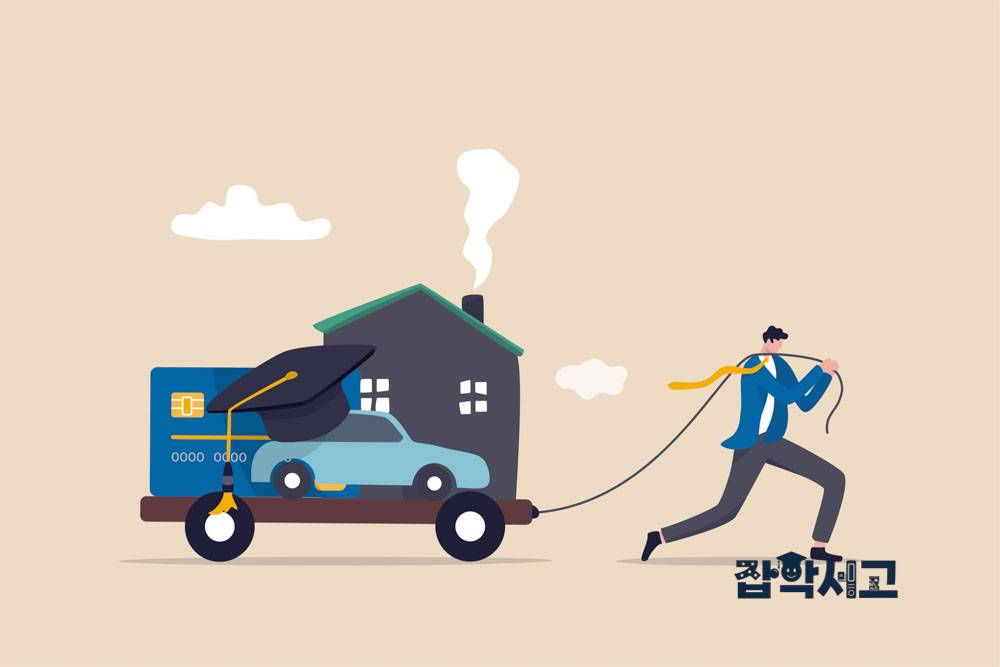 How Do Interest Rate Hikes Affect Consumers and Businesses?
Interest rate hikes are expected to bring significant changes for consumers. Rising interest rates increase the burden of loan interest payments, which can place a particularly heavy burden on consumers with various types of loans, including mortgages. Higher interest rates reduce demand for new loans, making a contraction in consumption highly likely.
A Stronger Propensity to Save and Reduced Consumption
Interest rate hikes can strengthen consumers' propensity to save. When rising interest rates push up deposit rates, consumers come to prefer saving over spending, which can lead to reduced consumption. In an aging society, pensioners in particular are highly likely to become more inclined to save.
Higher Corporate Financing Costs and Reduced Investment
For businesses, interest rate hikes increase financing costs and can hamper investment activity. When businesses use loans to finance new investments, rising interest rates increase investment costs and can reduce their willingness to invest. This can lead to lower investment and reduced productivity across the economy.
A Greater Debt Burden and Operating Difficulties for Small and Medium-Sized Enterprises
Interest rate hikes can place a heavy burden on businesses with substantial debt. Small and medium-sized enterprises, in particular, rely heavily on loans, so rising interest rates can increase their interest payment burden. This can exacerbate their operating difficulties, and some businesses may face the risk of bankruptcy.
Exchange Rate Volatility and Weaker Competitiveness for Exporting Businesses
Interest rate hikes can cause exchange rate volatility, and rising interest rates can lead to a stronger won. This can adversely affect exporting businesses, and a stronger won weakens export competitiveness, making a decline in exports highly likely. This could deal a serious blow to South Korea's export-driven economy.
Increased Uncertainty for Consumers and Businesses
Finally, interest rate hikes can increase uncertainty for both consumers and businesses. Interest rate volatility can adversely affect consumer spending sentiment and business investment sentiment, increasing uncertainty across the economy and potentially hindering economic growth. Interest rate hikes therefore require a cautious approach.
Direct Effects of Interest Rate Hikes on the Real Estate Market
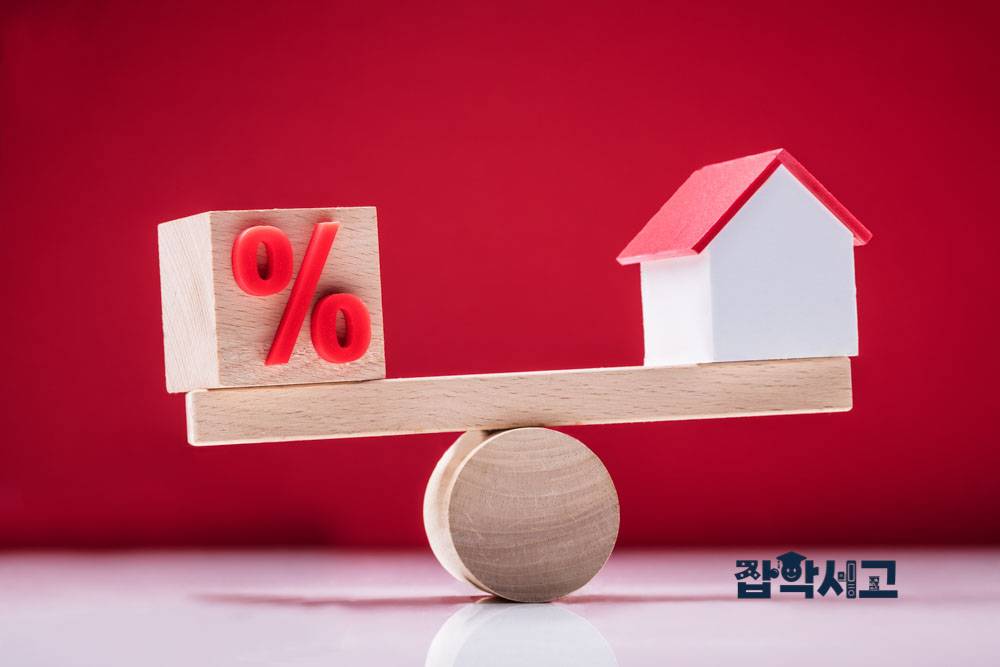 What Are the Effects on the Real Estate Market?
Interest rate hikes are an important factor that directly affects the real estate market. The first point to consider is the rise in mortgage interest rates. Rising interest rates push up mortgage rates, increasing the cost of buying a home. This reduces housing demand and can lead to falling home prices.
Weaker Investment Sentiment Among Owners of Multiple Homes and Market Changes
Rising interest rates can have a particularly significant effect on investment sentiment among owners of multiple homes. As the burden of mortgage interest payments increases, these owners become reluctant to purchase additional homes, making an increase in selling highly likely. As a result, more properties may be listed on the housing market, potentially causing home prices to fall.
Reduced New Housing Supply and Long-Term Supply Problems
Interest rate hikes can also adversely affect the supply of new housing. Because construction companies often use loans to build homes, rising interest rates increase construction financing costs and can reduce the supply of new housing. This may exacerbate housing shortages over the long term.
Reduced Investment and Falling Prices in the Commercial Real Estate Market
The commercial real estate market can also be affected by interest rate hikes. Because commercial real estate investors often use loans to finance their investments, rising interest rates increase investment costs and can reduce investment demand. This could lead to falling commercial property prices.
Curbing Real Estate Bubbles and Stabilizing the Market
Interest rate hikes do not always produce only negative outcomes. Rising interest rates can help curb bubbles in the real estate market. In a low-interest-rate environment, home prices can rise excessively, creating a risk of a real estate bubble, but interest rate hikes can curb such bubbles and keep the market more stable.
The Need for a Government Policy Response
Finally, a government policy response is important to prepare for changes in the real estate market caused by interest rate hikes. Various policy options, including expanding housing supply and providing housing finance support, are needed to prevent a downturn in the housing market caused by higher interest rates. Policy support to maintain stability in the commercial real estate market should also be considered.
The Need for Policy Measures to Address Interest Rate Hikes
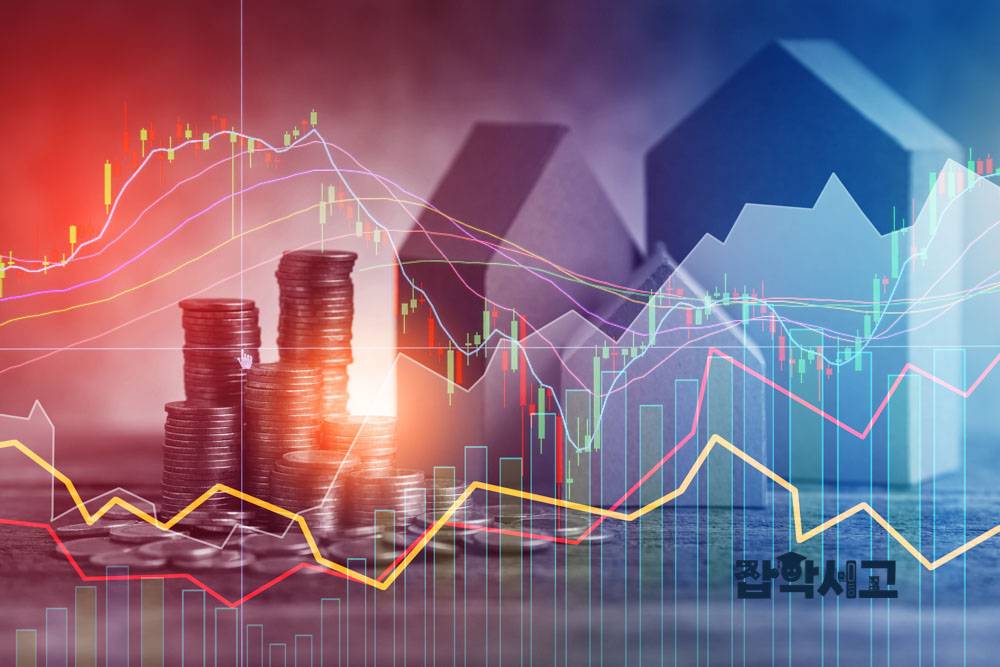 How Should We Respond to Interest Rate Hikes?
Given the effects of interest rate hikes on the economy as a whole, a government policy response is essential. Such a response can promote economic stability and continued growth.
Policies to Stimulate Consumption and Prevent a Decline in Spending
First, policies to stimulate consumption are needed to prevent a decline in spending caused by interest rate hikes. The government can stimulate domestic demand through various measures, including income tax reductions and the distribution of consumption vouchers.
Support Policies to Stimulate Business Investment
Second, policies to stimulate investment are needed to prevent interest rate hikes from reducing businesses' willingness to invest. The government can implement various policies, including investment tax credits and support for research and development expenses, to reduce businesses' investment costs, while financial support policies to help small and medium-sized enterprises secure funding are also particularly important.
Expanding Housing Supply to Stabilize the Real Estate Market
Third, policies to expand housing supply are needed to prevent interest rate hikes from causing a downturn in the real estate market. Building public rental housing and providing housing finance support can help stabilize the housing market, while policy support to maintain stability in the commercial real estate market should also be considered.
Managing Exchange Rate Volatility and Intervening in the Foreign Exchange Market
Fourth, intervention in the foreign exchange market is needed to manage exchange rate volatility that may arise from interest rate hikes. Market intervention using foreign exchange reserves and policies to stabilize exchange rates can maintain stability in the foreign exchange market, while support policies to strengthen the competitiveness of exporting businesses are also important.
Measures to Maintain Financial Market Stability
Fifth, financial stability policies are needed to prevent interest rate hikes from causing instability in financial markets. Policies such as stronger financial supervision and an expanded supply of liquidity should maintain financial market stability, and support policies to protect consumers of financial services are also needed.
Structural Reforms to Promote Overall Economic Growth
Finally, reforms to the overall economic structure are needed to prevent a slowdown in economic growth caused by interest rate hikes. Various structural reform policies, including labor market reform, regulatory easing, and the development of an innovation ecosystem, can strengthen the economy's competitiveness and promote sustainable growth. Strengthening environmental policies and establishing a social safety net can also be important policy options.
Interest rate hikes are an important factor with various effects across the economy. Their effects can emerge in complex ways across multiple areas, including consumers, businesses, and the real estate market.
It is therefore important to carefully analyze the changes brought about by interest rate hikes and develop appropriate measures to address them. Governments, businesses, and consumers should all respond cautiously to interest rate hikes to promote economic stability and growth.