Deflation poses a serious threat to economic stability, negatively affecting the entire economy as prices continue to fall.
This article will provide an in-depth analysis of the definition and economic impact of deflation, its main causes, its negative effects, and possible solutions.
The Definition and Economic Impact of Deflation
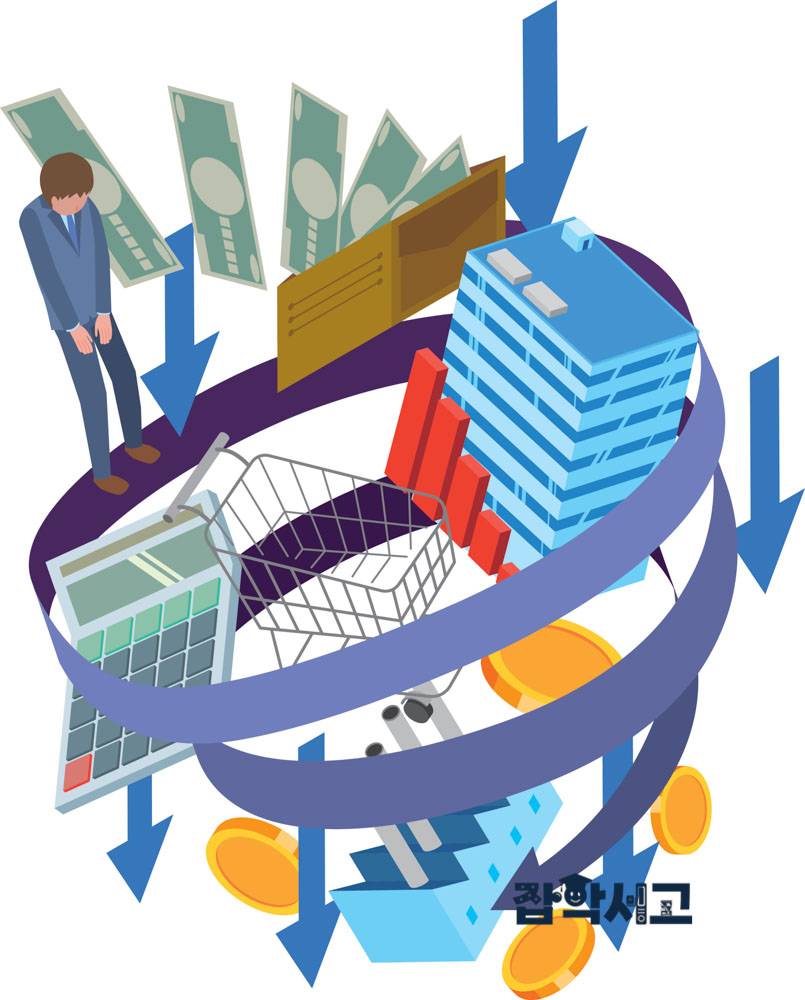 What Is Deflation?
Deflation generally refers to an economic phenomenon in which the overall price level falls. It is the opposite of inflation and describes a situation in which the rate of price inflation continues to decline and becomes negative. Although deflation increases purchasing power as the prices of goods and services fall, it can cause various problems throughout the economy.
Weaker Consumer Sentiment and Reduced Economic Activity
When deflation occurs, consumers tend to postpone spending because they expect the prices of goods to fall further. This leads to lower business revenue, resulting in cuts to production and employment. As a result, a vicious cycle can emerge in which the economy as a whole loses momentum and unemployment rises.
A Heavier Debt Burden
From an economic perspective, deflation increases the burden of debt. Although nominal debt remains unchanged, the real debt burden grows as the value of money rises. This compounds the financial difficulties of businesses and individuals, making economic recovery even more difficult.
Financial System Instability
Deflation also threatens the stability of the financial system. Falling asset prices weaken the balance sheets of financial institutions, potentially leading to a credit crunch. This can increase the risk of financial institutions going bankrupt and disrupt credit supply and demand throughout the economy.
Effects on Long-Term Economic Growth
If deflation persists, the outlook for economic growth darkens. Businesses become less willing to invest, and the drivers of long-term economic growth come under threat. This can weaken the competitiveness of the national economy and undermine its position in the international economic order.
In conclusion, deflation means more than simply falling prices; it is a phenomenon with complex effects throughout the economy. It is a structural problem that requires a policy response and is difficult to alleviate through short-term solutions alone.
The Main Causes of Deflation
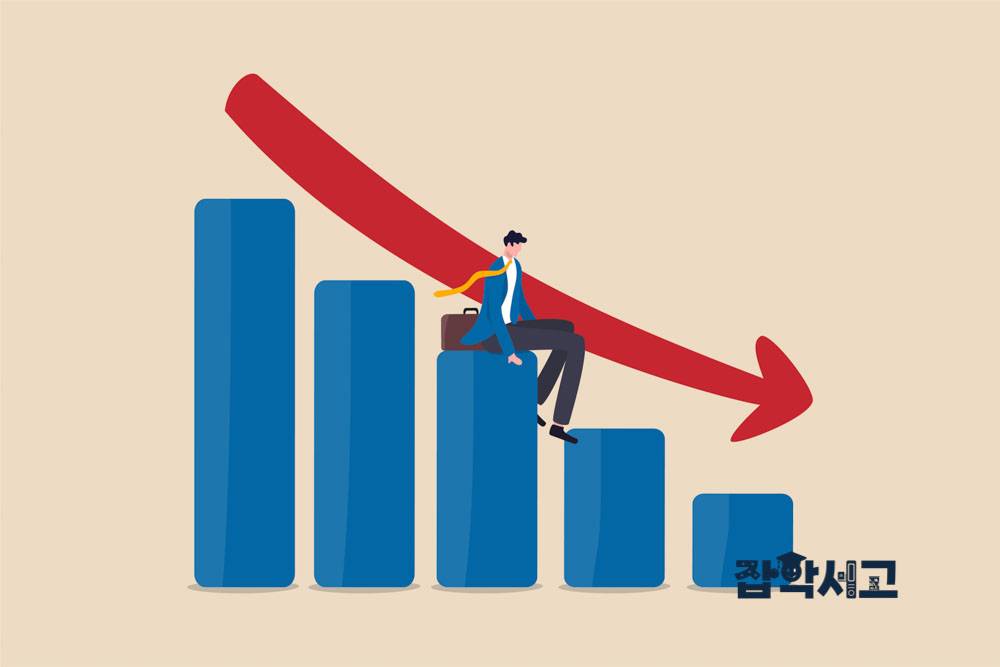 What Causes Deflation?
Declining Demand
One of the main causes of deflation is declining demand. As spending by consumers and businesses falls throughout the economy, aggregate demand for goods and services decreases. This leads to an economic downturn and rising unemployment, causing demand to decline further.
Excess Supply
Another major cause is excess supply. When production capacity exceeds demand, businesses lower prices to clear their inventories. This, in turn, leads consumers to expect further price declines and postpone spending. When this happens, demand decreases further, and excess supply persists.
The Influence of the Global Economic Environment
The global economic environment can also cause deflation. As uncertainty in the world economy increases, international trade and investment activity may contract. This can slow economic growth in individual countries and lead to declining demand in their domestic economies.
The Influence of Technological Progress
Technological progress can also cause deflation. Automation and digitalization lower production costs and increase productivity, but they can also negatively affect the labor market. This can deepen income inequality and reduce spending power.
Government Fiscal and Monetary Policies
Government fiscal and monetary policies also influence deflation. Austerity policies can reduce government spending and suppress economic activity. In addition, if the central bank's monetary policy is ineffective, it is likely to fail to stimulate the economy, allowing deflation to persist.
Changes in Demographics
Finally, demographic changes can also cause deflation. An aging society can hinder economic growth by reducing the working population and consumption. This can act as a factor that increases deflationary pressure over the long term.
The Negative Effects of Deflation on the Economy
 What Are the Negative Effects of Deflation?
Weaker Consumer and Investment Sentiment
Deflation has the effect of dampening sentiment among consumers and businesses. Expectations that prices will continue to fall lead them to postpone consumption and investment, reducing the overall volume of economic activity.
Rising Real Interest Rates
Deflation also has the effect of raising real interest rates. When nominal interest rates are low or at zero, falling prices raise real interest rates, increasing borrowing costs for economic actors. This becomes a factor that suppresses both business investment and household consumption.
An Increased Debt Burden
Deflation also increases the burden of debt. Although the nominal debt of businesses and households remains unchanged, rising real purchasing power increases the burden of debt repayment. This places a significant additional burden on economic actors facing financial difficulties.
Financial System Instability
The stability of the financial system is also threatened by deflation. Falling asset prices weaken the balance sheets of financial institutions, which can cause a credit crunch. The risk of financial institutions going bankrupt has repercussions throughout the economy and can delay economic recovery.
A Deteriorating Job Market
Deflation also negatively affects the job market. Declining business revenue leads to cuts to production and employment, resulting in rising unemployment. A prolonged rise in unemployment reduces spending capacity across the economy and can intensify further deflationary pressure.
Slower Long-Term Economic Growth
Finally, deflation darkens the long-term outlook for economic growth. Weaker investment sentiment among businesses and reduced economic activity weaken the drivers of economic growth, lowering the competitiveness of the national economy. This can become a factor that undermines its position in the international economic order.
Solutions to Deflation: Policy Responses and Structural Changes
 How, Then, Can It Be Resolved?
Providing Liquidity Through Monetary Policy
To address deflation, the central bank must supply liquidity to the market through monetary easing. Stimulating economic activity by lowering real interest rates plays an important role in encouraging consumption and investment.
Strengthening Government Fiscal Policy
Government fiscal policy also plays an important role in resolving deflation. Increasing fiscal spending to stimulate economic activity and creating jobs through public projects such as infrastructure investment can have the effect of increasing demand throughout the economy.
Structural Changes to Strengthen Economic Competitiveness
Strengthening the economy's competitiveness through structural changes is also essential. Raising economic productivity through policies that upgrade the industrial structure and promote technological innovation can help encourage long-term economic growth.
Strengthening the Social Safety Net
Strengthening the social safety net is one of the important solutions for easing economic insecurity. Unemployment insurance and social welfare programs can increase people's capacity to spend, which can have the effect of strengthening economic stability.
The Importance of International Cooperation
International cooperation also plays an important role in resolving deflation. To reduce uncertainty in the global economic environment, the international community needs to promote trade and investment. This can help stimulate economic growth in individual countries and ease deflationary pressure.
Increasing Labor Market Flexibility Through Education and Training
Finally, it is necessary to increase labor market flexibility through education and training. This can help secure a workforce capable of responding to technological progress and changes in the industrial structure, while promoting sustainable economic growth.
Deflation is a serious problem with complex effects throughout the economy. Resolving it requires policy responses from the central bank and government, structural changes, a stronger social safety net, international cooperation, and stronger education and training.
A comprehensive and multifaceted approach can ease deflationary pressure and promote sustainable economic growth.