Air pressure refers to the pressure of the atmosphere, which has an important influence on weather and the environment, and we can feel its effects in many ways in everyday life. Accurately understanding and measuring air pressure plays an important role in weather forecasting and in understanding weather phenomena.
This article takes a detailed look at the basic concept of air pressure, the role of atmospheric pressure, how pressure changes affect the weather, the roles of high and low pressure, and the latest technologies for analyzing air pressure.
What Is the Basic Concept of Air Pressure?
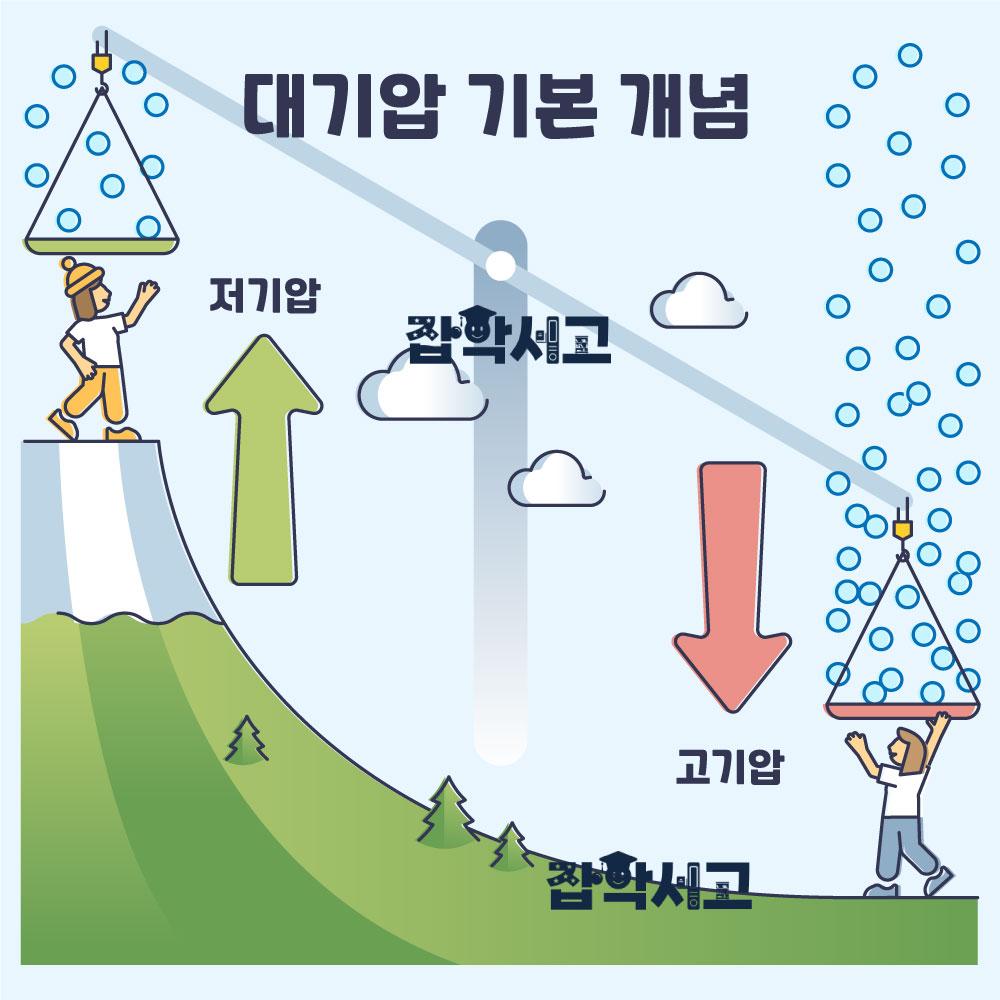 What is the basic principle of air pressure? (Example image of air pressure at different altitudes)
What is air pressure?
Air pressure is the pressure of the atmosphere, meaning the pressure that each layer of the atmosphere exerts on everything beneath it. Air pressure arises mainly from the weight of the air, and at the surface, air pressure at sea level is about 1013 hectopascals (hPa). This is equivalent to a force of about 1 kilogram acting on an area of 1 square centimeter.
The relationship between altitude and air pressure
Air pressure generally tends to decrease as altitude increases. This is because the density of the atmosphere falls as altitude rises, which reduces the pressure it exerts. For example, the air pressure at the top of a mountain is much lower than on flat ground. This is also why breathing becomes difficult when climbing mountains.
Units of air pressure
Air pressure can be measured in several units, but the most common are the hectopascal (hPa) and the millibar (mb). One hectopascal equals one millibar, and these are the units most commonly used in weather observation.
The relationship between air pressure and temperature
Air pressure is also closely related to temperature. As temperature rises, the density of the atmosphere falls and air pressure drops; conversely, as temperature falls, the density of the atmosphere rises and air pressure increases. This shows that air pressure and temperature are linked to each other.
How air pressure affects the weather
Air pressure also affects wind and precipitation, and changes in air pressure are an important factor in predicting changes in the weather. For example, high pressure areas generally have clear weather, while low pressure areas often have rain or snow.
The importance of air pressure
Understanding air pressure is a very important factor in predicting and preparing for the weather. By analyzing changes in air pressure, we can predict future weather phenomena and build the ability to prepare for them.
The Role and Importance of Atmospheric Pressure: Why Does It Matter?
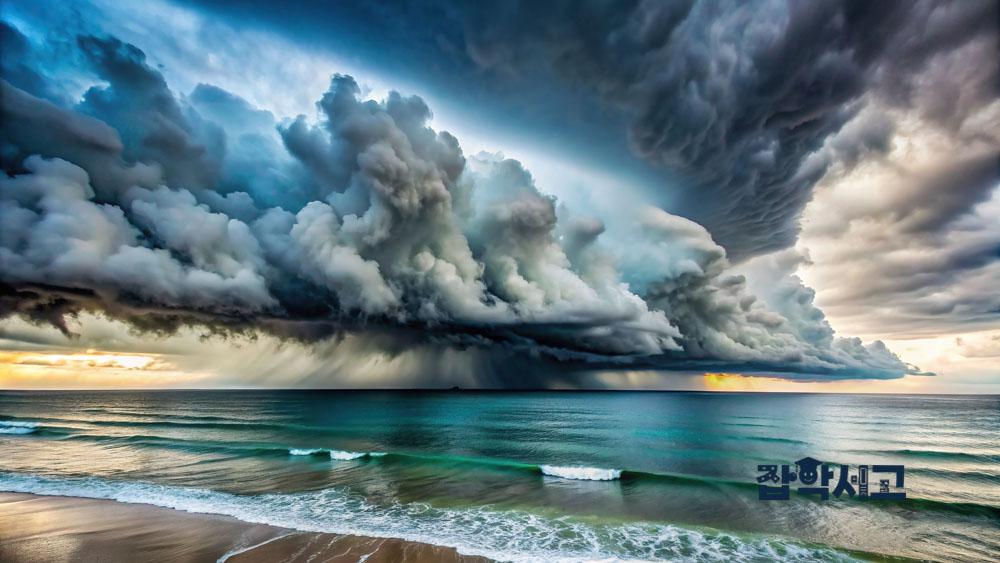 Why do we need to understand atmospheric pressure?
Effects on weather phenomena
Atmospheric pressure has a major influence on many weather phenomena at the Earth's surface, such as temperature, wind, and precipitation. It is used as one of the key variables in weather forecasting and is an essential factor in understanding and predicting weather and climate.
Temperature fluctuations and atmospheric stability
Atmospheric pressure has a particularly large effect on temperature fluctuations. In high pressure areas the atmosphere is stable and clear weather persists, while in low pressure areas the atmosphere becomes unstable and precipitation such as rain or snow occurs frequently. This is one of the reasons air pressure is important for predicting the weather.
Determining wind direction and speed
Atmospheric pressure also plays an important role in determining the direction and speed of wind. Wind generated by pressure differences moves from areas of high atmospheric pressure to areas of low atmospheric pressure. As a result, air pressure has a major influence on how winds form and the paths they take.
Effects on ocean climate
Atmospheric pressure also plays an important role in ocean climate. Pressure changes over the ocean surface affect the formation of currents and waves, which in turn have a major influence on marine ecosystems and ocean climate. This can also affect the habitats and migration routes of marine life.
Effects on human health and daily life
Atmospheric pressure also affects human health and daily life. Sudden pressure changes in particular can cause headaches, joint pain, and fatigue, which shows that air pressure is also an important factor in the medical field. People who are sensitive to pressure changes should pay particular attention to changes in the weather.
Aircraft operations and safety
Finally, atmospheric pressure has a major influence on aircraft operations. During flight, pressure changes are an important condition for choosing routes and adjusting altitude, and this is directly tied to aviation safety. Therefore, accurately measuring and predicting air pressure is essential for making aircraft operations safer.
The Roles of High and Low Pressure: Understanding Climate Change
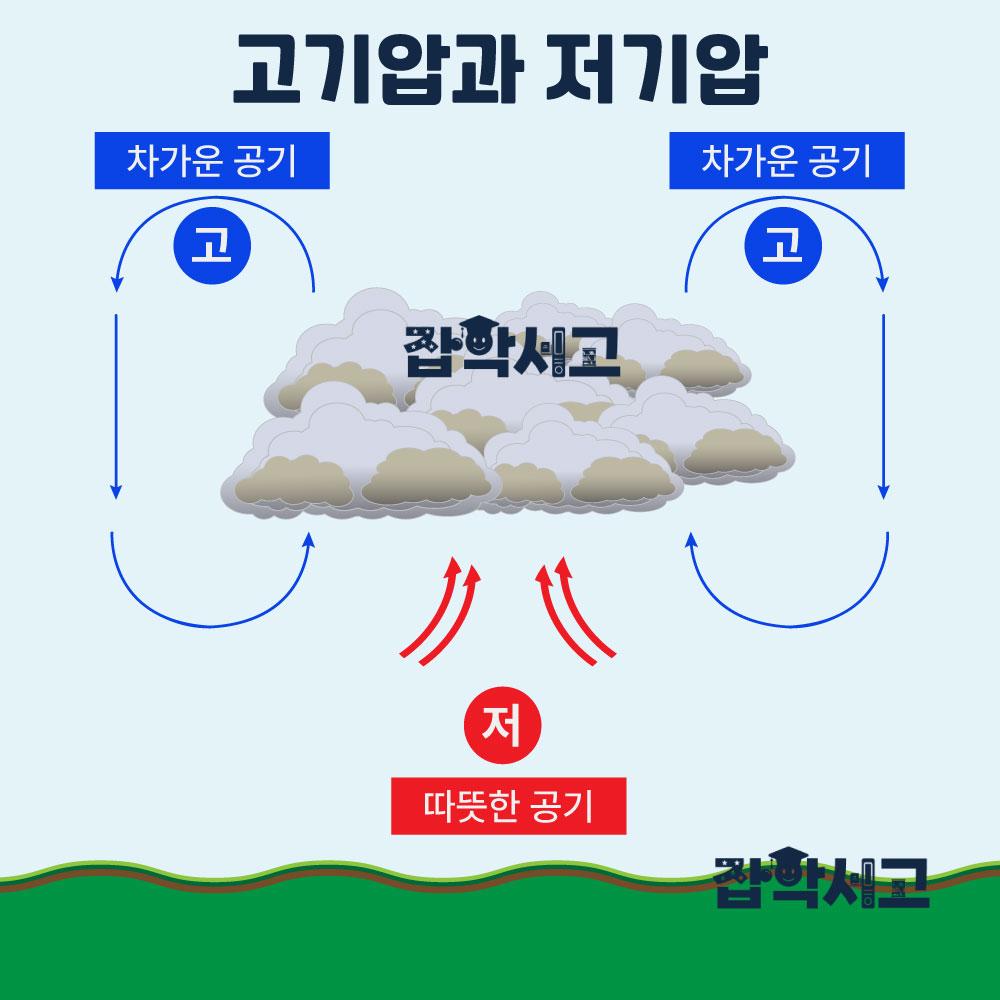 Understanding high and low pressure
High pressure and atmospheric stability
High pressure usually results from the contraction of the atmosphere, which increases atmospheric stability and brings clear weather. High pressure forms because of sinking air currents in the atmosphere; these downdrafts compress the air and reduce the moisture in it, bringing clear weather. High pressure areas generally have stable weather, which has a positive effect on daily life and industrial activity.
Low pressure and unstable weather
Low pressure, on the other hand, results from the expansion of the atmosphere, and the unstable atmospheric conditions bring weather phenomena such as rain, storms, and snow. Low pressure forms because of rising air currents in the atmosphere; these updrafts expand the air and condense moisture, creating clouds and rain. Low pressure areas have unstable weather, which can affect many industries such as agriculture, aviation, and shipping.
Shaping global climate patterns
High and low pressure play an important role in shaping the Earth's climate patterns. For example, high pressure usually forms over the Earth's polar regions, which explains their stable weather. In contrast, low pressure frequently forms in equatorial regions, which explains the high rainfall and unstable weather there.
High pressure and dry climates
Dry climates and desert regions are usually under the influence of persistent high pressure. Because sinking air dominates in these regions, it hardly ever rains, and extremely dry weather persists. This explains the climate of dry regions such as deserts.
Low pressure and tropical rainforests
Tropical rainforest regions, by contrast, are strongly influenced by low pressure, which explains their high rainfall and lush vegetation. In low pressure areas the air rises and moisture condenses, producing abundant rain, and this is how tropical rainforests form.
High and low pressure as indicators of climate change
Changes in high and low pressure can be used as important indicators of climate change. For example, when polar high pressure weakens, so-called 'polar warming' appears, which affects climate change around the world. Conversely, an increase in the frequency and intensity of low pressure in equatorial regions may be related to climate change in the tropics.
The interaction of high and low pressure
The interaction of high and low pressure forms weather systems, which create a wide variety of weather patterns from region to region. Understanding these interactions is important for predicting and preparing for climate change.
How Pressure Changes Affect the Weather
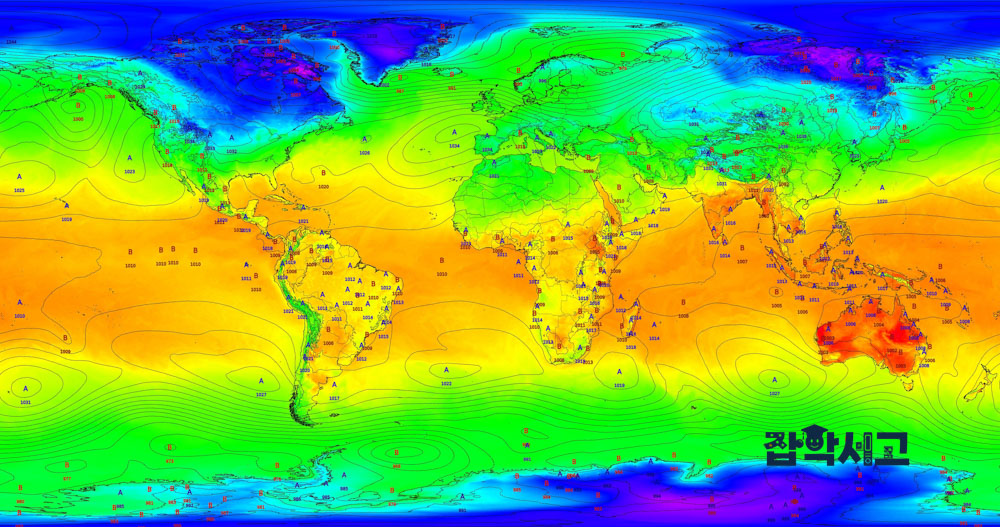 Air pressure and temperature around the world (A: high pressure / B: low pressure)
Changes in air pressure are one of the main causes of changes in the weather and have an important influence on many weather phenomena. The interaction of high and low pressure forms weather systems, which create a wide variety of weather patterns from region to region.
High pressure and clear weather
High pressure areas generally have clear, dry weather. This is because high pressure creates a sinking flow of air that suppresses cloud formation and keeps the atmosphere stable. For this reason, high pressure areas tend to get a lot of sunshine and rising temperatures.
Low pressure and precipitation
In low pressure areas, on the other hand, the air rises and clouds form, so precipitation such as rain or snow occurs easily. In low pressure areas the atmosphere becomes unstable, and this can lead to a variety of weather phenomena. This shows that low pressure is one of the main causes of extreme weather such as typhoons and storms.
Pressure changes and wind
Pressure changes also have a major influence on how wind forms and moves. Wind generally blows from areas of high pressure to areas of low pressure, a phenomenon caused by pressure differences. The greater the pressure difference, the stronger the wind, and this has a major influence on weather and climate.
Seasonal pressure changes
Seasonal pressure changes also have an important effect on the weather. For example, in winter, as the land surface cools down over the continent, high pressure systems such as the Siberian High develop, while in summer, as the continent heats up, pressure there falls, and over the ocean the North Pacific High expands its reach. This is an important factor in understanding seasonal weather patterns.
Pressure changes and temperature
Pressure changes are also closely related to temperature changes. Temperatures tend to rise in high pressure areas and fall in low pressure areas. This shows that air pressure and temperature interact with each other and play an important role in shaping the weather.
Pressure changes in weather forecasting
Lastly, pressure changes are used as an important variable in weather forecasting. Forecasters use pressure changes to predict future weather and, through this, provide information that helps people prepare for weather disasters. This further highlights the importance of pressure changes.
The Latest Pressure Analysis Technologies: Using AI and Big Data
 What are the latest technologies for analyzing air pressure?
Analyzing air pressure with artificial intelligence
Pressure analysis technology is undergoing major changes thanks to advances in artificial intelligence (AI) and big data. AI provides the ability to analyze complex pressure data quickly and accurately, greatly improving the accuracy and efficiency of pressure analysis. For example, machine learning algorithms can learn from past pressure data to predict future pressure changes. This can make weather forecasts more reliable and is especially helpful for predicting and preparing for natural disasters.
Big data and pressure analysis
Big data is another important element of pressure analysis. Meteorologists collect vast amounts of pressure data every day, and big data technology is essential to analyze it efficiently. Big data analysis helps process data quickly and identify important patterns and trends.
Applications in industry
The latest pressure analysis technologies offer great benefits not only for weather forecasting but also for many industries. For example, the aviation industry can use AI and big data to optimize flight paths and ensure safe operations. In agriculture, too, these technologies make it possible to predict pressure changes in advance and plan crop cultivation.
Its role in climate change research
Pressure analysis using AI and big data also plays an important role in climate change research. Climate change is a highly complex problem in which many factors interact. AI helps analyze these complex interactions and understand the causes and consequences of climate change more clearly. Big data makes it possible to analyze diverse climate data together and identify long-term trends and patterns in climate change.
Public safety and disaster management
Finally, the latest pressure analysis technologies are also making a major contribution to public safety and disaster management. AI and big data can be used to make natural disaster prediction models more sophisticated, which strengthens early warning systems and minimizes the damage caused by natural disasters. These technologies go beyond simple weather forecasting and are having an important impact across society as a whole.
Air pressure goes beyond being simply the concept of atmospheric pressure; it is an important factor that deeply influences weather, climate, and human life.
Understanding the basic concept of air pressure, grasping the role and importance of atmospheric pressure, analyzing how pressure changes affect the weather, and understanding the latest pressure analysis technologies are all a great help in our daily lives and in weather forecasting.
We look forward to continued research and technological progress on air pressure making ever more accurate weather forecasts and better preparation for weather disasters possible.