Natural disasters can cause enormous harm to human lives and property, and landslides pose a particularly serious risk among them. Because landslides occur alongside sudden changes in terrain, the damage they cause is even greater.
This article will examine landslides in detail, from their definition and key characteristics to their causes, an analysis of their mechanisms, and prediction and prevention. Through this, we aim to deepen understanding of landslides and explore ways to minimize damage.
Definition and Key Characteristics of Landslides: The Beginning of Terrain Changes
 What Is a Landslide?
Definition of a Landslide
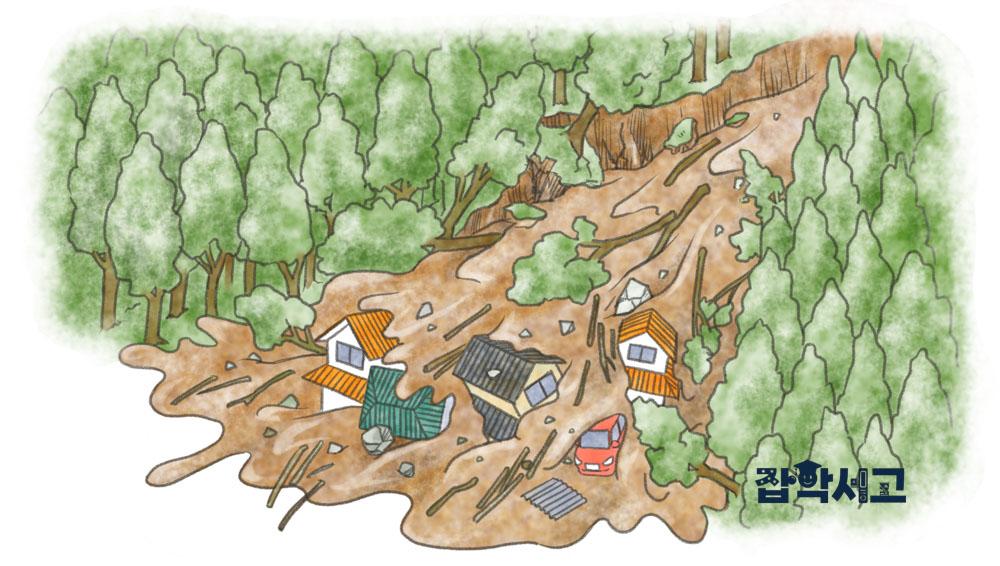
A landslide is a phenomenon in which soil or rock suddenly moves on a mountain slope. It occurs under the influence of gravity, with slope instability as its main cause. Landslides are generally triggered by natural factors such as rainfall, earthquakes, and volcanic activity.
Scale and Speed of Landslides
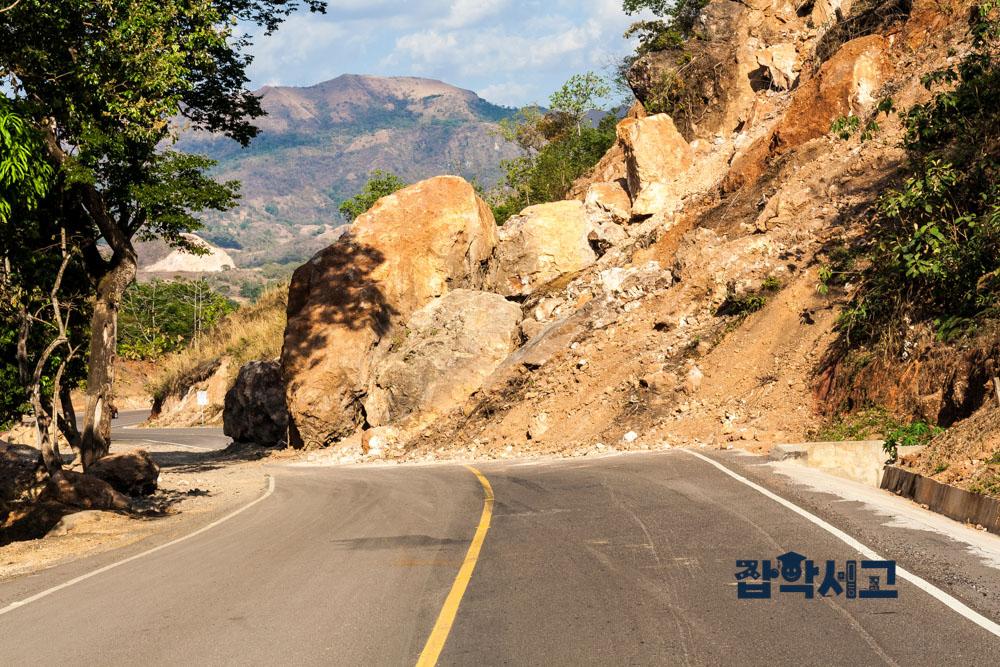
Landslides can also be classified in various ways according to their scale and speed. Small-scale landslides occur within a small area, while large-scale landslides affect extensive areas. As a result, they cause not only casualties but also enormous physical damage to roads, houses, farmland, and more.
Difficulties in Predicting Landslides
One of the key characteristics of landslides is that they are very difficult to predict. Because early warning signs are unclear, advance preparations are often insufficient. Landslides also occur very quickly, leaving very little time to evacuate.
Changes in Terrain and Effects on Ecosystems
Landslides rapidly change the terrain and sometimes form new landforms. For example, new valleys or hills may appear after a landslide, and the existing terrain may be significantly altered. These changes in terrain also have a major impact on local ecosystems.
Compound Natural Disasters
Landslides can also occur in connection with other natural disasters. For example, landslides may occur after an earthquake, or torrential rain may lead to subsequent landslides. Such compound natural disasters further increase the damage.
Effects of Human Activities
Finally, landslides can also be influenced by human activities. Indiscriminate development of mountain areas, logging, and road construction increase slope instability and raise the risk of landslides. It is therefore important to manage human activities and the natural environment in harmony.
Landslides are a type of natural disaster that is difficult to predict, making advance preparation important. Since human activities as well as natural factors can increase landslide risk, environmental management must take these factors into account.
Causes of Landslides: Geological and Environmental Factors
 How Do Landslides Occur?
Geological Factors
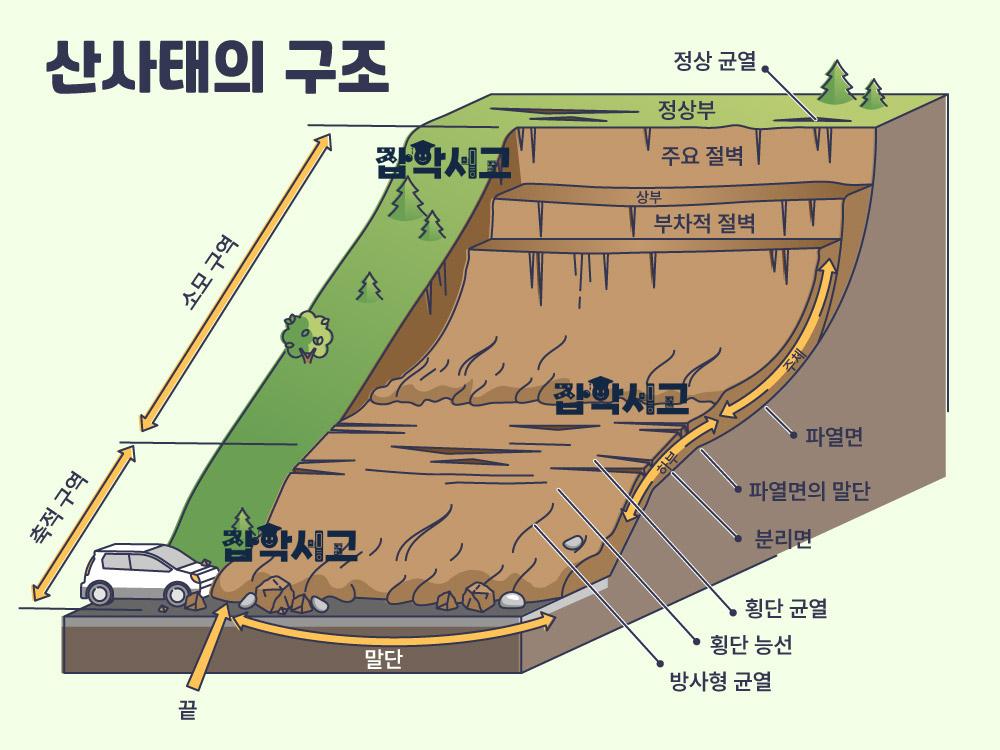
The main causes of landslides can be broadly divided into geological and environmental factors. Geological factors include rock types, soil composition, and the inclination of strata. For example, mountain areas with steep slopes have a high risk of landslides.
Inclination of Strata and Structural Weaknesses
One geological factor is the inclination of strata. When strata are inclined, they can easily slide under the influence of gravity. Structural weaknesses in strata, such as cracks or faults, also increase the likelihood of landslides.
Environmental Factors
Environmental factors include rainfall, avalanches, and earthquakes. Rainfall, in particular, saturates the soil and reduces slope stability. Continuous rainfall weakens the soil's strength and can eventually cause a landslide.
Effects of Earthquakes
Earthquakes are also an important cause. They shake the ground and increase slope instability. As a result, a previously stable slope may suddenly collapse. In fact, many landslides frequently occur after earthquakes.
Effects of Human Activities
Human activities also contribute significantly to the causes of landslides. For example, development of mountain areas, logging, and road construction undermine the natural stability of slopes. These activities accelerate natural changes in terrain and increase the risk of landslides.
In conclusion, landslides occur through the combined action of various factors. It is therefore important to understand these factors comprehensively and develop prediction and prevention measures accordingly.
Analyzing Landslide Mechanisms: Internal and External Influences
 What Factors Affect Landslides?
Internal Factors
The mechanisms of landslides can be divided into internal and external factors. Internal factors include the physical and chemical properties of soil and rock, while external factors include environmental conditions.
Soil Saturation
One internal factor is soil saturation. When soil becomes saturated with water from rainfall or snowmelt, its strength decreases. This increases slope instability and raises the likelihood of a landslide.
Properties of Rock
The properties of rock are also an important internal factor. For example, rock with many cracks can easily collapse. Because resistance to erosion and weathering also varies by rock type, the likelihood of landslides can differ as well.
External Factors
External factors include rainfall, earthquakes, and human activities. These factors can interact with internal factors to cause landslides.
Rainfall
Rainfall saturates the soil and reduces slope stability. Continuous rainfall weakens the soil's strength and can eventually cause a landslide.
Earthquakes
Earthquakes shake the ground and increase slope instability. As a result, a previously stable slope may suddenly collapse. In fact, many landslides frequently occur after earthquakes.
Human Activities
Human activities also undermine the natural stability of slopes. For example, development of mountain areas, logging, and road construction disrupt the natural balance of slopes and increase landslide risk.
Interaction Between Internal and External Factors
Understanding the mechanisms of landslides requires a comprehensive analysis of the interaction between these internal and external factors. For example, if an earthquake occurs when the soil is saturated by rainfall, the likelihood of a landslide becomes very high.
The Need for a Comprehensive Approach
A comprehensive approach that considers both internal and external factors is therefore necessary to effectively predict and prevent landslides. This can minimize the risk of landslides.
In conclusion, landslide mechanisms are complex and multidimensional. Because internal and external factors interact to cause landslides, it is important to understand and analyze them systematically.
Landslide Prediction and Prevention: The Latest Technologies and Methodologies
 How Can Landslides Be Predicted and Prepared For?
The Key to Prediction
Landslide prediction and prevention use various latest technologies and methodologies. The key to prediction is identifying the likelihood of a landslide in advance. Geological surveys, weather data analysis, and slope stability assessments are used for this purpose.
Geological Surveys
Geological surveys are very important for identifying the structural characteristics of slopes. They make it possible to identify slope instability in advance and help designate hazardous areas. The use of the latest technologies is making more precise surveys possible.
Weather Data Analysis
Weather data analysis also plays an important role. Analyzing data such as rainfall, temperature, and humidity can help predict the likelihood of landslides. In particular, artificial intelligence and machine learning technologies can be used to develop more sophisticated prediction models.
Slope Stability Assessment
Slope stability assessment is a method of evaluating the likelihood of landslides by analyzing the physical characteristics of slopes. Various simulation software tools are used for this purpose, simulating real-world conditions to assess slope stability.
Prevention Methods
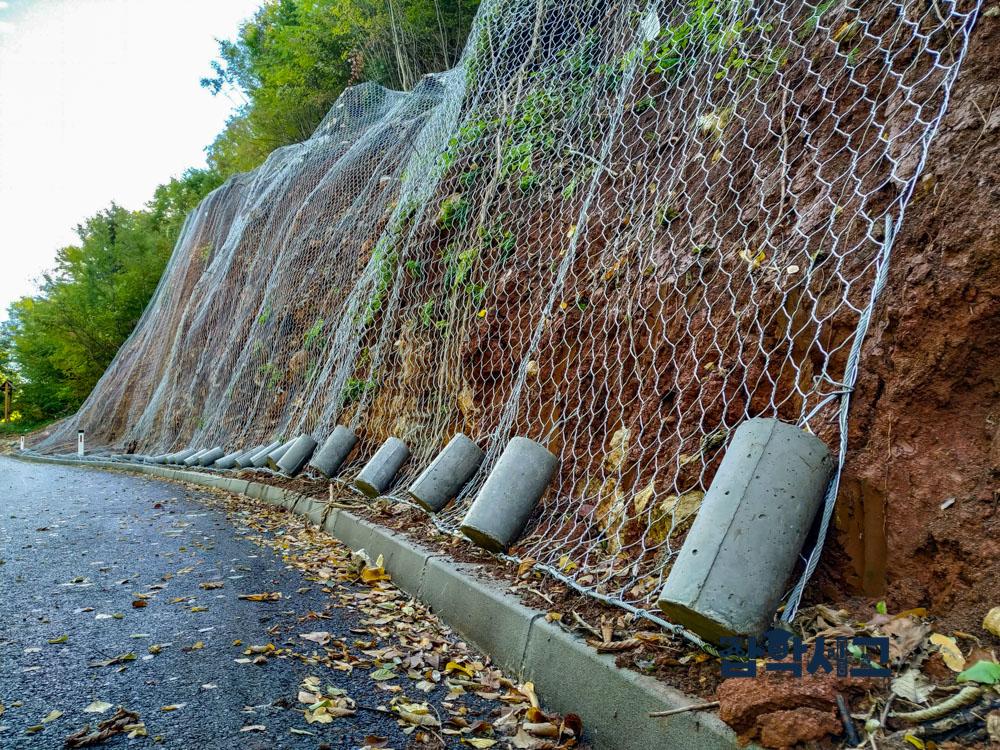
Various structural and nonstructural methods are used to prevent landslides. Structural methods include waterproof walls, drainage channels, and support walls, while nonstructural methods include early warning systems, education, and training.
Early Warning Systems
Early warning systems play a particularly important role in landslide prevention. They can detect signs of a landslide in advance and prompt evacuation. The latest technologies make it possible to monitor data in real time and respond quickly.
In conclusion, landslide prediction and prevention use the latest technologies and methodologies. This can minimize damage caused by landslides and create a safe environment.
Landslides, a type of natural disaster, are dangerous phenomena that can cause enormous damage along with changes in terrain. Understanding them requires a comprehensive understanding of their definition and characteristics, causes, mechanisms, and methods of prediction and prevention.
We hope this article helps deepen understanding of landslides and develop appropriate preparedness and response measures. Our goal should be to use the latest technologies and methodologies to reduce damage caused by landslides and create a safe environment.