Animation is a powerful medium that moves and entertains viewers. The production process passes through several stages, from developing ideas to character design, modeling, texturing, and post-production, before reaching completion.
This article takes a detailed look at the stages commonly involved in animation production today and the technical elements of each.
Comparing Traditional and Modern Animation Production Techniques
 What are traditional animation production techniques?
Traditional Animation Techniques
Traditional animation techniques primarily consist of cel animation (Cell Animation) and stop-motion animation (Stop Motion). Cel animation depicts movement by playing a series of hand-drawn images in sequence. Because each frame must be drawn individually, it requires considerable time and effort. Early animation studios such as Disney used this method to produce classic animations.
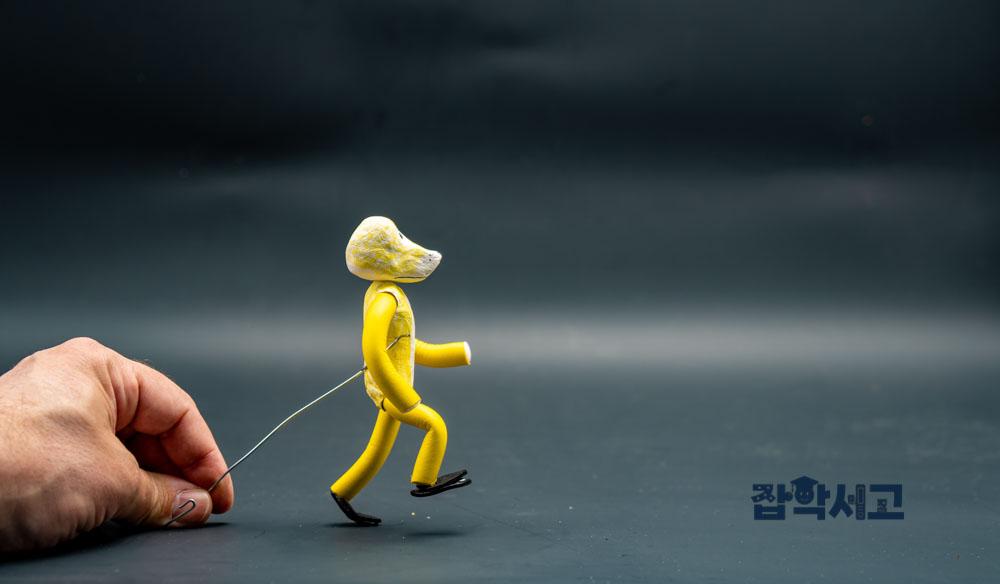
Stop-motion animation depicts movement by photographing real objects as they are moved in small increments. This technique was frequently used in classic films and TV programs, and it requires moving objects by hand for every frame.
Modern Animation Techniques
Modern animation techniques primarily consist of computer-based 3D animation and digital 2D animation. 3D animation is produced through the stages of 3D modeling, texturing, rigging, animation, and rendering. Computer graphics make it possible to create more detailed and realistic characters and environments while reducing repetitive work and improving efficiency.
Digital 2D animation is a method of creating traditional hand-drawn animation with digital tools. Images are drawn using digital software and then used as the basis for producing animation. Because graphics tablets and digital pens replace paper and pens, the work becomes more convenient and revisions are easier.
Comparison
- Work efficiency: Traditional techniques require substantial manual work and therefore considerable time and effort, whereas modern techniques can greatly improve work efficiency through computer software.
- Cost: Traditional techniques involve high labor and material costs, whereas modern techniques require a high initial investment but may be more economical in the long term.
- Quality: Modern techniques can produce more detailed and realistic visuals and allow a variety of special effects and simulations to be applied.
- Flexibility: Modern techniques make revisions and reworking easier, allowing greater flexibility in responding to changing requirements.
Traditional and modern techniques each have their advantages and disadvantages, and it is important to choose an appropriate technique based on the animation's purpose and style. Modern animation production also frequently combines the two approaches.
Animation Planning: Developing Ideas and Creating Storyboards
 What happens during the animation planning stage?
Developing Ideas
The first stage of animation is developing ideas. This is an important process that determines the style and tone of the entire animation. During this stage, creators establish the theme and story and consider how to express them visually. It is important to develop concrete ideas through brainstorming with various team members in the studio.
Creating Storyboards
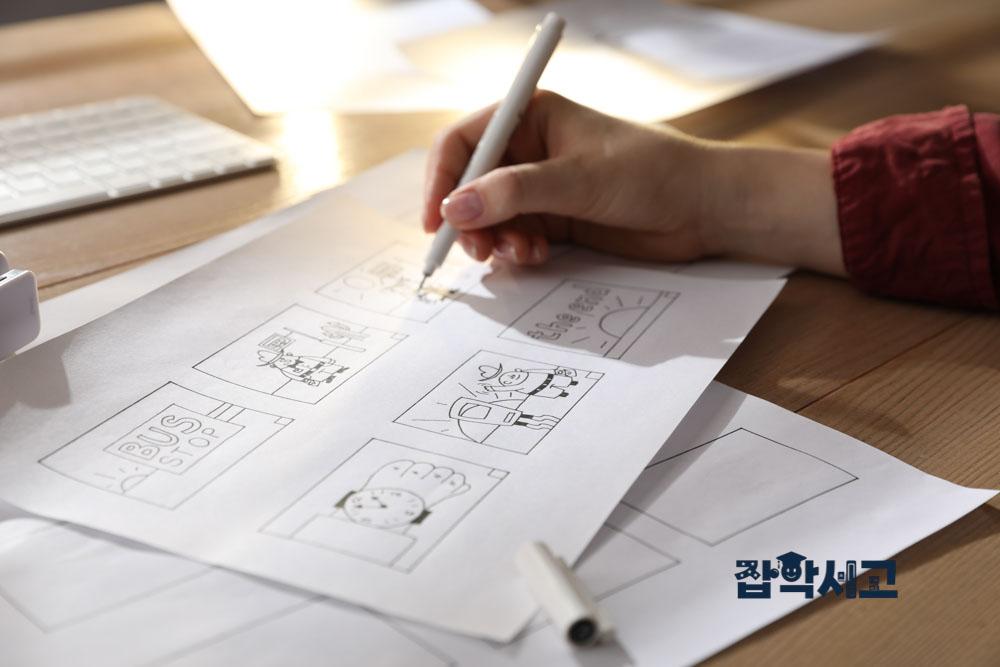
Once the ideas have taken shape, the next stage is creating storyboards. A storyboard is a kind of blueprint that visually represents each scene in an animation. It helps directors, animators, and designers understand the overall flow of the story and clearly grasp the composition of each scene. Storyboards also provide an opportunity to identify and resolve potential problems before they arise later.
Key Elements and Maintaining the Visual Style
When creating storyboards, it is important to clearly depict the key elements of each scene, along with the characters' positions, actions, dialogue, and other details. This allows animators to recreate the scene easily during the actual animation work. Camera angles, lighting, and other elements to be used in particular scenes are also included in the storyboard to help maintain the overall visual style.
Creating an Animatic
After the storyboard is completed, an animatic (Animatic) is created based on it. An animatic arranges the storyboard in chronological order and adds simple animation effects and sound. This allows the director and team members to review the animation's overall flow and timing.
Review and Revision
Once the animatic is complete, a final review is conducted with the team members. During this process, necessary revisions are identified and incorporated before moving on to the next stage. Planning is an important process that lays the foundation for the entire animation, and thorough preparation at this stage plays a major role in improving the efficiency of subsequent production and the quality of the final result.
Schedule Management
Finally, schedule management is an important element of the planning stage. How well the schedule is managed during initial planning has a major influence on the success of the entire project. It is therefore important at this stage to accurately estimate the time needed for each task and establish a realistic schedule based on those estimates.
Character Design: Techniques for Visual Appeal and Expressing Individuality
 What is the character design process like?
The Importance of Character Design
Character design is one of the most important stages in animation production. This stage involves designing each character's appearance, personality, movements, and other characteristics. Character design is an important element that enables viewers to become emotionally engaged with an animation. It is therefore important at this stage to express each character's appeal and individuality as effectively as possible.
Sketching Initial Ideas
The first stage is sketching the initial ideas for a character. This involves expressing the character's appearance, clothing, facial expressions, and other features through simple drawings. At this stage, a variety of ideas are explored to find the most suitable design.
Finalizing the Detailed Design
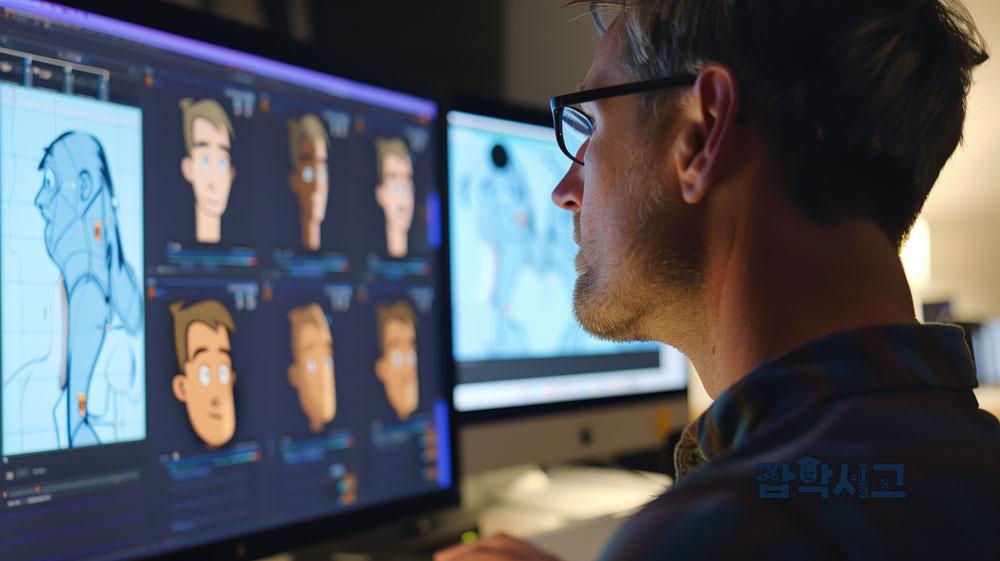
The next stage is finalizing the character's detailed design. At this stage, the character's details are developed further to complete the final appearance. This involves deciding on the character's proportions, colors, textures, and other features. Various expressions and poses are also drawn for each character to explore ways of expressing their personality and individuality more effectively.
Creating a Character Turnaround
Once the character design is finalized, a character turnaround (Character Turnaround) is created based on it. A turnaround consists of drawings showing the character from multiple angles. This enables animators to draw the character consistently from any angle. This process plays a particularly important role in 3D animation.
Creating Animation Reference Footage
Creating animation reference footage (Animation Reference) is also important for depicting a character's movements naturally. Reference footage involves filming the movements of real people and then using that footage as the basis for analyzing and implementing the character's movements. This allows the character's actions to be depicted more naturally and realistically.
Writing a Character Bio
Finally, a character bio (Character Bio) is written to better understand the character's personality and background. This document records the character's name, age, personality, backstory, and other information. It allows animators and designers to better understand the character's behavior and dialogue and reflect them in the animation.
Animation Production: Modeling, Texturing, and Rigging
 What is the process of bringing characters to life?
Modeling
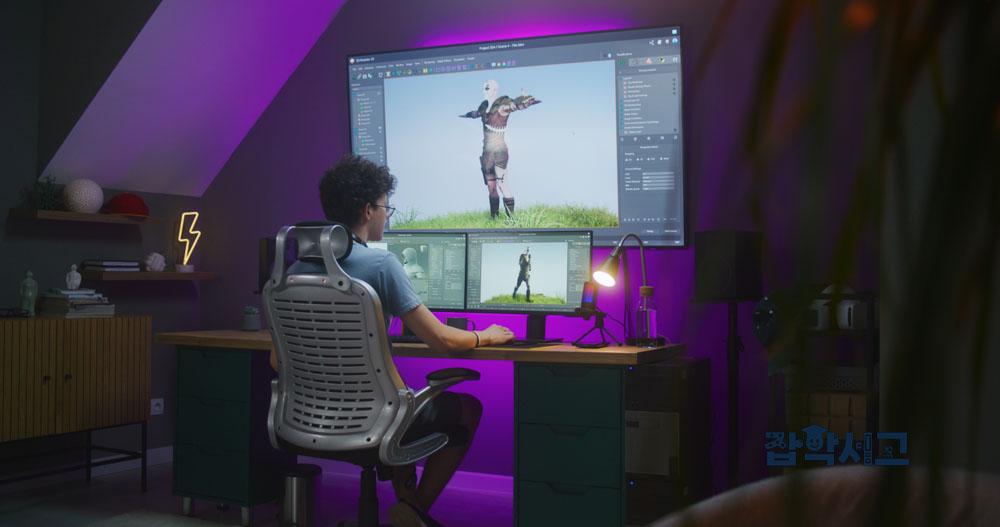
Modeling is the stage at which animation production begins in earnest. Modeling refers to the process of creating characters and environments in 3D space. During this process, the character's form and structure are carefully designed to provide a foundation for free movement in subsequent animation work. Modeling is primarily carried out using 3D software, with the polygon count of each character and object adjusted to maintain optimal performance.
Texturing
Once modeling is complete, the next stage is texturing. Texturing involves adding colors, surface textures, and details to a model. This makes the model appear more realistic and lifelike. Texturing is primarily carried out using texture-painting software, with UV mapping (UV Mapping) used to apply textures accurately to the model.
Rigging
The following stage is rigging. Rigging is the process of adding a skeleton and joints to a model to enable movement. This allows the character to freely assume various poses and perform various actions. Rigging is primarily carried out using rigging software, with each joint's rotation axes and constraints set precisely to produce natural movement.
Skinning
Rigging is followed by skinning (Skinning). Skinning is the process of connecting the model's surface to the rigged skeleton so that the model deforms naturally as the skeleton moves. This allows the character's skin and muscles to deform naturally with the movement of the joints. Skinning is primarily carried out using skinning software, with the connections between each part of the skeleton and the model's surface adjusted precisely.
Animation
The process now moves on to the animation stage. Animation is the process of giving movement to characters and objects. At this stage, the position, rotation, scale, and other properties of characters and objects are adjusted in each frame to create continuous movement. Animation is primarily carried out using animation software, with keyframe animation (Keyframe Animation) and motion capture (Motion Capture) techniques used to produce natural movement.
Simulation
Finally, simulation (Simulation) work is carried out. Simulation is the process of automatically calculating the movements of characters and objects according to physical laws. It is mainly used to create the movement of clothing, hair, water, fire, and similar elements. Simulation is primarily carried out using simulation software, with each object's physical properties and environmental conditions set precisely to produce natural movement.
Post-Production: The Roles of Rendering, Compositing, and Sound Design
 What happens during the final production stage?
The last stage of animation production is post-production. At this stage, the animation's final visuals and sound are completed.
Rendering
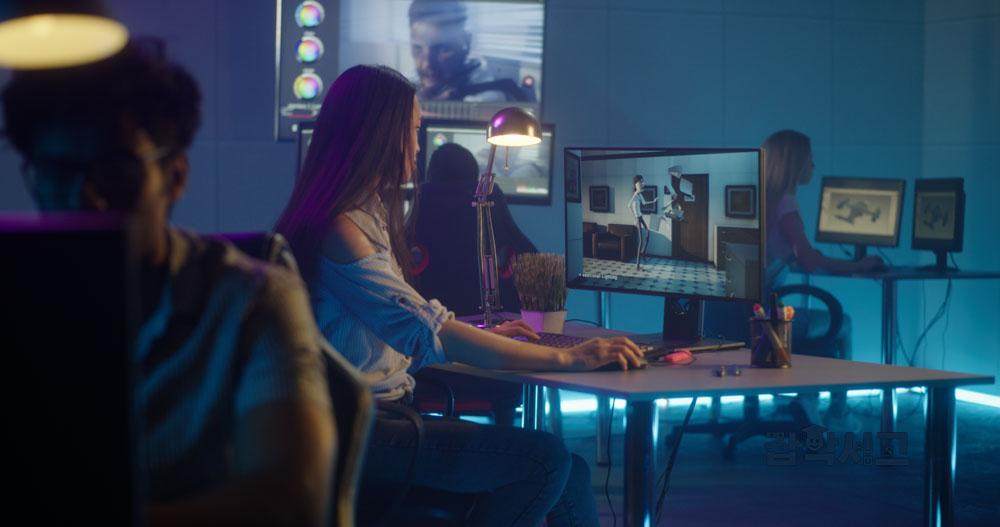
The first task is rendering. Rendering is the process of converting 3D models into 2D images. This determines how each frame of the animation will ultimately look. Rendering is primarily carried out using rendering software, with visual effects such as lighting, shadows, and reflections set precisely to generate the final image.
Compositing
Once rendering is complete, the next stage is compositing. Compositing is the process of combining multiple rendered images and video clips to complete the final animation. This allows the visual elements of each scene to be adjusted and special effects to be added. Compositing is primarily carried out using compositing software, with the position, transparency, colors, and other properties of each layer adjusted precisely to complete the final image.
Color Grading
The following task is color grading (Color Grading). Color grading is the process of adjusting the animation's colors and tones to maintain a consistent visual style. This can further enhance the animation's atmosphere. Color grading is primarily carried out using color-grading software, with the colors, contrast, brightness, and other properties of each scene adjusted precisely to maintain a consistent visual style.
Sound Design
The process now moves on to the sound design stage. Sound design is the process of creating the animation's soundtrack. This includes background music, sound effects, dialogue, and other audio. Sound design is primarily carried out using sound-design software, with each sound's timing, volume, tone, and other properties adjusted precisely to further enhance the animation's atmosphere and emotions.
Final Mixing
Once sound design is complete, final mixing (Final Mixing) is carried out. Final mixing is the process of combining all the soundtracks to complete the final audio. This allows the volume and balance of each soundtrack to be adjusted and improves the quality of the final audio. Final mixing is primarily carried out using audio-mixing software, with the position, volume, tone, and other properties of each soundtrack adjusted precisely to complete the final audio.
Final Review and Distribution
Finally, once all post-production work is complete, the final review stage begins. At this stage, the entire animation is reviewed once more to identify and make any necessary revisions. This can further improve the quality of the final animation. Once the final review is complete, the animation is ready for distribution and screening.
Animation production is a highly complex process involving multiple stages. Each stage requires meticulous work and collaboration, through which the final result is completed.
Only when all the processes, including developing ideas, creating storyboards, character design, modeling, texturing, rigging, and post-production, proceed smoothly can an animation that moves and entertains viewers come to life.
We hope this article helps you gain a deep understanding of the processes and technical elements involved in animation production.