El Niño and La Niña are climate phenomena that arise from complex interactions between the atmosphere and the ocean, significantly influencing climate and weather patterns worldwide. These two phenomena occur periodically, each with its own distinctive characteristics and effects.
This article examines the definitions and key characteristics of El Niño and La Niña, their effects on climate, their causes and mechanisms, and scientific research on forecasting and response strategies.
Definitions and Key Characteristics of El Niño and La Niña
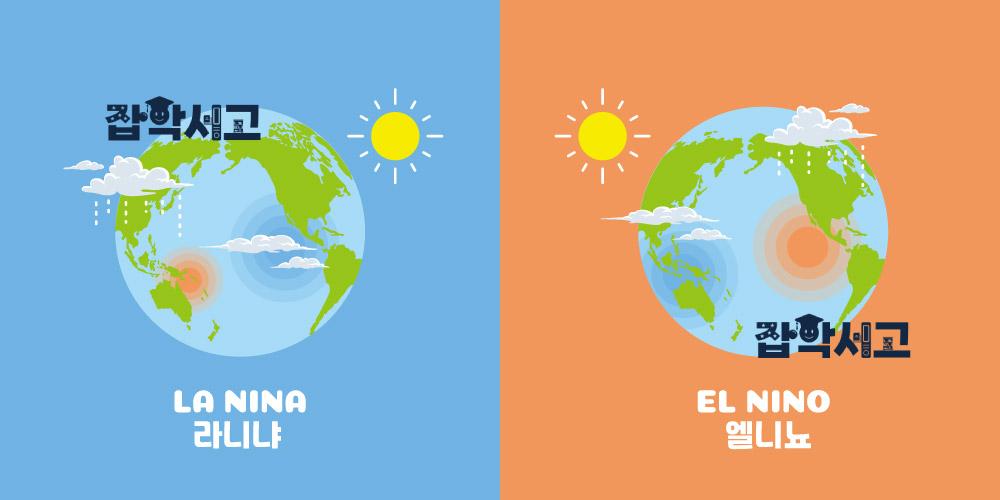 What Are El Niño and La Niña?
El Niño: The Effects of Warm Ocean Temperatures
El Niño refers to a phenomenon in which ocean temperatures in the eastern and central equatorial Pacific rise above their usual levels. The name means 'boy' in Spanish and was originally a term used by fishermen along the Peruvian coast to describe warm ocean currents around Christmas. El Niño can last from several months to several years and influences climate change worldwide.
La Niña: The Effects of Cold Ocean Temperatures
La Niña is the opposite of El Niño, referring to a situation in which ocean temperatures in the eastern and central equatorial Pacific fall below their usual levels. The name means 'girl' in Spanish, and, like El Niño, it can last from several months to several years. La Niña causes climate variations opposite to those of El Niño, but its effects are more complex than simply being the reverse.
ENSO: The Interaction Between El Niño and La Niña
El Niño and La Niña cause changes in normal oceanic and atmospheric circulation, affecting the entire climate system. Both phenomena are associated with the Southern Oscillation, and together they are called ENSO (El Niño-Southern Oscillation). ENSO plays an important role in Earth's climate system and significantly influences global climate patterns and weather phenomena.
The Climate Impacts of El Niño and La Niña
When El Niño occurs, sea surface temperatures in the equatorial Pacific rise, and atmospheric circulation patterns change, affecting precipitation, temperature, wind speed, and other factors. In particular, droughts occur in Indonesia and Australia, while flooding and heavy rainfall can occur along the western coast of South America.
In direct contrast to El Niño, La Niña involves a drop in sea surface temperatures in the equatorial Pacific, with changes in atmospheric circulation producing different forms of climate variation. For example, increased precipitation in Indonesia and Australia can cause flooding, while droughts can occur along the western coast of South America.
The Global Impacts of ENSO
ENSO affects the global climate system as well as the Pacific region. As a result, various climate variations can occur across North America, Asia, Africa, Europe, and elsewhere, significantly affecting agriculture, water resource management, disaster preparedness, and other fields.
The Challenges and Importance of Forecasting
The cycles and intensity of El Niño and La Niña are not constant, and these phenomena can occur with varying strengths and durations. This uncertainty poses major challenges for climate forecasting and the development of response strategies.
The Causes and Mechanisms of El Niño and La Niña
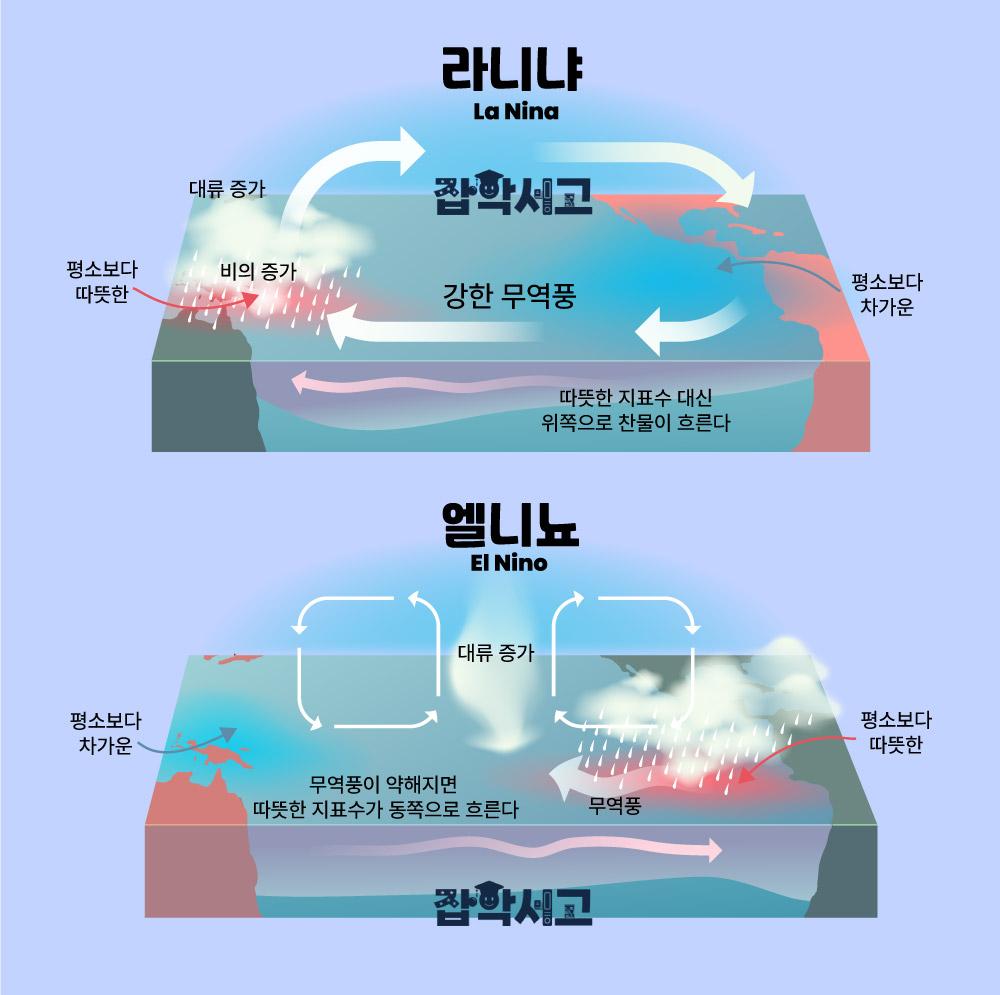 How El Niño and La Niña Develop
The Interaction Between Sea Surface Temperatures and Atmospheric Circulation
El Niño and La Niña arise primarily from interactions between changes in sea surface temperatures in the Pacific and atmospheric circulation patterns. When El Niño occurs, rising ocean temperatures in the eastern Pacific change atmospheric circulation patterns, which can weaken the trade winds or cause winds to blow in the opposite direction. These changes create a feedback loop between the ocean and the atmosphere that strengthens El Niño.
The Mechanism Behind La Niña
La Niña develops through a mechanism opposite to that of El Niño. Falling ocean temperatures in the eastern Pacific change atmospheric circulation patterns, strengthening the trade winds. Through a feedback loop between the ocean and the atmosphere, this helps strengthen La Niña.
The Role of Scientific Factors
Several scientific factors contribute to the mechanisms behind ENSO. First, changes in sea surface temperatures affect atmospheric circulation patterns, which in turn affect sea surface temperatures, creating a feedback loop. Second, changes in the amount of atmospheric water vapor and precipitation affect the energy balance between the ocean and the atmosphere. Third, changes in ocean currents and atmospheric pressure patterns in the Pacific also play an important role in the occurrence and intensity of ENSO.
Complex Cycles and Intensity
The recurrence intervals and intensity of ENSO are complex and are determined by various internal and external factors. For example, the topographical characteristics of the Pacific region, seawater salinity, and atmospheric carbon dioxide concentrations can influence the occurrence and intensity of ENSO.
ENSO can be understood as part of the natural variability of Earth's climate system. Although it is a periodically occurring phenomenon separate from long-term climate change, it can interact with climate change to create complex climate patterns. For example, global warming may influence the frequency and intensity of ENSO.
Ongoing Research and Technological Advances
Scientific understanding of the mechanisms behind El Niño and La Niña continues to advance. This process uses various scientific technologies, including satellite observations, ocean buoy systems, and climate modeling. This research helps improve the accuracy of ENSO forecasts and deepen our understanding of climate change.
Understanding the mechanisms behind ENSO is very important for climate forecasting and the development of response strategies. It provides important information for preparing for ENSO in agriculture, water resource management, disaster preparedness, and other fields.
Scientists continue to conduct research to understand the mechanisms behind ENSO more accurately, providing important foundational data for understanding the interaction between climate change and ENSO.
Analyzing the Effects of El Niño and La Niña on Climate
 What Effects Do El Niño and La Niña Have?
El Niño's Global Climate Impacts
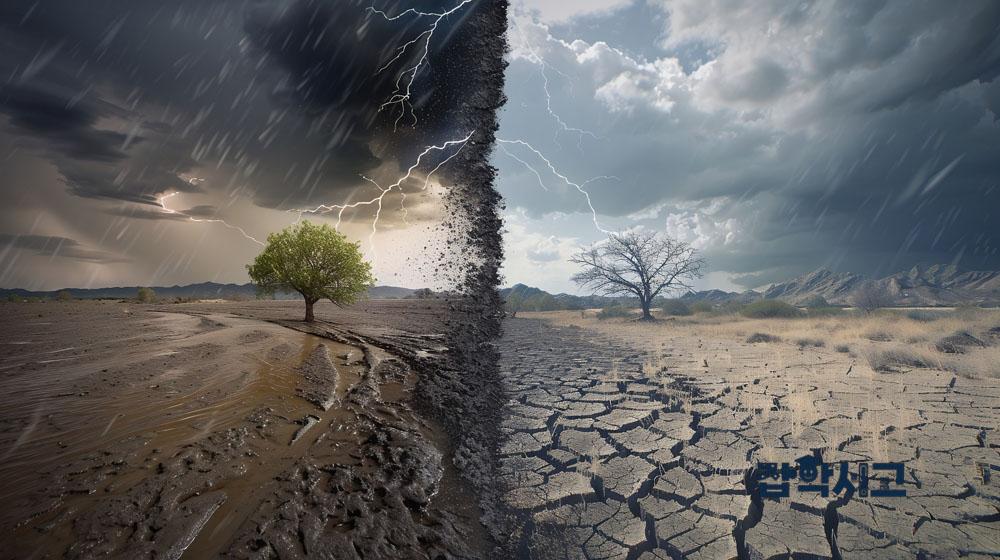
When El Niño occurs, climate patterns change worldwide. As ocean temperatures rise in the eastern Pacific, precipitation increases in this region, making heavy rainfall and flooding more likely. Meanwhile, precipitation decreases in the western Pacific, Indonesia, and Australia, potentially causing droughts. These climate changes significantly affect agriculture, water resource management, ecosystems, and other areas.
El Niño's Impacts on North America
El Niño also affects the climate of North America. In the southern and central United States, increased winter precipitation can cause flooding and heavy snowfall, while dry weather is more likely to persist in the northwest. This significantly affects communities' daily routines and economic activities.
La Niña's Global Climate Impacts
La Niña causes climate changes opposite to those of El Niño. As ocean temperatures fall in the eastern Pacific, precipitation decreases in this region, potentially causing droughts. Meanwhile, precipitation increases in the western Pacific, Indonesia, and Australia, making flooding and heavy rainfall more likely.
La Niña's Impacts on North America
La Niña's effects also appear in North America. In the northwestern United States, increased winter precipitation can cause flooding and heavy snowfall, while dry weather is more likely to persist in the southwest. This significantly affects agriculture, water resource management, disaster preparedness, and other areas.
Temperature Changes and Extreme Weather Events
El Niño and La Niña also influence global temperature changes. When El Niño occurs, global average temperatures tend to rise, which can be understood as a phenomenon associated with global warming. Meanwhile, when La Niña occurs, global average temperatures tend to fall.
According to climate modeling studies, El Niño and La Niña can also affect the frequency and intensity of extreme weather events. For example, the frequency and intensity of typhoons and hurricanes may increase during El Niño, while the frequency and intensity of these phenomena may decrease during La Niña.
The effects of El Niño and La Niña on climate vary by region because they interact with local climate characteristics. Understanding these differences is very important for climate forecasting and the development of response strategies.
The interaction between climate change and ENSO is currently an important research topic in climate science. This research provides important information for forecasting long-term climate change and developing strategies to respond to climate change.
Forecasting and Response Strategies for El Niño and La Niña
 How Are El Niño and La Niña Predicted and Studied?
Climate Modeling and Observational Data
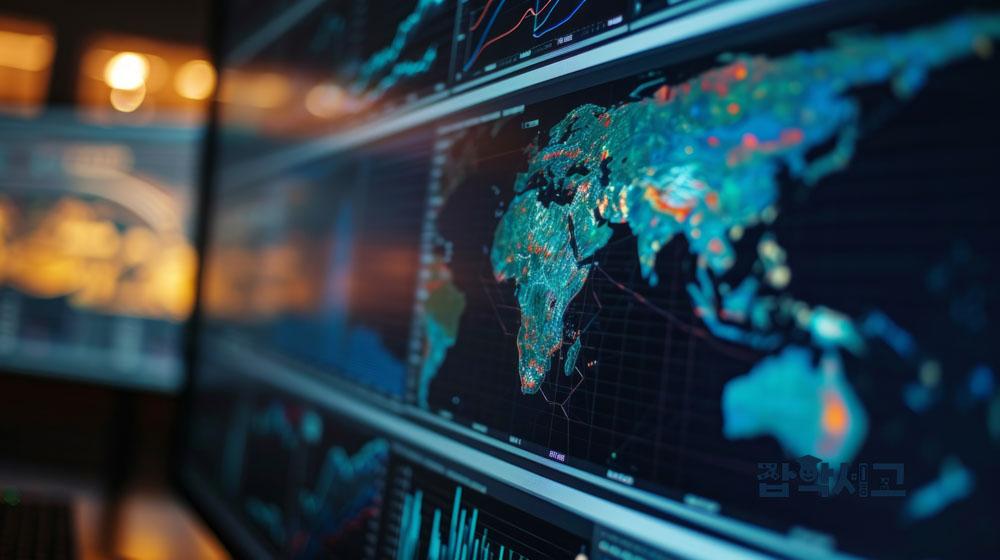
Predicting El Niño and La Niña is an important challenge in climate science. To address it, research is being conducted using various climate models and observational data. Climate modeling is used to predict future ENSO events by mathematically simulating interactions between the atmosphere and the ocean. These models consider variables such as sea surface temperatures, atmospheric circulation patterns, and precipitation to predict the likelihood and intensity of ENSO events.
The Role of Observational Equipment
Various types of observational equipment, including satellites, ocean buoy systems, and climate observation stations, are used to improve the accuracy of ENSO forecasts. Satellites play an important role in detecting early signs of ENSO by monitoring the state of Earth's atmosphere and oceans in real time. Ocean buoy systems measure ocean temperatures, salinity, ocean currents, and other factors in the Pacific to help predict the occurrence and intensity of ENSO.
Research Advances and Technological Applications
Scientists are conducting various studies to improve the accuracy of ENSO forecasts. For example, research is underway to increase the resolution of climate models and deepen understanding of the physical processes represented in these models. Research using artificial intelligence and machine learning algorithms to improve the accuracy of ENSO forecasts is also actively underway.
The Importance of Response Strategies
Response strategies for El Niño and La Niña are developed primarily on the basis of climate forecasts. For example, in agriculture, crop cultivation plans can be adjusted to account for the likelihood of ENSO events. In water resource management, operating plans for dams and reservoirs can also be developed with the effects of ENSO in mind.
Disaster Preparedness and International Cooperation
Disaster preparedness strategies are also developed on the basis of ENSO forecasts. If El Niño occurs, emergency response plans can be prepared for heavy rainfall and flooding, while if La Niña occurs, response strategies can be developed for droughts and wildfires. These response strategies play an important role in protecting lives and property in local communities.
Scientific Research and International Cooperation
ENSO forecasting and response strategies are areas that require international cooperation. Multiple countries and research institutions are working together on research to improve the accuracy of ENSO forecasts and develop effective response strategies. For example, the World Meteorological Organization (WMO) operates an international cooperation platform for monitoring and forecasting ENSO.
Scientific research provides important foundational data for ENSO forecasting and the development of response strategies. This research provides important information for understanding the interaction between climate change and ENSO and also contributes to the development of long-term strategies to respond to climate change.
Research on ENSO forecasting and response strategies continues to advance, playing an important role in providing solutions to various challenges associated with climate change.
El Niño and La Niña are important climate phenomena that significantly affect the global climate system. Scientific research on their definitions and key characteristics, their effects on climate, their causes and mechanisms, and forecasting and response strategies provides important information for understanding ENSO and responding to it effectively.
By improving the accuracy of ENSO forecasts and developing response strategies through scientific research and international cooperation, we will be able to respond effectively to various challenges posed by climate change. These efforts will play an important role in understanding and protecting Earth's climate system.