Red waves that suddenly appear across a clear blue sea are more than a simple natural phenomenon: they are a red tide, which poses a major threat to marine ecosystems. Red tides have serious impacts on marine ecosystems and humanity, and their causes and the conditions under which they occur are highly complex.
In this article, we will take an in-depth look at what red tides are, their causes and the conditions under which they occur, their impacts, and ways to prevent and respond to them. We hope this information will help you recognize the severity of red tides and explore with us strategies for responding to them effectively.
What Is a Red Tide?
 What Does the Concept of a Red Tide Mean?
Definition and How Red Tides Form
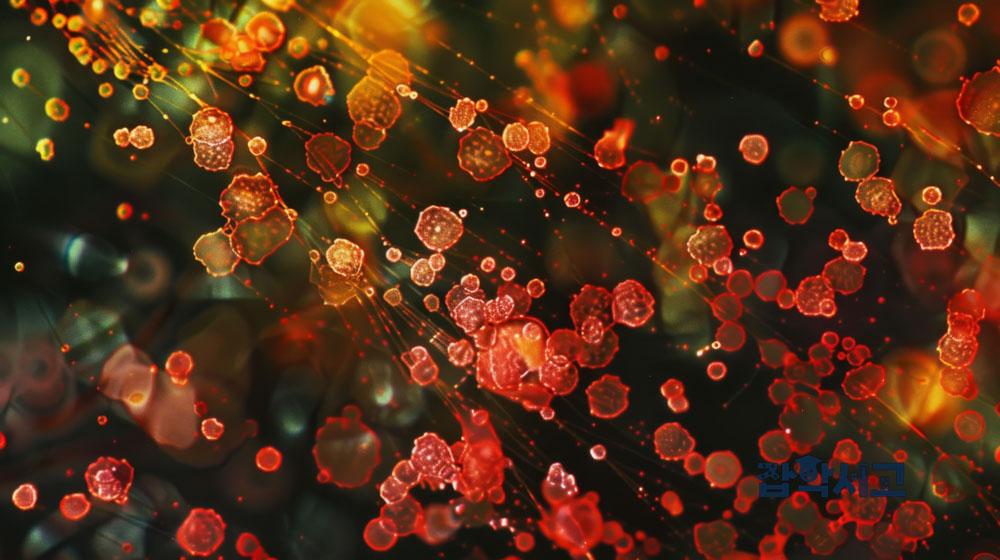
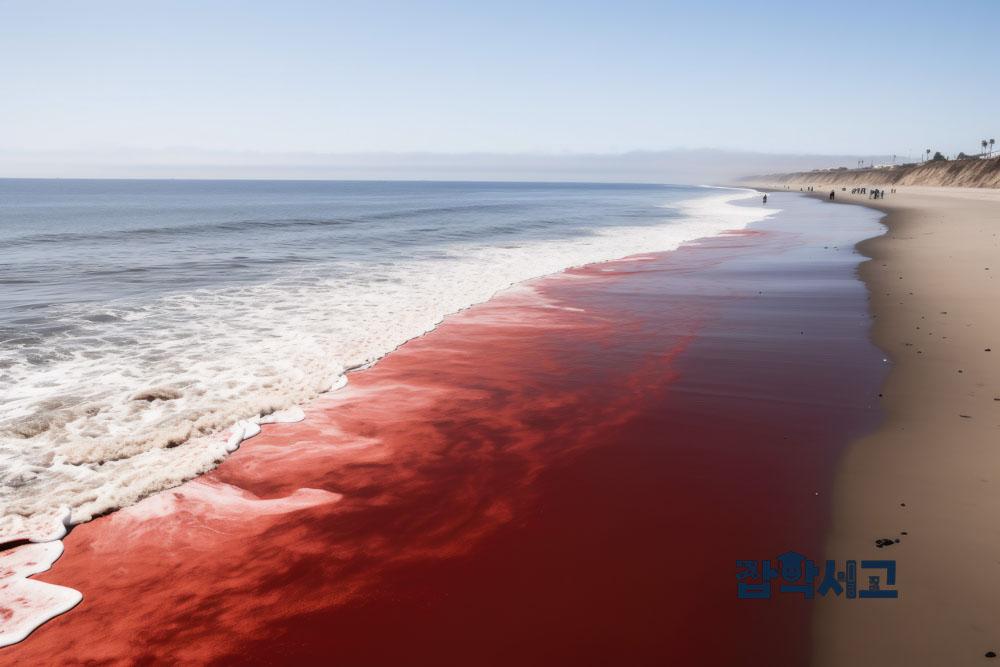
A red tide is a phenomenon in which certain algae rapidly multiply in bodies of water such as seas or lakes, turning the water red or brown. It is mainly caused by the excessive growth of dinoflagellates or diatoms, which are types of plankton. During a red tide, seawater changes color because of pigments inside algal cells. This phenomenon may occur naturally, but it can also be triggered by human activities.
A Variety of Colors
Although the phenomenon is sometimes called "Red Tide" in English, the water can actually appear in various colors, including red, brown, and orange. When a red tide occurs, oxygen levels drop sharply, and toxins produced by certain algae can cause mass deaths of fish, shellfish, and other marine organisms.
Impacts on Humans and Marine Life
Toxic substances can also reach humans through the food chain, causing food poisoning, respiratory diseases, and other illnesses. Red tides can be triggered by various factors, including water pollution, rising water temperatures, and an excessive supply of nutrients, and they pose a serious threat to the health and balance of marine ecosystems.
Understanding the nature of red tides and managing and responding to them effectively is therefore extremely important.
Causes and Conditions of Red Tides
 Why Do Red Tides Occur?
Excessive Nutrient Input
One of the main causes of red tides is an excessive supply of nutrients. When excessive amounts of nutrients such as nitrogen and phosphorus enter seawater, they create an environment in which algae can multiply rapidly. These nutrients mainly come from agricultural fertilizers, livestock wastewater, and domestic sewage.
Rising Water Temperatures
Rising seawater temperatures also play an important role in the occurrence of red tides. Warm water promotes algal growth, which is one reason red tides occur frequently, especially during summer. As climate change raises seawater temperatures around the world, the frequency and intensity of red tides are increasing.
Water Pollution
Water pollution caused by industrial wastewater, urban sewage, agricultural drainage, and other sources can also trigger red tides. These pollutants alter the chemical composition of seawater, creating an environment in which algae can multiply rapidly.
Natural Conditions
Red tides can also occur because of natural conditions. For example, physical conditions such as the movement of ocean currents, wind direction, and tides can create environments that favor algal reproduction. The activities of certain marine organisms can also influence the occurrence of red tides.
Red tides arise from a combination of complex factors and are influenced by both human activities and natural conditions. Excessive nutrient input, rising water temperatures, and water pollution are major factors that promote red tides, and understanding them provides an important foundation for preventing and managing these phenomena.
What Are the Impacts of Red Tides?
 What Damage Do Red Tides Cause?
Impacts on Marine Ecosystems
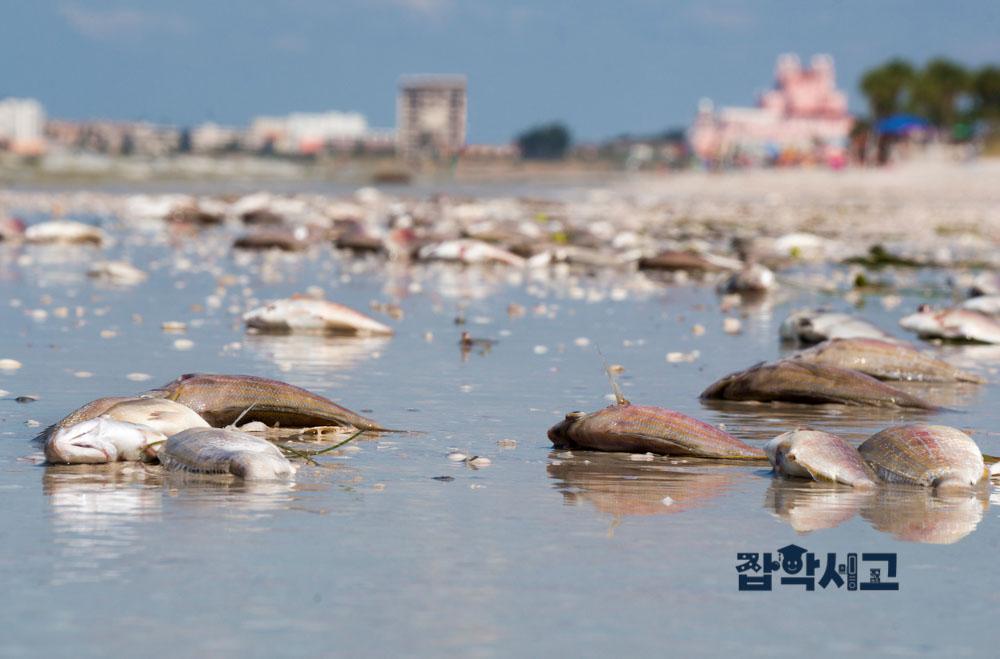
Red tides have serious impacts on marine ecosystems. Algae that have multiplied in large numbers rapidly consume oxygen in the water, causing low-oxygen conditions that lead to mass deaths of fish and other marine organisms. In particular, toxic substances produced by certain algae are fatal to a variety of marine organisms, including fish, crustaceans, and shellfish. These phenomena can disrupt the balance of marine ecosystems and greatly reduce biodiversity.
Economic Losses
Red tides also cause economic losses. People working in fishing and aquaculture suffer substantial damage, facing not only reduced income from mass deaths of fish and other seafood species, but also falling market prices due to contaminated seafood. Red tides also negatively affect the tourism industry, including by reducing the number of tourists.
Impacts on Human Health
Toxic substances generated by red tides can reach humans through the food chain. People who eat fish or shellfish that have consumed toxic algae may experience symptoms of food poisoning, nervous system disorders, respiratory problems, and other conditions. In particular, algae that produce neurotoxins can cause serious health problems in humans.
Environmental and Social Problems
Red tides can extend beyond marine environmental problems to become social problems. The livelihoods of people working in fishing may be threatened, and economic activity in local communities may stagnate. In addition, unpleasant odors and polluted seawater caused by red tides can worsen residents' living environments and lower the overall quality of life in local communities.
Red tides have wide-ranging impacts on marine ecosystems, the economy, human health, and society. Addressing these problems requires strategies for detecting red tides early and responding to them effectively.
Ways to Prevent and Respond to Red Tides
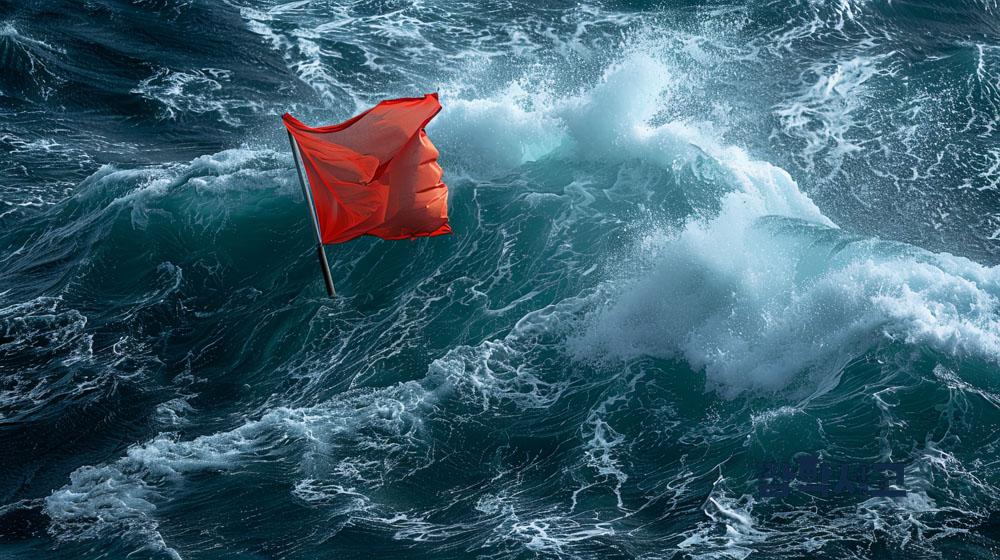 How Should We Prepare for Red Tides?
Nutrient Management
One of the most effective ways to prevent red tides is to manage the amount of nutrients entering the ocean. In agriculture, appropriately regulating fertilizer use and promoting organic farming can reduce excessive inputs of nitrogen and phosphorus. Domestic sewage and industrial wastewater must also be treated properly to minimize the flow of nutrients into the ocean.
Establishing Early Warning Systems
Establishing early warning systems is important for detecting and responding to red tides early. Satellite surveillance, water quality monitoring equipment, marine drones, and other tools should be used to monitor red tides in real time, and a system should be put in place to respond quickly when warning signs are detected.
Using Natural Control Methods
Natural methods can be used to control red tides. Examples include maintaining healthy marine ecosystems and increasing populations of marine organisms that feed on red tides. Methods of suppressing red tides using marine plants or plankton are also being studied.
Strengthening Policies and Regulations
Governments and relevant agencies should strengthen policies and regulations for preventing and responding to red tides. They should develop legislation to prevent marine pollution and thoroughly manage and supervise fishing and marine activities. It is also important to work with local communities to strengthen education and public outreach about red tides and encourage citizen participation.
Cooperation with Local Communities
Cooperation with local communities is essential for responding effectively to red tides. Working with relevant stakeholders, including fishers, farmers, and industrial companies, makes it possible to pursue nutrient management, pollution prevention, red tide monitoring, and other activities in an integrated way. Community participation and cooperation will provide substantial support for preventing and responding to red tides.
Preventing and responding to red tides requires approaches from various perspectives. Red tides can be effectively prevented and addressed through nutrient management, the establishment of early warning systems, the use of natural control methods, stronger policies and regulations, and cooperation with local communities. It is time for all stakeholders to work together toward a sustainable marine environment.
Comparing Red Tides and Green Algal Blooms
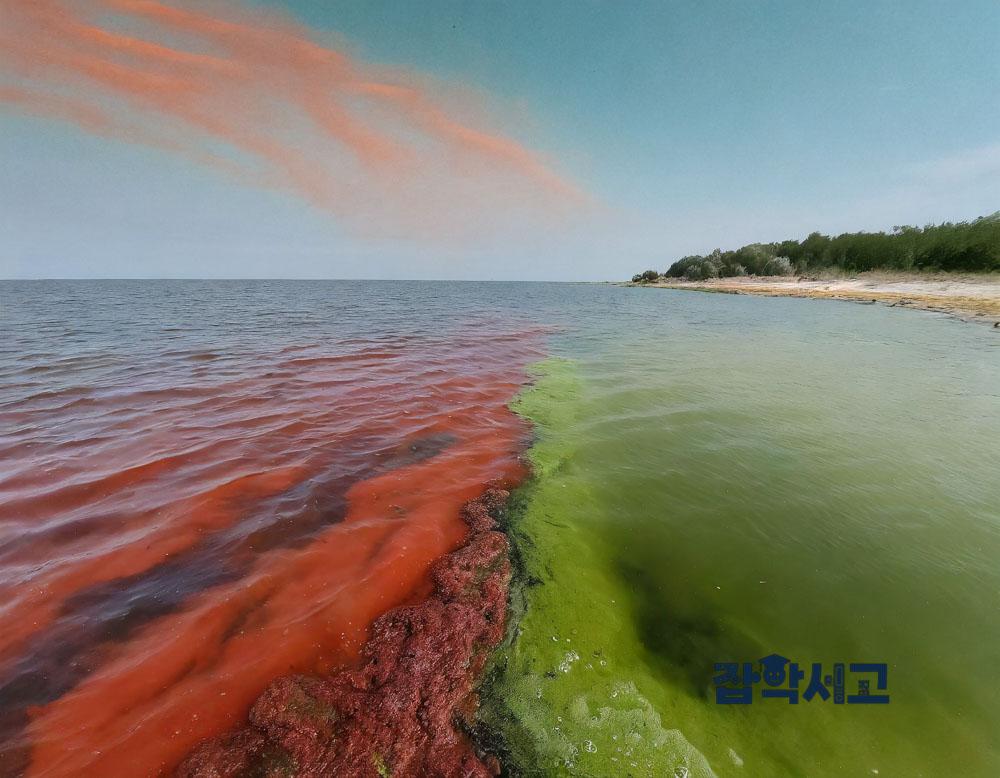 What Similarities and Differences Do Red Tides and Green Algal Blooms Have?
Definition and How They Form
Red tides and green algal blooms are both phenomena in which certain algae multiply rapidly and change the color of the water. A red tide refers to seawater turning red or brown, mainly because of the excessive growth of microalgae such as dinoflagellates. A green algal bloom, on the other hand, is a phenomenon in which cyanobacteria, green algae, or similar organisms multiply excessively and turn the water green. Green algal blooms occur mainly in freshwater areas, whereas red tides occur mainly in the ocean.
Conditions for Occurrence
Both phenomena occur because of an excessive supply of nutrients, particularly nitrogen and phosphorus. Agricultural fertilizers, livestock wastewater, and domestic sewage are common causes. However, red tides are more strongly influenced by specific marine environmental conditions, such as rising water temperatures, the movement of ocean currents, and salinity. Green algal blooms, on the other hand, occur mainly in warm, stagnant freshwater and are particularly frequent in summer.
Impacts
Red tides and green algal blooms both negatively affect ecosystems and humans. Red tides have serious impacts on marine ecosystems and can cause mass deaths of fish and other marine organisms. Red tides containing toxic substances can also cause health problems in humans, such as food poisoning.
Green algal blooms, on the other hand, affect freshwater ecosystems and can destroy the habitats of fish and aquatic organisms. They can also pollute water and cause problems with drinking water supplies. Toxins produced by green algal blooms are also harmful to human health and can cause dermatitis, liver damage, and other conditions.
Management and Response Measures
Both red tides and green algal blooms can be prevented through nutrient management. It is important to reduce the use of agricultural fertilizers, treat wastewater thoroughly, and establish early warning systems. For red tides, maintaining healthy marine ecosystems and protecting marine biodiversity are important. For green algal blooms, keeping freshwater flowing freely, reducing stagnant water, and cutting off sources of pollution are effective measures.
Red tides and green algal blooms arise through similar mechanisms but differ in where they occur and how they affect ecosystems. Both phenomena are becoming more frequent because of environmental pollution and climate change, and preventing and managing them effectively requires a systematic approach and efforts on multiple fronts.
Red tides are more than a temporary discoloration of the sea; they are a major environmental problem with wide-ranging impacts on marine ecosystems and human activities. By understanding their causes and the conditions under which they occur, and thoroughly analyzing their impacts, we can respond effectively to this problem.
Through various strategies for preventing and responding to red tides, we can protect the marine environment and make our future safer. It is time for everyone to join forces for sustainable marine ecosystems and heed the sea's red warning.