
Algal blooms are an environmental problem we occasionally encounter in everyday life. This phenomenon, which gives rivers and lakes a green color in summer, affects us in various ways beyond simply being visually unpleasant.
This article examines what algal blooms are, their causes and the conditions in which they occur, their effects on the environment and people, and cases in South Korea and ways to manage them. We will deepen our understanding of algal blooms and consider ways to address this problem together.
What Are Algal Blooms?
 The Concept and Definition of Algal Blooms
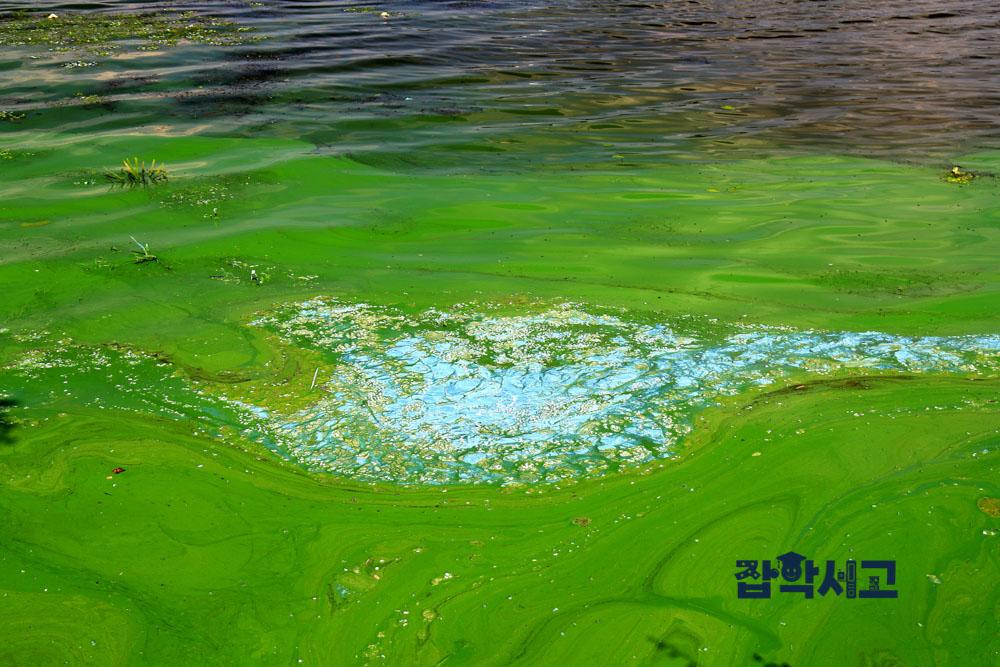
Algal blooms are a phenomenon, occurring mainly in freshwater environments, in which excessive growth of green algae (algae), a type of phytoplankton, turns the water green. This phenomenon often occurs in summer, with high temperatures, stagnant water, and abundant nutrients as its main causes. Algal blooms have the following characteristics.
1. Ecological Definition
Algal blooms mainly consist of organisms classified as microalgae, with cyanobacteria, also called blue-green bacteria, as their main members. These microalgae generate energy through photosynthesis and reproduce using nutrients in the water, particularly nitrogen and phosphorus.
2. Forms of Occurrence
Algal blooms generally occur more frequently during hot, humid summer weather, and the algae multiply rapidly in environments with high water temperatures and stagnant water. Their visible characteristics include water turning green or green foam or slimy clumps floating to the surface.
3. Algal Blooms and Blue-Green Algae
The phenomenon commonly called an algal bloom is often caused by blue-green algae. Blue-green algae resemble green algae in form, but they are a group of organisms more closely related to bacteria, and some species produce toxins that cause problems. These toxins can harm fish, livestock, and even people.
4. The Role of Nutrients
Excessive inputs of nutrients such as nitrogen and phosphorus cause algae in blooms to multiply rapidly. This is mainly caused by agricultural fertilizers, domestic sewage, and industrial wastewater. It occurs as part of a process called eutrophication, in which excess nutrients trigger explosive algal growth.
Thus, although algal blooms are a natural phenomenon that occurs under specific environmental conditions, they are strongly influenced by human activities and can consequently have serious effects on the environment and human health.
Causes and Conditions of Algal Blooms
 Under What Conditions Do Algal Blooms Commonly Occur?
Algal blooms are a phenomenon caused by a combination of specific environmental conditions and human activities. Their main causes and conditions are as follows.
1. Excessive Nutrient Inputs
- Nitrogen and Phosphorus: Among the most important causes of algal blooms is the excessive input of nutrients such as nitrogen (N) and phosphorus (P). These nutrients mainly come from agricultural fertilizers, domestic sewage, livestock wastewater, and industrial wastewater.
- Eutrophication: Eutrophication caused by excessive nutrients makes algae in blooms multiply rapidly. In particular, fertilizers containing large amounts of phosphorus promote explosive growth of algae in blooms.
2. Climatic Conditions
- High Temperatures: High water temperatures accelerate the growth of algae in blooms. Algal blooms generally occur more frequently when air temperatures rise in summer.
- Sunlight: Sufficient sunlight is essential for algae to produce energy through photosynthesis. Greater amounts of sunlight promote the growth of algae in blooms.
3. Stagnation in Water Bodies
- Stagnant Water: Environments where water flows slowly or stagnates are ideal for algae in blooms to thrive. Algal blooms occur more frequently in stagnant waters such as lakes, reservoirs, and dammed waters.
- Water-Level Fluctuations: Falling water levels can concentrate nutrients and promote algal blooms.
4. Increased Organic Matter
- Compost and Livestock Wastewater: Wastewater containing organic matter supplies not only nitrogen and phosphorus but also other nutrients needed by algae in blooms. This increases microbial activity and supports the growth of algae in blooms.
5. Urbanization and Changes in Land Use
- Urbanization: As urbanization increases impervious surfaces, surface runoff during rainfall increases, becoming a major route for transporting nutrients.
- Agricultural Activities: Increased fertilizer use and the expansion of agricultural land lead to greater nutrient inputs.
6. Inadequate Management of Water Bodies
- Inadequate Water Quality Management: When proper management and monitoring of water bodies are lacking, nutrients accumulate, creating conditions favorable to algal blooms.
- Inadequate Wastewater Treatment: Nutrients often enter water bodies without being properly removed because wastewater treatment facilities are insufficient or inadequate.
Algal blooms result from the combined effects of these various factors, and preventing and managing them requires an understanding of each factor and a comprehensive approach.
Effects of Algal Blooms on the Environment and People
 How Do Algal Blooms Affect the Environment and People?
Algal blooms have various negative effects on ecosystems and people. These effects are widespread across ecological, health, and economic dimensions.
1. Effects on Ecosystems
- Oxygen Depletion: When algae in blooms multiply rapidly, they can consume oxygen in the water and cause hypoxia, or low oxygen levels. This is fatal to aquatic organisms such as fish and crustaceans.
- Reduced Biodiversity: Oxygen shortages and toxic substances cause various aquatic organisms to lose their habitats or die, reducing biodiversity. This disrupts the balance of aquatic ecosystems.
- Deteriorating Water Quality: When algae in blooms decompose, they produce organic substances accompanied by foul odors, worsening water quality. Suspended matter also reduces water clarity and hinders the growth of aquatic plants that perform photosynthesis.
2. Effects on Human Health
- Toxin Production: Some algae in blooms produce harmful toxins such as microcystins and anatoxins. These toxins can cause various health problems, including skin rashes, vomiting, diarrhea, and, in severe cases, liver damage.
- Drinking Water Contamination: When water contaminated by algal blooms is used as a source of drinking water, there is a risk of toxins entering the human body. This is a particularly serious problem in areas with inadequate water treatment facilities.
- Restrictions on Recreational Activities: Algal blooms can lead to restrictions or bans on activities such as swimming, fishing, and boating. This negatively affects the quality of life of local residents.
3. Economic Effects
- Damage to Fisheries and Aquaculture: Oxygen shortages and toxic substances caused by algal blooms can reduce catches or cause major damage to aquaculture. This directly harms the livelihoods of fishers.
- Damage to the Tourism Industry: Algal blooms also have a major impact on tourism by damaging the scenery of affected waters, producing foul odors, and restricting recreational activities. This negatively affects the local economy.
- Increased Water Purification Costs: Addressing algal blooms requires water purification work and monitoring. This entails additional economic costs.
4. Social Effects
- Community Anxiety: Algal blooms can increase anxiety among local residents. In particular, concerns about health and deteriorating living conditions can create social anxiety.
- Policy Challenges: Addressing algal blooms requires cooperation between the government and local communities. Effective policies must be developed and implemented, which can pose policy challenges.
Algal blooms are more than a simple natural phenomenon; they have serious effects on the environment and people in various ways. Thorough management and responses are needed to minimize and prevent these effects.
Cases of Algal Blooms in South Korea and Management Measures
 What Approaches Can Address Algal Blooms?
Algal blooms have also emerged as a significant environmental problem in South Korea, occurring frequently, especially in summer. We will examine major cases in detail and discuss management measures to address them.
1. Cases of Algal Blooms in South Korea
Nakdong River
- Large-Scale Algal Bloom Crisis in 2012: In the summer of 2012, large-scale algal blooms occurred along the entire Nakdong River. The main causes included excessive nutrient inputs, high temperatures, and stagnant river flow. This worsened water quality and had a major impact on the supply of drinking water from the Nakdong River.
- Continued Algal Blooms in 2013: Algal blooms of a similar scale continued in 2013. In particular, complaints about an algal bloom odor in tap water surged in the Daegu and Busan areas. In response, the government intensified emergency purification work and monitoring.
Han River
- Algal Blooms in Paldang Lake: Paldang Lake, a major source of drinking water for Seoul and the surrounding metropolitan area, experienced large-scale algal blooms in the summers of 2015 and 2016. The main causes were excessive nutrient inputs from areas upstream of Paldang Dam, high summer temperatures, and sunlight exposure. In particular, fertilizer components entering from farmland around Paldang Lake had a major impact.
- Jamsil Submerged Weir: Algal blooms also occurred at the Jamsil Submerged Weir, located in the middle reaches of the Han River. Water flows slowly in this area, and high summer temperatures promoted algal blooms. The blooms caused foul odors and inconvenienced people using riverside parks.
Geum River
- The Geum River in Sejong City: Algal blooms also occur every summer in the Geum River, which runs through Sejong City. In particular, the blooms reached severe levels in the summer of 2017. Contributing causes included fertilizer and livestock manure entering from surrounding farmland and livestock farms, as well as problems with water-level regulation in the Geum River.
- Daecheong Lake: Located in the upper reaches of the Geum River, Daecheong Lake is a major source of drinking water for North Chungcheong Province and Daejeon Metropolitan City. Summer algal blooms in Daecheong Lake also caused water quality problems. Pollution sources entering from nearby industrial complexes and farmland were identified as the main causes of the blooms in Daecheong Lake.
2. Management Measures
Nutrient Management
- Regulating Fertilizer Use: Control the amount of fertilizer used in agriculture and encourage environmentally friendly fertilizers to reduce nitrogen and phosphorus inputs.
- Strengthening Wastewater Treatment: Thoroughly treat wastewater from households and industry to prevent nutrients from entering water bodies. Introducing the latest purification technologies to improve treatment efficiency is important.
Water Body Management
- Creating Constructed Wetlands: Establish constructed wetlands around rivers to strengthen their ability to absorb nutrients naturally and purify water.
- Sluice Gate Management: Adjust the sluice gates of dams and weirs to improve water flow and reduce stagnant waters.
Prevention and Monitoring
- Early Warning Systems: Establish monitoring systems that can detect algal blooms early and enable a rapid response.
- Research and Education: Strengthen research on algal blooms and educate the public and agricultural workers to spread awareness of ways to prevent them.
Biological Control
- Introducing Organisms That Remove Algal Blooms: Use methods that naturally remove algal blooms by introducing microorganisms or plankton that feed on the algae in them.
- Growing Aquatic Plants: Grow aquatic plants in water bodies to absorb nutrients and suppress the growth of algae in blooms.
Technological Solutions
- Ultrasound Technology: Apply technologies that use ultrasound to destroy algae in blooms or inhibit their growth.
- Chemical Treatment: When necessary, use chemicals with verified safety to remove algal blooms. However, these must be used cautiously.
Algal blooms in South Korea have various causes, but systematic management and prevention can minimize their effects. If various stakeholders cooperate to implement comprehensive management measures, it will be possible to address algal blooms effectively.
Algal blooms are more than a simple environmental phenomenon; they are a complex problem with wide-ranging effects on our health, ecosystems, and the economy. Addressing them requires an accurate understanding of their causes and the conditions in which they occur, along with systematic management measures.
Through cases in South Korea and various management strategies, we will be able to respond more effectively to algal blooms. Continued attention and effort regarding algal blooms will be needed in the future, and we hope these efforts will help maintain a healthier, cleaner environment.