Floods are natural disasters that threaten countless lives and properties around the world every year. Climate change and rapid urbanization are increasing the frequency and intensity of floods, causing the scale of damage to grow day by day.
This article will explore the various causes and mechanisms of flooding and examine its impacts and examples of flood damage.
It will also discuss ways to forecast floods and prepare in advance through early warning systems, along with flood prevention and response strategies. Through this, it aims to present practical ways to reduce flood risks and minimize damage.
Factors That Cause Flooding
 How do floods occur?
Floods occur for various reasons, and their mechanisms are complex and multilayered. The main causes of flooding can be broadly divided into natural factors and human factors.
Natural Factors
- Rainfall: Prolonged heavy rainfall or torrential rain can cause water levels in streams and rivers to rise sharply, leading to overflowing. In particular, when large amounts of rain fall within a short period, the soil cannot absorb enough water, resulting in flooding.
- Snowmelt: When snow accumulated during winter melts rapidly in spring, large amounts of water flow into rivers and can cause flooding. In such cases, river flow increases sharply, causing rivers to overflow.
- Typhoons and hurricanes: Typhoons and hurricanes accompanied by powerful storms are major causes of flooding in coastal areas. Torrential rain accompanying strong winds brings large amounts of rainfall within a short period, causing flooding.
- Topographical factors: Mountainous areas upstream of rivers quickly channel rainfall downstream, increasing the risk of flooding in downstream areas. Streams on flat terrain also face a greater risk of overflowing.
Human Factors
- Urbanization: Rapid urbanization increases impermeable surfaces such as roads and buildings, preventing rainwater from seeping underground and causing it to accumulate on the surface. This can overload drainage systems and cause flooding.
- Inadequate river maintenance: If rivers are not properly managed and maintained, erosion and sediment buildup narrow or block river channels. This increases the likelihood of water overflowing during a flood.
- Dam failure: The failure of a dam or reservoir can release large amounts of water within a short period, causing flooding in downstream areas.
- Agricultural activities: Excessive farmland development or deforestation can accelerate soil erosion and disrupt the natural flow of water, causing flooding.
These various causes interact to produce flooding, and understanding them provides an important foundation for developing flood prevention and response strategies.
Flood Impacts and Examples of Damage in South Korea
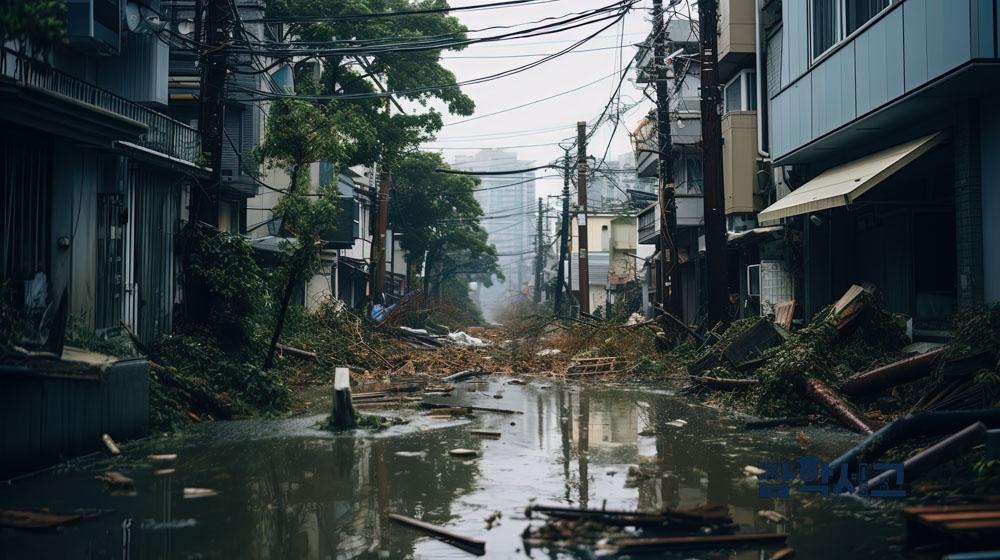 How do floods affect us?
Floods have serious effects on society and the environment in various ways. These effects include direct damage as well as long-term economic, social, and environmental impacts. South Korea has also experienced several major floods that caused extensive damage. The following discusses the main impacts of flooding and examples of damage in South Korea.
Main Impacts of Flooding
- Human casualties: Floods cause many casualties. Sudden influxes of water often cause people to drown or go missing. Vulnerable groups, particularly older adults, people in poor health, and children, face severe risks.
- Property damage: Floods seriously damage various types of property, including homes, commercial facilities, and industrial complexes. Flooded buildings suffer structural damage, furniture and equipment inside are destroyed, and recovery costs are enormous.
- Economic losses: Floods cause major losses across the economy by disrupting production, paralyzing transportation and logistics, and destroying crops. These losses can have long-term effects on local economies.
- Environmental damage: Floods cause various environmental problems, including soil erosion, water pollution, and ecosystem destruction. Overflowing water carries harmful substances into rivers or soil, worsening environmental pollution.
- Social impacts: Floods create social disruption and stress as residents move to evacuation shelters. Emergency relief and recovery work are needed, placing a heavy burden on governments and local communities.
Examples of Damage in South Korea
- Typhoon Rusa in 2002: In 2002-8, Typhoon Rusa brought at least 900 mm of torrential rain to Gangwon Province, causing large-scale flooding. This resulted in 246 deaths and at least 4 trillion won in property damage. Gangneung suffered particularly severe damage, with most of the city submerged.
- Monsoon Rains and Typhoon Ewiniar in 2006: In the summer of 2006, monsoon rains and Typhoon Ewiniar brought heavy rainfall across the country. This caused 67 deaths and at least 2 trillion won in property damage. Severe flood damage was reported in Namyangju, Gyeonggi Province, and in the Incheon area.
- Torrential Rainfall in 2020: Torrential rainfall that persisted through months 7 and 8 of 2020 caused extensive damage nationwide. Chungcheongbuk-do and Gyeonggi Province suffered particularly heavy damage, with at least 30 deaths and at least 7 thousand people displaced. As a result, numerous crops and homes were destroyed, and roads and bridges were washed away.
These examples clearly demonstrate the destructive power of floods and emphasize the importance of efforts to prevent and respond to them. Accurate forecasting and rapid response are essential to minimizing flood damage.
Flood Forecasting and Early Warning Systems
 How are floods forecast, and how are people warned of the danger?
Accurate forecasting and prompt warning systems are essential to managing floods effectively and minimizing damage. Flood forecasting and early warning systems are important tools that use weather data and hydrological modeling to detect floods in advance and provide information that helps people prepare for the risks.
Flood Forecasting
Weather Observations
The first step in flood forecasting is to monitor weather conditions. Satellites, radar, and weather stations are used to measure and analyze rainfall, temperature, wind speed, and other conditions in real time. These data serve as important inputs for flood forecasting models.
Hydrological Modeling
Hydrological modeling uses weather data to simulate the effects of rainfall on the land surface and rivers. This makes it possible to predict how water will move through a particular area and which routes it will follow. Representative models include HEC-RAS and SWMM.
Big Data and Artificial Intelligence
Recently, flood forecasting methods that use big data and artificial intelligence (AI) have been advancing. By analyzing various weather data and historical flood data, these methods predict the likelihood of flooding and help improve accuracy.
Real-Time Monitoring
Systems that monitor river levels, flow velocity, rainfall, and other conditions in real time can be established to quickly detect and respond to flood risks. These systems operate through on-site sensors and communication technologies.
Early Warning Systems
Warning Issuance Framework
A framework is needed to issue warnings immediately when flood risks are detected. This is operated through cooperation among government agencies, the Korea Meteorological Administration, local disaster prevention authorities, and other organizations. Warnings are delivered through various media, including radio, TV, the internet, and text messages.
Links with Local Communities
Early warning systems must be closely connected with local communities. Education and training are important so that residents can promptly receive warnings and take necessary actions such as evacuation. Tailored warning systems must be established for each area to make them more accessible to residents.
Intelligent Warning Systems
Intelligent warning systems using the latest technologies can adjust warnings to suit conditions in specific areas and provide personalized information. For example, smartphone apps can provide tailored warnings based on a user's location.
Continuous System Improvement
Early warning systems require continuous improvement and upgrades. Systems must be continually updated in response to climate change and changes in urban environments, and their effectiveness must be evaluated to guide further improvements.
Flood forecasting and early warning systems play an important role in minimizing flood damage. Accurate forecasts and prompt warnings make a major contribution to protecting people's lives and property, and this requires the use of the latest technologies and data, along with cooperation with local communities.
Flood Prevention and Response Strategies
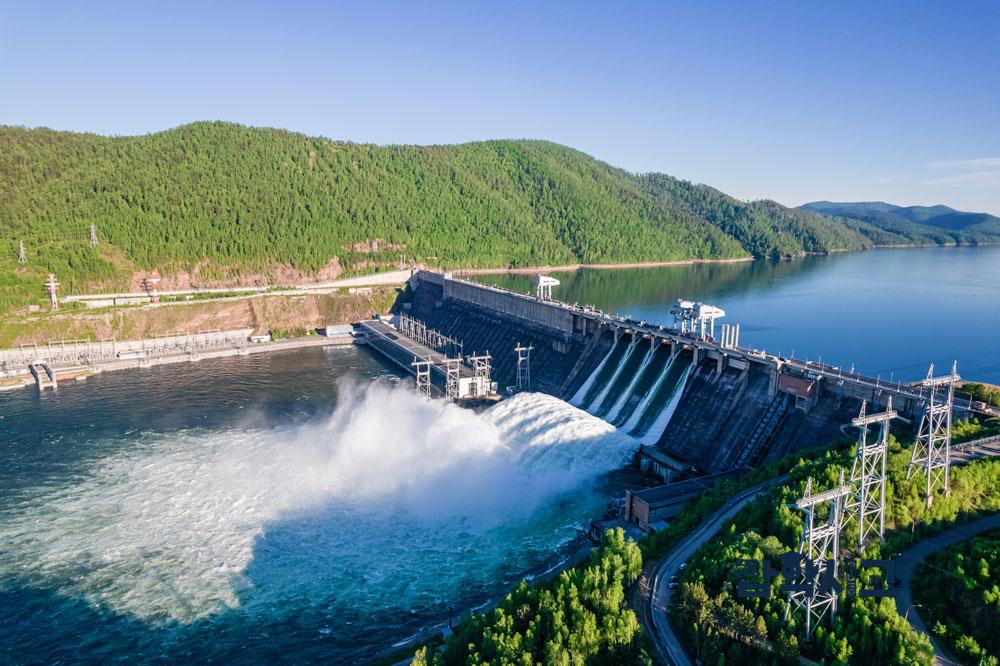 Building dams is one measure for preventing floods.
Systematic and comprehensive strategies are needed to prevent floods and minimize the damage they cause. These strategies can be divided into preventive measures taken in advance and response measures taken afterward, and their effectiveness can be maximized through various approaches at each stage.
Flood Prevention Strategies
Infrastructure Development
- Building dams and reservoirs: Dams and reservoirs that can temporarily store water during floods play an important role in regulating water levels. These facilities store water during periods of heavy rainfall and release it slowly afterward to prevent rivers from overflowing.
- Building floodwalls and levees: Floodwalls and levees can be built along streams and rivers to physically prevent water from overflowing. This is effective in protecting urban centers and important facilities.
Urban Planning and Land Use Management
- Restricting development in flood-prone areas: Avoid developing residential areas or important facilities in places at high risk of flooding, and use these areas as parks or green spaces to create flood buffer zones.
- Environmentally friendly design: When designing roads and buildings, use permeable materials that allow water to seep through naturally, and establish rainwater storage and reuse systems to prevent urban flooding.
Forest Restoration and Management
Forests naturally absorb rainwater and regulate the flow of water. Limiting deforestation and restoring forests by planting trees can improve flood prevention.
Improving Drainage Systems
Maintain and expand drainage channels and sewer systems in urban centers so that rainwater can drain quickly. Regular maintenance and management are also essential.
Flood Response Strategies
Emergency Response Plans
- Developing evacuation plans: Inform local residents in advance about evacuation routes and shelter locations to use during a flood, and conduct regular evacuation drills.
- Stockpiling emergency supplies: Prepare supplies such as drinking water, food, and medicines in advance so they can be distributed quickly during a flood.
Providing Real-Time Information
Provide weather forecasts and flood warnings in real time so that residents can respond quickly. Use various channels for this purpose, including radio, TV, the internet, and smartphone apps.
Rescue and Relief Activities
- Operating emergency rescue teams: Organize rescue teams that can be dispatched promptly when flooding occurs, and prepare the necessary equipment and personnel in advance.
- Relief activities: Provide food, water, and medical services to residents of affected areas, and operate temporary shelters to provide a safe environment.
Recovery and Reconstruction Plans
Develop plans for rapid recovery and reconstruction after flood damage. These include restoring infrastructure, rebuilding residential areas, and cleaning up the environment, and require cooperation between the government and local communities.
Flood prevention and response strategies play important roles in both advance preparation and response afterward. It is important to reduce flood damage and maintain a safe environment through a systematic and comprehensive approach.
Floods are powerful disasters that show the force of nature cannot be ignored, but understanding their causes and mechanisms and developing appropriate prevention and response strategies can greatly reduce the damage.
Advances in flood forecasting and early warning systems emphasize the importance of preparing in advance, while various prevention and response strategies highlight the need for communities and governments to work together.
Through ongoing research and technological development, as well as community participation and education, we will be able to build a society that is safer from the dangers of floods. A thorough understanding of floods and careful preparation will be important keys to protecting our future.