The rainy season, which invariably arrives each summer in Korea, affects many people in various ways. It causes inconvenience in daily life and sometimes leads to major disasters.
This article will introduce how the rainy season forms, its characteristics, and precautions and simple tips for staying safe and healthy during this period. Understanding the rainy season better and preparing appropriate measures can help minimize inconvenience and make summer safer.
The Definition of the Rainy Season and How It Forms
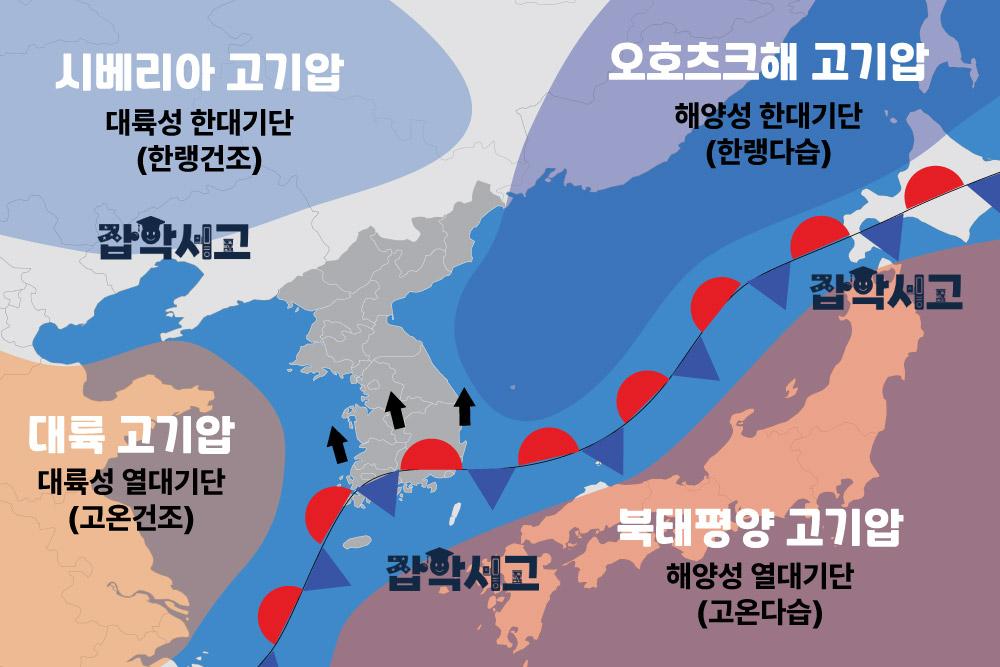 How Korea's Rainy-Season Front Forms
The rainy season refers to an extended period of persistent rain that occurs mainly in East Asia during summer, particularly during months 6 through 7. In Korea, rainfall is concentrated during this period, making it an important feature of the summer climate.
The rainy season forms when two major pressure belts meet. A cold air mass from the north and a warm air mass from the south collide near the Korean Peninsula, forming a stationary front. As this front remains in place for a long time, persistent rainfall occurs. The rainy season forms through the following process.
How Korea's Rainy Season Forms
1. The North Pacific High
A high-pressure system expanding over the North Pacific moves toward the Korean Peninsula. This high-pressure system pushes warm, humid air toward the peninsula.
2. The Siberian High and the Formation of the Rainy-Season Front
To the north of the Korean Peninsula, there is cold, humid air moving down from Siberia. This cold, humid air meets the warm, humid air from the North Pacific High above the Korean Peninsula. A rainy-season front forms at the boundary where these two bodies of air meet.
3. The Formation of Rain Clouds along the Rainy-Season Front
As warm air rises over cold air, it cools, causing water vapor to condense and form rain clouds. These rain clouds produce large amounts of rain.
4. The Stalling of the Rainy-Season Front
When the North Pacific High and the Siberian High remain similar in strength, the rainy-season front stays over the Korean Peninsula. This causes persistent rainfall over the peninsula, which is called the rainy season. When the rainy-season front stalls over the Korean Peninsula, particularly heavy rain falls in the central regions.
5. Movement of the Front
As the strengths of high- and low-pressure systems change over time, the rainy-season front also moves. Rain usually begins in the southern regions at the start of the rainy season, then moves to the central regions. As the rainy season draws to a close, the front moves north and leaves the Korean Peninsula.
This process causes prolonged rainfall in a particular area during the rainy season, significantly affecting agriculture, transportation, and daily life. Understanding the rainy season greatly helps us prepare for and adapt to this period.
The Climate and Characteristics of the Rainy Season
 What Are the Characteristics of the Rainy Season?
The rainy season is an important period that characterizes Korea's summer climate, during which particular weather phenomena and characteristics stand out. Its climate and characteristics are as follows.
1. Hot, Humid Weather
During the rainy season, temperatures are generally high, and humidity is very high. This is because the rainy-season front carries warm, humid air from the south toward the north. This hot, humid climate raises the discomfort index and causes considerable inconvenience in daily life.
2. Persistent Rainfall
During the rainy season, rain often falls continuously for several days or even weeks. Its intensity varies: sometimes heavy rain falls suddenly, like a shower, while at other times light rain continues as drizzle. This persistent rainfall saturates the soil and can cause natural disasters such as floods and landslides.
3. Unpredictable Weather
The weather is very changeable during the rainy season. It often becomes difficult to forecast accurately, as skies may suddenly clear before turning cloudy and rainy again. This is because the rainy-season front moves north and south, causing rapid changes in the weather.
4. High Humidity
The high humidity of the rainy season causes various problems. Clothes and shoes get wet easily and become difficult to dry, while mold and unpleasant odors are more likely to develop indoors. High humidity also affects people's health and can worsen respiratory and skin conditions.
5. Visual Changes
During the rainy season, the sky is mostly cloudy, and the sun rarely appears. These visual changes can also affect people's moods, often causing feelings of sadness or lethargy.
Understanding the climate and characteristics of the rainy season allows us to prepare for and adapt to it better. For example, we can take practical measures such as adjusting indoor conditions to suit hot, humid weather or inspecting drains and drainage channels in preparation for persistent rainfall.
Everyday Tips for the Rainy Season
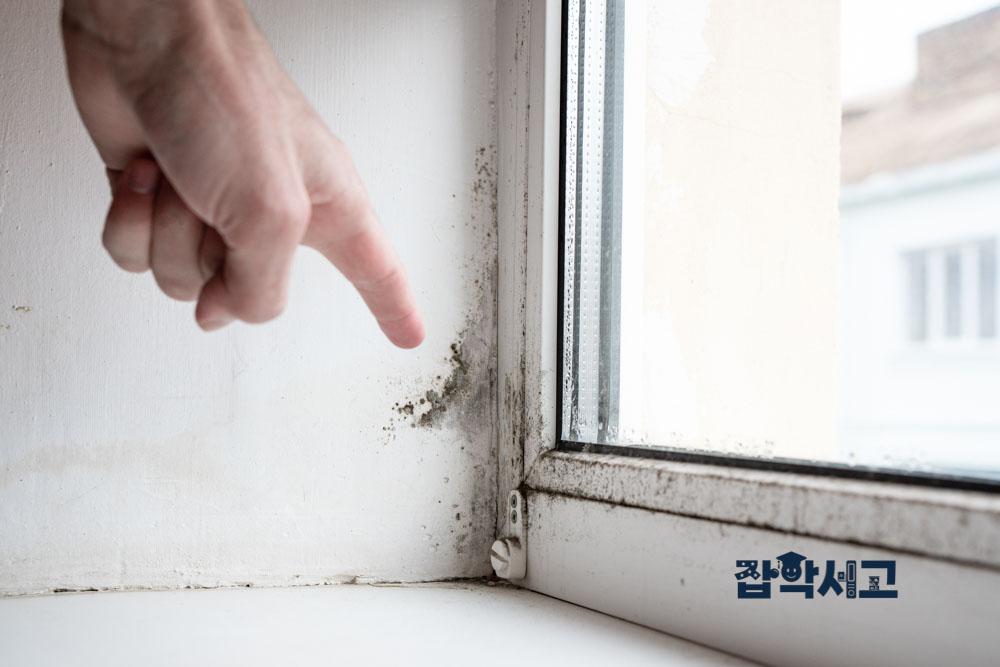 High humidity makes mold control important during the rainy season.
The high humidity and persistent rainfall of the rainy season cause various inconveniences in daily life. However, a few simple everyday tips can make this period more comfortable and safer. Below are useful tips for getting through the rainy season more comfortably.
1. Managing Indoor Humidity
- Using dehumidifiers and air conditioners: To reduce high humidity during the rainy season, make good use of a dehumidifier or your air conditioner's dehumidifying function. It is advisable to maintain indoor humidity at 50-60%.
- Using baking soda and charcoal: Placing moisture-absorbing baking soda or charcoal in rooms or closets can naturally lower humidity.
2. Caring for Clothes and Shoes
- Using desiccants: Place desiccants such as silica gel in closets and shoe cabinets to prevent mold caused by moisture.
- Shoe dryer: When shoes get wet, use a shoe dryer or put newspaper inside them to remove moisture quickly.
3. Food Storage
- Using airtight containers: Store food in airtight containers to prevent spoilage caused by moisture.
- Refrigeration: Keep foods that spoil easily in the refrigerator, and always check their freshness before eating.
4. Preventing Mold
- Ventilation: Even on rainy days, briefly open windows to ventilate your home and improve airflow.
- Mold remover: Regularly clean damp areas, such as bathrooms and kitchens, using a mold remover.
5. Caring for Your Health
- Drinking enough fluids: You can become dehydrated even in high humidity, so drink plenty of water.
- Vitamin intake: Eat fruits and vegetables rich in vitamin C to strengthen your immune system.
6. Caring for Electrical Appliances
- Checking the earth leakage circuit breaker: Electrical leakage accidents are more likely during the rainy season, so check beforehand that your earth leakage circuit breaker works properly.
- Precautions when using electrical appliances: Keep your hands dry when using electrical appliances, and avoid using them in wet areas.
7. Preparing for Travel and Outings
- Umbrellas and raincoats: Since it may rain at any time, always take an umbrella or raincoat when going out.
- Slip-resistant shoes: Rain makes it easy to slip, so wear shoes with slip-resistant soles.
These everyday tips can minimize the inconvenience of the rainy season and help you stay more comfortable and safer. Small changes in your habits can make the rainy season much more comfortable.
Precautions and Preparations for the Rainy Season
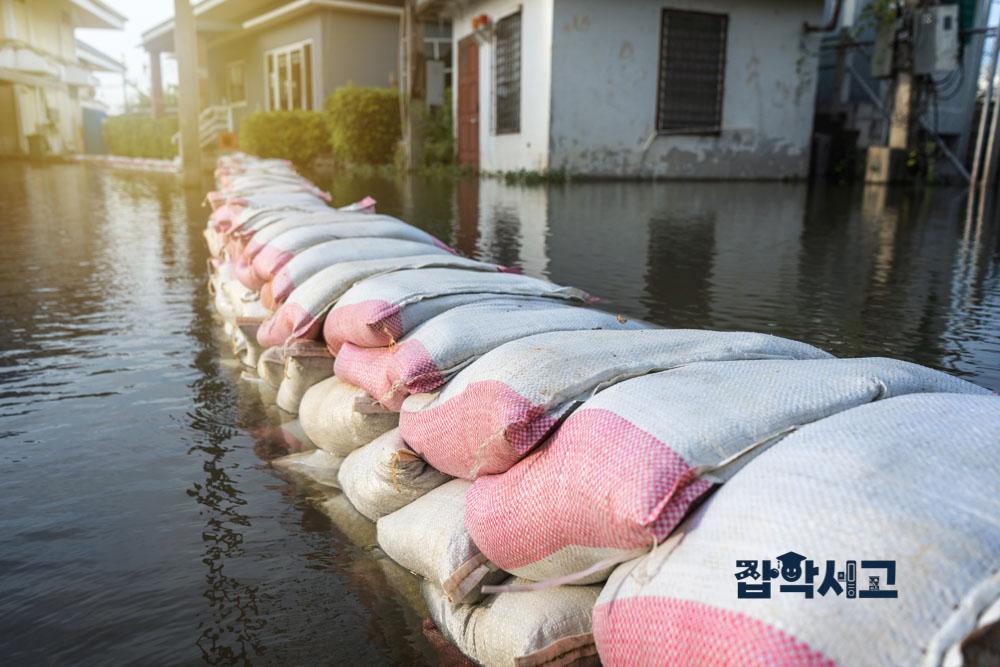 How Should You Prepare for the Rainy Season?
The rainy season brings various rain-related hazards, so it is important to take precautions and prepare in advance. We will introduce things that require particular attention during the rainy season and effective ways to prepare.
1. Preparing for Floods and Inundation
- Inspecting drains and drainage channels: Before the rainy season arrives, inspect drains and drainage channels, check for blockages, and keep them clear so water can drain properly.
- Preparing flood protection supplies: Prepare sandbags or flood barriers to protect against inundation. If you live in a low-lying area, placing furniture and electronic appliances in elevated positions can also help.
2. Caring for Your Health
- Preventing mold and bacteria: Mold and bacteria grow easily during the rainy season, so frequently clean all areas of your home and wipe them with disinfectant.
- Preparing emergency medicines: Keep emergency medicines ready for illnesses common during the rainy season, such as colds and skin conditions.
3. Electrical Safety
- Checking the earth leakage circuit breaker: Regularly check that your earth leakage circuit breaker works properly, and have a professional repair it if necessary.
- Precautions when using electrical devices: Avoid using electrical devices in wet areas, and take care not to touch them with wet hands.
4. Traffic Safety
- Checking road conditions: Before going out, check traffic and road conditions to choose a safe route. In particular, it is advisable to avoid flooded roads.
- Safe driving: Drive more slowly on rainy days and maintain sufficient distance from the vehicle ahead. Also, inspect vehicle equipment such as windshield wipers and brakes beforehand.
5. Preparing for Natural Disasters
- Emergency evacuation plan: In areas where natural disasters such as floods or landslides may occur, make an emergency evacuation plan in advance. Familiarize yourself and your family with evacuation routes and shelter locations.
- Preparing an emergency supplies kit: Keep drinking water, food, flashlights, a first aid kit, and other supplies ready for emergencies.
6. Home Inspection and Repairs
- Inspecting roofs and walls: Before the rainy season, check roofs and walls for leaks and make repairs as needed to prevent rain damage.
- Sealing gaps around windows and doors: Seal gaps around windows and doors with waterproof tape or silicone to prevent water from entering.
By understanding and following these precautions and preparations, you can minimize the hazards of the rainy season and get through it more safely and comfortably. Prepare in advance to prevent problems that may arise during this period.
The rainy season is part of nature and a seasonal event we cannot avoid. However, understanding it sufficiently and preparing appropriate measures can minimize the damage and inconvenience it causes.
We hope this article helps you understand how the rainy season forms and its characteristics, and that you familiarize yourself with everyday tips and precautions to stay safe and healthy during this period. We all need the wisdom to respond thoughtfully to changes in nature.