Auroras are among the most beautiful and mysterious natural phenomena that color Earth's night sky. This light show, observed mainly in the skies near the North and South Poles, has inspired people's imaginations for centuries.
However, few people know how auroras form, why they appear in various colors and shapes, or where they can best be observed.
This resource will cover the principles and processes behind aurora formation, the secrets of their various colors and shapes, tips for observing auroras, and the world's best aurora viewing destinations. Let us take a journey into the mysterious world of auroras.
The Principles and Processes Behind Auroras
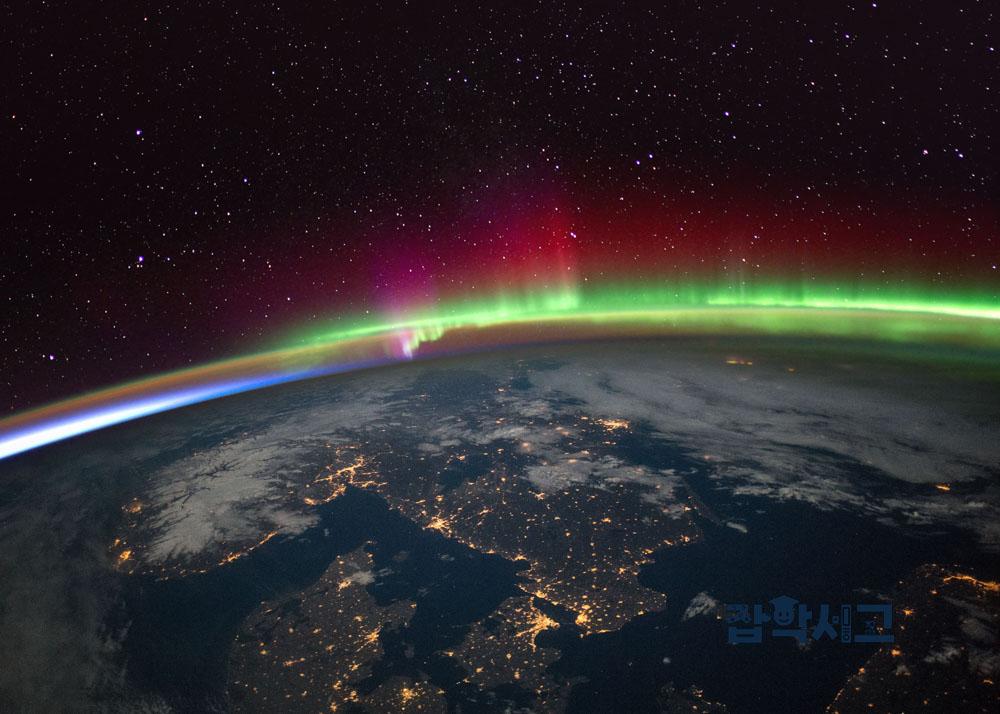 What are the principles and processes behind aurora formation?
What is an aurora?
An aurora is a light phenomenon that occurs when particles emitted by the Sun collide with Earth's atmosphere. Because auroras occur mainly near the North and South Poles, they are also called the northern lights (aurora borealis) and southern lights (aurora australis), respectively.
The Aurora's Journey Begins at the Sun
The aurora's journey begins at the Sun. The Sun constantly releases powerful energy, and some of this energy travels out into space in the form of solar wind (solar wind). The solar wind consists of electrically charged particles. When these particles reach Earth, they are affected by Earth's magnetic field.
The Interaction Between Earth's Magnetic Field and Particles
Earth has a magnetic field that acts like a giant magnet. This magnetic field prevents solar wind particles from entering Earth's atmosphere directly. However, some particles enter the atmosphere near the polar regions of Earth's magnetic field. During this process, the particles collide with atoms or molecules in Earth's atmosphere.
Light Produced by Collisions with the Atmosphere
When solar wind particles collide with atoms or molecules in Earth's atmosphere, energy is released. Auroras occur as this energy is converted into light. The colors of auroras vary depending on the types of atoms or molecules present in the atmosphere. For example, collisions with oxygen produce green or red auroras, while collisions with nitrogen produce blue or purple auroras.
The Various Shapes of Auroras
Auroras can appear in several shapes. They take various forms, such as spreading out like curtains, rippling, or flickering. These shapes vary with the strength of the solar wind and fluctuations in Earth's magnetic field.
Auroras are beautiful light phenomena that occur when particles emitted by the Sun collide with Earth's atmosphere. This process involves interactions among the solar wind, Earth's magnetic field, and the atmosphere, producing auroras in various colors and shapes. Auroras can be described as mysterious works of art created by nature.
The Colors and Shapes of Auroras
 Why do the colors and shapes of auroras look different?
Aurora Colors: What Determines Them?
The colors of auroras depend mainly on which atoms or molecules in Earth's atmosphere the solar wind particles collide with. Different atoms and molecules emit light of specific colors after a collision.
- Green auroras: These appear as a result of collisions with oxygen atoms at altitudes between 100 km and 300 km in Earth's atmosphere. At these altitudes, oxygen atoms emit green light after a collision. Green is the most commonly seen aurora color.
- Red auroras: These are light emitted by oxygen atoms at higher altitudes of approximately 300 km or above. At these altitudes, oxygen atoms emit red light. Red auroras appear less frequently than green auroras.
- Blue and purple auroras: These occur as a result of collisions with nitrogen molecules at altitudes of approximately 100 km or below. Nitrogen molecules emit blue or purple light after a collision. These colors are observed at lower altitudes than the colors produced by collisions with oxygen.
Aurora Shapes: What Influences Them?
Auroras can appear in various shapes, determined mainly by the strength of the solar wind, the structure of Earth's magnetic field, and atmospheric conditions.
- Curtain form: This is a form in which an aurora looks like a long curtain spread across the sky. It occurs as electrons move along Earth's magnetic field lines and collide with the atmosphere.
- Arc form: This is an aurora that appears as an arc in the sky. This form, produced as electrons travel along magnetic field lines, is similar to the curtain form but has a simpler structure.
- Swirling form: This is a form in which an aurora appears to swirl, occurring when the solar wind is strong and Earth's magnetic field is unstable. This form is very dynamic and tends to change rapidly.
- Flickering form: This occurs when an aurora appears to flicker rapidly in the sky. It can appear when the solar wind is very strong, looking as though light bulbs in the sky are switching on and off.
The colors and shapes of auroras are determined by interactions among solar wind particles, atoms and molecules in Earth's atmosphere, and Earth's magnetic field. The various colors are produced mainly by collisions with oxygen and nitrogen atoms, while the shapes vary according to the strength of the solar wind and the state of Earth's magnetic field. Through these complex processes, auroras present us with colorful and beautiful displays.
Tips for Observing Auroras
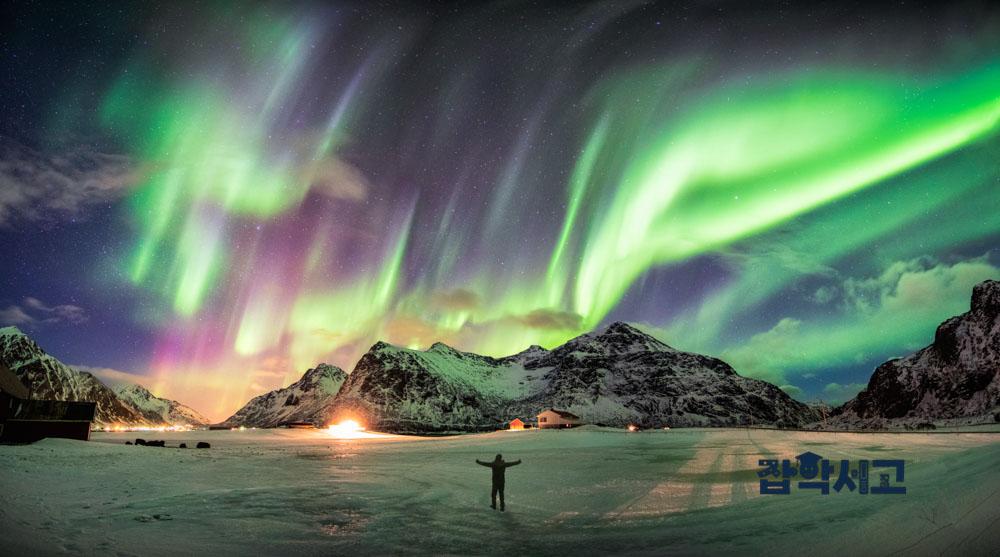 What do you need to observe auroras?
The Best Time to Observe Auroras
Auroras are easier to observe at certain times. The following information concerns the best times to observe auroras.
- Autumn and winter: In the Northern Hemisphere, the months from 9 to 3 are a good time to observe auroras. This is because nights are longer during this period, providing more hours of darkness.
- Time of day: The best time to see auroras is between 10 o'clock at night and 2 o'clock in the early morning. This is when magnetic activity is at its most intense.
Choosing the Best Location
Choosing a location is important for observing auroras clearly. The following information concerns the best locations.
- High-latitude regions: High-latitude regions close to the North Pole are the best places to observe auroras. Representative destinations include Tromsø in Norway, Iceland, Lapland in Finland, and the Yukon region in Canada.
- Getting away from city centers: City lights can interfere with aurora observation, so it is best to leave the city center and go somewhere dark if possible.
Checking the Weather and Sky Conditions
Weather and sky conditions are also important factors in observing auroras.
- Clear skies: Clear weather without clouds is best for observing auroras. If there are many clouds, they may obscure the auroras and prevent you from seeing them.
- Weather forecasts: Before observing auroras, it is best to check the weather forecast and choose a clear day.
Necessary Equipment and Supplies
Certain equipment and supplies are needed to observe and record auroras more effectively.
- Warm clothing: Because auroras are observed in cold regions, it is important to maintain your body temperature by wearing clothing with good insulation.
- Camera: To capture the beauty of auroras, it is best to use a DSLR or mirrorless camera with a tripod. Long-exposure settings allow you to take clear photographs.
- Flashlight: It is useful to bring a flashlight for moving around in dark surroundings.
Checking Aurora Forecasts
Checking aurora forecasts is very useful when planning to observe auroras.
- Aurora forecast websites: NOAA Space Weather Prediction Center, Aurora Service, and other sites provide aurora forecasts, so it is best to check them and plan your observations accordingly.
- Using apps: Mobile apps such as Aurora Alerts and My Aurora Forecast provide real-time aurora forecasts and notifications.
To observe auroras successfully, it is important to choose the best time and location, check the weather and sky conditions, and bring appropriate equipment and supplies.
In addition, planning your observations using aurora forecasts can improve your chances of seeing an aurora. By following these tips, you can have an unforgettable experience of seeing mysterious and beautiful auroras with your own eyes.
Aurora Viewing Destinations Around the World
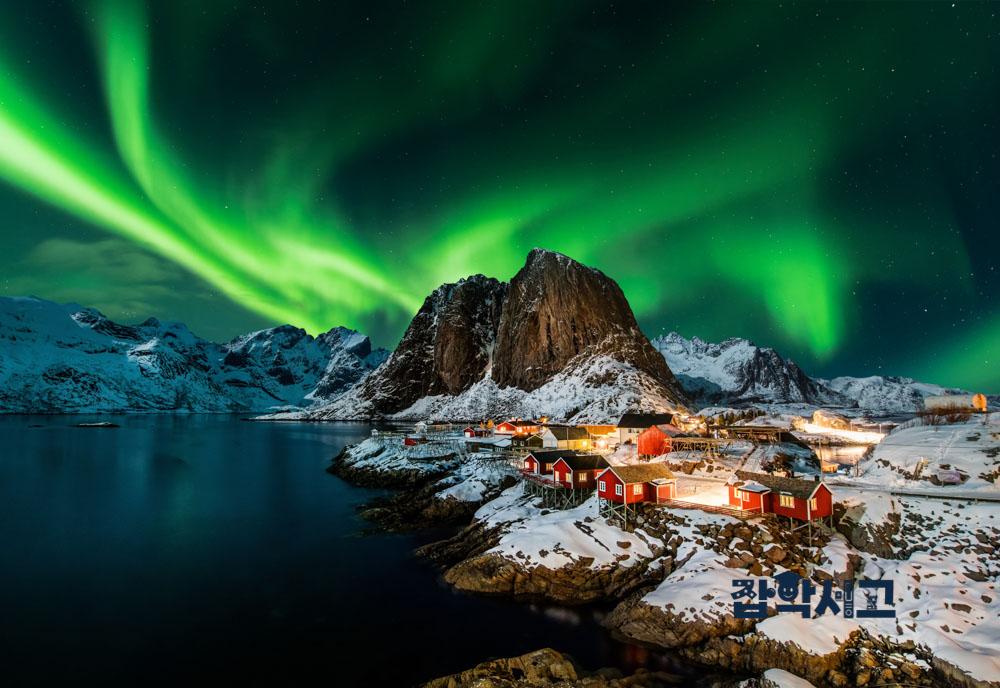 Where are the world's aurora viewing destinations?
There are famous destinations around the world for observing auroras. These destinations have geographic locations and environments that offer the best conditions for observing auroras. The following are the world's best aurora viewing destinations.
1. Tromsø, Norway (Tromsø)
Tromsø is a Norwegian city located within the Arctic Circle and is among the best places to observe auroras. It offers a variety of aurora tours and activities, giving visitors many opportunities to experience auroras.
- Location: Situated at 69 degrees north latitude, it offers a very high chance of observing auroras.
- Activities: You can enjoy auroras alongside various winter activities, including dog sledding, reindeer safaris, and Arctic hot springs.
2. Reykjavík, Iceland (Reykjavík), and the Surrounding Areas
Iceland is famous as a place where you can observe auroras alongside a variety of natural landscapes. In particular, the dark areas around Reykjavík are good places to observe auroras.
- Location: Situated at 64 degrees north latitude, it attracts many tourists thanks to its easy accessibility.
- Activities: You can admire auroras from the Blue Lagoon hot springs or enjoy an aurora safari alongside a Golden Circle tour.
3. Lapland, Finland (Lapland)
Lapland is a region in northern Finland and is an ideal place to observe auroras in the middle of winter. It offers unforgettable aurora experiences along with unique aurora dome accommodations.
- Location: Situated at 66 degrees north latitude, it is an ideal location for observing auroras.
- Activities: You can admire auroras while staying warm in a glass igloo hotel or enjoy various activities such as snowmobile tours and safari tours.
4. Yukon, Canada (Yukon)
Yukon is a region in northwestern Canada and is an ideal place to admire auroras amid vast natural wilderness. Its clear skies and low light pollution make it ideal for observing auroras.
- Location: Situated between 60 and 70 degrees north latitude, it offers ideal conditions for observing auroras.
- Activities: You can experience auroras in nature through Yukon Wild Aurora tours, camping along the Yukon River, and other activities.
5. Fairbanks, Alaska (Fairbanks)
Fairbanks is a city in Alaska, United States, famous as an aurora viewing destination. It is a popular destination that attracts many tourists during the aurora season.
- Location: Situated at 65 degrees north latitude, it offers a high chance of observing auroras.
- Activities: You can admire auroras while soaking in the hot springs at Chena Hot Springs Resort or join an Arctic aurora tour.
6. Kiruna, Sweden (Kiruna)
Located in northern Sweden, Kiruna is a special place where you can observe auroras and experience Sami culture.
- Location: Situated at 68 degrees north latitude, it is an ideal location for observing auroras.
- Activities: You can enjoy auroras alongside various winter activities, including a special stay at an ice hotel, snowmobile tours, and reindeer safaris.
There are many ideal aurora viewing destinations around the world. Each destination, including Tromsø in Norway, Reykjavík in Iceland, Lapland in Finland, Yukon in Canada, Fairbanks in Alaska, and Kiruna in Sweden, offers its own beauty and unique experiences.
We hope you will visit these destinations to see mysterious auroras with your own eyes, enjoy various winter activities, and create unforgettable memories.
Auroras are more than simply a natural phenomenon; they are a wondrous result of the interaction between Earth and space. By understanding how they form, learning the secrets of their various colors and shapes, and using appropriate observation tips, you can appreciate auroras more deeply.
In addition, visiting destinations around the world to experience auroras firsthand will create unforgettable memories. We hope this resource has satisfied at least some of your curiosity about auroras, and we hope you will someday see them adorning the night sky with your own eyes.