Dieting is considered an important issue for many people today, and various methods have been proposed for losing weight and maintaining health.
However, improper dieting methods not only harm your health but also lower your basal metabolic rate, ultimately causing the yo-yo effect.
To avoid these adverse effects and pursue sustainable, healthy dieting, you need accurate information and an understanding of proper methods.
This article explains healthy dieting methods and explores ways to manage your basal metabolic rate and curb the yo-yo effect.
The concept of dieting
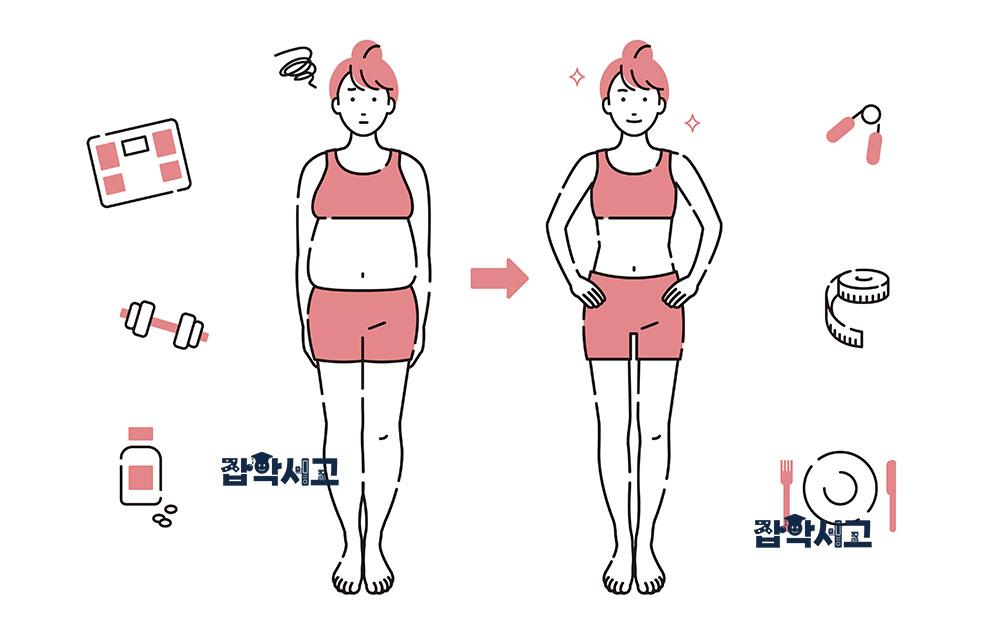 What does dieting mean?
Dieting basically means adjusting your meal plan or exercise routine to achieve a specific goal.
In most cases, dieting aims to reduce weight, but it can also be undertaken to maintain health, improve fitness, or manage specific health problems.
Weight management
The most common purpose of dieting is to lose or maintain weight. To do this, people often restrict their calorie intake and try to expend more energy through exercise.
Maintaining and improving health
Dieting can involve increasing or decreasing the intake of specific nutrients, which can improve or help manage particular health issues, such as heart health, diabetes management, and bone health.
Disease management
Following a personalized diet plan can also be important for managing a particular health condition or disease. For example, people with diabetes can manage their blood sugar levels through meal planning, while people with high blood pressure can follow a low-salt diet.
Dieting has a broader meaning than simply 'the act of eating food' and can play an important role in our overall health and well-being. Choosing and following proper dieting methods can greatly improve our health and allow us to enjoy a better quality of life in the long term.
Healthy dieting methods
 One key aspect of dieting is a healthy diet.
Healthy dieting means managing weight and maintaining or improving overall health through balanced nutrition and appropriate exercise. Here are some important principles for healthy dieting.
Balanced nutrition
It is important to eat a variety of foods to obtain all the nutrients you need. It is advisable to include vegetables, fruit, whole grains, protein-rich foods, and healthy fats.
Appropriate calorie intake
It is important to consume as many calories as your body needs, taking care not to consume too many or too few. Calorie intake varies according to a person's age, sex, and activity level.
Regular exercise
Exercise helps you maintain a healthy weight and expend energy. It also improves heart health, boosts your mood, and helps you feel more energetic.
Maintenance and monitoring
It is important to set goals, monitor your progress, and make adjustments when necessary. This helps you maintain healthy dieting habits and achieve long-term success.
Maintaining a positive mindset
Following a diet and exercise plan can be challenging, but it is important to maintain a positive attitude and set achievable goals. It is also important to celebrate your dieting successes and view failures as opportunities to learn.
Healthy dieting should be designed to sustain a healthy, enjoyable lifestyle over the long term, rather than to achieve short-term results.
A key aspect of dieting: how to manage your basal metabolic rate
 One key aspect of dieting is increasing your basal metabolic rate.
Basal metabolic rate refers to the minimum amount of energy our bodies need to sustain vital functions. For example, it refers to the calories expended on basic activities such as breathing, keeping the heart beating, brain activity, and sleeping. Basal metabolic rate varies according to age, sex, weight, height, muscle mass, and other factors.
The importance of basal metabolic rate
A high basal metabolic rate is advantageous for dieting. This is because a high basal metabolic rate means that our bodies expend a lot of energy. As a result, less of the food we eat is stored as fat, making weight loss easier.
Conversely, a low basal metabolic rate is disadvantageous for dieting. This is because a low basal metabolic rate means that our bodies expend less energy. As a result, more is stored as fat even when we eat less, making weight loss more difficult.
Increasing muscle mass
The most effective way to raise your basal metabolic rate is to increase your muscle mass. Muscle is a tissue that expends more energy than fat. Therefore, greater muscle mass leads to a higher basal metabolic rate.
To increase muscle mass, you need to do strength training consistently. It is advisable to focus strength training on large muscle groups, such as those in the thighs, buttocks, and chest.
Managing eating habits
Eating habits are also important for increasing your basal metabolic rate. You should eat three proper meals a day at set times and avoid overeating and snacking. If you skip meals or eat too little, your basal metabolic rate decreases because your body tries to conserve energy.
On the other hand, if you eat too much at meals or snack frequently, your body tries to store energy, which accumulates as fat. Therefore, it is important to eat an appropriate amount of food.
The types of food you eat also affect your basal metabolic rate. Protein is an essential nutrient for building muscle, and it involves greater energy expenditure than fat and carbohydrates. Therefore, consuming protein increases your basal metabolic rate.
Protein-rich foods include lean beef, chicken, beans, tofu, milk, yogurt, and eggs. It is advisable to distribute these foods across your three daily meals.
Drinking plenty of water
There are other ways to increase your basal metabolic rate. One example is drinking enough water. Water is a substance needed for our bodies' metabolic activities. When you drink water, your body expends energy to maintain its temperature.
Drinking cold water in particular makes your body use more energy to raise its temperature internally. Therefore, it is advisable to drink about 2 liters of water a day.
Drinking coffee without sugar
Drinking coffee is also a way to increase your basal metabolic rate. The caffeine in coffee stimulates the nervous system and promotes metabolic activity. Drinking coffee increases your basal metabolic rate by approximately 3–11%. However, be careful when adding sugar or cream to coffee, as this increases its calorie content.
Getting enough sleep
Finally, getting enough sleep is also a way to increase your basal metabolic rate. Sleep affects hormone secretion and metabolic activity in our bodies. Sleep deprivation disrupts the secretion of cortisol, a stress hormone, and leptin and ghrelin, hormones that regulate fullness and hunger. This increases food intake and reduces fat burning. Therefore, it is advisable to get about 7–8 hours of restful sleep a day.
To summarize, increasing muscle mass, improving eating habits, drinking water and coffee, and getting enough sleep are important for raising your basal metabolic rate. Practicing these methods consistently will help with dieting.
The enemy of dieting: how to curb the yo-yo effect
 Exercise should accompany your diet.
The yo-yo effect refers to the phenomenon in which weight returns to its original level or increases beyond it after weight loss. The yo-yo effect often occurs because of rapid dieting over a short period or extreme dietary restrictions.
The yo-yo effect not only increases weight but also adversely affects the entire body. For example, muscle mass decreases and body fat increases, raising the risk of obesity-related diseases, while increased stress and feelings of depression also harm mental health.
To curb the yo-yo effect and succeed in dieting, it is advisable to consider the following methods.
Losing weight gradually
Losing weight too quickly triggers a physiological response in which the body tries to conserve energy and store it as fat. Therefore, reducing your daily calorie intake by just about 500 kcal can result in weight loss of about 2 kg a month. It is advisable to aim to lose about 10–15% of your current weight and maintain a weight-loss rate of about 2–4 kg every 1 months.
Eating regular meals
If you skip meals or eat too little, your body interprets this as a lack of nutrients and lowers your basal metabolic rate. This suppresses fat burning and makes it easier for food to be stored as fat after you eat. Therefore, it is important to eat three proper meals a day at set times and avoid overeating and snacking.
You should also consider the types of food you eat, consume a balanced variety of essential nutrients such as protein, vitamins, and minerals, and appropriately reduce fat and carbohydrates.
Exercising consistently
Exercise is the most effective way to increase energy expenditure and body fat burning. Increasing muscle mass through exercise also raises your basal metabolic rate, reducing the amount stored as fat even when you eat the same amount of food.
It is advisable to combine aerobic exercise with strength training. Aerobic exercise is effective for burning fat, while strength training is effective for building muscle. Adjust the duration and intensity of exercise to suit your fitness level and circumstances, but aim to exercise consistently for at least 30 minutes a day, about 3–5 times a week.
Managing stress
Stress increases appetite and the secretion of cortisol, a hormone that promotes fat storage. This can trigger the yo-yo effect.
Therefore, it is important to relieve stress appropriately and maintain positive emotions. Ways to relieve stress vary from person to person, but they include enjoyable hobbies or leisure activities, rest, meditation, and conversations with friends or family.
To summarize, losing weight gradually, eating regular meals, exercising consistently, and managing stress are important for preventing the yo-yo effect. Practicing these methods over the long term will help with dieting.
This article has explored the importance of healthy dieting, the role of basal metabolic rate management, and ways to curb the yo-yo effect.
By choosing proper dieting methods, we can enjoy healthier, happier lives. Choosing sustainable dieting methods that do not harm our health can also improve our quality of life and maintain our long-term health.
Remember that dieting means more than simply losing weight and can have a positive impact on our health and quality of life.