Protein is an essential nutrient for maintaining our body's basic health and functions. It forms the structure of our body's cells, performs numerous life-sustaining functions, and plays an important role in keeping our body healthy.
Protein is made up of small units called amino acids, and these amino acids bond together to create proteins with various forms and functions.
This article will explore the structure, functions, advantages, and disadvantages of protein, as well as common high-protein foods.
What Is Protein?
 Protein You Make Sure to Consume When Exercising
Protein is a basic building block of living organisms, formed by linking small units called amino acids. Amino acids form the basic structure of proteins, and these amino acids link together to produce proteins with various structures and functions.
Protein is a major component not only of the cellular structures of living organisms but also of enzymes, hormones, transporters, and substances that perform various biological functions.
Protein is very important in our daily lives, and it is important to consume an appropriate amount of protein through a balanced diet. Now, let us take a closer look at protein, step by step.
Protein Structure
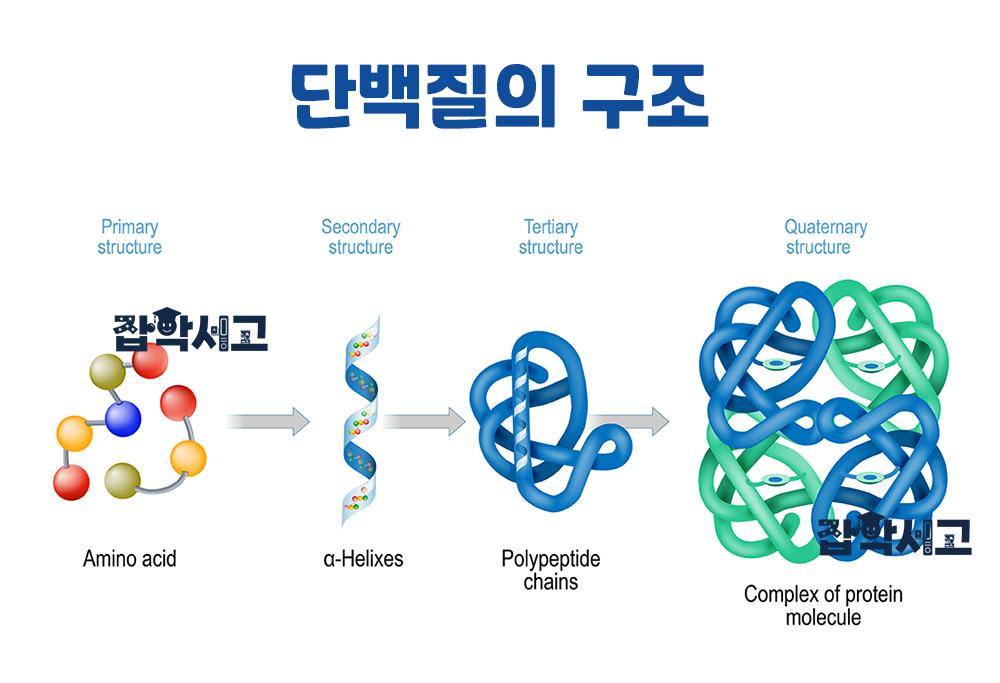 Levels 1–4 of Protein Structure
Understanding protein structure can be quite complex, but to explain it simply, a protein consists of a long chain of small building blocks called 'amino acids.'
These amino acids link together to create proteins with various forms and functions. Protein structure can be broadly divided into 4 levels.
Level 1 Structure (Primary Structure)
This refers to the sequence of amino acids that make up a protein. This sequence determines the protein's basic structure, and each amino acid is arranged in a specific order.
Level 2 Structure (Secondary Structure)
This refers to the structure formed as an amino acid chain folds or twists into a particular shape. Typical examples include the alpha helix (alpha-helix) and beta sheet (beta-sheet).
Level 3 Structure (Tertiary Structure)
The amino acid chain of the level 2 structure folds and twists in a more complex way to form a specific 3-dimensional shape. At this stage, the protein takes on a complete form that allows it to perform its function.
Level 4 Structure (Quaternary Structure)
Several protein chains bind together to form a large protein complex. This structure allows proteins to perform more complex functions.
In this way, protein structure develops in stages, from the sequence of amino acids to assemblies with complex 3-dimensional forms. Each level of structure helps the protein perform its corresponding function precisely.
Protein Functions
 What Roles Does Protein Play in the Human Body?
Protein performs various important roles in our body. To explain this in an easy-to-understand way, proteins act like 'workers' in our body. The main functions of protein are outlined below.
Structural Role
Protein forms the structure of many parts of our body, such as hair, skin, muscles, and bones. Protein is like the "building material" needed to create and strengthen these parts.
Transport and Storage Roles
Proteins transport and store important substances within our body. For example, hemoglobin carries oxygen to other parts of our body, while ferritin stores iron.
Enzyme Role
In the form of enzymes, proteins accelerate and regulate various chemical reactions in our body. Enzymes help our body perform many of its functions quickly and effectively.
Hormone Role
Some proteins act as hormones, regulating various functions and processes in our body. For example, insulin is an important protein hormone that regulates blood sugar levels in people with diabetes.
Immune System Support
In the form of antibodies, proteins protect our body from external pathogens. Antibodies help detect and eliminate foreign invaders such as viruses and bacteria.
Energy Supply
Protein can provide our body with energy when needed. Our body generally uses carbohydrates and fats as energy sources, but when these are in short supply, protein can be used as an energy source.
Signal Transmission
Some proteins transmit signals between cells. This helps the various systems and processes in our body cooperate and communicate with one another.
As described above, protein plays a very important role in maintaining our body's health and normal functions. Proteins have many different forms and functions, and these functions are performed in various parts of our body.
Advantages and Disadvantages of Protein
 What Are the Positive and Negative Effects of Protein?
Protein provides many benefits to our body, but it can also have disadvantages in some situations. The following is an overview of useful points to know about the advantages and disadvantages of protein.
Advantages
Support for Structure and Function
Protein forms the structural foundation of our body and helps keep muscles, bones, skin, hair, and other parts healthy.
Energy Supply
Protein can provide energy when needed, which is particularly important when other energy sources are in short supply.
Defense Function
Protein supports the immune system and forms antibodies that protect our body from external pathogens.
Enzyme and Hormone Production
Protein produces important enzymes and hormones, which are essential for regulating various physiological reactions and processes in our body.
Signal Transmission
Protein helps transmit signals between cells, allowing the various systems in our body to cooperate and communicate with one another.
Disadvantages
Problems with Excessive Intake
Consuming too much protein can put strain on the kidneys and cause various health problems.
Insufficient Carbohydrate Intake
If carbohydrate intake is insufficient while consuming high-protein foods, problems such as a lack of energy can occur.
Unbalanced Nutrient Intake
A diet centered on protein can lead to insufficient intake of other essential nutrients, resulting in a nutritional imbalance.
Protein provides many benefits, but it is important to consume an appropriate amount and maintain a balanced intake of various nutrients.
What Are Some Common Protein-Rich Foods??
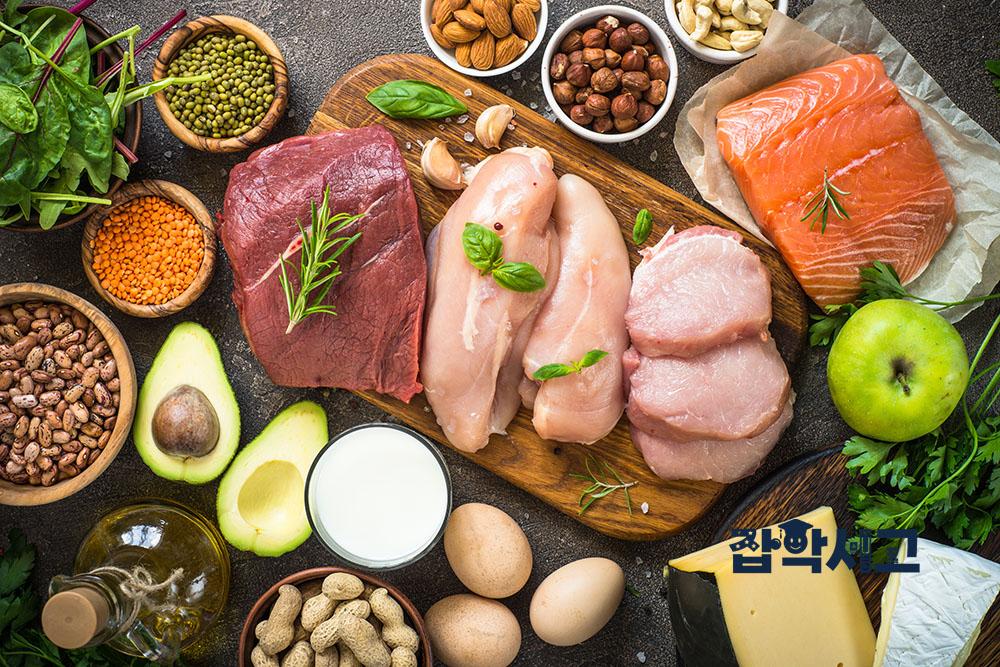 Images of Common High-Protein Foods
Protein is an essential nutrient that makes up muscles, skin, organs, and hormones in the body. Protein can be classified as plant-based or animal-based.
Plant-based protein is found in beans, nuts, grains, and similar foods, while animal-based protein is found in meat, fish and shellfish, dairy products, eggs, and similar foods. The following is a list of foods high in protein.
Meat: Meats such as beef, pork, and chicken are high in protein and rich in nutrients such as iron and vitamin B12. A beef sirloin steak with no fat contains 25 grams of protein and provides 186 calories.
Fish and Shellfish: Fish and shellfish such as fish, shrimp, tuna, and squid are high in protein and rich in nutrients such as omega-3 fatty acids, selenium, and vitamin B12. A 80 g serving of grilled mackerel contains 18 grams of protein and provides 200 calories.
Dairy Products: Dairy products such as milk, cheese, and yogurt are high in protein and rich in nutrients such as calcium, phosphorus, and vitamin B2. A 100 g serving of Greek yogurt contains 10 grams of protein and provides 59 calories.
Eggs: Eggs are high in protein and rich in nutrients such as vitamins A, D, E, and K. Most of an egg white is pure protein. An egg contains 6 grams of protein and provides 78 calories.
Legumes: Legume foods such as tofu, soy milk, black beans, and mung beans are high in plant-based protein and rich in nutrients such as dietary fiber, iron, and magnesium. A 200 g serving of tofu contains 16 grams of protein and provides 164 calories.
Nuts: Nuts and nut products such as almonds, walnuts, and peanut butter are high in plant-based protein and rich in nutrients such as healthy fats, vitamin E, and magnesium. A 28 g serving of almonds contains 6 grams of protein and provides 161 calories.
Grains: Grains such as oats, quinoa, and oatmeal are high in plant-based protein and rich in nutrients such as dietary fiber, vitamin B, and minerals. A 185 g serving of quinoa contains 8 grams of protein and provides 222 calories.
Vegetables: Vegetables such as broccoli, asparagus, and avocado are high in plant-based protein and rich in nutrients such as vitamins C and K and potassium. A 100 g serving of broccoli contains 3 grams of protein and provides 34 calories.
Protein is an essential nutrient for our body's growth, maintenance, and normal functioning.
To consume enough protein, we need to eat a variety of high-protein foods, which can help us maintain our health and obtain the energy and nutrients we need.
Understanding the importance of protein and consuming it appropriately will greatly benefit our health.