Fat is one of the important components of our body: it provides energy, forms the structure of cells, and helps absorb essential fatty acids and vitamins. It also helps maintain body temperature and serves a protective function.
However, eating too much fat can cause health problems such as obesity, so fat should be eaten in appropriate amounts.
This article explains the definition, types, and functions of fat, and looks at foods closely related to fat and how to eat fat properly.
What Is Fat?
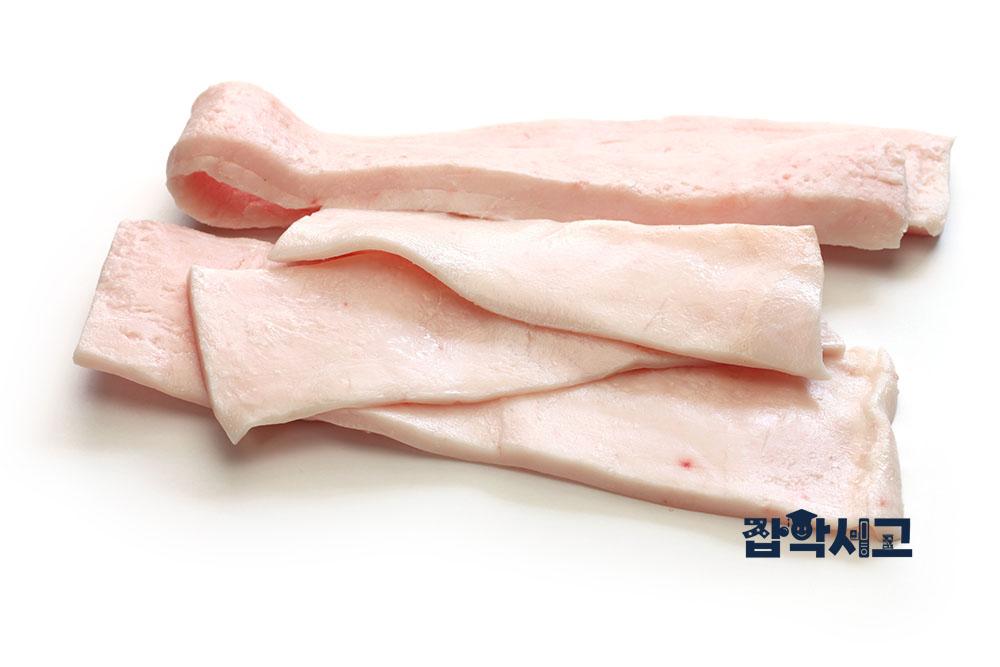 The image that commonly comes to mind with 'fat'
Fat is one of the three basic macronutrients (carbohydrates, fat, and protein) found in our bodies and in food. It provides the energy our body needs, makes up the membranes of our body's cells, and helps absorb essential fatty acids and vitamins (e.g., vitamins A, D, E, and K).
It also helps maintain body temperature and protect internal organs. Fat also stores energy over long periods, and this energy is used between meals or whenever energy is needed.
Fat is stored in our bodies as well, mainly in adipose tissue. However, eating too much fat can lead to obesity, heart disease, and other health problems, so fat intake should be managed appropriately.
What Are the Types and Functions of Fat?
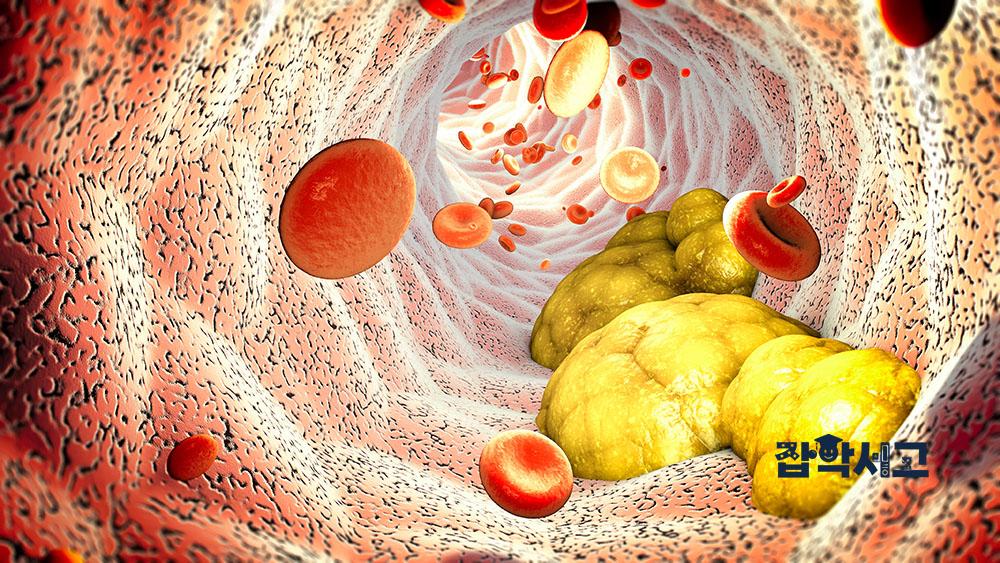 For good health, you should know the characteristics of fat when choosing what to eat.
Fat is classified into various types, and each type performs different functions in our body. A simple, easy-to-understand explanation of the main types of fat and their functions follows.
Types of Fat
Saturated Fats
Saturated fats are found mainly in animal foods and some vegetable oils. They are stable even at high temperatures and are mainly used to keep food fresh and give it structure.
Unsaturated Fats
Unsaturated fats are abundant in vegetable oils, nuts, seeds, and some fish. They can help maintain heart health and improve cholesterol levels. Unsaturated fats are further divided into Monounsaturated Fats and Polyunsaturated Fats, each with its own characteristics.
Trans Fats
Trans fats are mostly artificially made fats used to keep food fresh and give it structure. However, they are harmful to heart health, so it is best to eat as little of them as possible.
Cholesterol
Cholesterol is a fat-like substance needed for many of the body's functions. It is used to build cell membranes and to produce essential hormones.
Functions of Fat
Providing Energy
Fat is one of the main nutrients that provide energy to our body. It provides 9 calories of energy per gram, more than carbohydrates and protein (4 calories per gram each). Fat supplies the energy our body needs for activity and exercise, and it also provides energy between meals and during fasting.
Forming Cell Structure
Fat is a major component of the membranes of our body's cells and plays an important role in maintaining cell integrity and structure. Fat also aids signaling and the exchange of substances between cells.
Absorbing Essential Fatty Acids and Vitamins
Fat helps with the absorption and transport of essential fatty acids (e.g., omega-3 and omega-6 fatty acids). It also helps absorb the fat-soluble vitamins A, D, E, and K. These vitamins support many important functions, such as bone health, vision, the immune system, and blood clotting.
Maintaining Body Temperature and Protection
Adipose tissue helps maintain body temperature, protects internal organs, and shields the body from external impacts. Fat also protects sensitive parts of the body and retains heat to maintain body temperature.
Producing Hormones
Fat provides substances needed to produce several important hormones. For example, cholesterol is needed to produce steroid hormones (e.g., sex hormones, cortisol, and vitamin D).
In these ways, fat supports many of the body's functions and plays an important role in keeping us healthy. However, eating too much fat can cause health problems, so fat intake should be managed appropriately.
Which Foods Are Closely Related to Fat?
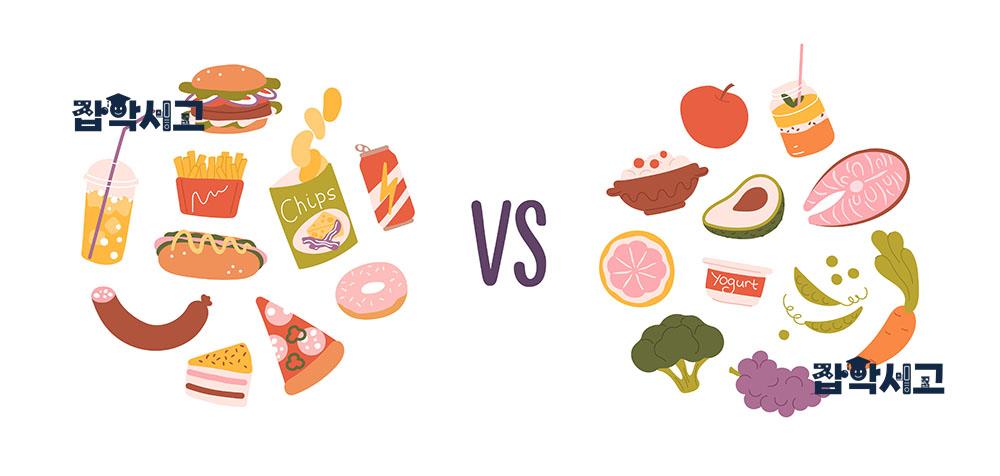 Unhealthy fats (left) vs. recommended fats (right)
Fat can be found in a wide variety of foods, and it plays an important role in our health. Foods closely related to fat are mainly divided into animal foods and plant foods. Below are some examples in each category.
Animal Foods
Meat: Red meats such as beef, pork, and lamb contain a lot of saturated fat.
Dairy products: Cheese, butter, cream, and the like are high in saturated fat.
Eggs: Egg yolks contain fat and cholesterol.
Plant Foods
Nuts and seeds: Almonds, walnuts, chia seeds, and the like are rich in unsaturated fats, which are good for heart health.
Vegetable oils: Olive oil, avocado oil, canola oil, and the like contain a lot of unsaturated fat and are good for heart health.
Avocado: Avocados are rich in unsaturated fat and help improve heart health and cholesterol levels.
Other Foods
Fish: Fish such as salmon, mackerel, and tuna are rich in omega-3 fatty acids and are good for heart health.
Processed foods: Many processed foods, especially fried foods and snacks, can contain a lot of trans fat and saturated fat.
These foods provide various types of fat, and making appropriate choices and eating a balanced diet are important for healthy fat intake. Also, when eating fatty foods, it is wise to consider the type and amount of fat and make choices that benefit your health.
How to Eat Fat Properly and What to Watch Out For
Fat is a basic nutrient for our body and is necessary for staying healthy. However, eating too much fat can be harmful. So it is important to eat fat properly and to know a few precautions for staying healthy.
How to Eat Fat Properly
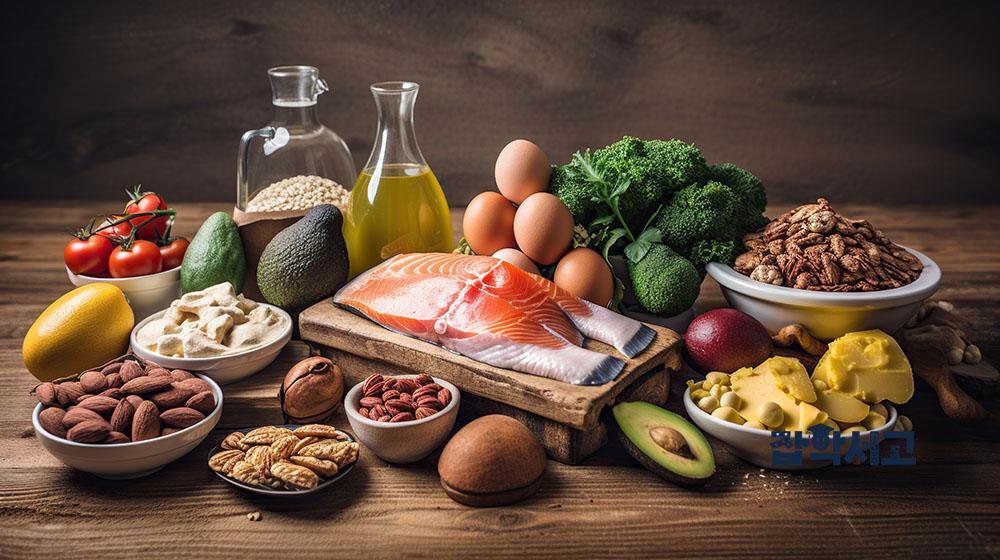 What healthy fat foods look like
Eat a variety of fats
It is good to eat a variety of types of fat. You should eat a balance of plant fats (olive oil, avocados, nuts) and animal fats (fat-free dairy products, some fish).
Favor unsaturated fats
Unsaturated fats are good for heart health and can improve cholesterol levels. It is good to get unsaturated fats by including foods such as olive oil, nuts, avocados, and fish.
Limit saturated and trans fats
Eating saturated and trans fats can raise the risk of heart disease, so they should be limited. It is best to avoid foods high in saturated and trans fats, such as processed foods, meat, butter, and cheese.
Control portions of high-fat foods
Control how much high-fat food you eat so that you stay within the recommended daily fat intake.
Avoid processed foods
Processed foods often contain a lot of trans fat and saturated fat, which can be harmful to your health.
Things to Watch Out For When Eating
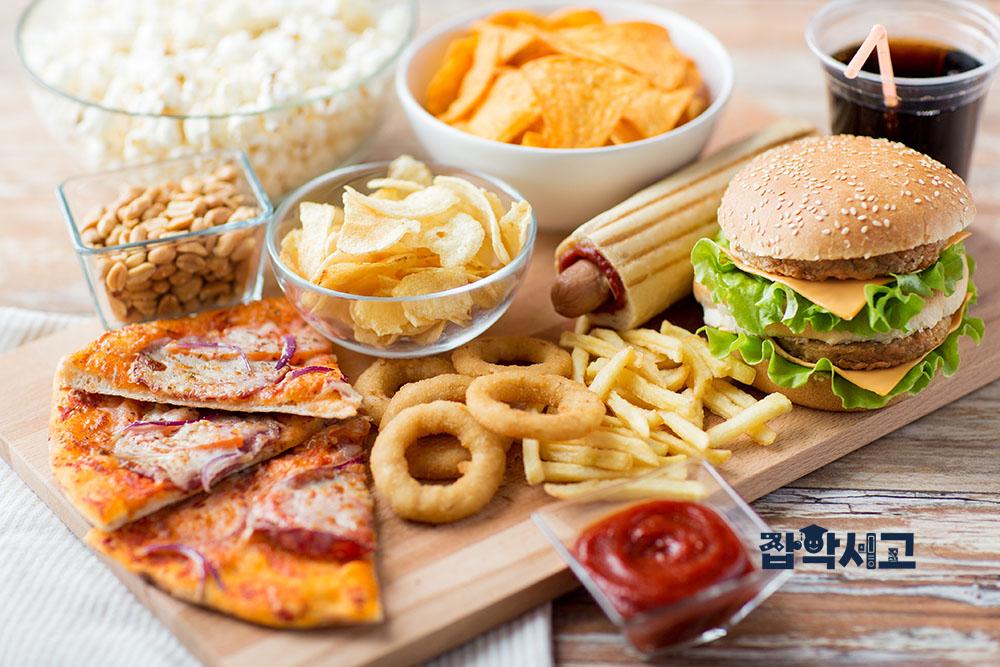 Examples of unhealthy foods
Check food labels
When buying food, always check the label to find out the type and amount of fat. It is especially important to check the trans fat and saturated fat content. It is best to avoid trans fats as much as possible.
Watch your cholesterol
Limit high-cholesterol foods and check food labels for cholesterol content. A high cholesterol intake can raise the risk of heart disease.
Limit processed and fried foods
Processed foods and fried foods can contain a lot of trans fat and saturated fat, so limit or avoid them as much as possible.
Choose healthy cooking methods
When preparing food, choose roasted, steamed, or boiled dishes and avoid fried foods. It is also good to use healthy vegetable oils (olive oil or avocado oil).
Get regular checkups
Get regular health checkups to check your cholesterol levels and other fat-related health indicators. This lets you detect and manage health problems related to fat intake early.
Personalized diet plan
The amount of fat you need can vary with your health, age, and activity level, so it is good to consult a dietitian or doctor to set up a personalized diet plan.
Be careful with habitual snacking
Snacks are often high in fat and sugar, so limit snacking and look for healthy alternatives.
Keep your diet varied
Eat a variety of foods to maintain a balanced diet, and explore a range of food sources to choose healthy fats.
By understanding and applying the right way to eat fat and the precautions involved, you can stay healthy and reduce the risk of various diseases. As part of a balanced diet, fat intake can improve your health through the right knowledge and practice.
By understanding the important roles and various types of fat, we become able to tell healthy fats from unhealthy ones.
In addition, by learning about foods closely related to fat and eating fat properly, we can stay healthy and reduce the risk of disease.
Fat intake is important as part of a balanced diet, and through the right knowledge and practice, we can improve our health.