VFX(Visual Effects) is an important technology widely used in modern film, games, advertising, and various media industries.
VFX uses computer graphics and animation to create and manipulate real or virtual environments and objects, making it possible to visually realize scenes that would be impossible or expensive in reality.
Technological advances in computer graphics have enabled progress in VFX, and these advances have contributed to the development of various principles and techniques for applying VFX.
This material explores the basic concepts of VFX, the development of computer graphics, the principles of applying VFX, and the overall VFX workflow.
What Is VFX?
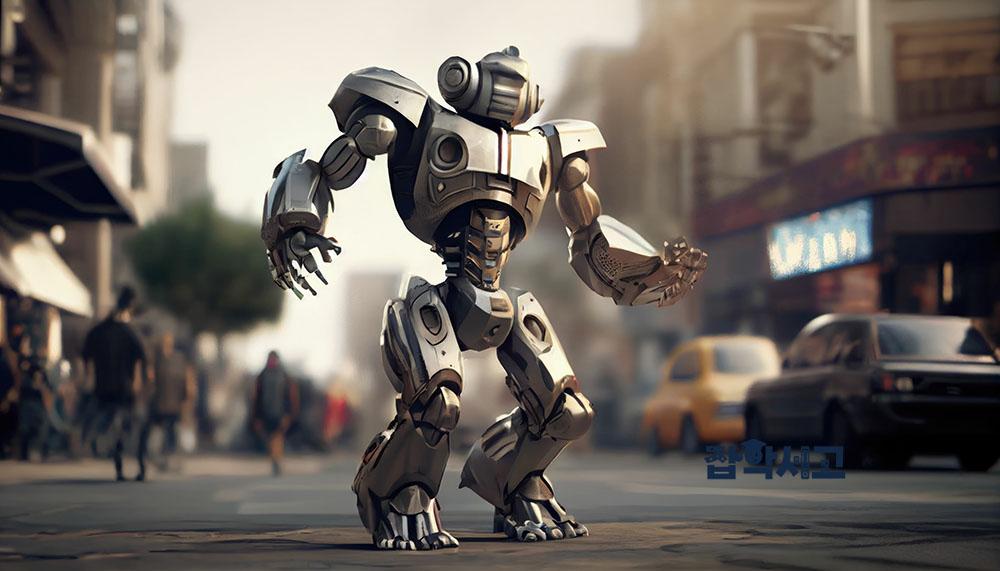 The Concept of VFX
VFX(Visual Effects) refers to the technologies and processes used to create or manipulate visual effects that cannot actually be filmed for visual media.
These effects are produced using computer graphics (CG), animation, real-time rendering, and various digital tools.
VFX is primarily used in media productions such as films, television programs, video games, advertisements, and music videos, and it plays an important role in combining real and virtual worlds realistically and believably.
VFX also enhances storytelling and enables more powerful and original visual expression, making media content more engaging and innovative.
The Development of Computer Graphics Technology
The development of computer graphics began in earnest in the middle of the 20th century and has continued to the present.
This journey of development includes numerous important milestones alongside technological progress, and computer graphics has achieved remarkable levels of realism and detail along the way.
The development of CG is organized by year below.
The 1960s
Early Computer Graphics: In the early stages of computer graphics, technologies were developed to generate and display simple 2D graphics and geometric shapes.
The 1970s
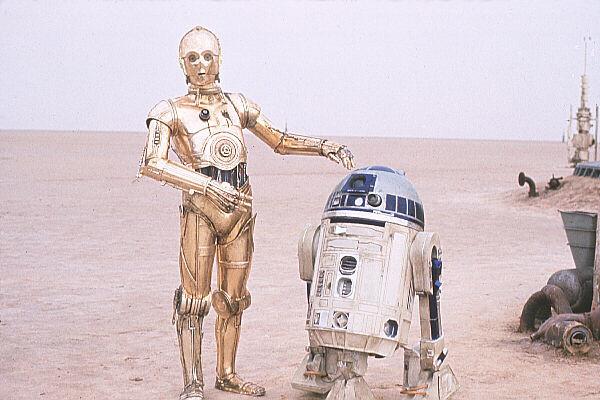 The 'Star Wars' series in the 1970s
The Emergence of 3D Graphics: Basic forms of 3D graphics emerged, and computer graphics began to be used commercially during this period.
The 1980s
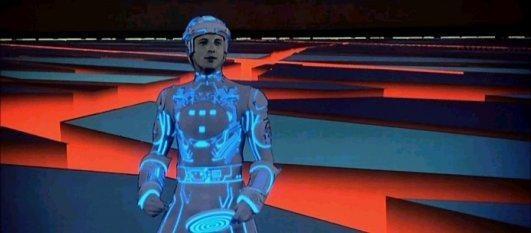 The film 'Tron' in the 1980s
Advances in Rendering Technology: Advances in rendering technology made it possible to generate more realistic images and animations, and lighting and shading techniques were introduced.
The Emergence of Personal Computers: The emergence of personal computers made computer graphics technology accessible to ordinary users as well.
The 1990s
 'Jurassic Park' in the 1990s
Texture Mapping and Lighting: The introduction of texture mapping and complex lighting techniques made 3D graphics more realistic and detailed.
The Emergence of the GPU(Graphics Processing Unit): The emergence of the GPU enabled high-performance graphics processing, bringing major advances in computer graphics.
The 2000s
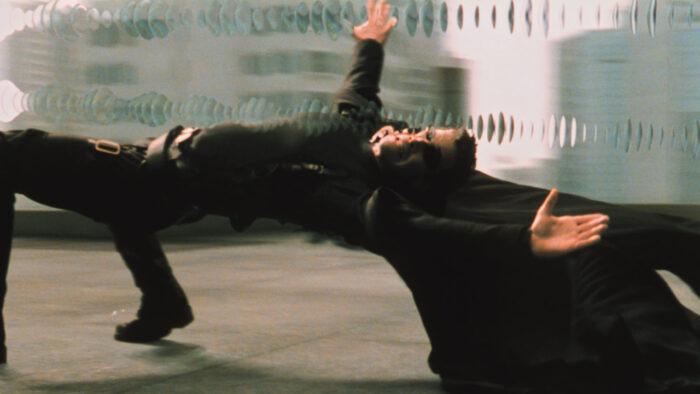 The 'The Matrix' series in the 2000s
Real-Time Rendering: Advances in real-time rendering technology brought innovations to video games and real-time animation.
High-Resolution Graphics: High-resolution graphics, detailed textures, and complex lighting techniques were introduced.
From the 2010s Onward
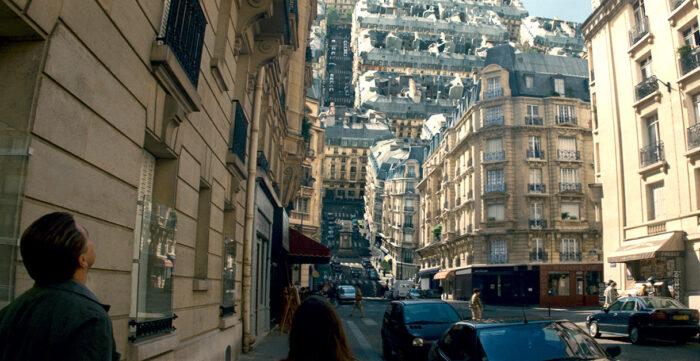 'Inception' in the 2010s
VR(Virtual Reality) and AR(Augmented Reality): Advances in VR and AR technologies made more immersive graphics experiences possible.
The Use of AI and Machine Learning: AI and machine learning technologies were introduced into computer graphics, bringing major changes to rendering, animation, and graphics optimization.
The development of computer graphics has made it possible to generate increasingly complex and realistic graphics over time, and these technological advances have brought innovative changes to various fields, including VFX, game development, animation, design, and simulation.
The Principles of Applying VFX
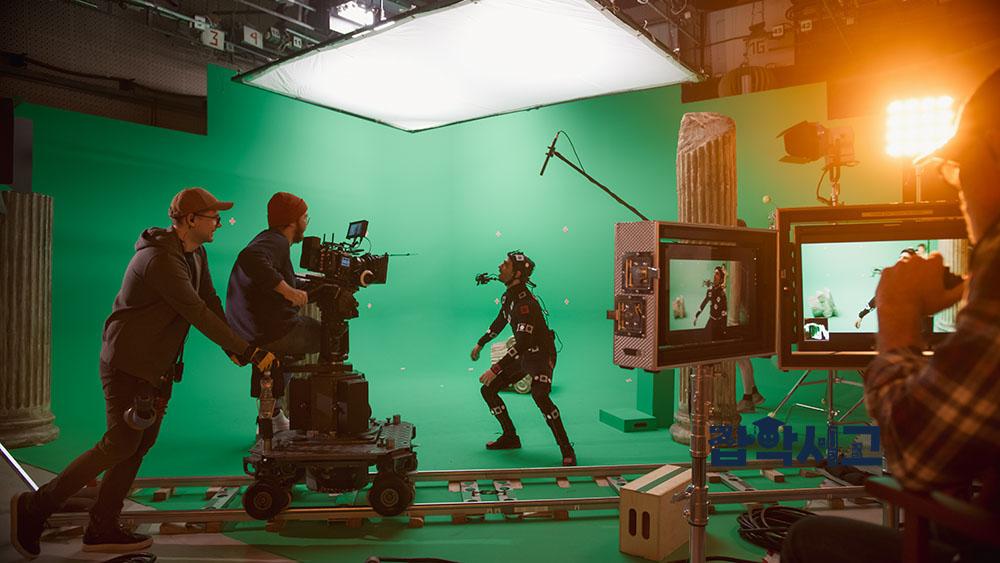 Motion capture, one of the technologies used in VFX
The principles of applying VFX(Visual Effects) are based on using computer technology to create, manipulate, and integrate real or virtual images and video.
VFX is used in films, television, video games, advertising, and other media, and it can be understood through the following main principles and examples.
CGI (Computer Generated Imagery)
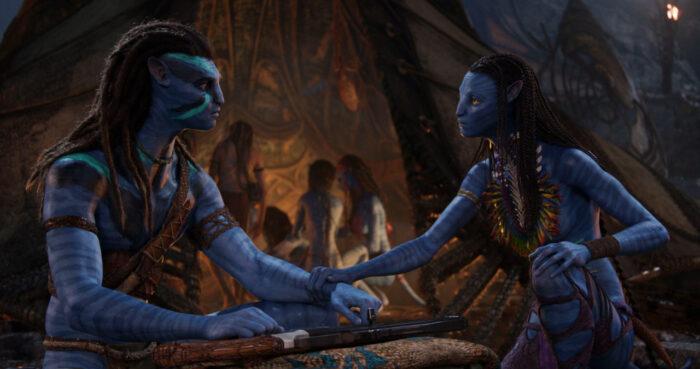 A released still from the film 'Avatar'
Computer graphics techniques such as 3D modeling, animation, texturing, and lighting are used to create virtual objects and environments. In the film "Avatar," CGI technology was used to depict the alien planet Pandora and its ecosystem in intricate detail.
Compositing
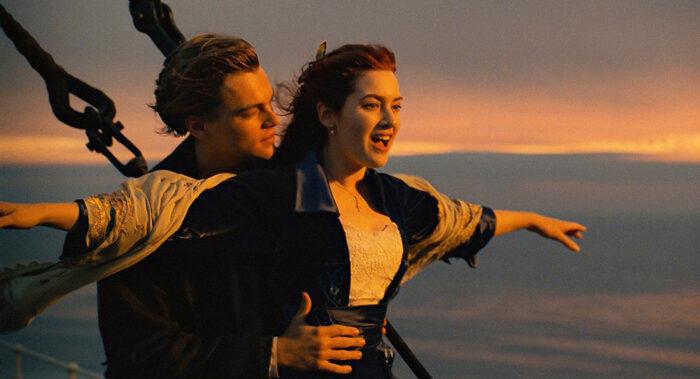 A still from the film 'Titanic'
Live-action footage and computer-generated imagery are combined to create a single completed scene. In the film "Titanic," scenes were created by combining a real ship with a CGI ship.
Motion Capture
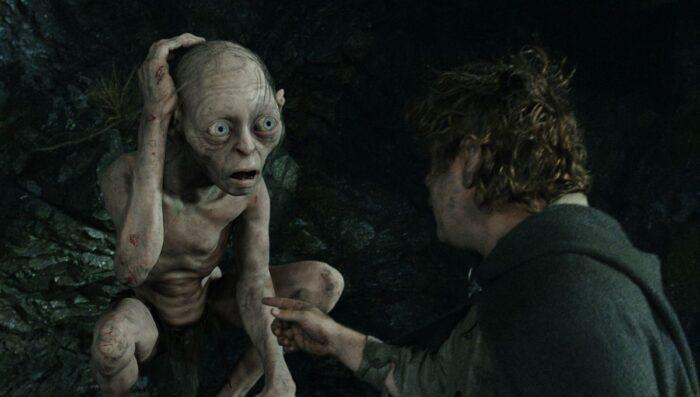 A still from 'The Lord of the Rings'
The movements of real humans are captured and applied to computer graphics characters. The character Gollum in the film "The Lord of the Rings" was created using motion capture technology.
Color Correction and Grading
Digital color correction tools are used to adjust the colors of footage and create a particular mood. Many films use color correction and grading to emphasize the mood and emotions of each scene.
Simulation
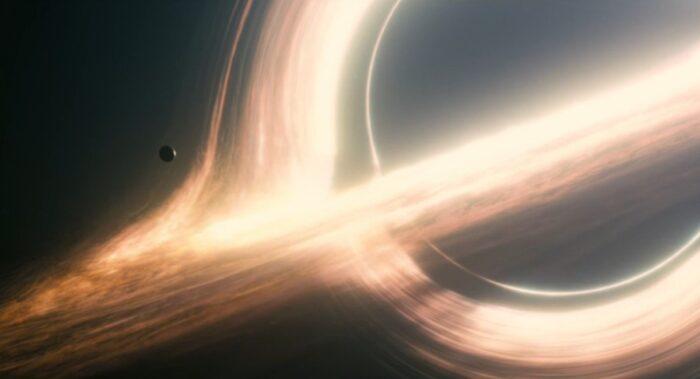 A still from the film 'Interstellar'
Physics simulation tools are used to digitally recreate real-world phenomena such as water, fire, smoke, and destruction. The black hole and water simulations in the film "Interstellar" were created through advanced physics simulations.
Matte Painting
Digital or traditional painting techniques are used to create or extend background environments. The vast landscapes and historical structures in many films are realized through matte painting techniques.
The principles of applying VFX combine technology and art to create visually realistic and appealing images and video, contributing greatly to enhancing storytelling and increasing the value of media content.
The VFX Workflow
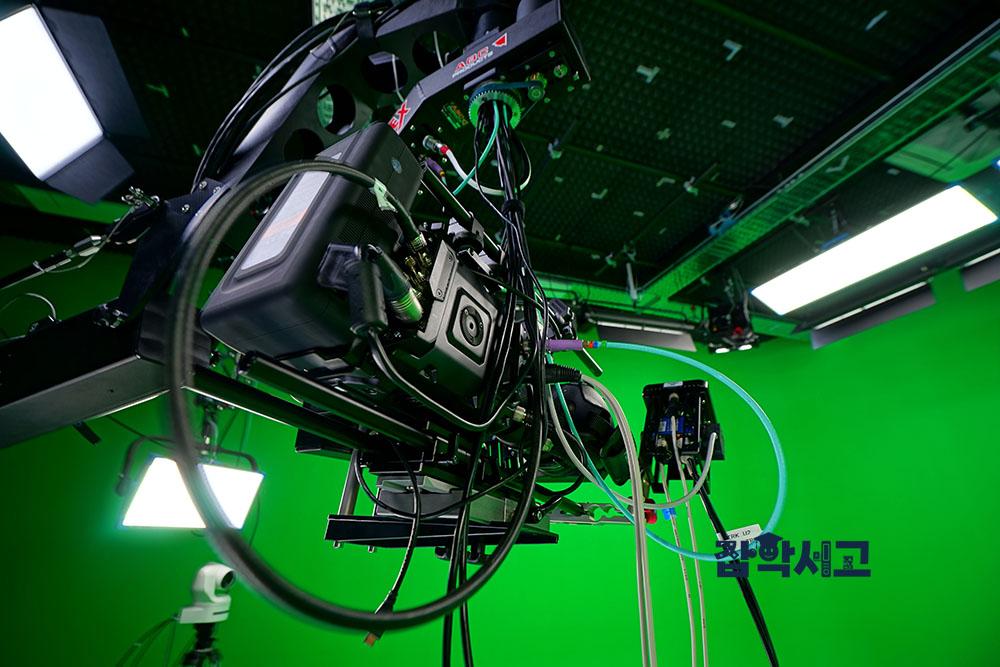 What Is the VFX Workflow?
VFX(Visual Effects) work is a highly specialized and complex process, and achieving successful results requires familiarity with and understanding of various stages and techniques.
The VFX workflow consists of several stages, as shown below, and the procedures at each stage help explain how the workflow progresses.
1. Preproduction(Pre-production)
Writing Scripts and Storyboards: Clear storyboards and scripts are created to define the scope and requirements of the VFX work.
Budget and Schedule Planning: The project's schedule and budget are planned to manage resources efficiently.
2. Filming(Shooting)
Using Green Screens and Blue Screens: Chroma key techniques are used to make it easy to remove or replace backgrounds during postproduction.
Using Tracking Markers: Tracking markers are used to integrate VFX elements accurately into live-action footage.
3. 3D Modeling and Animation
Textures and Lighting: Objects' textures and lighting are handled accurately to achieve realistic results.
Rigging and Skinning: Characters undergo rigging (creating a skeleton) and skinning (connecting the skeleton to the outer form) for animation.
4. Simulation and Rendering
Physics Simulation: Natural phenomena such as water, fire, and smoke are simulated to resemble their real-world counterparts.
Rendering Optimization: Rendering settings are optimized to reduce rendering time while maintaining quality.
5. Compositing
Layer Management: Various VFX layers are managed effectively to compose the final result.
Color Correction and Grading: The colors of the final footage are adjusted to achieve a consistent and aesthetically pleasing result.
6. Review and Revisions
Collecting Feedback: Feedback is collected from the client or team, and necessary revisions are identified.
Iterative Revisions: Revisions are made based on feedback, and this process is repeated to improve the final result.
7. Final Submission
Quality Check: After all VFX work is complete, a quality check is performed to ensure there are no problems.
Submission to the Client: Once satisfactory results are achieved, the final deliverable is submitted to the client.
VFX has become a core element of the modern media industry, and its technical capabilities continue to grow. Advances in computer graphics have expanded the functions and possibilities of VFX, and VFX now makes visual expressions possible that we once thought were impossible.
The principles of applying VFX enable media content creators to break down the boundaries between reality and the virtual world and give them the ability to create powerful and innovative visual stories.
The various technologies used in VFX also provide the tools needed to create, manipulate, and integrate these remarkable visual effects.
As technology continues to advance, VFX will offer even more remarkable visual expression and make the media industry more innovative and engaging.