After a football match, you often hear someone say, “I knew we would lose the moment they didn’t swap out the defender in the second half.” After a stock crashes, analyses pour in claiming that “the warning signs were already visible back then,” and a friend whose relationship has ended is told, “You two never looked like a good match from the start.” Yet few people actually said so before the outcome was known.
This mental habit of believing, after something has happened, that we could have predicted the outcome from the beginning is called “hindsight bias.” Put simply, it means “the illusion that, once you know the outcome, the past looks far more obvious than it really was,” and it is also called the “Knew-It-All-Along Effect.”
In this article, we will look in turn at how hindsight bias was first confirmed by experiment, the three forms this bias takes, the problems it causes in hospitals, courtrooms and investing, and finally the ways to reduce it.
Hindsight Bias: When the Outcome Rewrites the Past
An Experiment That Began with Nixon’s Visit
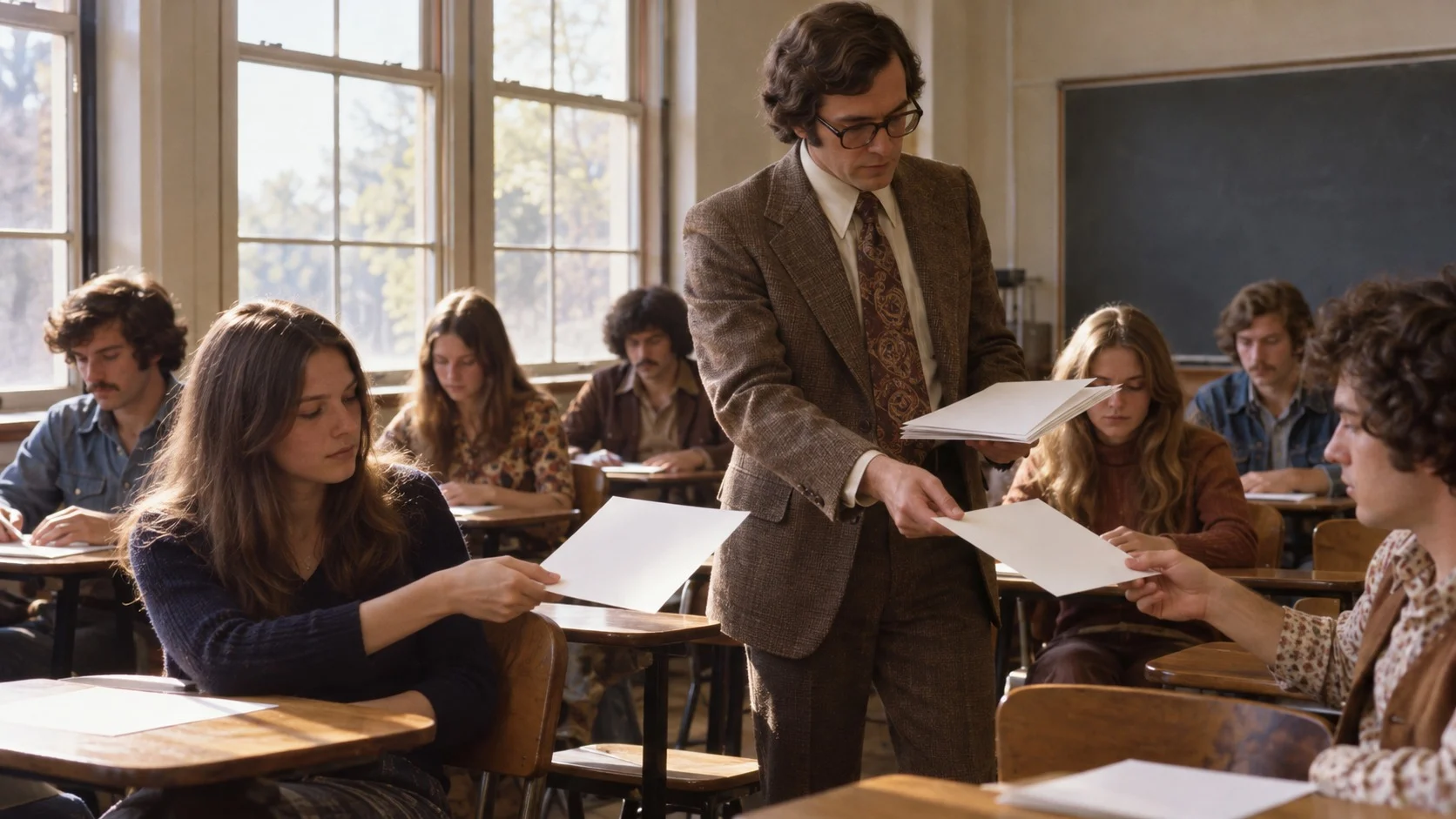
Hindsight bias became widely known through the research of American psychologist Baruch Fischhoff in the 1970s. Having heard that clinicians often say they “knew it all along” about a patient’s outcome, he decided to test this with an experiment.
Ahead of U.S. President Richard Nixon’s 1972 visits to China and the Soviet Union, Fischhoff and Ruth Beyth asked participants to write down in advance the probability of various outcomes. When the participants were called back after the visits and asked to recall the probabilities they had written, they remembered having given higher probabilities than they actually had to the events that did occur.
The title of this paper, published in 1975, was “I knew it would happen.” It was the first demonstration that the moment we learn an outcome, our memory quietly shifts toward that outcome.
In the same year, Fischhoff ran another experiment. He showed participants a short account of a historical event along with four possible endings, told them that one of them was the actual ending, and then asked them to rate the likelihood of each ending. Whichever ending they had been told, participants gave that very ending the highest likelihood, and believed they would have judged it that way even without knowing the ending.
Three Forms of Hindsight Bias

In a 2012 paper, psychologists Neal Roese and Kathleen Vohs explained this bias by dividing it into three levels.
(1) Memory distortion
As in “I said it would happen,” this is remembering a judgment you once made as closer to the outcome than it really was. It is the most basic level.
(2) The illusion of inevitability
As in “Given the situation, it was bound to happen,” this is regarding the outcome as something that could never have been avoided in the first place.
(3) The illusion of foreseeability
As in “I knew it from the start,” this is believing that you yourself could have seen it coming. At this level, confidence in your own judgment grows excessive.
This happens because once we know the outcome, only the information that explains it comes vividly to mind, while contradictory information fades. The brain rewrites the memory with new information and then believes it was the original memory.
A Bias That Shakes Hospitals, Courts and Investing

Hindsight bias causes particularly serious problems when we assess other people’s mistakes. To someone who knows the outcome, the judgment made at the time can easily look foolish.
- Medicine: An abnormality missed in an image reading is much easier to spot for experts who look at it later already knowing that something is wrong. As a result, in medical lawsuits, a doctor’s judgment at the time may be assessed more harshly than it deserves.
- Court: The worse the outcome, the more readily juries and judges tend to conclude that the accident could have been foreseen. The same action is more likely to be ruled negligent depending on its outcome.
- Investment: Investors who believe they predicted a past crash become overconfident that they can call the market going forward as well. Research has found that investors with a strong form of this bias underestimated risk and also earned poorer returns.
Above all, this bias blocks the path to learning from failure. If we think “it was going to happen anyway,” we lose any reason to look back at what we did not know and what we missed at the time.
How to Reduce Hindsight Bias

Research shows that this bias does not easily go away even when people know about it and try to avoid it. It cannot be eliminated completely, but a few habits can reduce it considerably.
- Consider the Opposite: Deliberately think about how you would have explained it if a different outcome had occurred. This is the method shown to be most effective in research.
- Decision Journal: When you make an important decision, write down in advance the information you had, what you expected, and why. Later, you can compare against the record instead of your memory.
- Blind Review: When reviewing an accident or failure, if possible, show only the materials available at the time to someone who does not know the outcome and ask for their judgment. This gives you an assessment that has not been pulled along by the outcome.
- Foresight Perspective: When assessing someone else’s judgment, set the outcome aside for a moment and reconsider it using only the information that person had at the time.
Hindsight bias is like grading an old exam paper while holding the answer key of the outcome. Once you know the answers, every question looks easy, but back then we did not know them.
When the words “I knew it” come to mind, just ask yourself once whether you really knew in advance; you will become a little more forgiving of others’ mistakes and learn more from your own. Remembering the uncertainty of the past as it really was is the first step toward better judgment.