Picture a trip to an overseas beach destination: you stay at a resort that costs hundreds of dollars a night, eat at the restaurants inside the resort, and ride the resort shuttle to and from the airport. You have spent a lot of money, and the country’s tourism revenue statistics record every bit of it. Yet the island’s fishermen and the owners of neighborhood eateries may have barely touched any of that money. The phenomenon in which tourist spending fails to stay in the local area and flows out instead is called “Tourism Leakage.”
Put simply, tourism leakage means “the share of what tourists spend at a destination that flows out of the local area through purchases of imported goods, profits of foreign companies, and wages and taxes that go elsewhere.” The term comes from economics, where income that slips out of the cycle of spending is called a leakage, and it is also known as the “Leakage Effect.”
In this piece, we will look in turn at how tourism revenue reaches the local economy, the channels through which money leaks out and how large the leakage actually is, and the ways to reduce it.
How Tourism Revenue Leaks Out, and How to Respond
From the Tourist’s Wallet to the Local Economy
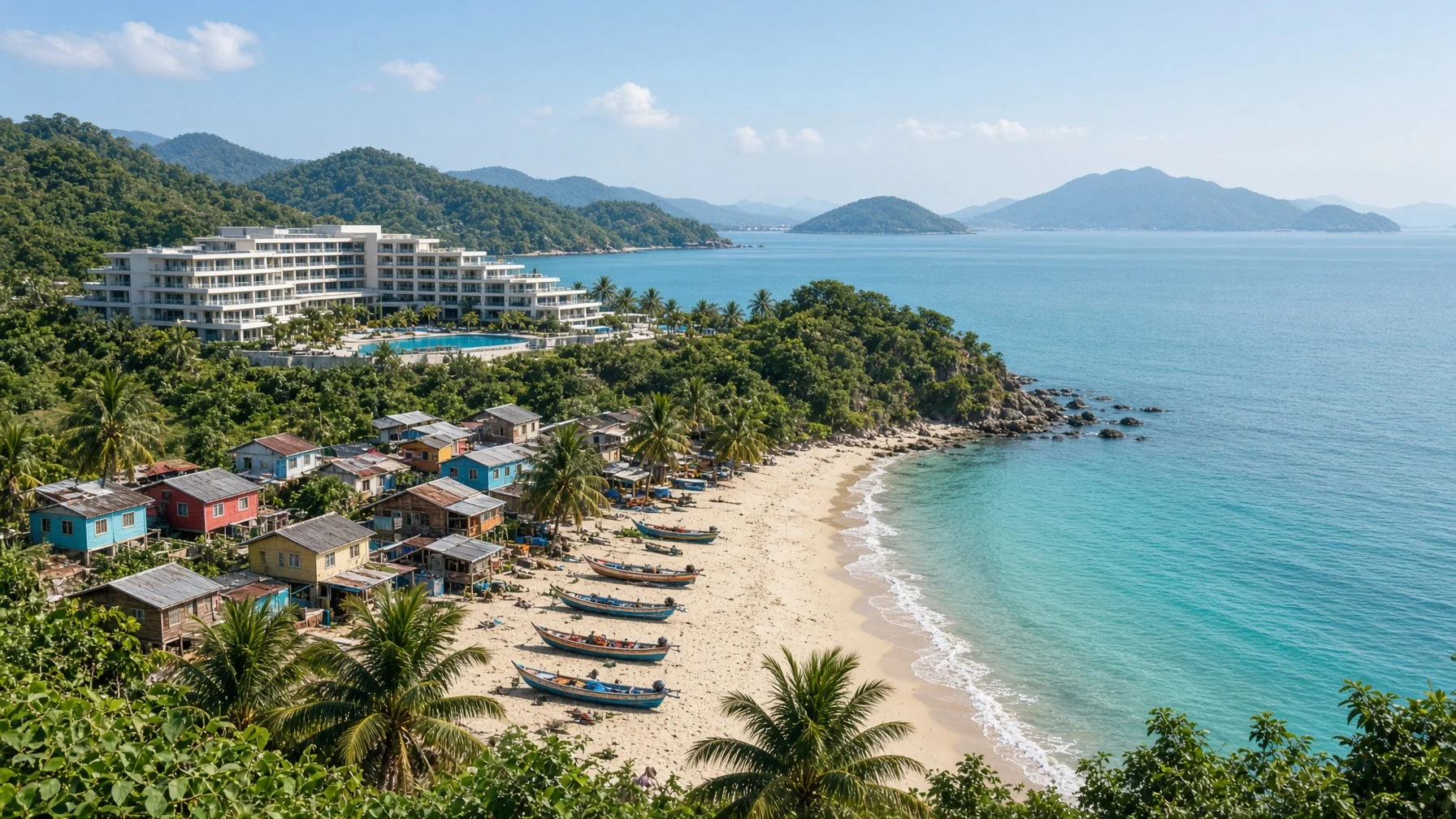
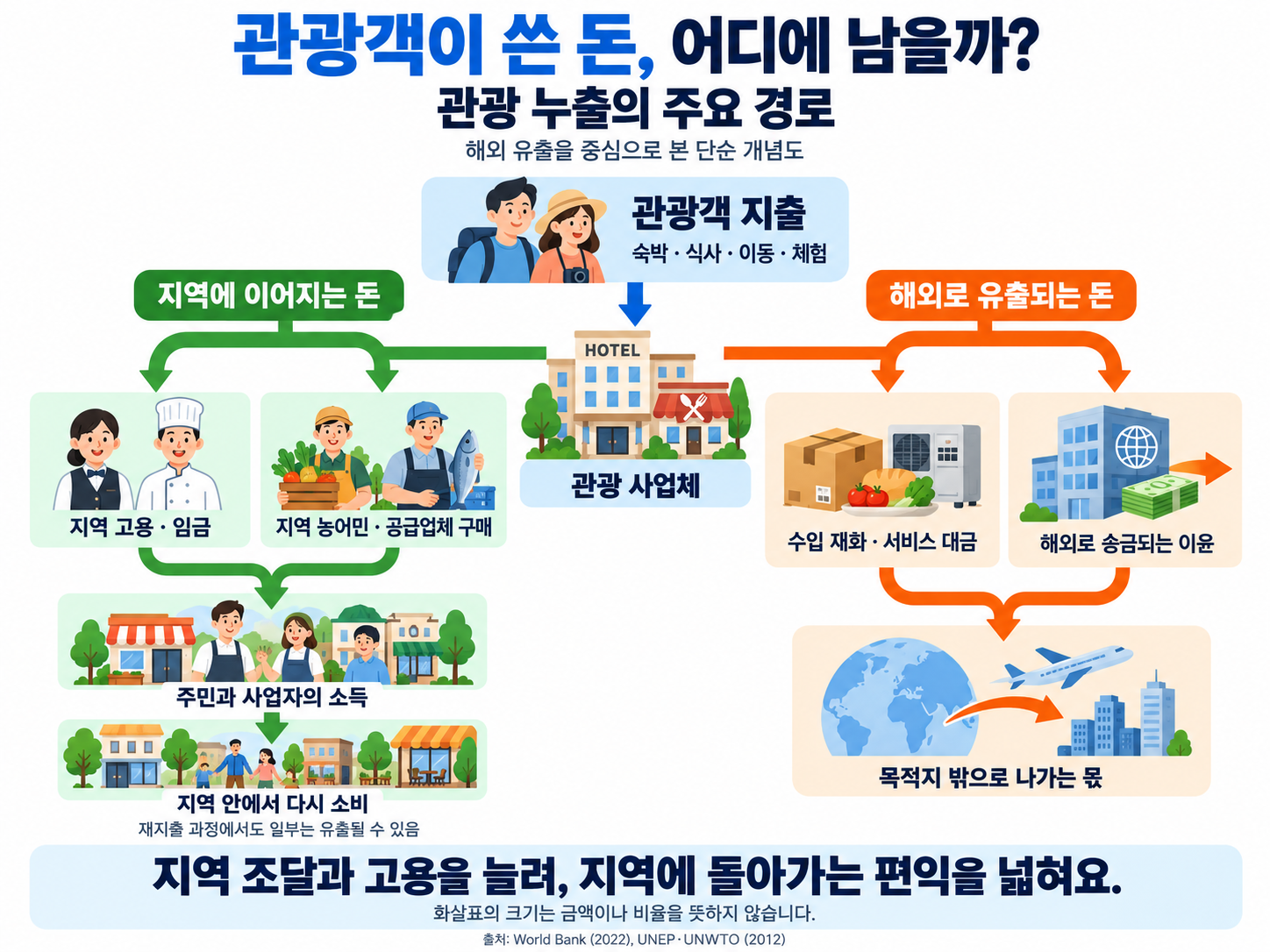
Everything tourists pay for lodging, food, and souvenirs is recorded as revenue at the destination. But the money that actually stays in the local economy is less than that. This is because what becomes the area’s direct income is what remains after subtracting the taxes and profits paid out of the area, the wages of staff from outside, and the cost of goods bought from elsewhere.
The sum of all the shares that flow out is tourism leakage. No matter how large tourism revenue looks on the surface, if leakage is high, only a small share turns into jobs and income for local residents. That is why tourism studies treat “how much stays in the area” as a more important question than the number of tourists or total revenue.
The money that remains circulates again within the area and generates new spending and employment, which is called the Tourism Multiplier Effect. Because part of it leaks out again with every round, the greater the leakage, the faster this effect weakens.
Two Paths Through Which Money Leaks Out
Tourism leakage is usually explained as two channels, depending on how the money flows out. On top of these come costs that are hard to see from the outside.
(1) Import leakage
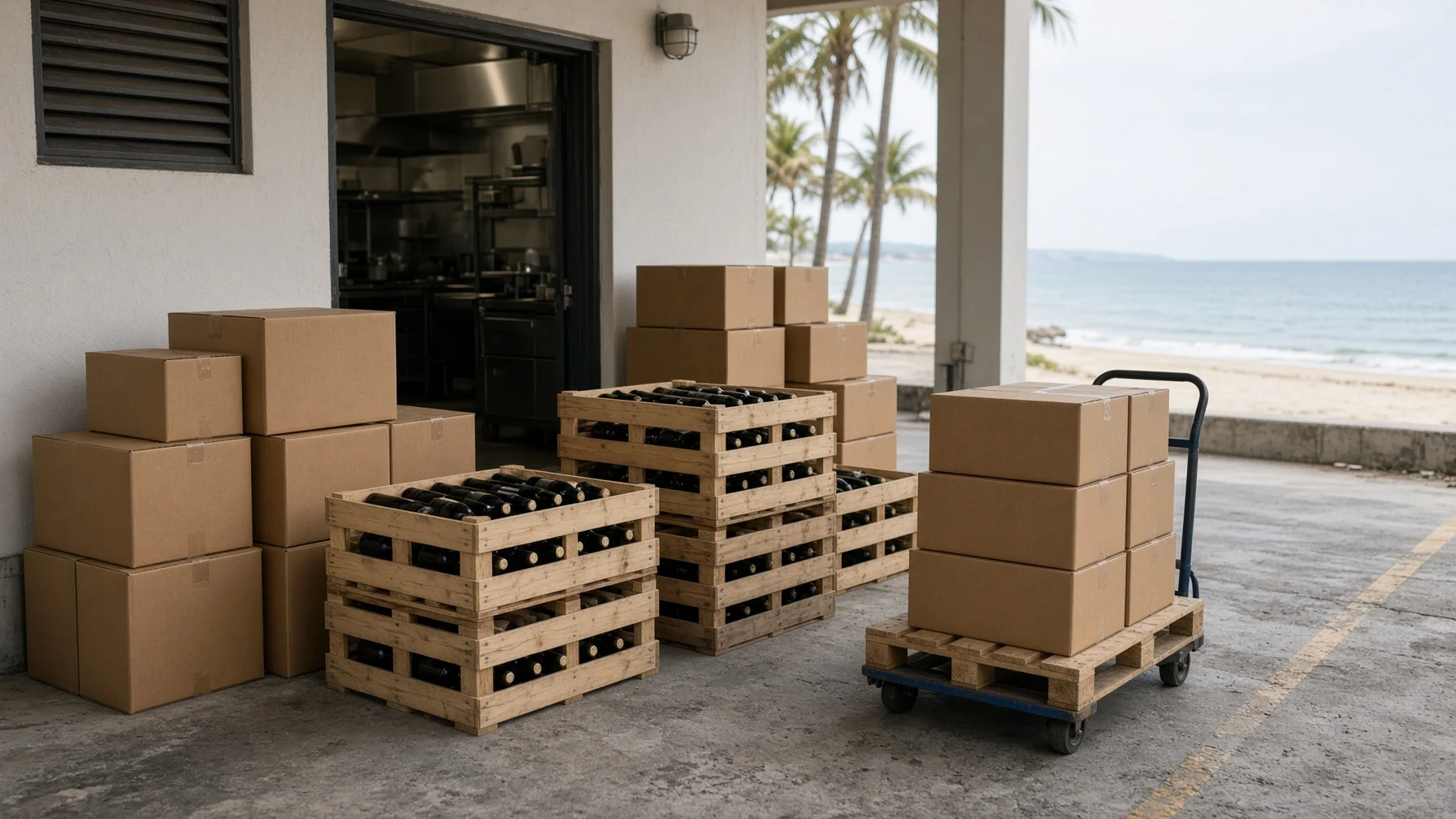
This occurs when the food, drinks, furniture, and equipment that tourists want cannot be found locally and have to be brought in from abroad. When an island resort serves imported wine and imported beef, a large part of what it pays goes back to the producing countries.
(2) Export leakage
This occurs when hotels, airlines, and travel agencies are owned by foreign capital. The profits they earn are sent back to the countries where their headquarters are located and are not reinvested in the area.
(3) Invisible leakage
There is also money that tourists never see but that steadily flows out, such as imported materials and equipment used to build resorts, overseas promotion costs, and repayments of principal and interest on foreign loans taken out for development.
- Import Leakage: the cost of goods and services bought from outside to meet tourism demand.
- Export Leakage: the outflow that arises when foreign companies and investors take their profits back to their home countries.
- Direct Income: the income that first stays in the area after leakage is subtracted from tourist spending.
Leakage in Numbers, and All-Inclusive Travel
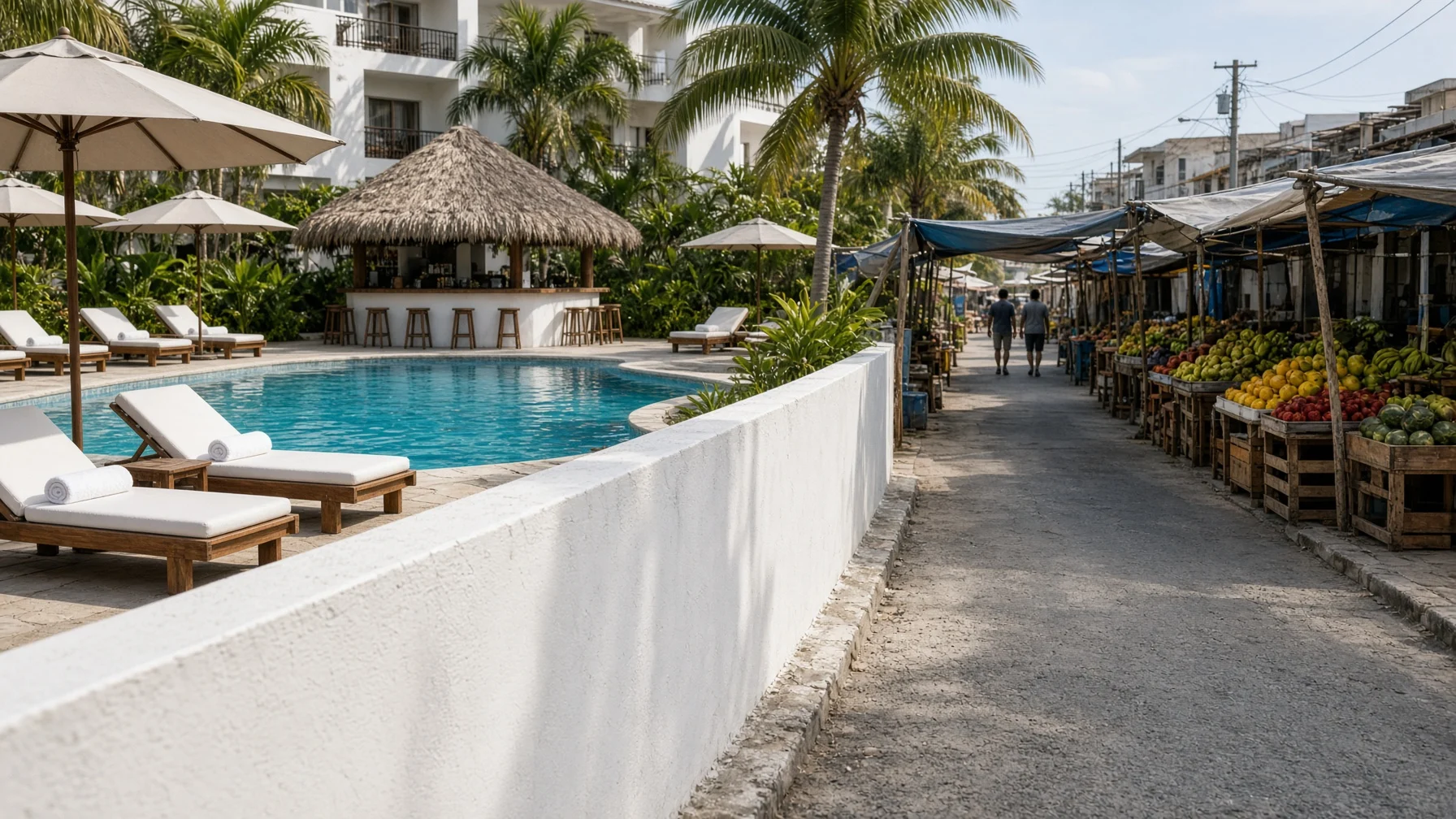
Tourism leakage is especially large in developing countries and island nations with a small industrial base. According to research estimates cited by the United Nations Environment Programme (UNEP), about 70% of the money tourists spent in Thailand left the country, while the figure was estimated at about 80% for Caribbean countries and about 40% for India. In the Caribbean, that means only about 20 dollars of every 100 dollars spent stays in the area.
The Trap of All-Inclusive Packages
All-inclusive packages, which bundle flights, lodging, meals, and activities into a single purchase, are often named as a format that tends to increase leakage. According to the same source, in such package tours about 80% of travelers’ spending goes to airlines, hotels, and international travel companies, which are often headquartered in the travelers’ home countries. Since guests do not leave the resort, neighborhood restaurants, markets, and taxis rarely get the chance to meet them.
Why Island Nations Are Especially Vulnerable
Islands have little land and small populations, so they must import most of their food, fuel, and building materials. As the number of tourists grows, imports grow along with it, and a structure in which much of the foreign currency earned flows right back out can easily become entrenched.
Ways to Reduce Leakage, and the Challenges That Remain
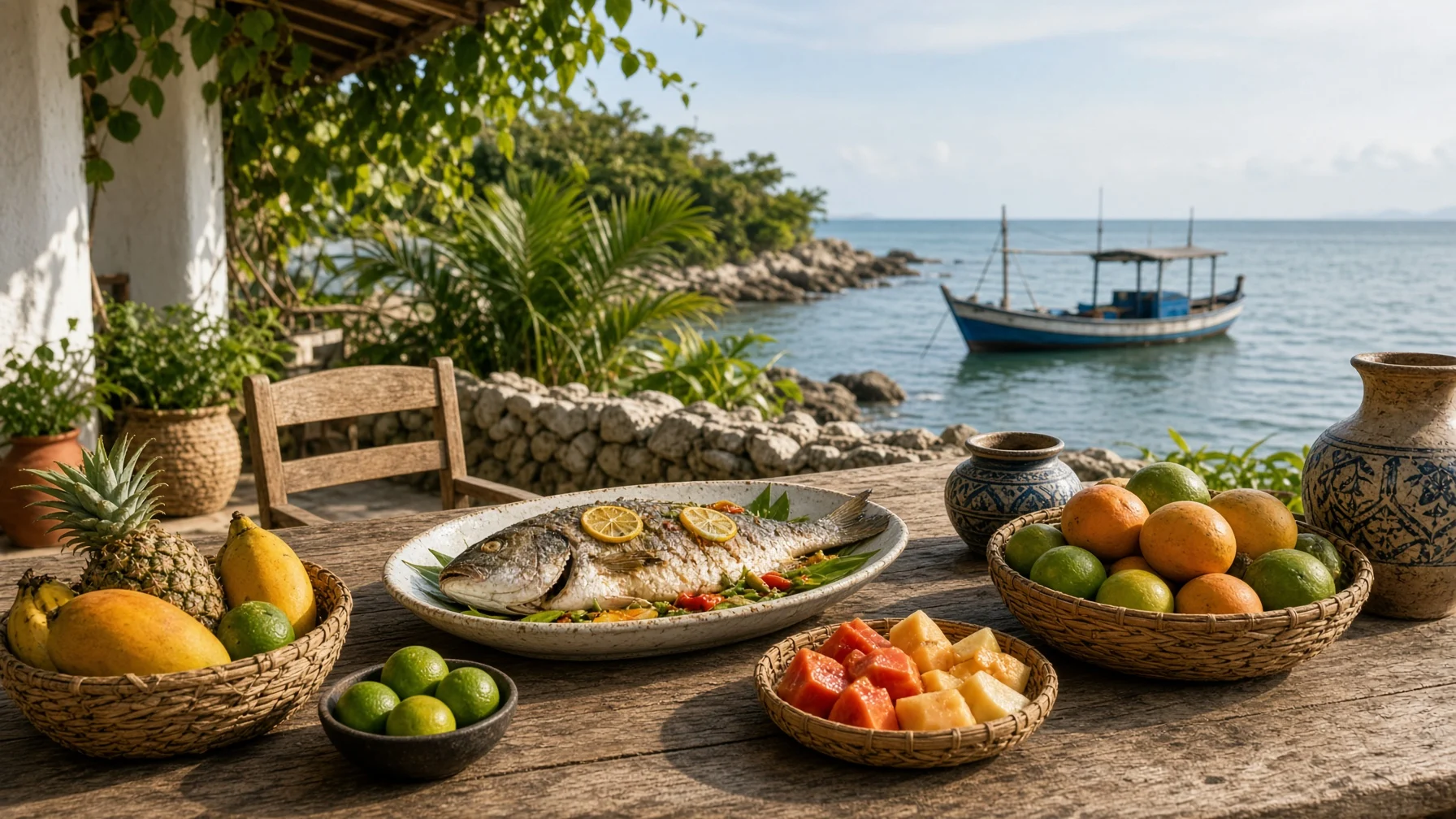
The key to reducing tourism leakage is to make tourists’ money circulate within the area for longer and more times. To that end, many countries and regions use methods such as the following.
(1) Increasing local sourcing
Connecting hotels and restaurants with local farmers and fishers for ingredients, and with local artisans for crafts, reduces import leakage.
(2) Expanding local employment and ownership
Training residents all the way up to management positions, and growing guesthouses and travel agencies run by residents, keeps wages and profits in the area.
(3) Travel that is shared with the community
Community-based tourism, planned and run by residents themselves, is designed so that its earnings return to the village.
That said, eliminating leakage entirely is not realistic. Some things, like aircraft and medical equipment, have no choice but to be imported, and in some areas facilities only get built when foreign capital comes in. So the goal is not to eliminate leakage, but to reduce it to a level the area can manage and to increase the share that stays. Travelers, too, can add strength to this flow simply by using local guesthouses, restaurants, and markets one more time.
Tourism leakage is the share of tourist spending that flows out of the area through imports, profits of foreign companies, and outside costs. Whether tourism revives an area depends less on the size of tourism revenue than on how much of that money stays and circulates locally.
Asking, behind the dazzling tourism revenue figures, whose hands that money ends up in: that is the first step toward sustainable tourism that truly revives a place.