
The benchmark interest rate plays a very important role in the South Korean economy. It is the interest rate set by the Bank of Korea and applied when commercial banks borrow funds from the Bank of Korea.
Changes in this benchmark interest rate significantly affect the economic growth rate, the consumer price index, and the financial activities of consumers and businesses. This article will analyze the effects of changes in the benchmark interest rate on the South Korean economy and the outlook for those changes.
Effects of Changes in the Benchmark Interest Rate on the South Korean Economy
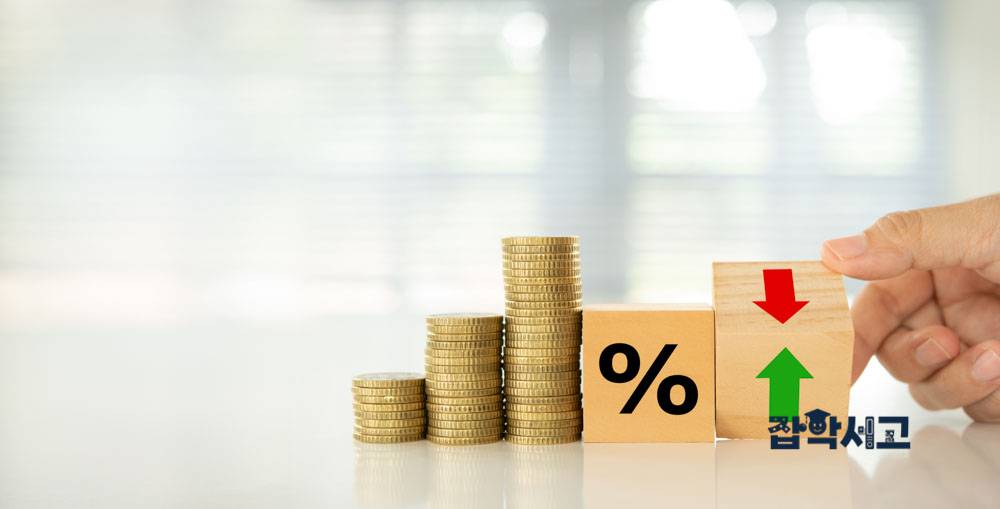 How do fluctuations in the benchmark interest rate affect the economy?
Changes in the Benchmark Interest Rate and Business Investment Activities
When the benchmark interest rate is lowered, businesses can raise funds at lower interest rates, encouraging investment. This leads to higher productivity and increased employment, promoting growth throughout the economy. Conversely, when the benchmark interest rate is raised, businesses face higher interest costs, which may slow investment.
Effects on Consumers' Financial Activities
Changes in the benchmark interest rate also significantly affect consumers' financial activities. When interest rates fall, interest on loans decreases, leading to an increase in home purchases or consumer credit. This stimulates consumption and helps invigorate the economy. Conversely, when interest rates rise, interest on consumer loans increases, which may dampen consumption.
Changes in Financial Market Stability
The stability of financial markets also changes with the benchmark interest rate. When interest rates are raised, the profitability of financial institutions improves, stabilizing financial markets. However, if interest rates become too high, the risk of default may increase. Conversely, when interest rates fall, the profitability of financial institutions declines, but the risk of default decreases.
Exchange Rate Fluctuations and Effects on Export Businesses
Changes in the benchmark interest rate also affect exchange rates. When interest rates are raised, foreign capital flows in, and the exchange rate tends to fall as the won strengthens. This may disadvantage export businesses. Conversely, when interest rates are lowered, capital outflows cause the exchange rate to rise as the won weakens, potentially improving the competitiveness of export businesses.
Asset Prices and Investor Behavior
Changes in the benchmark interest rate also affect asset prices. When interest rates fall, the prices of assets such as stocks and real estate tend to rise. This benefits investors but also carries the risk of creating asset bubbles. Conversely, when interest rates rise, asset prices may fall.
Effects on Government Fiscal Policy
Changes in the benchmark interest rate also have important effects on government fiscal policy. When interest rates fall, the government's borrowing costs decrease, helping reduce the fiscal deficit. However, when interest rates rise, the government's interest costs increase, which may place a burden on fiscal management.
The Various Effects of Changes in the Benchmark Interest Rate
Changes in the benchmark interest rate significantly affect various economic factors, including business investment, consumers' financial activities, financial market stability, exchange rates, asset prices, and government fiscal policy. These complex effects are directly linked to the overall health of the South Korean economy, making careful management of interest rate policy essential.
The Role of the Benchmark Interest Rate in South Korea's Economic Growth Rate
 What role does the benchmark interest rate play in the rate of economic growth?
The Benchmark Interest Rate and Encouraging Business Investment
The benchmark interest rate directly affects South Korea's economic growth rate. A low benchmark interest rate enables businesses to raise funds at low cost, encouraging investment. When business investment increases, productivity improves and jobs are created, positively affecting economic growth.
The Relationship Between Consumer Spending and Economic Growth
The economic growth rate is also affected by consumer spending. When the benchmark interest rate falls, interest on loans decreases, allowing consumers to spend more money. This invigorates the domestic market and contributes to economic growth. Conversely, when the benchmark interest rate rises, consumer spending decreases, which may slow the rate of economic growth.
The Correlation Between Government Policy and the Benchmark Interest Rate
Government policy may also change depending on the benchmark interest rate. A low benchmark interest rate provides a favorable environment for the government to implement economic stimulus measures. The government can use low interest rates to expand investment in infrastructure and other areas, promoting economic growth. Conversely, when interest rates rise, the government's fiscal burden increases, making it more difficult to pursue expansionary fiscal policy.
The Benchmark Interest Rate and Its Effects on Exports and Imports
Changes in the benchmark interest rate also affect exports and imports. When interest rates fall, the exchange rate rises as the won weakens, strengthening export competitiveness. This leads to increased exports and positively affects economic growth. Conversely, when interest rates rise, the exchange rate falls as the won strengthens, which may negatively affect exports.
Effects on Financial Markets and Asset Prices
The benchmark interest rate also affects financial markets and asset prices. When interest rates fall, the prices of assets such as stocks and real estate rise, increasing the wealth effect for consumers and businesses. This encourages consumption and investment, contributing to economic growth. However, when interest rates rise, asset prices fall, which may dampen consumption and investment.
Long-Term Economic Growth and the Role of the Benchmark Interest Rate
Changes in the benchmark interest rate also affect long-term economic growth. Persistently low interest rates can lead to excessive debt growth and asset bubbles, potentially undermining long-term economic stability. Conversely, interest rate increases of an appropriate magnitude can promote balanced economic growth.
The Multifaceted Role of the Benchmark Interest Rate
The benchmark interest rate plays a multifaceted role in South Korea's economic growth rate. From business investment, consumer spending, government policy, exports and imports, financial markets, and asset prices to long-term economic growth, changes in the benchmark interest rate have significant effects across a range of economic activities. Appropriate interest rate policy is needed, taking these complex factors into account.
The Correlation Between Benchmark Interest Rate Increases and the Consumer Price Index
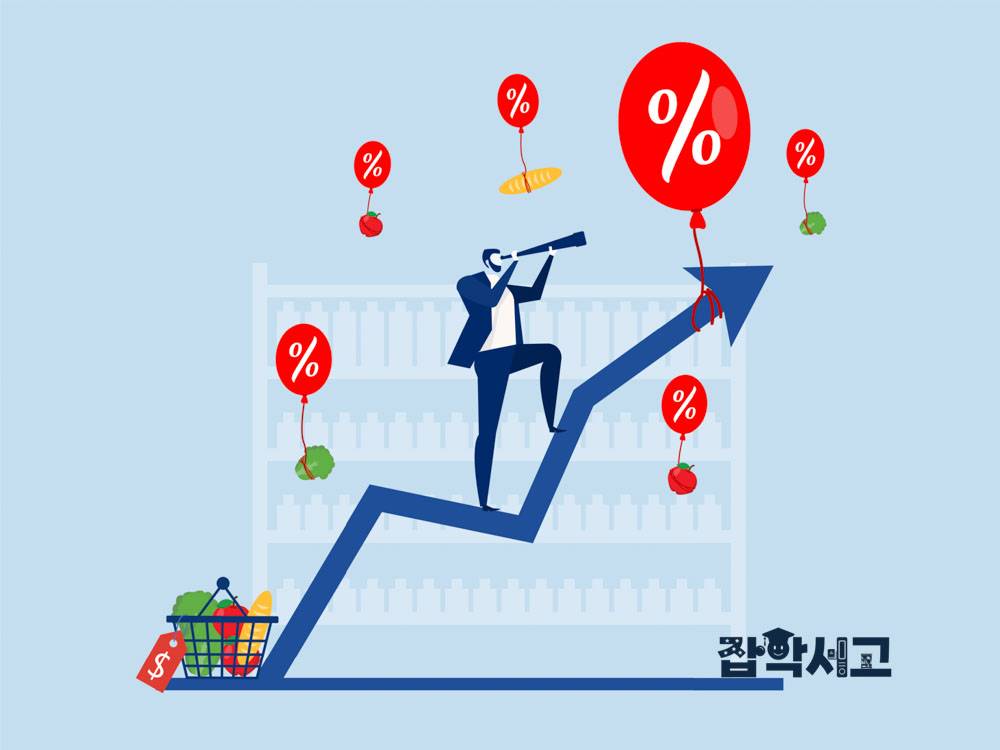 How do increases in the benchmark interest rate affect consumer prices?
Benchmark Interest Rate Increases and Slower Consumption and Investment
An increase in the benchmark interest rate directly affects the consumer price index (CPI). When interest rates are raised, consumption and investment decrease, and the rate of price increases tends to slow. This is one of the main reasons the central bank raises interest rates to curb inflation.
Effects on Raw Materials and Production Costs
Interest rate increases also affect raw materials and production costs. When interest rates rise, businesses face higher financing costs, which may raise production costs. This can be reflected in final consumer prices, increasing upward pressure on prices.
Low Interest Rates and Consumer Price Stability
Conversely, when interest rates fall, production costs decrease, and consumer prices tend to stabilize. Low interest rates can help stabilize prices in the short term. In the long term, however, excessive growth in demand resulting from low interest rates can cause prices to rise.
Changes in Consumer Credit and Loans
Interest rate increases significantly affect consumer credit and loans. When interest rates are raised, interest on consumer loans increases, reducing demand for loans. This reduces consumer spending and helps curb the rate of price increases. Conversely, when interest rates fall, interest on loans decreases, which may stimulate consumption.
Effects on the Housing Market
Interest rate increases also affect the housing market. When interest rates rise, mortgage rates increase, reducing demand for home purchases. This may help stabilize housing prices and curb price increases. Conversely, when interest rates fall, demand for home purchases increases, which may cause housing prices to rise.
Import Prices and Price Stability
Finally, interest rate increases also affect import prices. When interest rates rise, the value of the won increases, which may lower import prices. This may contribute to consumer price stability. However, if interest rates become excessively high, economic activity may contract, potentially having adverse effects on prices.
Increases in the benchmark interest rate affect the consumer price index through various economic factors, including consumption, investment, production costs, loans, the housing market, and import prices. Careful management of interest rate policy is needed, taking all these factors into account.
Experts' Predictions for Future Benchmark Interest Rate Trends
 How will the benchmark interest rate change in the future?
Predictions of Gradual Interest Rate Increases
Experts predict that South Korea's benchmark interest rate will gradually rise in the future. This is because upward pressure on prices is increasing alongside the global economic recovery. In particular, concerns about inflation are growing as the economic recovery continues following the COVID-19 pandemic.
The Outlook for the Bank of Korea's Interest Rate Policy
The Bank of Korea is likely to gradually raise the benchmark interest rate in response to these economic conditions. Experts believe that the Bank of Korea will raise the benchmark interest rate to curb inflation and prevent the economy from overheating. This outlook is also consistent with the stance of raising interest rates taken by major central banks around the world.
Financial Market Stabilization and Benchmark Interest Rate Increases
Experts believe that increases in the benchmark interest rate will help stabilize financial markets. They argue that interest rate increases of an appropriate magnitude are needed to address the excessive buildup of debt caused by low interest rates and to maintain the soundness of financial markets. This is expected to play an important role in promoting long-term economic stability.
Concerns About Sharp Interest Rate Increases
However, some experts are concerned about an economic slowdown resulting from sharp interest rate increases. If interest rates are raised too quickly, businesses and consumers may feel a substantial burden from interest costs, which may dampen consumption and investment. There are therefore also calls for a cautious approach to the pace and magnitude of interest rate increases.
Key Variables That Will Affect Future Interest Rate Trends
The global economic situation, the domestic economic growth rate, and inflationary pressures are identified as key variables that will affect future benchmark interest rate trends. In particular, because the U.S. Federal Reserve's interest rate policy significantly affects global financial markets, the Bank of Korea is also expected to take it into account when pursuing its interest rate policy.
Maintaining a Balance Between Economic Stability and Growth
Finally, experts predict that future benchmark interest rate policy will focus on maintaining a balance between economic stability and growth. This is important for minimizing short-term economic shocks while strengthening the foundations for long-term economic growth. The Bank of Korea's interest rate policy will therefore require a cautious approach that takes this balance into account.
The benchmark interest rate is a very important economic indicator in South Korea, and its fluctuations significantly affect various economic participants and sectors. Changes in the benchmark interest rate have important implications in several areas, including the economic growth rate, the consumer price index, and financial market stability.
Experts expect the benchmark interest rate to gradually rise in the future, with the aim of promoting both economic stability and growth.
The Bank of Korea's interest rate policy therefore needs to proceed with careful consideration of these complex economic variables. We hope the content covered in this article helps deepen understanding of the importance of the benchmark interest rate and its effects.