South Korea's real estate market takes shape through the interaction of various factors in a complex, constantly changing environment. These changes result from a combination of factors, including domestic and international economic conditions, changes in population structure, and policy considerations.
This article will closely analyze the distinctive characteristics of South Korea's real estate market, compare the differences between the markets in Seoul and other regions, and examine in depth the impact of government regulatory policies on the real estate market.
Distinctive Characteristics of South Korea's Real Estate Market
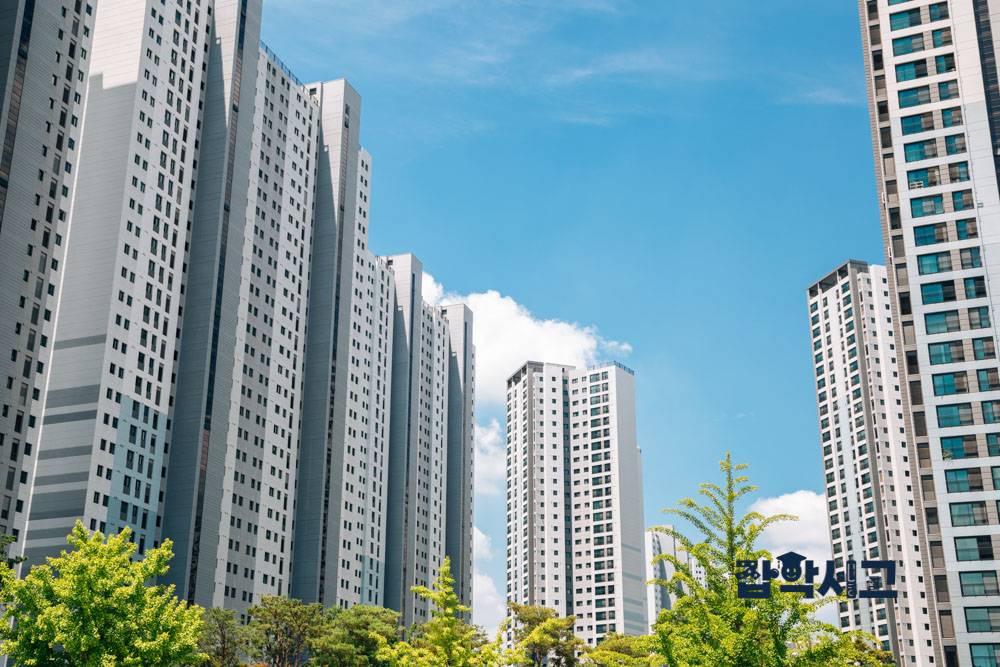 What are the characteristics of South Korea's real estate market?
The Coexistence of Property Sales, Jeonse, and Monthly Rentals
A major characteristic of South Korea's real estate market is the coexistence of property sales and the distinctive rental arrangements known as jeonse and monthly rentals. Jeonse is an arrangement in which tenants place a large deposit with the landlord and live in the property without paying monthly rent. Monthly rentals, by contrast, involve paying a fixed amount of rent each month in addition to providing a deposit. The jeonse system plays a particularly important role in South Korea, and changes in jeonse prices often affect sale prices as well.
Imbalances Between Housing Demand and Supply
Rises and falls in property prices are primarily determined by imbalances between housing demand and supply. In major cities such as Seoul, housing supply is limited and people continue to move in, so housing demand exceeds supply, creating strong upward pressure on prices. In other regions, by contrast, population decline and falling housing demand can lead to price declines.
The Impact of Government Real Estate Policies
Government real estate policies play a very important role in price fluctuations. Easing real estate regulations or changing lending policies can increase buyers' purchasing power and drive prices upward. Conversely, tax increases or tighter lending regulations can curb an overheated market and lead to price declines. These policies affect both short-term market trends and long-term price stability.
Real Estate's Role as an Investment Vehicle
In South Korea, real estate tends to serve as an important means of building wealth, extending beyond its basic function as a place to live. As a result, property prices often continue to rise, and these increases can cause adverse effects such as growing household debt. Caution is needed because this could negatively affect economic stability over the long term.
The Complex Structure of the Real Estate Market and the Difficulty of Forecasting It
Ultimately, South Korea's real estate market has a complex structure in which various transaction arrangements, including sales, jeonse, and monthly rentals, interact with multiple factors that influence price fluctuations. These characteristics make real estate market trends difficult to predict and require a cautious approach from both investors and buyers purchasing property for their own use. Amid market uncertainty and a changing policy environment, each participant must approach the market through strategic decision-making.
Differences Between the Real Estate Markets of Seoul and Other Regions and Their Impact
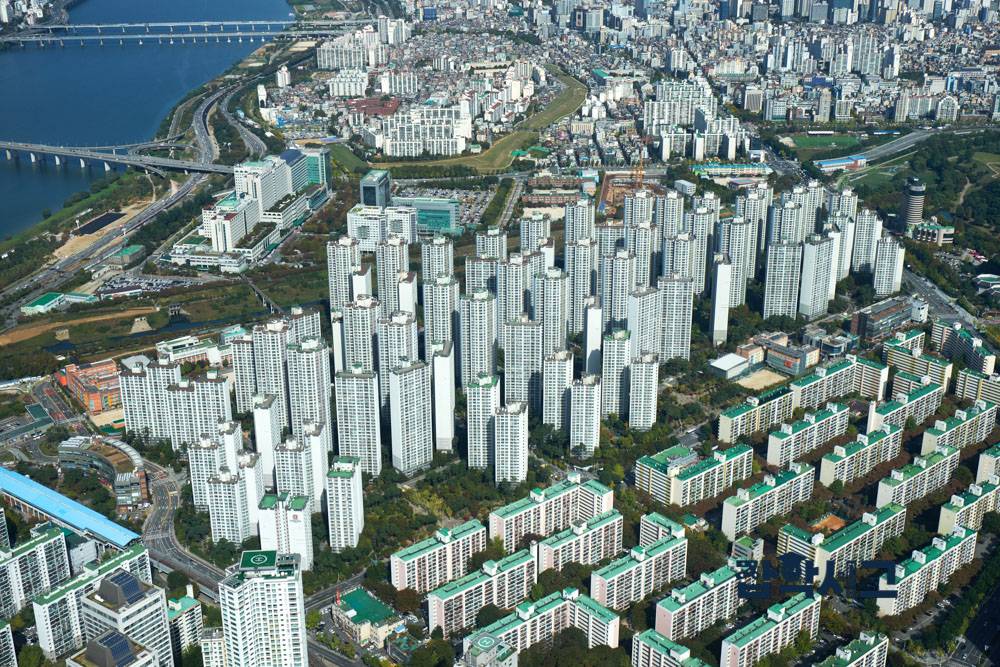 How does real estate in Seoul differ from that in other regions?
The real estate markets in Seoul and other regions differ significantly in their characteristics and trends. Seoul is a densely populated center of vibrant economic activity, with relatively high property prices, and is regarded as an investment destination where stable returns can be expected. Other regions, by contrast, have relatively low price levels because of population outflows and slowing economic growth.
Characteristics of Seoul's Real Estate Market
Seoul's real estate market faces strong upward pressure on prices because housing demand continues to increase while supply remains limited. In particular, popular areas such as Gangnam, Seocho, and Songpa tend to experience sharp price increases as shortages of properties for sale intensify. These areas attract many buyers because of their excellent school districts, transportation, and everyday convenience.
The State of Real Estate Markets in Other Regions
By contrast, real estate markets in other regions are experiencing insufficient demand because of population decline and economic stagnation. In smaller regional cities and rural areas, population outflows are increasing the number of vacant homes, and housing prices are trending downward. This can create a vicious cycle in regional economies.
The Impact of Government Policies
Real estate markets in other regions are affected by the government's policies for balanced regional development. The government is implementing various support policies to revitalize these regions, but their effects differ greatly from one region to another. In some regions, the development of industrial complexes or the expansion of transportation infrastructure is revitalizing the real estate market, while regions without such developments remain stagnant.
Investors' Choices and Strategies
Differences between the real estate markets in Seoul and other regions also have a significant impact on investors' choices. Investors seeking stable returns prefer Seoul, while those expecting high rates of return may take an interest in undervalued properties in other regions. These investment strategies can change with market trends.
Because the real estate markets in Seoul and other regions differ in their characteristics and the factors that influence them, investors should closely analyze market conditions in each region and carefully observe changes in government policy and the economic environment. The differences between these two markets are likely to persist, and strategic approaches suited to each region will be necessary.
The Impact of Government Regulatory Policies on the Real Estate Market
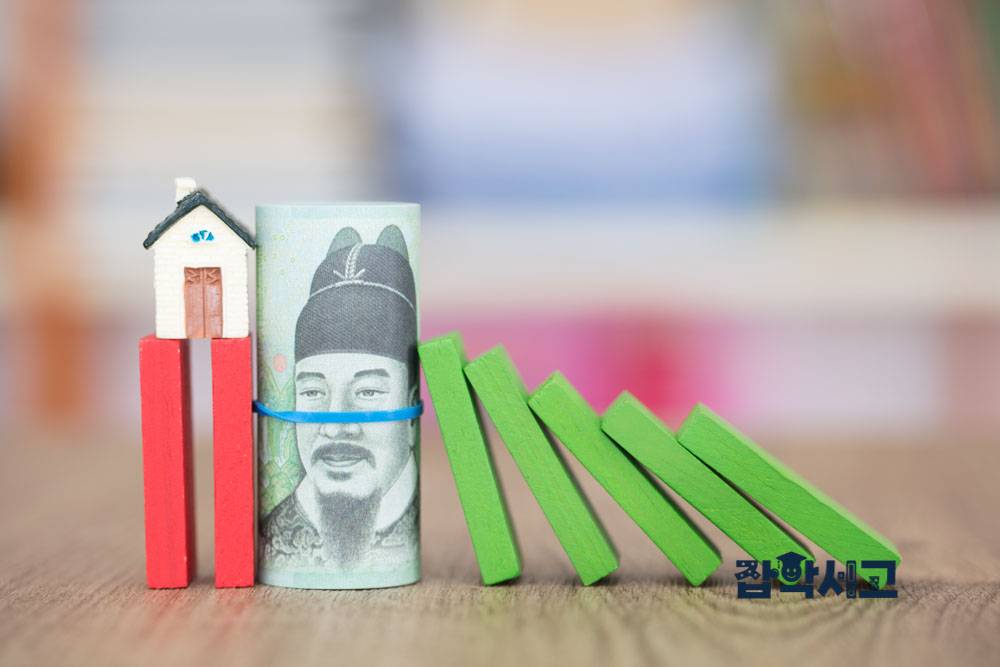 How does government regulation affect the real estate market?
Government Regulatory Policies to Stabilize the Real Estate Market
The South Korean government is implementing various regulatory policies to stabilize the real estate market. These regulations aim to prevent the housing market from overheating and ensure housing stability. Representative policies include lending regulations, tax policies, and policies to expand supply.
The Impact of Lending Regulations
Lending regulations are implemented by tightening standards such as the loan-to-value (LTV) and debt-to-income (DTI) ratios. These regulations curb real estate investment financed through excessive debt and encourage home purchases by buyers purchasing homes for their own use. However, these regulations can dampen investor sentiment and ultimately lead to a decline in transaction volume.
The Impact of Tax Policies
Tax policies primarily involve raising rates for taxes such as the comprehensive real estate holding tax and capital gains tax for owners of multiple homes. These measures aim to curb speculative demand among owners of multiple homes and encourage home purchases by buyers purchasing homes for their own use. However, the increased tax burden can cause a “listing lock-in” phenomenon in which properties are not put on the market, potentially reducing market liquidity.
The Effects of Policies to Expand Housing Supply
The government is seeking to ensure market stability by increasing housing supply through new town development, the promotion of reconstruction and redevelopment, and other measures. These policies to expand supply can help resolve housing shortages and stabilize prices over the long term. In the short term, however, they may have limitations in addressing supply shortages.
The Impact on Market Expectations
Government regulatory policies have a significant impact on market expectations. As expectations of tighter regulation grow, investors may postpone investment decisions or put properties up for sale, potentially increasing market volatility. Conversely, expectations of regulatory easing can revive investor sentiment and stimulate transactions.
The Need for Continuous Monitoring and Flexible Policy Responses
As described above, government regulatory policies can affect the real estate market in various ways. Continuous monitoring and flexible policy responses are necessary to ensure market stability. Real estate market trends may continue to vary significantly depending on the direction of government policy.
Outlook for the Future Real Estate Market
 What scenarios are expected for the future real estate market?
The Possibility of a Market Adjustment Following Interest Rate Increases
The first scenario is one in which the trend toward interest rate increases continues. When interest rates rise, the interest burden on loans grows, making demand for home purchases likely to decline. This could lead to adjustments in housing prices, with a particularly large impact expected in the high-priced housing market. However, price declines may be limited in areas with high demand from buyers purchasing homes for their own use.
A Recovery in the Economic Growth Rate and Revitalization of the Housing Market
The second scenario is one in which the economic growth rate recovers. As the economy grows, household income increases, which can improve home purchasing power. In particular, increased activity in new town development, reconstruction, and redevelopment can expand housing supply and ensure market stability. However, the pace and scale of the recovery in the economic growth rate remain uncertain variables.
Changes in Population Structure and the Reshaping of Housing Demand
The third scenario involves changes in population structure. South Korea's population structure is changing as the country enters a society characterized by low birth rates and population aging. This can affect housing demand over the long term. In particular, the increase in 1-person households and changes in the housing needs of the elderly population may require new types of housing and supply strategies. As a result, demand for smaller homes and residential facilities for older people is likely to increase.
The Impact of Changes in Government Policy
The fourth scenario involves changes in government policy. The direction of the market can change significantly depending on which policies the government implements to stabilize the real estate market. If policies that tighten regulation continue, market stability may improve, but transactions could contract and prices could undergo adjustments. Conversely, policies that ease regulation can revive investor sentiment and stimulate transactions.
Global Economic Conditions and the Real Estate Market
Finally, global economic conditions can also have a significant impact on South Korea's real estate market. Uncertainty in the global economy and volatility in financial markets can directly affect investor sentiment, increasing volatility in the real estate market. In particular, inflows and outflows of funds from foreign investors can have substantial ripple effects on the market. Caution is needed because the direction of South Korea's real estate market can change with global economic trends.
Overall Outlook and Response Strategies
Overall, the future of South Korea's real estate market will be shaped by complex scenarios that take a range of variables into account. Several interconnected factors, including interest rates, economic growth, changes in population structure, government policy, and global economic conditions, are expected to determine the market's course. Market participants therefore need to approach the market cautiously and respond strategically in preparation for these various scenarios.
South Korea's real estate market is changing through the combined effects of various factors. This article has analyzed the characteristics of South Korea's real estate market and examined the differences between Seoul and other regions and the impact of government regulatory policies.
Although uncertain factors will continue to exist, forecasts can be made to some extent through expert opinions and various scenarios. Continuous monitoring and flexible policy responses are important for maintaining a stable real estate market.