In modern society, mental health welfare has become an essential support system. As stress and anxiety increase alongside a rapidly changing social environment, mental health issues are becoming more prominent. In response, various services and approaches are being proposed, and government policies and institutional frameworks also have a significant influence.
This material will examine in depth the importance of mental health welfare, the main causes, support systems, examples of mental health welfare in South Korea, and policies and institutional frameworks.
The Importance of Mental Health Welfare: An Essential Element of Modern Society
 Why is mental health welfare important?
In modern society, mental health welfare plays a more important role than ever. Alongside a rapidly changing social environment, people are exposed to various sources of stress. This stress has a significant impact on mental health and can lead to serious problems without appropriate management and support. Mental health welfare has become an essential element in preventing and alleviating these problems.
The Social Impact of Mental Health Issues
Mental health issues have a significant impact not only on individuals but also on society as a whole. They reduce individual productivity and quality of life, which in turn leads to economic losses and social costs. Mental health welfare is therefore recognized as an issue affecting society as a whole, beyond individual concerns, and various efforts are being made to address it.
Its Role as a Support System for Socially Disadvantaged People
Mental health welfare also serves as an important support system for socially disadvantaged people. Many people experience mental health problems because of financial difficulties, social isolation, and other circumstances. By providing appropriate support and welfare services to these people, it helps socially disadvantaged people lead more stable lives.
The Importance of Prevention
Mental health welfare also plays an important role in prevention. Early detection and prevention are very important in addressing mental health issues. Various educational programs and preventive activities are needed for this purpose, and mental health welfare helps prevent problems before they arise and enables early responses through these activities.
Promoting Community Health
Mental health welfare also plays a role in promoting community health. When mental health issues remain unresolved, they affect families, neighbors, and, more broadly, entire communities. Mental health welfare is therefore recognized as an essential element for community health and well-being, beyond individual concerns.
In conclusion, mental health welfare has become an essential support system in modern society. It plays a very important role in supporting individuals' mental stability and the health of society as a whole, helping build a healthier and happier society.
Stress and Anxiety: Major Causes of Mental Health Issues
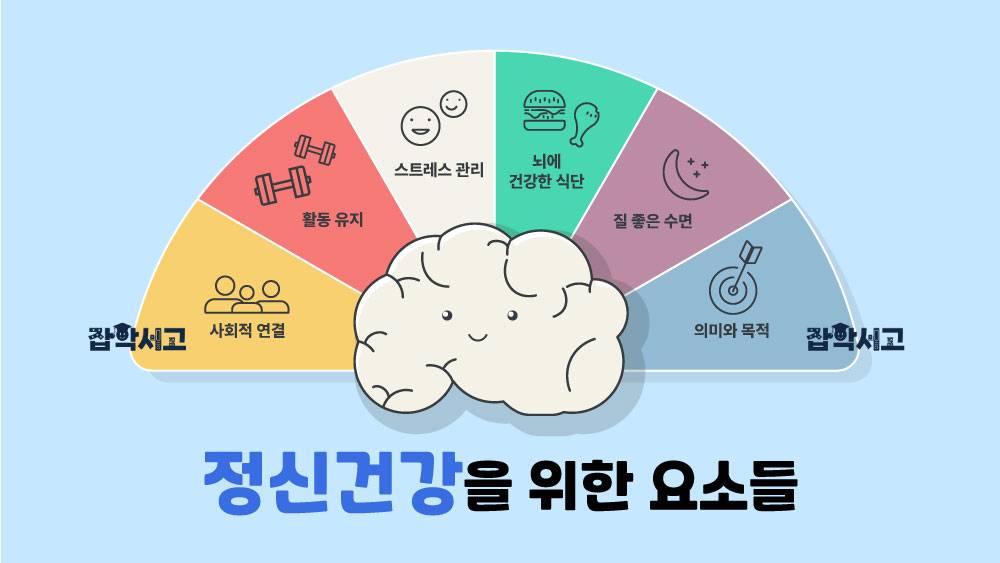 What factors are needed for mental health?
In modern society, stress and anxiety are considered major causes of mental health issues. Many people experience stress and anxiety amid a rapidly changing social environment and intense competition. When this stress and anxiety persist, they can lead to mental health issues.
Various Causes of Stress
Stress can arise from various causes. Workplace pressure, financial difficulties, interpersonal conflicts, and other factors can cause stress. When this stress persists, it can manifest as mental health issues such as anxiety and depression.
Increasing Anxiety and Its Consequences
Anxiety is closely related to stress. When stress persists, anxiety increases, and this can eventually lead to serious mental health issues such as anxiety disorders. Anxiety has a significant impact on an individual's daily life and, in severe cases, can make everyday life difficult.
The Physical Effects of Stress and Anxiety
Stress and anxiety also have negative effects on physical health. Stress and anxiety can manifest as physical symptoms, which can then lead to deteriorating physical health. It is therefore important to manage stress and anxiety appropriately.
Ways to Manage Stress and Anxiety
In modern society, stress and anxiety are recognized as unavoidable problems. However, it is possible to manage and prevent them appropriately. Various stress management techniques and methods for reducing anxiety are available, and these can be used to manage stress and anxiety effectively. For example, meditation, yoga, regular exercise, and pursuing hobbies can help reduce stress and anxiety.
In conclusion, stress and anxiety are major causes of mental health issues in modern society. By managing and preventing them appropriately, people can prevent mental health issues and lead healthier lives. Mental health welfare plays an important role in managing this stress and anxiety, thereby promoting the health of individuals and society as a whole.
Mental Health Support Systems: Various Services and Approaches
 What kinds of mental health support systems are available?
Mental health support systems play an important role in preventing and treating mental health issues through various services and approaches. These support systems offer services tailored to individual needs, thereby providing more effective support.
Counseling Services and Treatment Programs
Mental health support systems provide counseling services and treatment programs. Counseling services help people understand their individual problems and find ways to resolve them. Treatment programs play an important role in treating mental health issues and restoring health.
Preventive Educational Programs
Mental health support systems provide preventive educational programs. These educational programs help prevent mental health issues and enable their early detection and treatment. This makes it possible to prevent mental health issues before they arise and respond to them early.
Providing Resources and Support
Mental health support systems also provide various resources and forms of support. For example, self-help groups and support groups allow people to share their experiences and receive support. These resources and forms of support play an important role in an individual's recovery process.
Various Approaches
Various approaches are also an important element of mental health support systems. For example, remote counseling and online treatment programs provide services that are easier to access. These are particularly useful for people in areas with limited access or for those with limited time.
Collaboration with Professionals
Mental health support systems also collaborate with various professionals to provide more comprehensive support. For example, doctors, psychologists, social workers, and other professionals work together to comprehensively assess an individual's mental health issues and provide tailored support to address them.
In conclusion, mental health support systems play an important role in preventing and treating mental health issues through various services and approaches. These support systems provide support tailored to individual needs, making more effective mental health management possible.
Policies and Institutional Frameworks: The Government's Role and Ways to Improve
 What policies and institutional frameworks support mental health welfare?
The government's role is very important in addressing mental health issues. Through various policies and institutional frameworks, the government plays an important role in preventing and treating mental health issues. These policies and institutional frameworks contribute to promoting individuals' mental health and improving the health of society as a whole.
Enacting Laws and Regulations
First, the government enacts laws and regulations to prevent and treat mental health issues. These laws and regulations help provide mental health services more systematically. For example, the Mental Health Act plays an important role in providing necessary services to people with mental health issues and protecting their rights.
Financial Support
The government provides funding for the delivery of mental health services. Because mental health services involve substantial costs, government funding is essential. This helps more people receive the mental health services they need.
Conducting Programs and Campaigns
The government conducts various programs and campaigns to address mental health issues. For example, mental health awareness campaigns raise awareness of mental health issues and publicize ways to prevent them. It also provides direct support to people with mental health issues through various programs.
Training Professionals and Strengthening Their Capabilities
The government also plays an important role in training professionals who provide mental health services and strengthening their capabilities. For example, it provides educational programs for mental health professionals and supports them in obtaining the qualifications they need.
Collaboration with Stakeholders
The government collaborates with various stakeholders to address mental health issues. For example, it works with nonprofit organizations and community organizations to build more effective mental health support systems. This helps more people receive the mental health services they need.
In conclusion, the government performs various roles in preventing and treating mental health issues. It plays an important role in addressing mental health issues by enacting laws and regulations, providing funding, conducting programs and campaigns, training professionals, and collaborating with various stakeholders. Continued government efforts of this kind can promote the mental health of individuals and society as a whole.
Examples of Mental Health Welfare in South Korea
 What are some examples of mental health welfare?
South Korea is taking the lead in preventing and treating mental health issues through various initiatives and programs in the field of mental health welfare. This section will explore representative examples of mental health welfare in South Korea.
Mental Health Welfare Centers
Approximately 200 mental health welfare centers operate across South Korea. These centers provide various services to support the mental health of local residents. Their main services include mental health counseling, psychotherapy, suicide prevention programs, and stress management programs. These centers improve access within local communities, helping everyone use mental health services easily.
Adolescent Mental Health Support Programs
South Korea operates various programs to prevent mental health issues among adolescents and respond to them early. For example, school-based mental health education programs teach students skills such as stress management, ways to express emotions, and improving friendships. Schools also operate counseling offices to help students access mental health counseling whenever they need it.
Efforts to Prevent Suicide
South Korea implements various suicide prevention programs to reduce its high suicide rate. Life Love Crisis Response Centers deliver emergency-department-based follow-up care after suicide attempts, including case management and links to community support. They are distinct from general 24-hour counseling services; counseling hours and access procedures should be checked with each center. It also improves social awareness of suicide through suicide prevention education and campaigns.
Mental Health Programs in Partnership with Businesses
Several large South Korean companies are introducing various welfare programs to support their employees' mental health. Examples include operating in-house counseling offices, holding mental health workshops and seminars, and providing job stress management programs. These programs contribute to improving employees' mental health and increasing work efficiency.
Community-Based Mental Health Programs
Various community-based mental health programs operate in South Korea. For example, some programs bring local residents together for meditation, yoga, and art therapy to relieve stress. These community-based programs are very helpful in strengthening bonds among residents and providing emotional support.
Policy Support and Research
The South Korean government provides various forms of policy support and conducts research to improve mental health welfare. The Ministry of Health and Welfare develops mental health policies and uses them to strengthen mental health services nationwide. It also evaluates the effectiveness of policies and develops ways to improve them through ongoing mental health research and surveys.
These examples show that South Korea's mental health welfare system operates in diverse and systematic ways. These efforts play an important role in promoting individuals' mental health and improving the health and well-being of society as a whole.
In modern society, mental health welfare has become an essential support system, and stress and anxiety are major causes of mental health issues.
Mental health support systems that prevent and treat mental health issues through various services and approaches are very important, and government policies and institutional frameworks also have a significant influence on them.
Mental health welfare must continue to be strengthened for the health of individuals and society as a whole, helping build a healthier and happier society.