
Cognitive distortion is an invisible force that has a profound influence on our thoughts and emotions. These distortions prevent us from perceiving reality accurately and can sometimes affect even our behavior and quality of life.
This material will explore in detail the concept and definition of cognitive distortions, examples and their influence in everyday life, ways to recognize and correct cognitive distortions, and prevention strategies proposed by experts.
What Are Cognitive Distortions? Concept and Definition
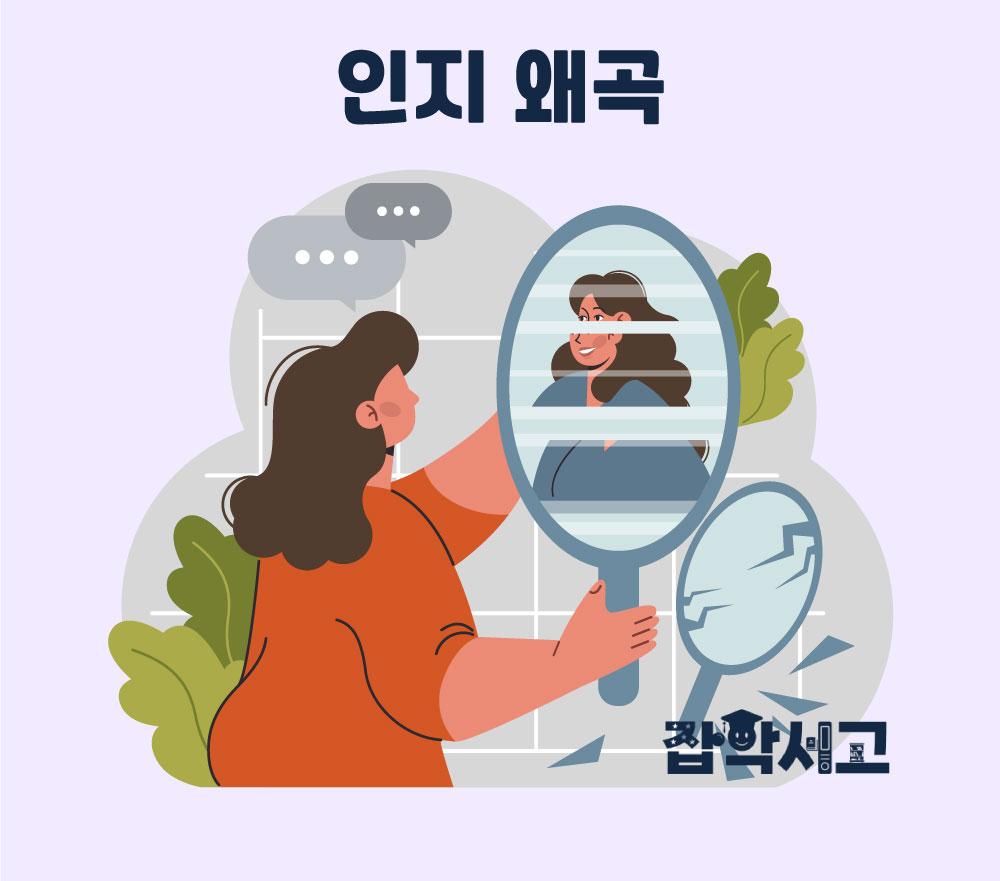 What are cognitive distortions?
Cognitive distortions are irrational or unrealistic patterns of thinking. These distortions have a profound influence on our emotions and behavior and can often lead to mental health problems such as stress, anxiety, and depression. They stem from a tendency to interpret particular events or situations too negatively or to view them in an exaggerated way.
Common Types of Cognitive Distortions
Common cognitive distortions include black-and-white thinking, overgeneralization, and catastrophizing. Black-and-white thinking is a way of viewing the world in terms of a dichotomy: ‘everything’ or ‘nothing.’ Overgeneralization means interpreting a single failure as an overall failure, while catastrophizing refers to a tendency to predict that a situation will unfold in the worst possible way.
The History and Study of Cognitive Distortions
The concept of cognitive distortion was first proposed in the late 1960s by Dr. Aaron Beck, the founder of cognitive therapy. He argued that cognitive distortions were one of the main causes of mental health problems such as depression. Various subsequent studies have confirmed the types of cognitive distortions and their influence.
The Psychological Effects of Cognitive Distortions
Cognitive distortions are not merely errors in thinking, but psychological patterns that seriously affect our emotions and behavior. Because they often occur automatically, they are difficult to recognize on our own, which further increases the dangers of cognitive distortions.
The Influence of Experiences and Beliefs
Cognitive distortions are strongly influenced by personal experiences and beliefs. For example, childhood trauma or experiences of failure can reinforce particular cognitive distortions. These experiences distort how we perceive and interpret things, ultimately leading to negative emotions.
In conclusion, cognitive distortions are psychological patterns that have a profound influence on our thoughts and emotions, and recognizing and correcting them plays an important role in maintaining mental health. Understanding cognitive distortions and learning how to overcome them is essential to improving an individual’s mental well-being.
Examples and Effects of Cognitive Distortions in Everyday Life
 What are the different types of cognitive distortions?
Cognitive distortions are also easy to find in everyday life. For example, someone who makes a small mistake at work may interpret it as a sign of their overall incompetence. This is a typical example of overgeneralization, in which a single mistake is interpreted as an overall failure. This way of thinking can lead to self-deprecation and low self-esteem.
Black-and-White Thinking
Another example is black-and-white thinking. For example, someone who does not get a high score on an exam may think, ‘I have completely failed.’ This way of thinking views everything in extremes and is characterized by a refusal to acknowledge any middle ground. Such thinking can lower confidence and self-esteem.
Catastrophizing
Catastrophizing is another cognitive distortion that commonly appears in everyday life. For example, before an important presentation, someone may think, ‘If I make a mistake, everything is over.’ This tendency to predict the worst outcome can greatly increase anxiety and stress.
Cognitive Distortions in Personal Relationships
Cognitive distortions also have a major influence on personal relationships. For example, when someone gives you a short reply, you may think, ‘That person dislikes me.’ This is a combination of overgeneralization and emotional reasoning that can lead to misunderstandings and distrust in relationships.
Mind Reading
Mind reading means believing that other people can read your mind. For example, when someone looks at you during a meeting, you may assume, ‘That person dislikes me.’
Overestimation and Underestimation
Overestimation means excessively inflating your successes or positive qualities, while underestimation means exaggerating your mistakes or negative qualities. For example, someone may regard a small mistake as a major one and think, ‘I can’t do anything.’
Personalization
Personalization means relating external events to yourself even when they have nothing to do with you. For example, when a friend seems to be in a bad mood, you may think, ‘I must have done something wrong.’
Filtering
Filtering means ignoring the positive aspects and seeing only the negative ones. For example, someone may ignore the good things that happened throughout the day and dwell on a single small mistake.
Emotional Reasoning
Emotional reasoning means believing that your feelings are the truth. For example, when you feel anxious, you may think, ‘Something bad is going to happen.’
Should Statements
Should statements mean believing that you or other people must behave in a particular way. For example, someone may think, ‘I must always be perfect.’
Labeling
Labeling means generalizing a single mistake into your identity. For example, after making one mistake, someone may think, ‘I am a failure.’
Blame Shifting
Blame shifting means attributing your problems to external factors or other people. For example, someone may attribute their failure to ‘the circumstances’ or ‘someone else’s fault.’
Double Standards
Double standards mean applying very strict standards to yourself while applying lenient standards to other people. For example, someone may think, ‘I must be perfect,’ about themselves, while thinking, ‘Anyone can make mistakes,’ about others.
Refusal to Change
Refusal to change is a tendency to fear change and try to maintain the current state of affairs. For example, someone may be reluctant to change an unsatisfactory situation because they think, ‘Still, what is familiar is better.’
The Effects of Cognitive Distortions on Mental Health
These cognitive distortions also negatively affect an individual’s mental health. Persistent negative thought patterns can lead to depression, anxiety disorders, and other problems, which can greatly reduce quality of life. It is therefore important to recognize and correct cognitive distortions.
In conclusion, cognitive distortions appear in various forms in everyday life and have a profound influence on our thoughts, emotions, and behavior. Recognizing them and responding appropriately plays an important role in maintaining mental health. Understanding cognitive distortions and learning how to overcome them is essential to improving an individual’s mental well-being.
How to Recognize and Correct Cognitive Distortions
 How can cognitive distortions be recognized and corrected?
Recognizing Cognitive Distortions
The first step is to recognize cognitive distortions. It is important to record your frequent thoughts and feelings to identify which patterns recur. For example, you can keep a journal to record the thoughts you had throughout the day and the emotions those thoughts triggered. This can help you identify the types of cognitive distortions you frequently fall into.
Examining Your Thoughts
The second step is to examine whether those thoughts are rational. It is important to objectively analyze whether your thoughts are actually valid and what evidence supports them. For example, when you think, ‘I fail at everything,’ examine whether that thought is actually true and whether there are concrete examples that support it.
Finding Alternative Ways of Thinking
The third step is to find alternative ways of thinking. Look for positive and realistic ways of thinking that can replace your existing distorted thoughts. For example, you can replace an existing negative thought with a thought such as, ‘I made a mistake this time, but I learned a lot from it.’ This can help you develop more constructive and positive thought patterns.
Practicing New Ways of Thinking
The fourth step is to practice these new ways of thinking repeatedly. At first, the new ways of thinking may feel unfamiliar, but with continued practice, they will gradually become natural. This is a process much like strengthening a muscle, in which repeated practice gradually builds strength.
Regulating Emotions and Behavior
The fifth step is to regulate your emotions and behavior. Recognize the positive emotions brought about by your new ways of thinking, and use them as a basis for adjusting your behavior. For example, when you think, ‘I can do it,’ take action by actually attempting the challenge. This can help you receive positive feedback.
Ongoing Self-Reflection
The sixth step requires ongoing self-reflection during the process of adopting new ways of thinking and behaving. It is important to check your progress regularly and make adjustments when necessary. This can help you overcome cognitive distortions more effectively.
Seeking Professional Help
Finally, seeking professional help is also a good approach. With help from a psychological counselor or psychiatrist, you can learn how to correct cognitive distortions and develop strategies for coping more effectively. Professional advice makes it possible to tailor the approach to your individual circumstances and can help you solve problems more efficiently.
Expert Strategies for Preventing Cognitive Distortions
 How can cognitive distortions be overcome and prevented?
Meditation and Mindfulness Training
Meditation and Mindfulness training are effective. By practicing focusing on the present moment and observing your thoughts and emotions objectively, you can gain help in recognizing and regulating cognitive distortions. Meditation, in particular, can reduce stress and calm the mind, encouraging positive thinking.
Keeping a Journal
Keeping a journal is recommended. By recording your everyday thoughts and feelings in a journal, you can easily identify recurring patterns of cognitive distortions. This gives you an opportunity to objectively analyze your thinking habits and correct negative patterns.
Building a Social Support System
It is important to build a social support system. It helps to talk frequently with people close to you, such as friends and family, and to share your feelings and thoughts honestly. When cognitive distortions occur, this allows you to obtain a more realistic assessment through other people’s perspectives.
Participating in Structured Personal Development Programs
Participating in structured personal development programs is also a good approach. For example, by taking part in a cognitive behavioral therapy (CBT) program or a stress management workshop, you can systematically learn how to correct cognitive distortions. These programs provide practical skills and tools that help you apply what you learn in everyday life.
Maintaining Healthy Lifestyle Habits
It is important to maintain healthy lifestyle habits. Regular exercise, a balanced diet, and sufficient sleep have a major influence on mental health. Maintaining these basic lifestyle habits can encourage more positive and realistic thinking.
Education and Learning
It is also important to continue education and learning about how to understand and correct cognitive distortions. By reading relevant books or attending lectures, you can deepen your understanding of cognitive distortions and learn various techniques for correcting them.
Developing a Habit of Self-Reflection
Developing a habit of self-reflection is also effective. You can prevent cognitive distortions by regularly examining your thought patterns and revising them when necessary. This increases self-awareness and helps you make better decisions.
Positive Self-Talk
Finally, it is important to practice positive self-talk. By practicing offering yourself encouragement and support and reducing negative self-criticism, you can develop positive thought patterns. This greatly helps improve overall mental health and prevent cognitive distortions.
Cognitive distortions are an invisible force that governs our thoughts and emotions, and recognizing and correcting them is important for maintaining mental health.
By identifying cognitive distortions in everyday life and using various methods to correct them, you can develop positive thought patterns. We hope that these various prevention strategies will help you lead a healthier and happier life.


