Heat waves are occurring frequently around the world, and their intensity and frequency are steadily increasing. As a result, many people are experiencing health problems, and agriculture and various industries are also being negatively affected. Understanding the main causes of heat waves and their impacts plays an important role in developing better ways to respond.
This resource will examine in detail why heat waves occur, focusing on rapid global warming, urbanization and the heat island effect, industrial activities and greenhouse gas emissions, and changes in weather patterns.
Rapid Global Warming: A Major Cause of Heat Waves
 What are the main causes of heat waves?
Definition and Causes of Global Warming
Global warming refers to the rise in temperatures around the world. It occurs primarily as greenhouse gas emissions from human activities increase the concentration of carbon dioxide in the atmosphere. Global warming is regarded as one of the main causes of heat waves.
Rising Temperatures and Increasing Frequency of Heat Waves
As Earth's average temperature rises, heat waves are becoming more frequent and intense. When temperatures rise, the amount of water vapor in the atmosphere increases. This, in turn, creates a vicious cycle in which temperatures rise even further. This phenomenon is particularly pronounced in summer, making heat waves even more severe. Since the middle of the 20th century, Earth's average temperature has risen by approximately 1 degree or more, greatly increasing the frequency of heat waves.
The Effects of Polar Glaciers and Changes in the Oceans
Rising temperatures also melt glaciers in polar regions, raising sea levels and increasing the heat capacity of the oceans. This affects large-scale ocean circulation and causes abnormal weather events around the world. These abnormal weather events, in turn, increase the frequency and intensity of heat waves.
Strengthening High-Pressure Systems and Heat Waves
Global warming also tends to strengthen high-pressure systems. High-pressure systems promote downward motion in the atmosphere, suppressing cloud formation and allowing more solar radiation to reach Earth's surface. This causes high temperatures locally and contributes to the persistence of heat waves.
Rising Ocean Surface Temperatures and Weather Phenomena
Finally, when global warming raises ocean surface temperatures, weather phenomena such as tropical cyclones become more powerful. This contributes to increases in the intensity and frequency of both heat waves and natural disasters such as typhoons and hurricanes. Thus, global warming is a major cause of increases in various weather-related disasters as well as heat waves.
Urbanization and the Heat Island Effect: Factors That Intensify Heat Waves
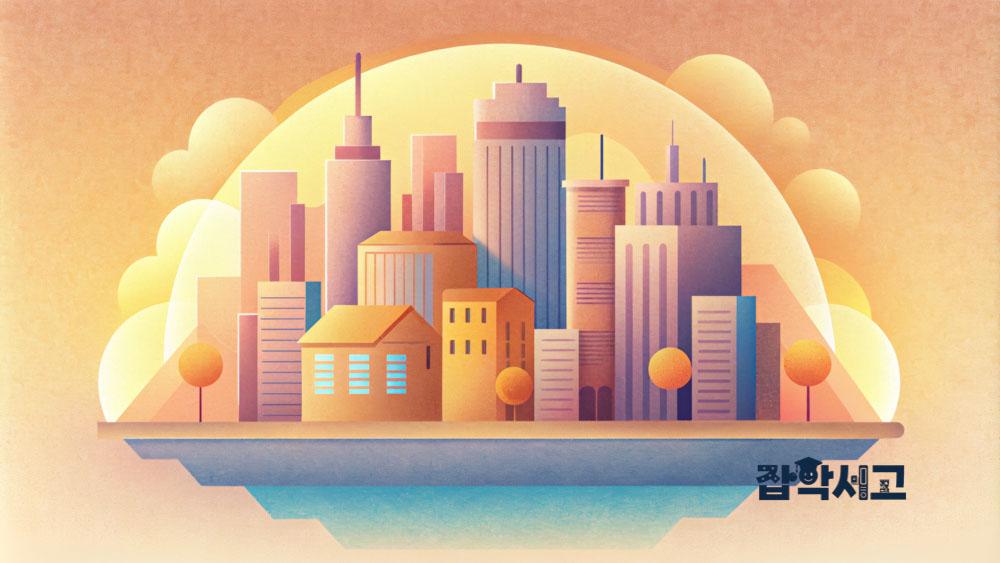 What factors further intensify heat waves?
The Effects of Urbanization
Urbanization is one of the factors that significantly affect the occurrence of heat waves. As urbanization progresses, cities gain larger populations, more buildings, and more infrastructure. As a result, the 'heat island effect' occurs, in which temperatures within cities are higher than in surrounding rural areas. The heat island effect tends to intensify heat waves in urbanized areas, especially during summer.
The Heat Island Effect and Rising Nighttime Temperatures
Building materials such as asphalt and concrete in cities absorb solar energy and release it slowly at night as well. This raises nighttime temperatures in cities, exposing residents to higher temperatures throughout a heat wave. In addition, cities with densely clustered tall buildings restrict airflow, creating a layout that makes it difficult for heat to escape.
Reduced Vegetation and a Decline in the Ability to Regulate Heat
As urbanization reduces vegetation and green spaces, cities also lose some of their ability to regulate heat. Vegetation such as trees and grass lowers surrounding temperatures through evapotranspiration, but when urbanization reduces this vegetation, the impacts of heat waves become greater. As a result, temperatures within cities become approximately 1 to 3 degrees higher than those in surrounding areas.
The Effects of Waste Heat and Pollutants
Heat and pollutants emitted by vehicles and factories also contribute to higher temperatures within cities. In particular, exhaust gases from vehicles and industrial activities increase the concentration of greenhouse gases in the atmosphere, promoting global warming while also raising temperatures within cities locally. This further increases the frequency and intensity of heat waves.
Population Density and Public Health Problems
Urbanization also increases population density, intensifying the impacts of heat waves. In densely populated cities, health problems caused by heat waves can be more severe. Vulnerable groups, particularly older adults, people in frail health, and children, may be more affected by heat waves, which can lead to public health problems.
Increased Energy Consumption and Power Supply Problems
Finally, urbanized areas consume large amounts of energy. The use of cooling equipment such as air conditioners increases sharply during heat waves, raising electricity consumption and potentially causing instability in the power supply. Such conditions exacerbate the direct harm caused by heat waves.
Urbanization and the heat island effect are major factors that intensify heat waves. Efforts are needed to reassess and improve urban structures, environmental management, and energy consumption patterns. It is important to reduce the impacts of heat waves by expanding green spaces, designing cities efficiently, and adopting energy-saving measures.
Industrial Activities and Greenhouse Gas Emissions: At the Core of Climate Change
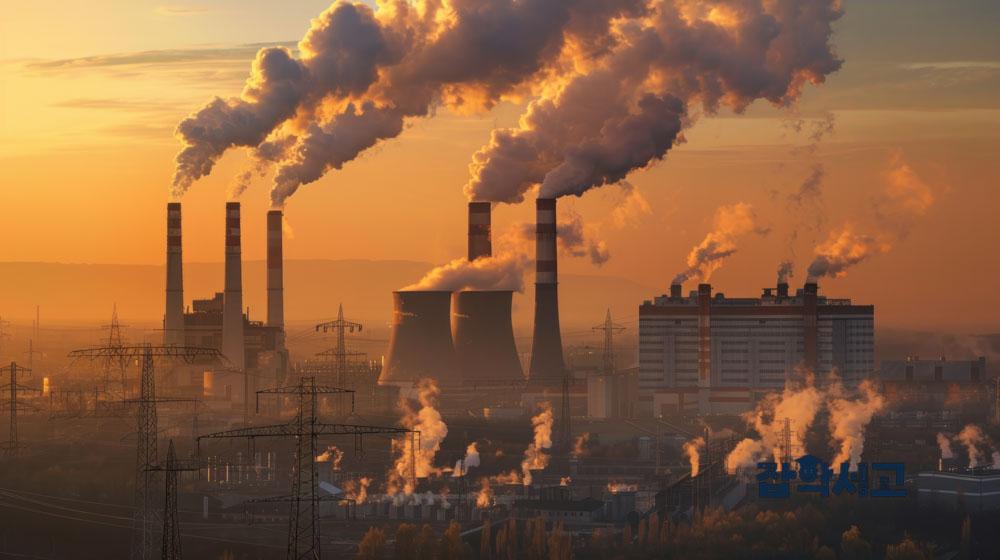 Impacts of Climate Change Caused by Greenhouse Gases
Industrialization and Greenhouse Gas Emissions
Industrial activities are closely related to the occurrence of heat waves. Since industrialization, large amounts of greenhouse gases have been released into the atmosphere, which is one of the main causes of accelerated global warming. Greenhouse gases remain in the atmosphere and trap solar radiation at Earth's surface. As a result, temperatures rise across the planet.
Major Greenhouse Gases
The main greenhouse gases emitted by industrial activities include carbon dioxide (CO2), methane (CH4), and nitrous oxide (N2O). Among these, carbon dioxide accounts for the largest share and is emitted in large quantities when fossil fuels are burned or cement is produced. Carbon dioxide remains in the atmosphere for a long time and promotes global warming over the long term.
Industrialized Countries and Greenhouse Gas Emissions
Industrialized countries emit particularly large amounts of greenhouse gases, significantly affecting global climate change. These countries consume large amounts of energy to achieve economic growth, and the greenhouse gases generated in this process accelerate global warming. This is a major cause of increases in the frequency and intensity of various abnormal weather events as well as heat waves.
Air Pollution and Regional Climate Change
Industrial activities also cause air pollution, which affects regional climate change as well. For example, pollutants emitted by factories remain in the atmosphere and absorb or reflect solar radiation. This can raise temperatures locally and contribute to increases in the frequency and intensity of heat waves.
Ocean Acidification and Ecosystem Changes
Greenhouse gas emissions from industrial activities also cause ocean acidification. The increased carbon dioxide in the atmosphere is absorbed by the oceans, which has a major impact on marine ecosystems. Changes in marine ecosystems, in turn, affect large-scale ocean circulation, leading to global climate change and increasing the frequency and intensity of heat waves.
Overuse of Natural Resources and Ecosystem Changes
Finally, industrialization leads to the overuse of natural resources, altering ecosystems, which in turn affects climate change. For example, deforestation reduces carbon dioxide absorption, increasing the concentration of carbon dioxide in the atmosphere and promoting global warming. As a result, heat waves become more frequent and intense, significantly affecting both humans and nature.
Industrial activities and greenhouse gas emissions are key causes of climate change. Energy consumption and emissions management in industrialized countries, along with the conservation of natural resources, are important. Efforts are needed to make industrial activities sustainable and reduce greenhouse gas emissions. These efforts can reduce the negative impacts of climate change, such as heat waves.
Changes in Weather Patterns: Increasing Episodes of Unusually High Temperatures
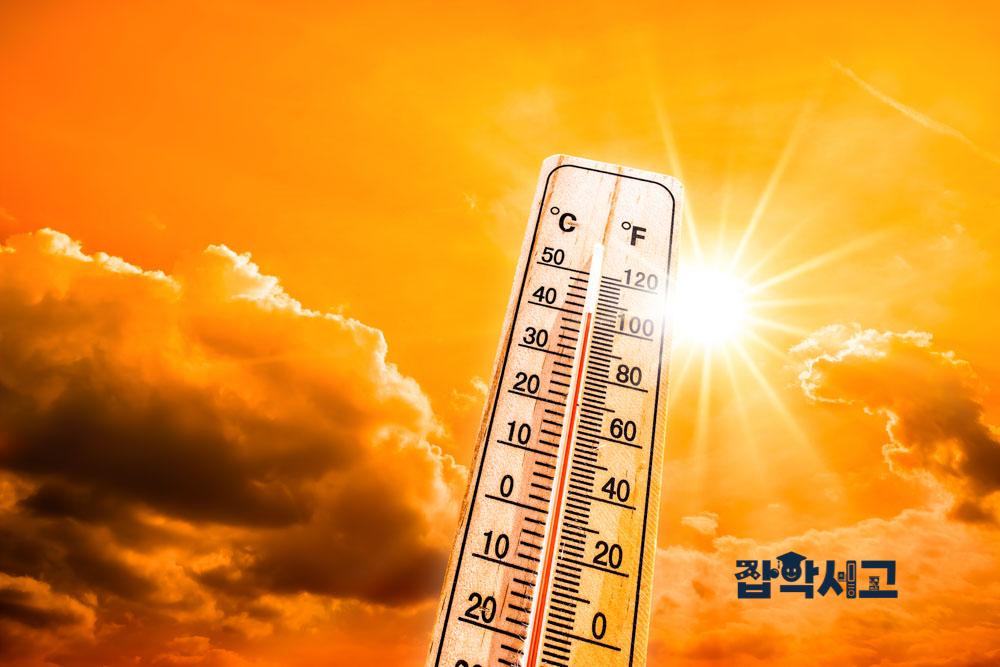 Heat Waves Intensifying as Weather Patterns Change
Changes in Weather Patterns and Heat Waves
Changes in weather patterns are also among the factors that significantly affect the occurrence of heat waves. Climate change is altering weather patterns around the world, increasing the frequency and intensity of episodes of unusually high temperatures. These changes are making heat waves more frequent and powerful.
The Jet Stream and Atmospheric Circulation Patterns
Climate change affects atmospheric circulation patterns such as the jet stream, causing changes in the global distribution of temperatures. When the jet stream weakens, hot air can remain over a particular region for a long time and cause heat waves. This is particularly pronounced in summer and increases the frequency and intensity of heat waves.
The Effects of El Niño and La Niña
Large-scale ocean circulation phenomena such as El Niño and La Niña are also becoming more variable due to climate change. El Niño is a phenomenon in which sea surface temperatures in the Pacific Ocean rise abnormally, causing temperatures to rise around the world. Conversely, La Niña is a phenomenon in which sea surface temperatures fall abnormally, also causing changes in weather patterns. These two phenomena have a major influence on the frequency and intensity of heat waves.
Changes in High-Pressure Systems
Climate change also increases the frequency and intensity of high-pressure systems. High-pressure systems promote downward motion in the atmosphere, suppressing cloud formation and allowing more solar radiation to reach Earth's surface. This causes high temperatures locally and contributes to the persistence of heat waves.
Increasing Atmospheric Water Vapor
In addition, when climate change increases the amount of water vapor in the atmosphere, this water vapor absorbs and releases more heat. This can make heat waves more powerful. The phenomenon is particularly pronounced in summer and contributes to increases in the frequency and intensity of heat waves.
The Effects of Polar Glaciers
Finally, climate change melts glaciers in polar regions, affecting sea level rise and large-scale ocean circulation. Changes in large-scale ocean circulation significantly affect the global distribution of temperatures, increasing the frequency and intensity of episodes of unusually high temperatures. These changes in weather patterns make heat waves more frequent and powerful.
Changes in weather patterns are closely related to the increase in episodes of unusually high temperatures. Various factors, including the jet stream, El Niño and La Niña, high-pressure systems, the amount of atmospheric water vapor, and polar glaciers, act together to increase the frequency and intensity of heat waves. Understanding and preparing for these changes is important for minimizing the impacts of climate change.
Climate Adaptation Strategies: Urban Design and Policies for Heat Wave Preparedness
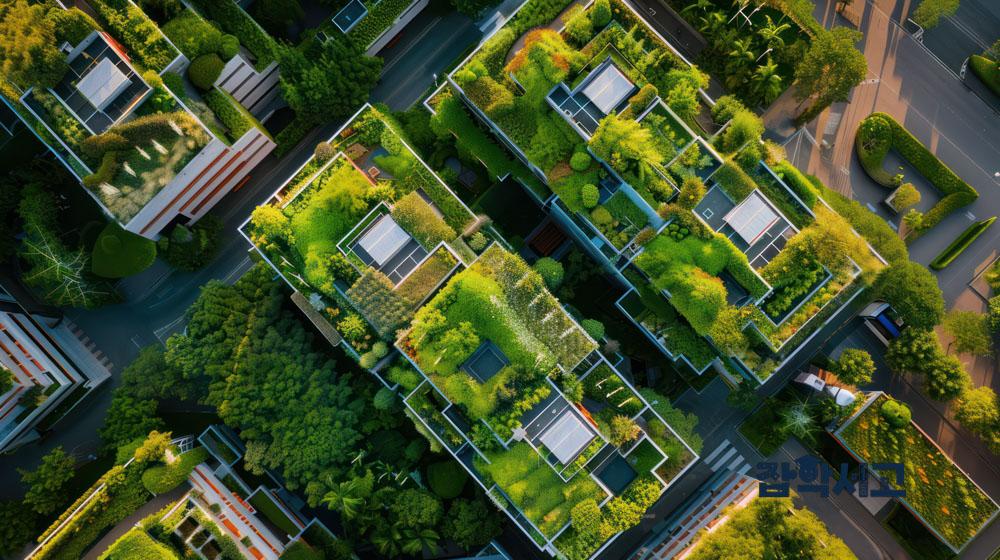 What climate adaptation strategies are available to prepare for heat waves?
Climate adaptation strategies for heat waves emphasize the importance of urban design and policy. Cities are among the areas most affected by heat waves, and various strategies are needed to minimize those impacts. These strategies span several fields, primarily urban planning, building design, energy management, and public safety.
Ensuring the Availability of Green Spaces
One of the most important elements of urban design is ensuring the availability of green spaces. Parks, street trees, and green roofs play a major role in lowering urban temperatures. For example, green spaces can absorb sunlight and lower surrounding temperatures through evaporation. Green spaces also offer various benefits, such as improving the appearance of cities and providing residents with places to relax.
Building Design
Building design is also an important factor in preparing for heat waves. Using highly reflective materials on the exterior walls and roofs of buildings can reduce heat accumulation. It is also important to design structures with good ventilation. Such designs help lower indoor temperatures and reduce energy consumption for cooling.
Energy Management
Energy management is also an important part of climate adaptation strategies. Given the increased use of cooling equipment during heat waves, efficient energy management is essential. One approach is to introduce smart grid systems to monitor energy use in real time and manage it efficiently. Expanding the use of renewable energy is also important.
Public Safety Policies
Public safety policies are also part of climate adaptation strategies. It is necessary to strengthen heat wave warning systems and educate residents about how to respond to heat waves. It is also important to develop special measures to protect vulnerable groups such as older adults, people in frail health, and children. For example, on days of severe heat waves, public cooling facilities can be operated to give residents a place to escape the heat.
Education and Public Outreach
Education and public outreach on how to respond to heat waves are also important. Teaching residents how to protect their health during heat waves and providing relevant information are essential for minimizing the impacts of heat waves.
Infrastructure Improvements
It is also necessary to improve urban infrastructure to strengthen the ability to respond to heat waves. Measures are needed such as improving reservoirs and water management systems to address water shortages and providing cooling facilities in disadvantaged areas.
In conclusion, climate adaptation strategies emphasize the importance of urban design and policies that prepare cities for heat waves. Cooperation and efforts across various fields are needed to minimize the impacts of heat waves. Responding to climate change requires ongoing research and investment, which can help create safe and sustainable urban environments.
Heat waves are not simply natural phenomena but the result of various causes and factors acting together. Factors such as rapid global warming, urbanization and the heat island effect, industrial activities and greenhouse gas emissions, and changes in weather patterns are increasing the frequency and intensity of heat waves.
Understanding these phenomena and developing appropriate responses will play an important role in preparing for future climate change. Continued research and effort will be needed, and individuals, governments, and the world as a whole will need to work together to seek ways to mitigate and adapt to climate change.