
Lying is a common behavior in our daily lives, and its psychology and motivations illustrate the complexity of human behavior. People lie for various reasons, and these lies take different forms depending on individual psychological factors, social contexts, and circumstances.
This article aims to explore in detail the definition and types of lies, psychological factors, social effects, and scientific approaches to lie detection.
The Definition and Types of Lies
 What types of people tell lies?
The Definition of a Lie
Simply put, lying means saying something that is not true. It is an intentional false statement used to mislead others or serve one's own interests. The definition of a lie can vary depending on cultural and social contexts, and these differences also influence the types of lies.
White Lies
The first type is the 'white lie.' This is a small lie used to avoid hurting another person's feelings or to avoid an uncomfortable situation. For example, saying 'It looks really nice' even though you do not like a friend's new outfit falls into this category. These lies often act as a social lubricant and help keep relationships running smoothly.
Evasive Lies
The second type is the 'evasive lie.' This is used to avoid an unwanted situation or question. For example, someone who has forgotten an important appointment might say, 'Something else important came up.' These lies are often used to avoid acknowledging one's mistakes or taking responsibility.
Exaggerated Lies
The third type is the 'exaggerated lie.' This involves embellishing facts to make oneself look better or to make a strong impression on another person. For example, exaggerating one's travel experiences falls into this category. Exaggerated lies are also used as a tool to boost an individual's self-esteem.
Deliberate False Information
The fourth type is 'deliberate false information.' This is the act of intentionally providing incorrect information for a specific purpose. For example, someone might spread false rumors to bring down a competitor. These lies are used for social, economic, or political gain and can cause considerable harm.
Self-Deceptive Lies
Finally, there are 'self-deceptive lies.' These involve perceiving one's own reality in a distorted way and are used to maintain one's peace of mind. For example, rationalizing a failed project by saying, 'It wasn't very significant anyway,' falls into this category.
Psychological Factors: Why Do People Lie?
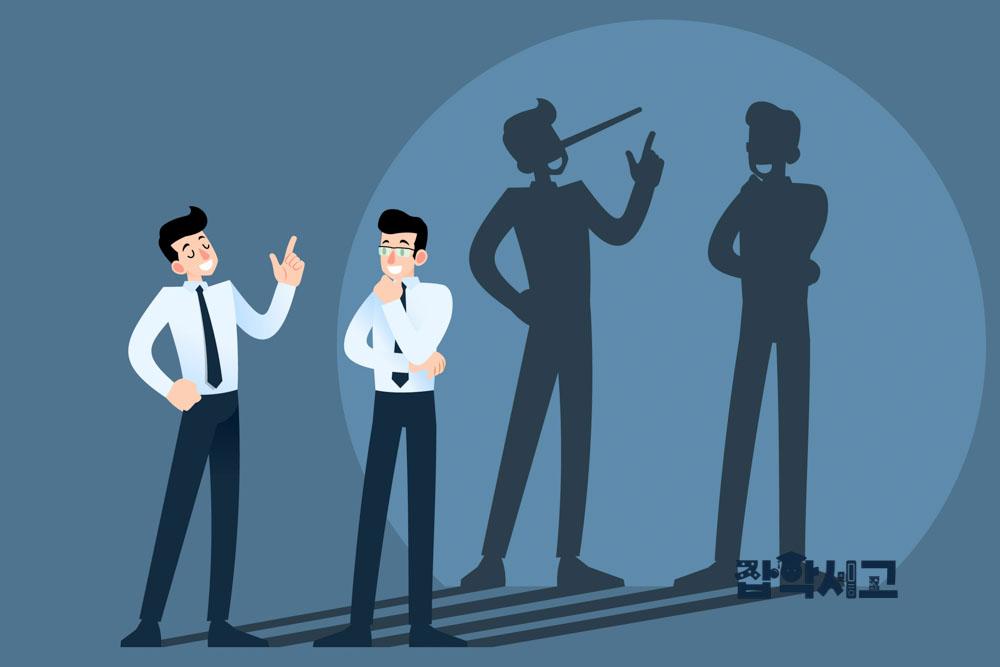 Why do people lie?
Self-Protection
There are various reasons for lying, and they mainly stem from psychological factors. The first factor is 'self-protection.' People lie to protect themselves or avoid negative consequences. This is closely related to the human survival instinct.
Social Pressure
The second factor is 'social pressure.' People may lie to present themselves more favorably in social situations. For example, when all their friends wear a particular clothing brand, they might say, 'I like it too,' even if they do not like that brand. This stems from the human instinct to want to fit into a group.
Rewards
The third factor is 'rewards.' The material and psychological rewards that can be obtained through lying lead people to lie. For example, exaggerating one's achievements at work to secure a promotion falls into this category. This form of lying is intended to maximize personal gain.
Fear
The fourth factor is 'fear.' Fear of negative consequences can prompt lying. For example, lying to conceal a mistake falls into this category. Fear is a powerful motivator of human behavior, and many people choose to lie to avoid it.
Self-Esteem
The fifth factor is 'self-esteem.' People may lie to boost their self-esteem. For example, exaggerating one's achievements or claiming to have experiences one has never had falls into this category. This stems from a desire to see oneself as more valuable.
Social Skills
Finally, there are 'social skills.' Lies are sometimes used as a tool to make social interactions run smoothly. For example, someone might tell a small lie to avoid hurting another person's feelings. This form of lying helps maintain and strengthen social relationships.
The Social Effects of Lying: Relationships and Trust
 Trust and relationships broken by lies
Trust and Relationships
Lying is a powerful factor that can destroy trust between individuals. Trust is the foundation of all human relationships, and lies can damage it. Once trust has been damaged, it is difficult to restore, and this greatly affects a relationship's ability to endure.
Effects on Family Relationships
First, lying affects family relationships. When trust within a family is broken, it can hinder communication and cooperation among family members. For example, if a child lies to their parents, the parents lose trust in the child. This can cause tension and anxiety within the household.
Effects on Friendships
Second, lying affects friendships. Lies between friends can cause feelings of betrayal and disappointment. For example, if a friend conceals or distorts information that is important to you, this can create a rift in the friendship. Such experiences make it difficult to restore trust between friends.
Effects on Workplace Relationships
Third, lying affects relationships in the workplace. At work, trust is an important factor in collaboration and productivity. When a colleague or supervisor lies, it can negatively affect teamwork and job performance. For example, misrepresenting a project's progress can reduce the entire team's efficiency.
Effects on Social Trust
Fourth, lying affects social trust. When lying becomes widespread throughout society, it can destroy social trust. This has negative effects in various fields, including politics, the economy, and education. For example, when politicians lie, it can reduce the public's political trust.
Legal Issues and Trust
Fifth, lying can cause legal problems. Lying is treated as a serious issue in legal proceedings. For example, committing perjury in court can lead to legal penalties. This damages trust in the legal system, which plays an important role in maintaining social order.
Effects on Mental Health
Finally, lying can affect an individual's mental health. People who lie may feel guilt and anxiety, which can cause psychological stress. Over time, this stress can negatively affect an individual's mental health.
The Boundary Between Truth and Falsehood: Scientific Approaches to Lie Detection
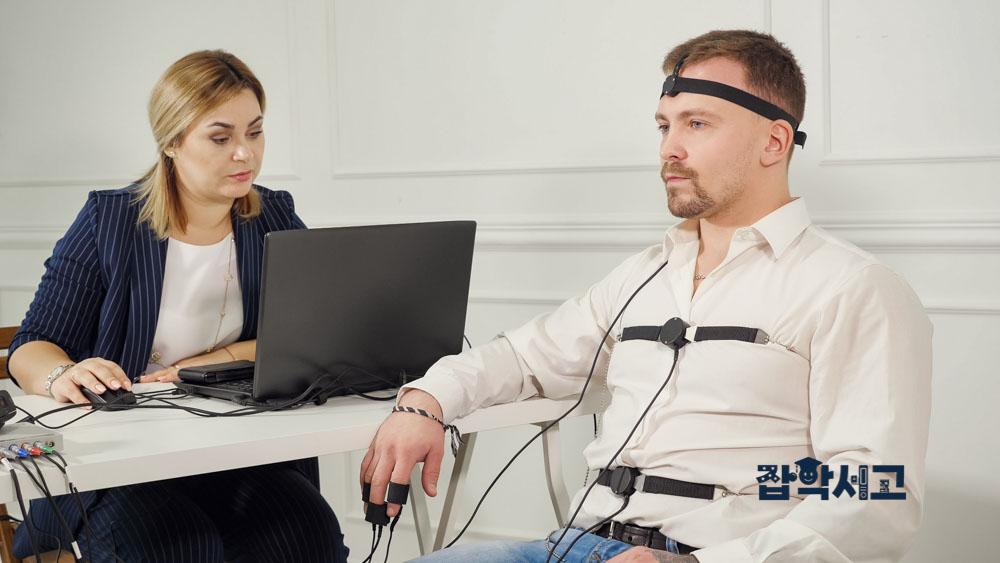 What scientific methods can uncover lies?
A Multifaceted Approach
Detecting lies is a highly complex task, and various scientific methods are used for this purpose. First, there is a multifaceted approach. This involves combining several methods to detect lies. For example, body language and voice analysis can be combined to determine whether someone is lying.
Body Language Analysis
Second, there is body language analysis. People may unconsciously display certain physical signals when they lie. Examples include eye movements, subtle changes in facial expressions, and hand movements. These signals can be analyzed to determine whether someone is lying.
Voice Analysis
Third, there is voice analysis. When people lie, the tone, speed, and pitch of their voice may change. For example, their voice may tremble or their tone may change when they lie. These vocal signals can be analyzed to determine whether someone is lying.
Brainwave Analysis
Fourth, there is brainwave analysis. Recent research is developing methods to detect lies through brainwaves. People may display specific brainwave patterns when they lie, and these can be analyzed to determine whether they are lying. This approach offers high accuracy, but it is not yet widely used because of its cost and technical limitations.
Polygraph Tests
Fifth, there are polygraph tests. This is one of the best-known lie detection methods, and it determines whether someone is lying by measuring the body's physiological responses. Changes in heart rate, blood pressure, and breathing rate can be analyzed to determine whether someone is lying. However, this method is not 100% accurate and may not be accepted as legal evidence.
Artificial Intelligence (AI)-Based Lie Detection Technology
Finally, there is artificial intelligence (AI)-based lie detection technology. AI can analyze vast amounts of data to identify patterns and use them to determine whether someone is lying. For example, systems that combine facial recognition and voice analysis to determine whether someone is lying are being developed. These technologies offer high accuracy, but privacy and ethical issues must also be considered.
Lying is a phenomenon that illustrates the complexity of human behavior and the variety of psychological motivations behind it. By examining the definition and types of lies, psychological factors, social effects, and scientific detection methods, we can gain a deeper understanding of the nature of lying.
Lying is an inevitable part of human behavior, but it is important to recognize it and respond appropriately. Trust and truth are the foundations of all human relationships, and maintaining them requires an attitude of respect for one another's truthfulness.


