The growth of the older population is a prominent phenomenon worldwide, resulting from various factors such as improvements in quality of life, increased life expectancy, and advances in medical technology.
These changes in population structure further highlight the need to provide appropriate welfare for older adults and emphasize the importance of developing various policies and services to improve their health, safety, and quality of life.
Elderly welfare focuses on safeguarding the basic human rights of older adults and supporting them so that they are respected and able to contribute to society.
Accordingly, it is necessary to examine the concept of elderly welfare, changes in the older population, the need for elderly welfare, and elderly welfare policies and their outlook.
The Concept and Areas of Elderly Welfare
 What does elderly welfare include?
Elderly welfare is a concept encompassing various services and programs that help people who have reached old age live healthy, safe, respected, and satisfying lives.
These welfare services are designed to safeguard the basic human rights of older adults and protect and improve their quality of life. The main areas of elderly welfare are as follows.
Health Care
This provides the medical services and health care programs that older adults need, focusing on maintaining and improving their health.
Social Participation
This helps older adults participate in social activities and fulfill their roles as members of their communities. It helps them remain socially active, reduces feelings of isolation, and supports the development of social networks.
Financial Support
This provides older adults with financial stability and offers financial assistance when needed. It helps them cover basic living expenses.
Housing and Safety
This provides older adults with safe and comfortable housing and ensures their safety. It helps them live comfortably and safely.
Emotional Support
This provides emotional support and counseling to help older adults maintain their mental health.
Education and Learning Opportunities
This offers older adults opportunities to learn new skills or knowledge and helps them continue to grow and develop.
Elderly welfare is an important social service that helps older adults live dignified and fulfilling lives. By providing material, social, and emotional support, it improves their quality of life and helps them be respected and contribute as important members of society.
Changes in the Older Population
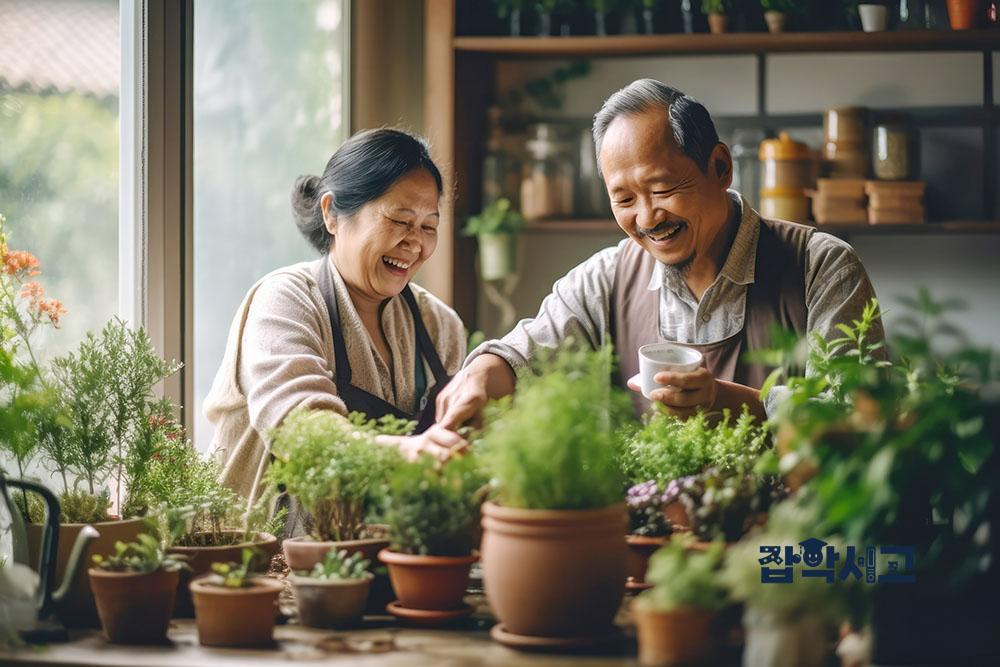 South Korea's older population is growing at a very rapid pace.
Changes in South Korea's older population are occurring at a very rapid pace and have various social and economic effects. The following describes the current situation and outlook for changes in South Korea's older population.
Growth of the Older Population
The population of older adults aged 65 and over grew from approximately 340 ten thousand people in 2000 to approximately 902 ten thousand people in 2022. In addition, 16.5% of South Korea's population consisted of older adults aged 65 and over, and this share continues to grow.
Pace of Population Aging
South Korea is among the societies experiencing the fastest population aging in the world. The proportion of older adults in South Korea increased from 7.0% to 14.0% in 17 years, a very rapid pace compared with the 24 years it took Japan to undergo the same change.
Projections for Future Population Aging
The proportion of older adults in South Korea is increasing rapidly and is expected to reach 30.1% in 2035 and at least 40% in 2050. It is also expected that in 2026, at least 20% of South Korea's population will consist of older adults aged 65 and over, meaning that the country will become a 'super-aged society' just 10 years after 2016.
This rapid growth of the older population affects various areas of South Korean society and, in particular, increases the need for elderly welfare services. It also calls for important discussions about older adults' economic and social participation and health care.
The Need for Elderly Welfare
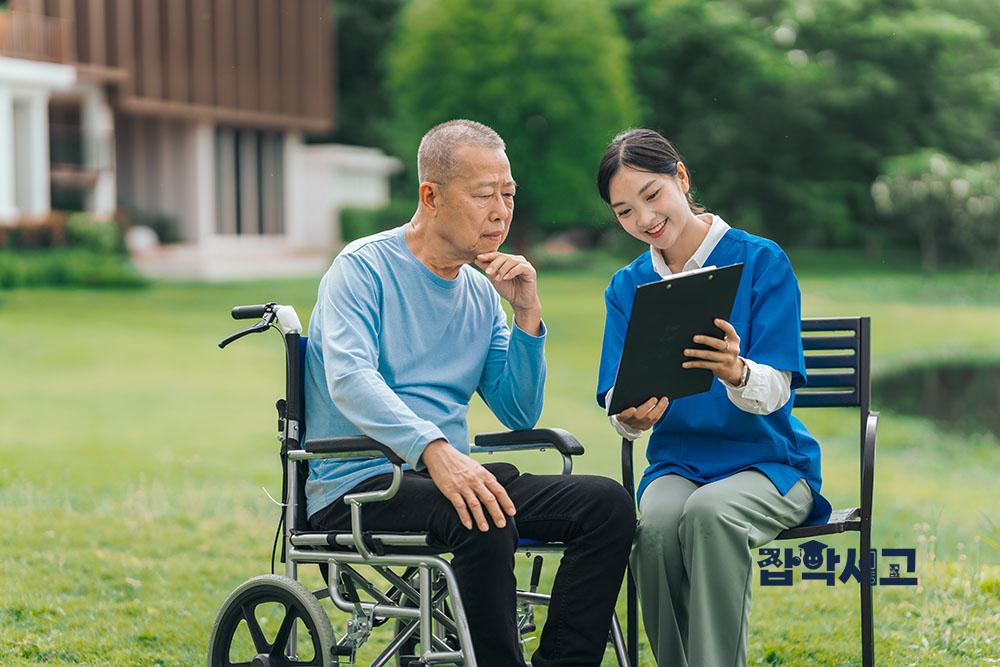 Why is elderly welfare necessary?
Elderly welfare is important for protecting and improving the quality of life of people who have reached old age. Various factors highlight the need for elderly welfare, and the following are the main reasons, organized according to the areas of elderly welfare described above.
Maintaining and Managing Health
Older adults are susceptible to health problems and need appropriate medical services and health care. Elderly welfare programs maintain older adults' health, prevent disease, and provide necessary medical services.
Reducing Social Isolation
Older adults often experience social isolation, which can lead to mental health problems. Elderly welfare services strengthen their social networks by encouraging social activities and community participation.
Financial Stability
Older adults often have to live on limited incomes, which affects their quality of life. Elderly welfare provides financial support and helps them cover basic living expenses.
Ensuring Respect and Dignity
Older adults should be assured of respect and dignity and should be able to fulfill their roles as important members of society. Elderly welfare programs help older adults be respected, remain useful to society, and maintain dignity in their lives.
Providing a Safe Living Environment
A safe and comfortable living environment is important for improving older adults' quality of life. Elderly welfare services provide older adults with safe housing and ensure their safety.
Providing Opportunities for Learning and Personal Development
Older adults also need opportunities to learn new things and grow personally. Elderly welfare programs provide educational and learning opportunities and help them expand their knowledge and abilities.
Elderly welfare is important not only for helping older adults live healthy and satisfying lives, but also for ensuring that they are respected and able to contribute as important members of society.
Elderly Welfare Policies and Outlook in South Korea
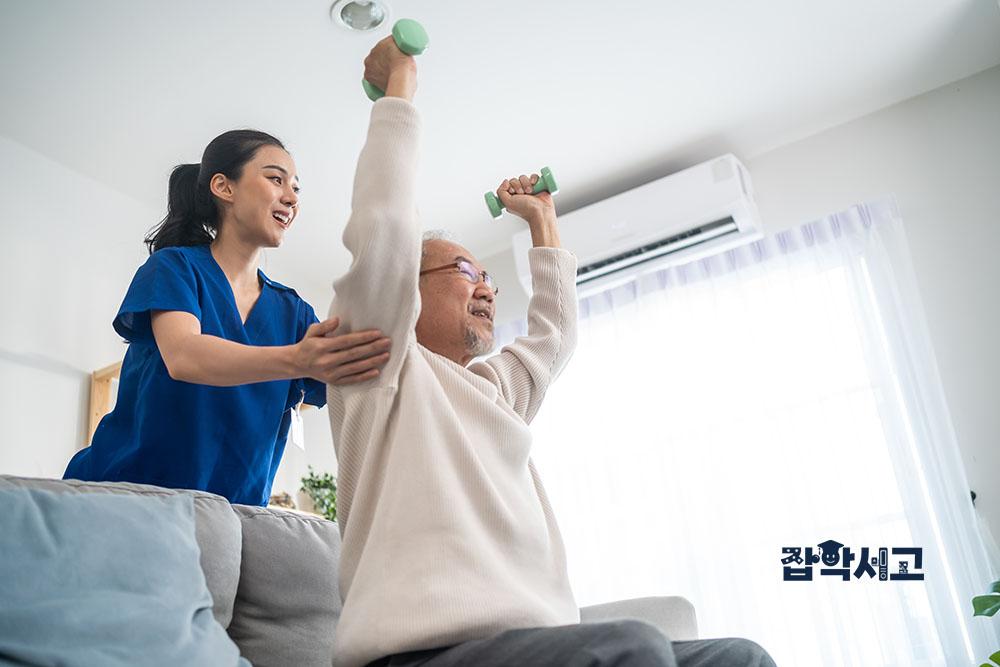 What are South Korea's main elderly welfare policies?
South Korea's population is aging at a very rapid pace, making various policies necessary to improve older adults' quality of life and level of welfare. South Korea's current elderly welfare policies consist of the following components.
Major Elderly Welfare Policies in South Korea
Income and Housing
Measures such as the basic pension, farmland pension, and catastrophic medical expense assistance seek to ensure older adults' income security and stability in daily life. The basic pension is a system that pays a fixed monthly pension to low-income older adults aged 65 and over, with payments of approximately 30 ten thousand won.
The farmland pension is a system that uses farmland as collateral to provide pension payments until death, and people can enroll from age 60. Catastrophic medical expense assistance is a program that covers part of the medical expenses of households experiencing financial hardship because of excessive medical spending relative to their income, with assistance covering 50–80% depending on income level.
Medical Coverage
Measures such as dental assistance, denture assistance, dementia screening assistance, and eye examination assistance for older adults promote their health management and disease prevention.
Dental assistance for older adults is a program that reduces out-of-pocket cost-sharing rates for patients aged 65 and over who have some missing teeth, subject to a lifetime coverage limit of 2, with patients paying 30% under health insurance, 10–20% in the near-poverty group, 10% under Category 1 medical assistance, and 20% under Category 2 Medical Aid.
Denture assistance for older adults is a program that provides dentures to adults aged 65 and over at an out-of-pocket rate of 30%, with additional reductions available to people with chronic conditions or rare, intractable diseases.
Dementia screening assistance for older adults is a program that supports screening and diagnosis for adults aged 60 and over, with diagnostic support also available to older adults whose income is at or below 120% of the median income.
Eye examination assistance for older adults is a program that gives priority to low-income older adults aged 60 and over and supports a total of 4 types of examinations, including fundus examinations, intraocular pressure measurements, and refraction tests, while fully covering the cost of sight-restoring surgery for patients with eye conditions such as cataracts or retinal diseases.
Social Services
The long-term care insurance system, home care services, day and night care services, and short-term care services support care and independent living for older adults.
The long-term care insurance system provides care benefits to older adults aged 65 and over or people with severe disabilities aged 18 and over, with out-of-pocket rates of 15–20% depending on the care grade.
Home care services involve visiting the homes of older adults or people with disabilities to provide assistance with daily activities such as eating, bathing, cleaning, and laundry, and are a form of long-term care insurance benefit.
Day and night care services allow older adults or people with disabilities to visit a facility during the day or at night to receive services such as meals, bathing, exercise, and education, and are also a form of long-term care insurance benefit.
Short-term care services allow older adults or people with disabilities who temporarily cannot receive care at home because of a family member's absence, illness, or other circumstances to stay at a facility and receive daily living management and medical services, and are a form of long-term care insurance benefit.
Future Outlook
South Korea's elderly welfare policies operate as described above, but they still have many shortcomings in addressing older adults' various problems and needs. They should therefore be improved in the following ways.
Income and Housing
Pension systems such as the basic pension and farmland pension should be expanded and developed into a universal pension system that includes older adults in the middle class and above as well as those with low incomes.
In addition, to improve older adults' living environments, the supply of public rental housing should be increased, greater use of the housing pension system should be encouraged, and various housing arrangements, such as multifamily housing and shared housing, should be supported.
Medical Coverage
Welfare programs such as dental assistance and denture assistance for older adults should be expanded nationwide, and out-of-pocket cost-sharing rates should be lowered.
In addition, preventive health care, such as dementia screening assistance and eye examination assistance for older adults, should be strengthened, and medical facilities such as hospitals dedicated to dementia care and specialist eye hospitals should be expanded.
Social Services
The long-term care insurance system should be improved to make care grade assessments and benefit calculations fairer and more reasonable, and out-of-pocket cost-sharing rates should be lowered.
In addition, the quality and quantity of services such as home care, day and night care, and short-term care should be improved, and the training and education of personnel such as care workers and nurses should be strengthened.
Providing Opportunities for Social Participation and Education
Efforts are needed to provide older adults with opportunities for social participation and education to improve their quality of life and to strengthen programs and policies that promote continued learning and personal development.
Changes in the older population highlight the need for elderly welfare, calling for discussion and action at the individual, community, and national levels.
Elderly welfare policies and services promote improved welfare, health maintenance, and social participation among older adults and ensure that they are held in esteem and treated with respect.
As the older population grows, the importance of elderly welfare will continue to increase, requiring more thorough examination and improvement of elderly welfare policies and their outlook.
Improving elderly welfare will be an important step in helping our society respond effectively to the growth of the older population and supporting older adults in improving their quality of life and contributing to society.