Adolescence is an important transitional period in an individual's life, and the various psychological and social changes that take place during this period have a significant impact on adolescents' futures and their ability to adapt to society.
Adolescents seek their own identities and develop social skills while also responding to new responsibilities and expectations. This complex process of change can pose challenges for adolescents and sometimes bring them stress and confusion.
Accordingly, youth welfare plays an important role in providing support so that adolescents can understand and navigate this important period in healthy and positive ways.
In South Korea, various programs and services are provided through the implementation of youth welfare policies to help adolescents grow into well-adjusted members of society.
What Is Youth Welfare?
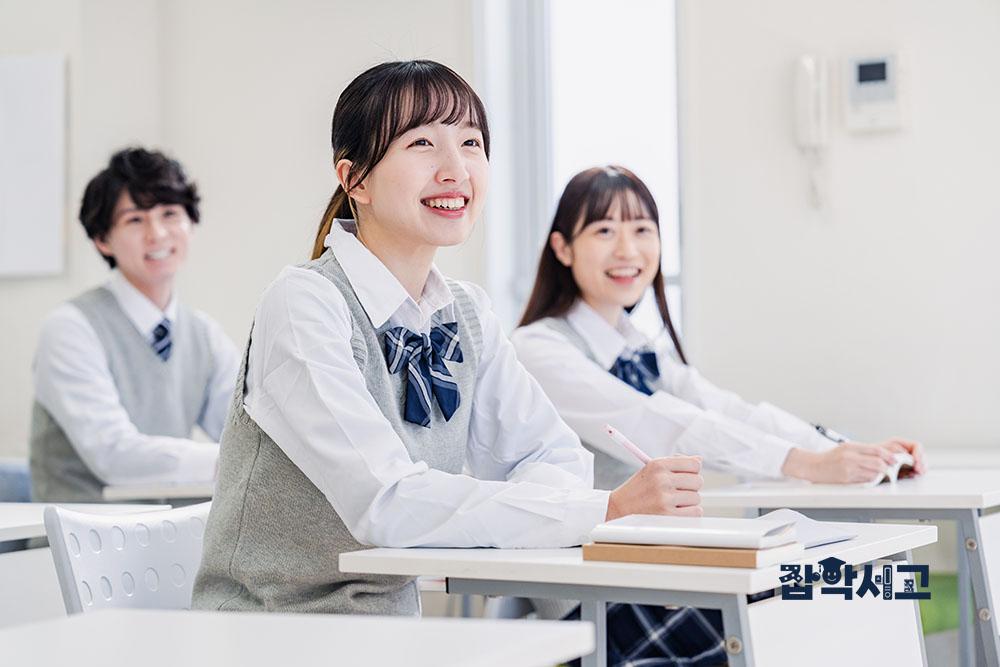 Adolescence is a period that requires special attention.
Youth welfare refers to services and programs that support adolescents in growing and developing in healthy, safe, and positive ways.
Adolescence is a period of many physical, emotional, and social changes, so adolescents need special attention and support. Youth welfare focuses on protecting adolescents' fundamental rights and helping them realize their abilities to the fullest.
Educational Support: Helps adolescents acquire knowledge and skills by providing them with appropriate educational opportunities.
Health Care: Provides services to promote and maintain adolescents' physical and mental health.
Social Services: Helps adolescents communicate with and adapt to society more effectively by providing support for developing social skills and preparing for the future.
Hobbies and Leisure Activities: Helps adolescents discover and pursue their interests and hobbies.
Family Support: Improves relationships within families and provides parents with support in raising adolescents.
Youth welfare plays an important role in helping adolescents realize their full potential and contribute positively to society.
Understanding Adolescents
 They need help because they are emotionally immature.
Adolescence is an important transitional period in life during which individuals go through many stages of physical, emotional, and social change. This period plays an important role in finding a sense of identity, developing independence, and forming and strengthening social relationships.
A Period of Rapid Change and Emotional Instability
For example, adolescents must adapt to rapid changes in their bodies, which can often lead to anxiety about their appearance and a lack of self-confidence.
Adolescents also face a variety of social situations and emotional challenges, including relationships with friends, pressures at school, and uncertainty about the future. These changes and challenges make emotional stability and social adjustment difficult for adolescents.
What Are the Characteristics of Adolescents?
Adolescents have high levels of energy and curiosity, along with a strong desire to explore new experiences and knowledge. They also focus on expressing their opinions and developing independent thinking.
They also gain a deeper understanding of social justice and personal values and strive to establish clear plans and goals for the future.
This shows that understanding adolescents and identifying how to respond to their needs and challenges are important for effectively providing youth welfare and support services.
The Need for Youth Welfare
 Why Is Youth Welfare Necessary?
Youth welfare is needed to provide an environment in which adolescents can grow up healthy and safe and develop their personal and social abilities.
Adolescence is an important period of rapid physical, emotional, and social change, and these changes can bring adolescents many challenges and stress.
Emotional Support
Adolescents can experience intense emotional fluctuations, which can lead to emotional problems such as stress, anxiety, and depression. Youth welfare services help them recognize and manage these emotional problems.
Social Adjustment
Adolescents must learn how to form new social relationships, belong to groups, and cooperate with their peers. Youth welfare programs help develop these social abilities.
Education and Career Preparation
Adolescents focus on academic achievement and preparation for their future careers. Youth welfare services provide educational support and vocational training to help adolescents prepare better for the future.
Health Care
Adolescence is an important period for physical health and growth, and youth welfare services help adolescents develop healthy lifestyle habits, prevent health problems, and receive appropriate health care when needed.
Ensuring Safety
Adolescents may sometimes fail to recognize risks that could lead to dangerous situations or inappropriate behavior. Youth welfare programs help adolescents stay safe and protect them from danger.
Support for Self-Awareness and Self-Expression
Adolescents seek their own identities and learn how to express their opinions and feelings. Youth welfare supports this important process of self-discovery.
Thus, the need for youth welfare lies in providing support and opportunities that allow adolescents to grow and develop in positive and healthy ways.
Youth Welfare Policies and Prospects in South Korea
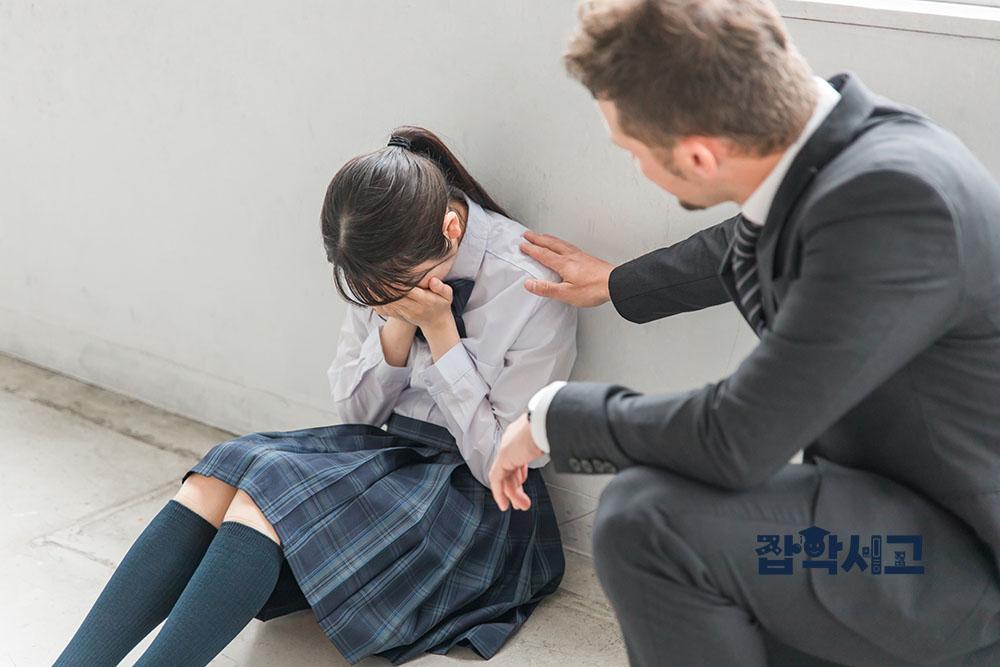 What Policies Identify and Care for Adolescents in Crisis?
Youth welfare policies in South Korea aim to promote adolescents' proper growth and development and, on the premise of collective effort and participation, assign adolescents certain social roles and responsibilities.
At the same time, they support today's adolescents in understanding life and improving their circumstances. Examples of related youth welfare policies in South Korea and their prospects are as follows.
Youth Safety Net
This policy provides services that allow adolescents to receive prompt and effective support when they are in crisis. Examples include the Youth Helpline 1388, the Youth Companion program, youth shelters, and youth internship programs.
These policies continue to expand to address various issues, including adolescents' psychological and emotional problems, living away from home, dropping out of school, and career exploration.
To identify adolescents in crisis early and provide tailored support, information-sharing systems among relevant agencies are being strengthened, and youth safety net teams are being expanded in stages.
Support for Out-of-School Youth
This policy provides learning opportunities and a foundation for independence for adolescents who are no longer attending school. Examples include support centers for out-of-school youth, preparatory classes for school equivalency examinations, and independent living support centers.
These policies continue to expand in response to the trend of rising school dropout rates. In particular, the law has been amended to allow information about adolescents who have dropped out of elementary and middle school during the compulsory education stage to be linked automatically, and rental housing and independent living allowances are being provided as additional support.
To close gaps in support for out-of-school youth, efforts are being made to reduce dropout rates, encourage a return to school, and expand opportunities for vocational education and work experience.
Support for Children and Adolescents from Multicultural Families
This policy provides educational opportunities and a sense of cultural identity for children and adolescents growing up in multicultural families. Examples include educational support projects for children and adolescents from multicultural families and mentoring programs for children and adolescents from multicultural families.
These policies continue to expand in response to the growing proportion of multicultural families. In particular, the range of recipients of educational support projects is being expanded to improve the academic achievement and rates of progression into careers and further education among children and adolescents from multicultural families, and mentoring programs are being run to strengthen the cultural identity of children and adolescents from multicultural families.
Various experiential activities and support for independent living are provided to help children and adolescents from multicultural families develop into future talent.
Youth welfare provides an environment in which adolescents can grow and develop and supports them in fulfilling their roles as responsible members of society.
Youth welfare policies in South Korea respond to adolescents' various needs and challenges, helping them receive a good education, maintain their health, and develop adaptability.
In addition, youth welfare policies are continuously reviewed and developed so that they can adapt to adolescents' changing needs and changes in society.
Looking ahead, youth welfare is expected to continue playing an important role in providing adolescents with better opportunities and improving their well-being.
Through these efforts, adolescents will be able to look forward to a healthier, happier, and more successful future.