Tourism is an activity in which individuals or groups visit other regions or countries for various purposes, such as relaxation, exploration, and education. These activities are largely shaped by tourists' choices and decision-making processes.
Accordingly, understanding tourism behavior and the stages of tourist decision-making is important for laying the groundwork for successful tourism industry operations and marketing strategies.
This material explores the concept and characteristics of tourism behavior and the stages of tourist decision-making, and examines how to understand and predict tourist behavior through a discussion of the factors that determine tourism behavior.
The Concept of Tourism Behavior
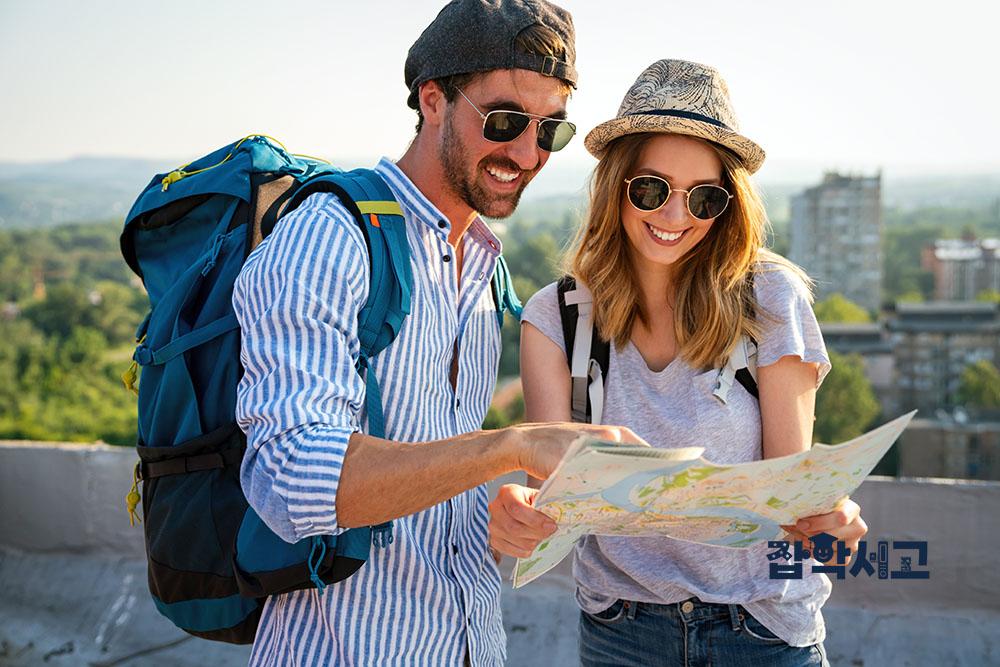 How Will You Enjoy Your Trip?
Tourism behavior refers to the ways people plan and carry out travel or leisure activities. It includes the processes through which people choose destinations, decide which activities to pursue, and evaluate their travel experiences.
Tourism behavior is influenced by various factors, such as individual preferences, expectations, perceptions, and experiences, and these factors shape how people think and act in relation to travel.
From this perspective, tourism behavior includes the following concepts.
Destination Selection: People consider how they choose destinations, what information they seek, and what factors influence their choices.
Travel Planning: People decide how to plan their trips, which resources to use, and which activities to include.
Behavior During Travel: During a trip, people think about how to spend their time, which activities to participate in, and which experiences to seek.
Feedback and Evaluation: After a trip ends, people think about how to evaluate their experiences and what was good or bad.
Understanding tourism behavior in this way is important for those involved in the tourism industry because it helps them develop better marketing strategies, increase customer satisfaction, and better understand travelers' expectations and needs.
Characteristics of Tourism Behavior
 What Features Do Tourists Have?
The characteristics of tourism behavior refer to a set of distinctive patterns or features that emerge as people plan and carry out trips. These can include a variety of elements, and it is useful to know the following key characteristics.
The Influence of Personal and Social Factors
An individual's disposition, values, and social background have a significant influence on tourism behavior. For example, some people may prefer activity-focused trips because they enjoy adventure, while others may travel to relax or gain cultural experiences.
Information Search and Processing
Travelers seek and process a variety of information before making travel plans. This information can include various elements, such as the weather at the destination, costs, amenities, and travel reviews.
The Decision-Making Process
Travelers go through a complex decision-making process to make decisions about destination selection, travel itineraries, accommodations, transportation, and other matters. This process takes into account various factors, such as individual needs, budgets, and time constraints.
Experience and Satisfaction
Travelers gain a sense of satisfaction through their travel experiences, which can influence their future travel plans and choices. Satisfaction is based on various factors, such as the overall quality of the trip, services, and prices.
Repeat Visits and Recommendations
Satisfying travel experiences can encourage people to revisit the same place or recommend it to friends or family.
Cultural Influence
Travelers' cultural backgrounds have a significant influence on their tourism behavior and choices. For example, in some cultures, traveling with family may be considered important.
These characteristics of tourism behavior help tourism industry professionals understand travelers' behavior and expectations and develop more effective marketing strategies based on that understanding.
Stages of Tourist Decision-Making
 How Do They Plan and Evaluate?
When planning and carrying out trips, tourists go through several stages of decision-making. This process helps us understand how travelers make decisions about which destinations to choose, which activities to pursue, which accommodations to select, and other matters.
1. Awareness and Recognition of Needs
This is the stage at which people recognize a need or desire to travel. Everyday stress, vacation time, special events, or advertisements can serve as starting points for this stage.
2. Information Search
Travelers begin looking for information about destinations, prices, weather, activities, and other matters. They can gather information through internet searches, recommendations from friends or family, travel agencies, and other sources.
3. Evaluation and Selection of Alternatives
Based on the information they have gathered, travelers compare and evaluate various options. They make their final decisions about destinations and activities by considering their budgets, time, personal preferences, and other factors.
4. Purchase Decision
Travelers make their final decisions about destinations, accommodations, transportation, and other arrangements, and make reservations. At this stage, price, convenience, and availability play important roles.
5. Carrying Out the Trip
Travelers actually depart on their trips and carry out their planned activities. At this stage, the enjoyment of the trip and satisfaction are important.
6. Evaluation and Feedback
After their trips end, travelers evaluate their travel experiences and review what was good and what was bad. This feedback can influence future travel plans.
These stages can provide important insights for understanding tourists' travel experiences and improving tourism industry services and marketing strategies.
Factors That Determine Tourism Behavior
 Factors That Influence Tourism Decisions
The factors that determine tourism behavior explain which factors influence people's decisions when they plan and carry out trips. Various factors influence tourists' decisions, and these factors are as follows.
Personal Preferences and Values
Individuals' tastes and values have a significant influence on determining which types of travel they prefer and which activities they seek out.
For example, some people may want to enjoy the beauty of nature and choose destinations with rich natural environments, such as mountains or the sea.
Others, by contrast, may be more interested in history or culture and visit cities with historical sites, art galleries, and museums.
Available Budget
The available budget is an important factor that determines the overall quality and scope of a trip. With a sufficient budget, travelers can choose better accommodations, participate in more tourism activities, and enjoy more upscale meals.
By contrast, if their budget is limited, travelers may look for cheaper accommodations, choose free or inexpensive tourism activities, and seek economical dining options to save money.
Time Constraints
Time constraints influence the duration of a trip and the choice of destination. People with short vacations are more likely to choose nearby destinations, while those with longer vacations can choose destinations farther away or plan a variety of activities.
Social Influence
Social influence is based on information or recommendations received from social networks, such as friends, family, colleagues, or social media. This influence can play an important role in travelers' decisions about which destinations to choose or which activities to pursue.
Information and Knowledge
The information and knowledge travelers have help shape their perceptions and expectations of particular destinations. For example, travelers who know about a particular region's culture or history may have a deeper understanding and greater respect when visiting that region.
Climate and Weather
Climate and weather are important factors in travelers' decisions about when and where to travel. For example, someone who prefers warm weather may plan a trip to a tropical region in winter, while in a hot and humid summer, they may instead seek out cool mountain areas or beaches.
Marketing and Advertising
Marketing and advertising can influence travelers' choice of destination and their decisions about when to travel. Advertisements or special discounts offered by travel agencies can encourage travelers to choose particular destinations or motivate them to plan trips.
Previous Experiences
Previous experiences can have a significant influence on future travel decisions. If someone previously visited a city and enjoyed it, they may decide to visit that city again. By contrast, if they had an unpleasant experience, they may avoid that place and look for another destination.
These factors directly and indirectly influence travelers' tourism behavior, and professionals in the travel and tourism industry can develop more effective marketing strategies and increase customer satisfaction by understanding and considering these factors.
Tourism behavior is shaped through various factors and stages, and it has an important influence on the travel decisions of individuals or groups.
We hope this material has helped you understand the various characteristics of tourism behavior and tourists' decision-making processes, and gain insights that support strategic decision-making and marketing activities in the tourism industry.
This understanding is essential for the continued growth and development of the tourism industry and can contribute to providing better tourism experiences and improving tourist satisfaction.