This time, I would like to put together material on the concept and theories of forgetting as a topic in psychology. Everyone can often find themselves forgetting something or struggling to remember it in everyday life, and we will examine the principles behind these common experiences.
I will introduce these ideas under the broad categories of interference theory, decay theory, retrieval failure theory, motivated forgetting, and physical memory impairment, and now examine each concept in turn.
Interference theory
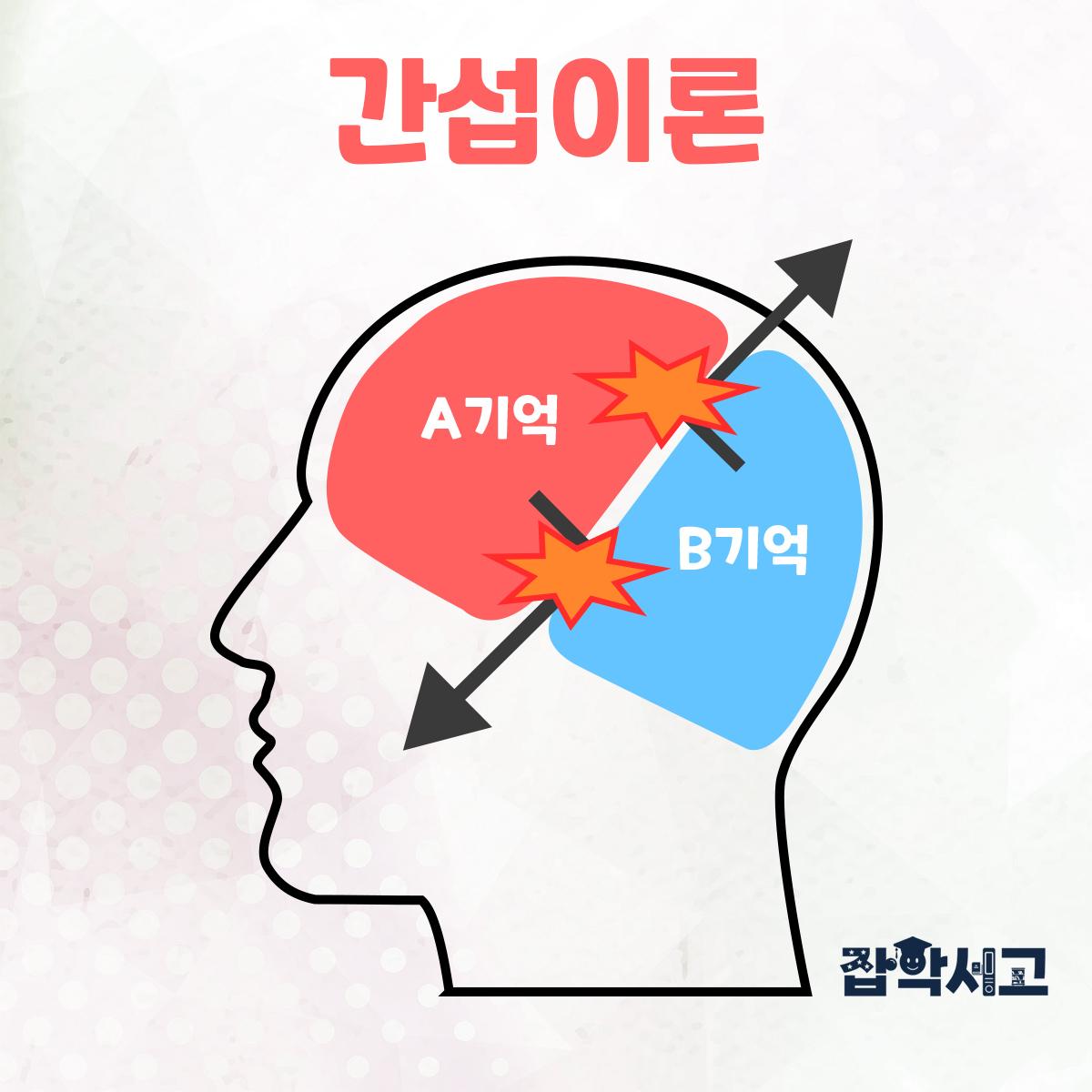 Conceptual illustration of interference theory
Interference theory holds that forgetting occurs when information B interferes with information A that is needed in a given situation. Familiar, previously learned information may interfere with new information, or, as time passes, new information may interfere with older information.
Different pieces of information can also become mixed up, causing information from situation B to be recalled in situation A. An example would be remembering a Chinese word when you need to remember a Japanese word.
Decay theory
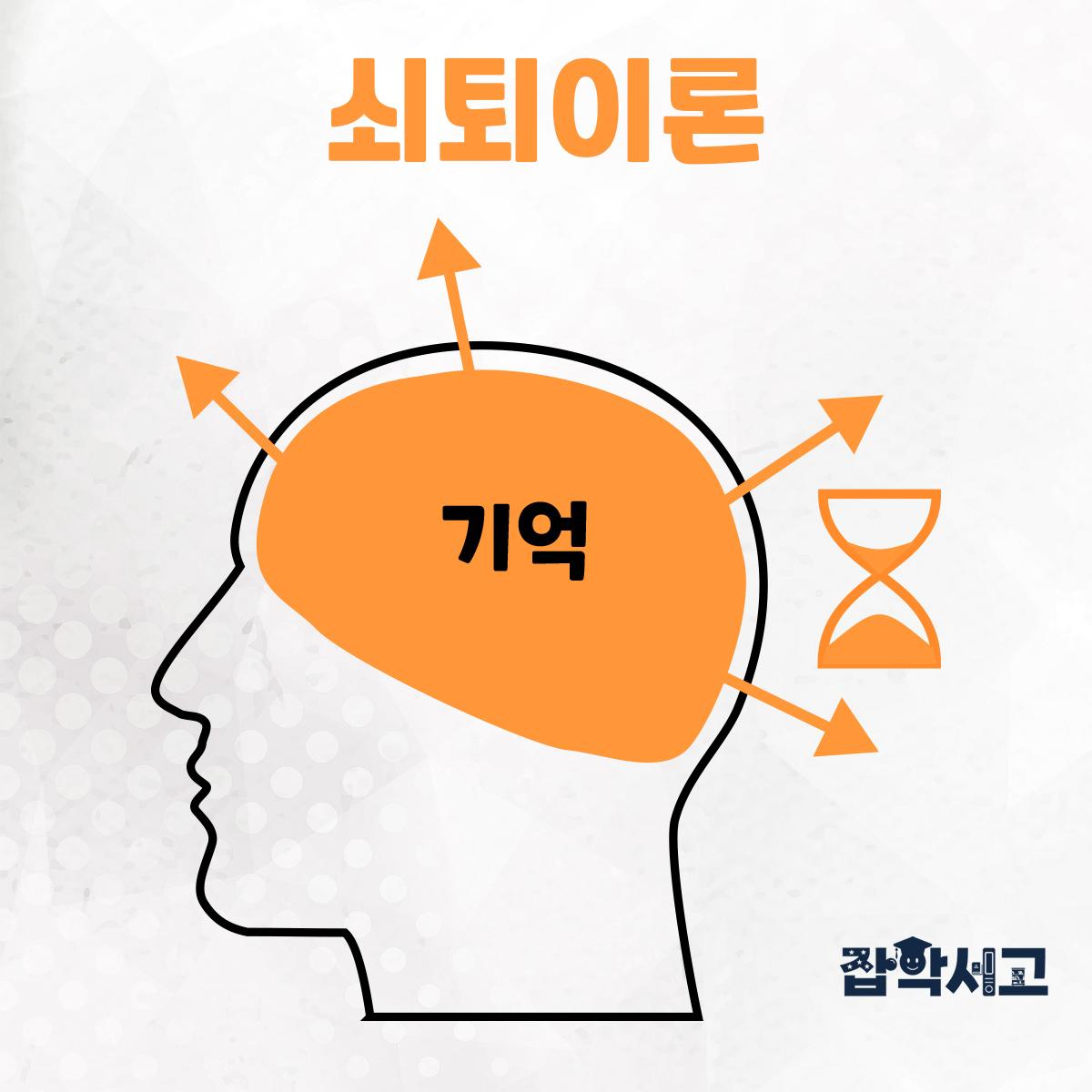 Conceptual illustration of decay theory
Decay theory holds that memories fade as time passes, and that even memories stored in long-term memory can gradually be forgotten if a long time passes without repeated use.
Even a language can be forgotten if it is not used for a long time, and even a skill said to stay with you for life is bound to become hazy if it is never used as time passes.
To give an example from my own experience, I wrote with my right hand for 20 years, from childhood until adulthood, and then switched to writing with my left hand, and now that at least 15 years have passed, I am accustomed only to writing left-handed, so when I actually try to write with my right hand, I get very confused by the left-handed way of forming letters and fumble. I can still do it, but it often feels as though I am buffering.
Retrieval failure theory
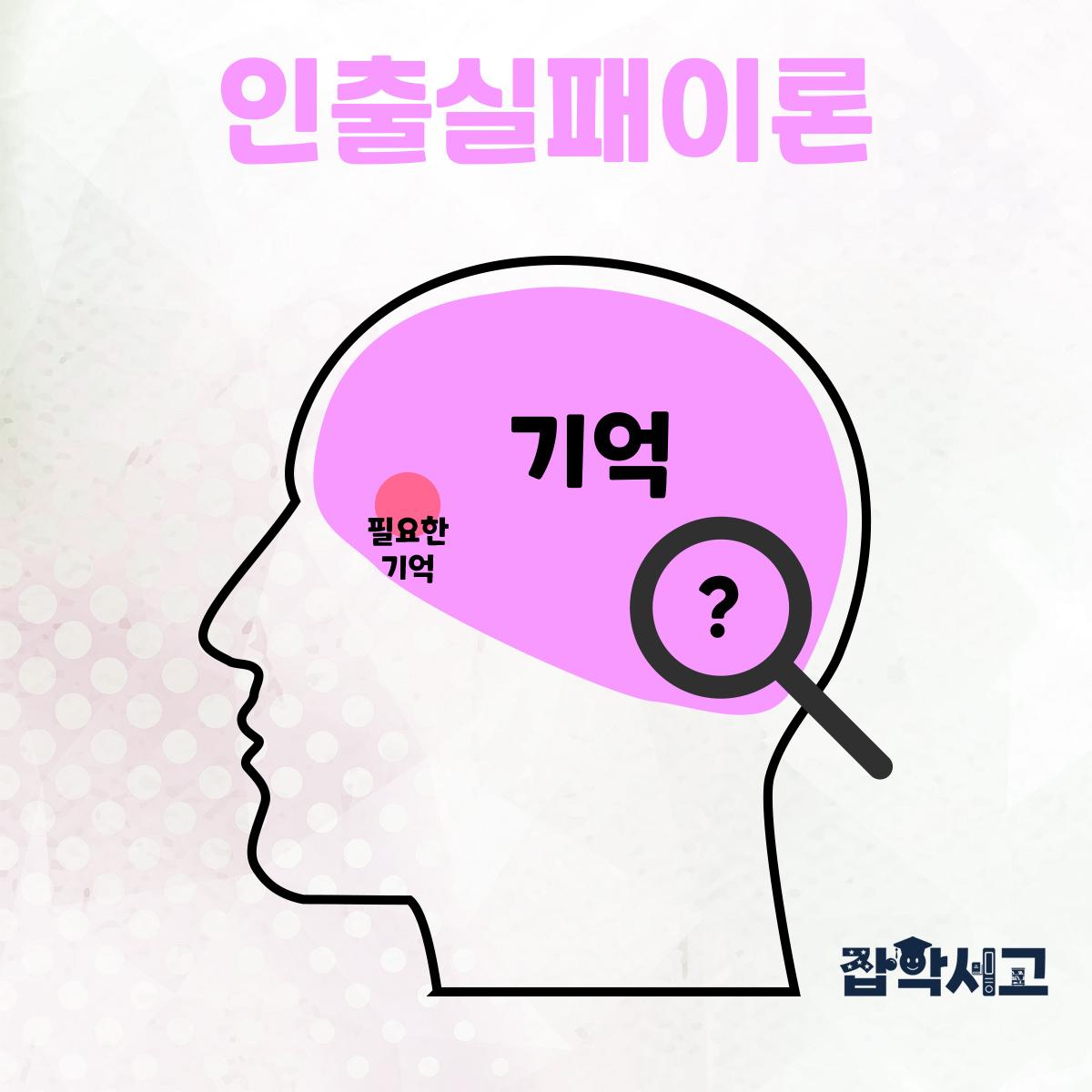 Conceptual illustration of retrieval failure theory
Retrieval failure theory describes a situation in which you clearly know some information but cannot retrieve it properly because you cannot remember where it is in your mind.
Examples therefore include being unable to recall something when you need it, only to remember it later and feel regret, or being unable to remember an anniversary until you see a clue you have marked on a calendar or in a note.
This theory can be understood as the idea that, rather than disappearing completely, a memory is hidden somewhere deep in the mind and can resurface when a similar cue appears or depending on your emotional state.
Motivated forgetting
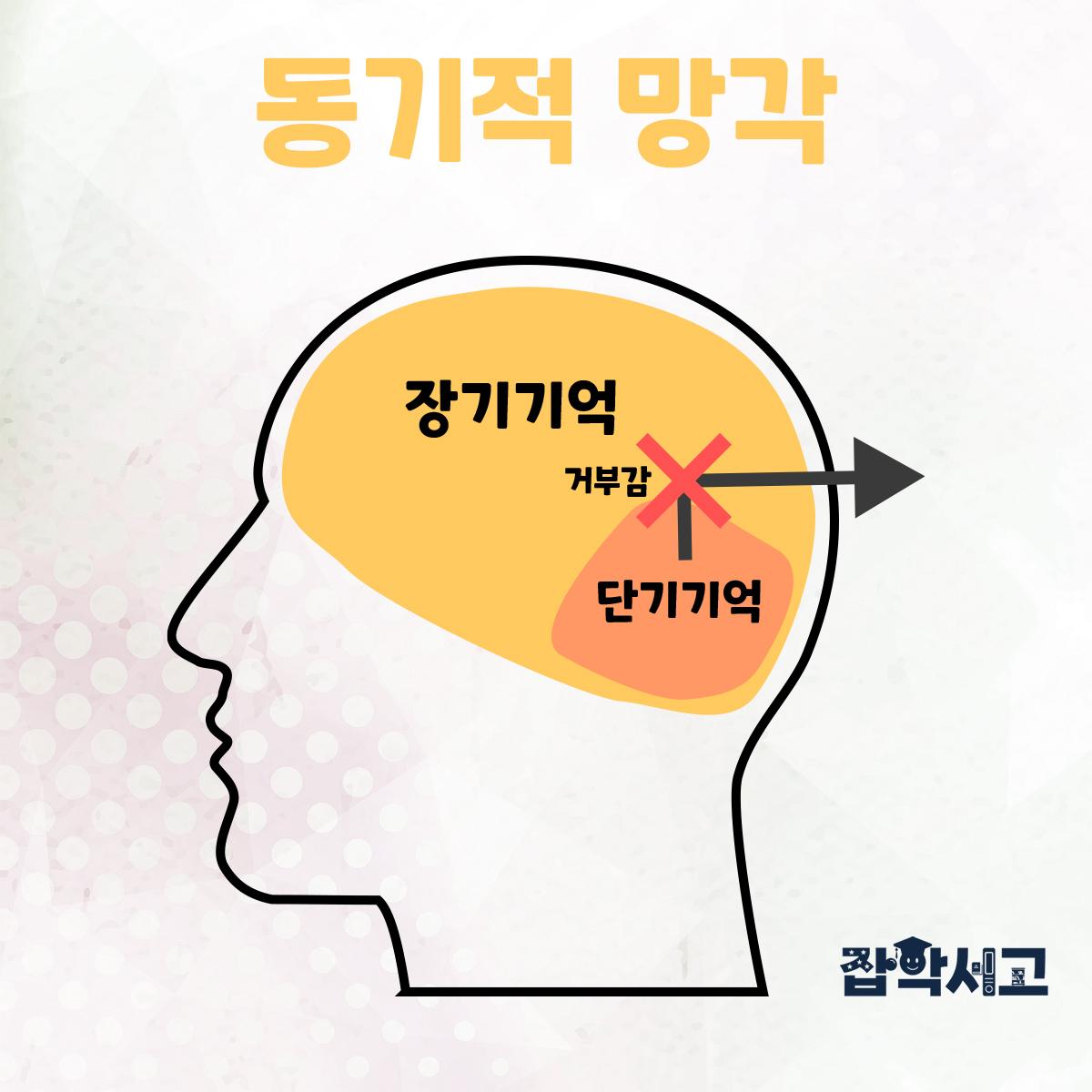 Conceptual illustration of motivated forgetting
Motivated forgetting is the theory that people deliberately forget what they do not want to remember. Examples include making an appointment you are unhappy about and then completely forgetting it as time passes because you have no motivation to remember it, or having a conflict with someone, remembering only what you want to remember, and then, when another conflict arises later, recalling only the memories that favor you, which makes the conflict worse.
Physical memory impairment
 Memory problems caused by physical factors
This differs from the general theories introduced earlier and refers to cases in which memory is damaged by some kind of trauma, aging, or similar causes. Trauma from an accident resulting in amnesia, the destruction of nerve cells in the brain or early symptoms of dementia resulting in forgetfulness, and the frequent occurrence among older adults of dementia(Alzheimer's disease) are typical examples.
This concludes our overview of theories related to forgetting among the concepts covered in psychology. I hope this has given you an opportunity to understand the commonly experienced phenomenon of forgetting through these concepts and to consider how you can remember things well without forgetting them.