
The self (ego) is one of the most important concepts in human psychology and a key element in understanding an individual's identity and self-awareness. The self (ego) goes beyond how individuals perceive themselves; it is a complex process that forms and develops through social interactions and inner conflicts.
This article will explore in depth the definition of the self, the stages of identity formation and their psychological effects, the interaction between the self and social roles, and the complexity of the self.
Defining the Self: Exploring a Fundamental Concept in Human Psychology
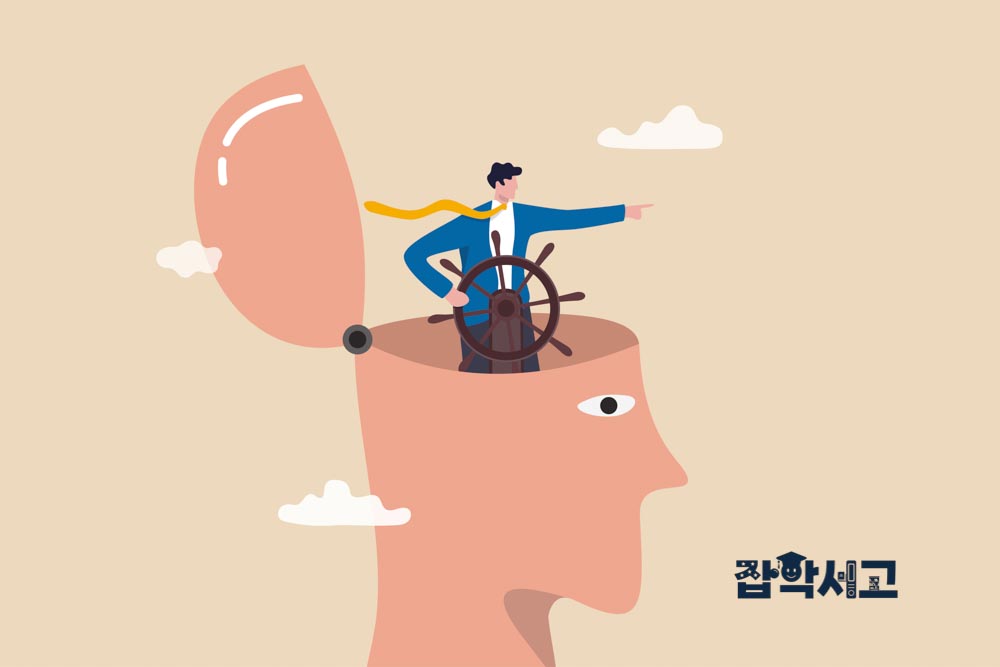
Defining the Self: Exploring a Fundamental Concept in Human Psychology
The self (ego) refers to how individuals perceive and define themselves and plays a very important role in psychology. The self integrates an individual's thoughts, emotions, and behaviors, enabling them to perceive themselves as a single, coherent subject and providing an important foundation for identity formation. This concept has been explored from various perspectives by psychologists such as Freud, Jung, and Lacan, with its definition and role explained somewhat differently according to their respective theories.
Freud's Ego: A Mediator Between Instinct and Morality
Sigmund Freud viewed the ego as a mediator seeking to maintain a balance between the id (Id) and the superego (Superego). The id represents instinctive and impulsive desires, while the superego symbolizes moral standards and social norms. The ego mediates between these opposing forces and, guided by the reality principle, seeks to satisfy desires in realistic ways. According to Freud, the ego finds appropriate compromises between reality and instinct and serves as an important element in regulating an individual's behavior.
Carl Jung's Ego: The Center of Consciousness
Carl Jung viewed the ego as the center of consciousness. According to Jung, the ego is the subject through which individuals interact with the external world and serves to integrate conscious experiences. The ego is an important element in forming an individual's identity and is considered one of the components of the overall personality. Jung described the process through which individuals understand themselves and identify their place within a social context through the ego. This offers important insights into understanding how the ego operates in an individual's life.
Jacques Lacan's Ego: The Imaginary Ego and the Symbolic Ego
Jacques Lacan explained the ego by distinguishing between the imaginary ego and the symbolic ego. The imaginary ego forms during the mirror stage and develops through the process of individuals perceiving themselves as an image reflected in the eyes of others. By contrast, the symbolic ego forms through language and social relationships and strengthens an individual's social identity. In Lacan's view, the ego is always divided and incomplete, continually forming and being reconstructed. This suggests that the ego is a complex structure composed of interactions among various elements rather than a single entity.
The Complexity of the Self: Understanding Human Psychology
Although definitions of the self differ according to each psychologist's perspective, they agree that the self plays an important role in understanding an individual's identity and self-awareness. The self is a key element in determining how individuals understand themselves and interact with the world. Clearly understanding the definition of the self is essential to understanding human psychology, and it directly influences how individuals form their identities, fulfill social roles, and manage inner conflicts.
The Importance of Exploring the Self: Understanding the Complexity of Human Psychology
Exploring the definition and role of the self can be considered the first step toward understanding the complexity of human psychology. The self is not simply a tool for exploring an individual's inner world; it also provides important clues for understanding how individuals interact with society and live their lives. A deep understanding of the self plays an important role in helping individuals live fuller, more meaningful lives, making an understanding of the self's complex structure and psychological effects an important task in human psychology.
Stages of Identity Formation and Their Psychological Effects

Identity formation is a process that develops through the various stages people experience throughout their lives, with each stage having important psychological effects. The process of identity formation is an important factor in determining an individual's self and social roles, and understanding it is essential to understanding the core of human development.
Erik Erikson's Theory of Psychosocial Development
Erik Erikson's theory of psychosocial development is a leading theory that systematically explains the stages of identity formation. According to Erikson, people form their identities through a total of eight major stages. Each stage involves a particular psychosocial conflict, and successfully resolving this conflict enables individuals to develop a positive identity and move on to the next stage. Conversely, failing to resolve the conflict leads to a negative identity or psychological confusion.
Infancy: Trust versus Mistrust
The first stage of identity formation is infancy's 'trust versus mistrust.' At this stage, babies develop a basic sense of trust in the world through their relationship with their primary caregiver. If the caregiver provides consistent and stable care, the baby develops trust in the world. This sense of trust becomes an important foundation for positive interpersonal relationships and identity formation later in life. Conversely, unstable or inconsistent care creates mistrust, making it difficult for the child to develop basic trust in the world.
Adolescence: Identity versus Role Confusion
Adolescence is an important turning point in identity formation and a period in which individuals experience the conflict of 'identity versus role confusion.' At this stage, adolescents strive to form their own identities based on their physical changes, social roles, and values. As they try different roles and beliefs in the search for an identity that suits them, their surroundings, including parents, friends, and school, exert considerable influence. If this process is successful, adolescents develop a clear identity; otherwise, they experience role confusion and an identity crisis.
Early Adulthood: Intimacy versus Isolation
The conflict of 'intimacy versus isolation' arises during early adulthood. This is a period in which individuals form close interpersonal relationships and establish a direction for their lives, and successfully developing intimacy at this stage strengthens a positive identity and self-awareness. Conversely, failure to form close relationships can lead to feelings of isolation and identity confusion. Success or failure at this stage has a major influence on later quality of life and personal satisfaction.
Middle Adulthood: Generativity versus Stagnation
Middle adulthood is the stage of 'generativity versus stagnation,' a period when individuals develop a stronger desire to give their lives meaning and contribute to society. At this stage, individuals evaluate their contributions within the family, workplace, and social roles, and living a productive life is important. When this process is successful, positive self-perception and self-esteem are strengthened. Conversely, if individuals do not feel a sense of accomplishment in their roles, they experience stagnation and helplessness, which can lead to an identity crisis.
Late Adulthood: Ego Integrity versus Despair
Finally, individuals pass through the stage of 'ego integrity versus despair' in late adulthood. At this stage, individuals look back on their lives and make efforts to integrate the self. If they evaluate their lives positively and find meaning in this process, they achieve ego integrity. Conversely, if they regret their lives or have lingering regrets, they experience despair. Ego integrity plays an important role in helping individuals find meaning in life during late adulthood and live out their remaining years with peace of mind.
The Importance of Identity Formation
The process of identity formation is an important factor in determining an individual's self and direction in life, and understanding it is essential to understanding the core of human psychology. Successfully resolving the psychosocial conflicts experienced at each stage of identity formation directly affects an individual's quality of life and happiness. It is therefore very important to understand the stages of identity formation in depth and use this understanding to support one's own development and that of others.
The Self and Social Roles: The Importance of Interaction

The self is a concept deeply connected not only to an individual's inner perceptions but also to social roles. Social roles refer to how individuals fulfill particular positions or responsibilities within society, and they have an important influence on the formation of the self and identity. The interaction between social roles and the self is a key element in determining how individuals perceive themselves and interact with others.
The Formation of Social Roles and Self-Perception
Social roles form in various social settings, including the family, school, and workplace. For example, when individuals fulfill the role of a parent, that role influences various aspects of their lives, including their self-perception, relationships with their children, and position within the family. Parental responsibilities and the fulfillment of this role can strengthen an individual's self, but they can sometimes also create conflicts between the self and the role. This varies according to how individuals perceive themselves and how positively they accept their roles.
Social Roles at Work and Self-Esteem
Social roles are also highly significant in the workplace. Fulfilling roles at work contributes to greater self-efficacy and self-esteem, positively influencing an individual's overall self-perception. For example, success and achievements at work strengthen self-esteem and foster a positive perception of one's abilities. Conversely, failures or setbacks at work can lower self-esteem and lead to identity confusion. These experiences deeply influence the formation of an individual's self and demonstrate the importance of the interaction between social roles and the self.
Social Roles in a Cultural Context
Social roles are also deeply connected to cultural context. Each society and culture assigns particular roles and expectations to individuals, significantly influencing the formation of the self. For example, in certain cultures, family expectations and demands carry considerable weight, greatly influencing an individual's self-perception and identity formation. Cultural background and social norms are important factors in determining which roles individuals will fulfill and how they will accept those roles.
The Interaction Between Social Support and the Self
The interaction between the self and social roles is also closely connected to social support systems. Social support from family, friends, colleagues, and others strengthens an individual's self-perception and helps them view themselves positively even in difficult circumstances. Such social support increases self-esteem and plays an important role in the formation of the self. Conversely, insufficient social support can make self-perception more negative, adversely affecting an individual's identity and self-esteem.
The Effects of the Interaction Between the Self and Social Roles
In conclusion, the interaction between the self and social roles is a very important element in an individual's life. Through social roles, individuals recognize their own self, establish a social position, and build relationships with others. These processes play a central role in the overall formation of the self and identity. A deep understanding of the interaction between the self and social roles has an important influence on psychological stability and social adjustment, helping individuals live fuller, more meaningful lives.
The Complexity of the Self: Inner Conflict and Self-Integration

The human self has an inherently complex structure, which often manifests as inner conflict. Inner conflict arises when opposing desires or values clash within the self, significantly influencing an individual's identity formation. Self-integration occurs in the process of resolving these conflicts, enabling individuals to develop a more coherent self.
Types and Effects of Inner Conflict
Inner conflict can take various forms, with conflicts between work and family and between personal desires and social expectations serving as representative examples. Conflicts arising from efforts to balance work and family place a psychological burden on individuals, causing clashes within the self. Inner conflict also arises when personal desires clash with social norms, significantly influencing the formation of the self. If these conflicts are not resolved appropriately, the self becomes confused, potentially leading to identity confusion.
The Importance and Process of Self-Integration
Self-integration is the process of managing inner conflicts and integrating opposing elements into a coherent self. It is an important step in understanding the complexity of the self and harmonizing different desires and values. When self-integration is successful, individuals develop a more stable and positive self-perception. This allows individuals to perceive themselves as an integrated being and helps them maintain consistent attitudes across different aspects of life.
The Relationship Between Self-Integration and Psychological Health
Inner conflict and self-integration are also closely connected to psychological health. People who successfully achieve self-integration have high self-esteem and self-efficacy, which enhance their overall sense of mental stability and happiness. This psychological health positively influences interpersonal relationships, working life, and overall life satisfaction. Conversely, people who have not successfully achieved self-integration are more likely to experience various mental health problems, including anxiety and depression. This demonstrates the importance of fully understanding the complexity of the self and resolving conflicts harmoniously.
The Complexity of the Self and Cultural Context
The complexity of the self also manifests differently depending on cultural and social contexts. In certain cultures, self-integration may be more difficult or, conversely, easier to achieve. For example, in individualistic cultures, self-integration focuses on an individual's independence and autonomy, whereas in collectivist cultures, social harmony and a sense of belonging serve as important elements in self-integration. These cultural differences affect the process and outcomes of self-integration and become important variables in an individual's self-perception and identity formation.
The Nature of Self-Complexity and the Role of Human Psychology
In conclusion, the complexity of the self is an inherent characteristic of human psychology. Inner conflict and self-integration are important elements in the formation of the self, enabling individuals to maintain their identities more consistently and stably. Understanding the complexity of the self and the process of managing it is a central research topic in human psychology and plays an essential role in helping individuals live fuller, more meaningful lives. This understanding provides an important foundation for maintaining psychological health and improving quality of life.
The self is an important concept in human psychology and a key element in understanding an individual's identity and self-awareness. The self goes beyond how individuals perceive themselves, forming and developing through social interactions and inner conflicts.
Exploring the definition of the self, the stages of identity formation and their psychological effects, the interaction between the self and social roles, and the complexity of the self is essential to understanding the complexity of human psychology. A deep understanding of the self will play an important role in helping individuals live fuller, more meaningful lives.