Anger is one of the most powerful and primal emotions humans can experience. This emotion is shaped in complex ways by biological, psychological, and social factors, and it affects our lives in various ways.
This article aims to provide an in-depth analysis of the definition and causes of anger, related psychological theories, emotion regulation techniques, and its social effects.
Defining Anger: The Psychological Foundations of Emotional Outbursts
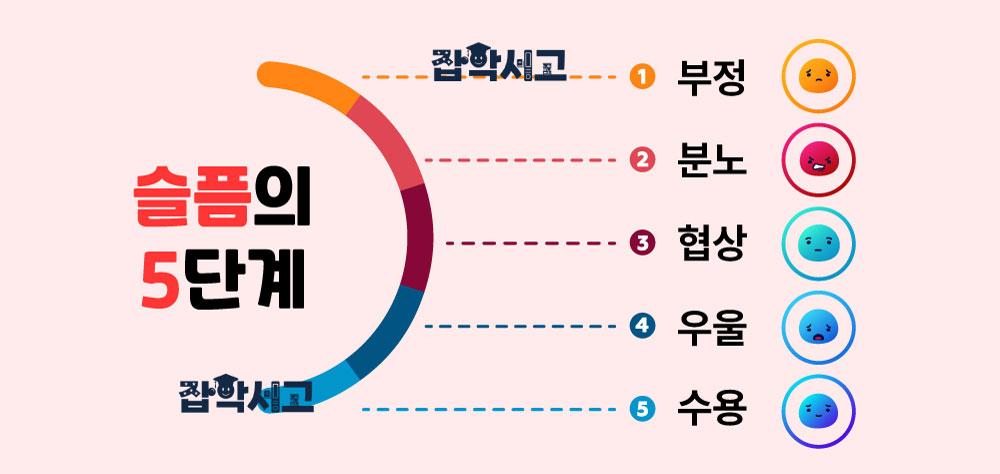 The 5-Stage Grieving Process That Passes Through Anger
The Nature of Anger
Anger is an intense emotion humans experience in response to external stimuli or internal conflicts. It primarily arises from threats, unfair treatment, frustration, and similar experiences, and physiologically, it stimulates the release of stress hormones such as adrenaline. These hormones rapidly prepare the body and prompt immediate action.
The Evolutionary Significance of Anger
From an evolutionary perspective, anger is an important emotion for survival. It enables humans to respond quickly when faced with threats, protect their rights, and secure resources. In modern society, however, these instinctive reactions can instead lead to negative consequences.
The Psychological Stages of Anger
Psychologically, anger can be divided into several stages.
- Cognitive appraisal: The first stage is the cognitive appraisal of a stimulus. At this stage, we analyze the situation, and emotions take shape according to the results of that analysis.
- Physiological response: The second stage is the physiological response. This primarily manifests as changes in the nervous and hormonal systems.
- Behavioral response: Finally, the third stage is the behavioral response. This can take the form of shouting, throwing objects, violence, and other behaviors.
Anger as a Complex Emotion
Anger can also combine with various other emotions. For example, anger combined with fear often triggers aggressive behavior, while anger combined with sadness can worsen depression. These complex emotional states add to the complexity of anger.
Anger That Sparks Positive Change
Anger can sometimes spark positive change. For example, anger at social injustice can spark social movements that bring about improvements. However, if this anger is persistent and excessive, it can negatively affect an individual's mental health and social relationships.
Cultural Differences in Anger
Finally, anger can be expressed differently across cultures. In some cultures, expressing anger publicly is taboo, while in others, it is regarded as a legitimate expression of emotion. Cultural background must therefore also be considered when seeking to understand and manage anger.
Learning how to manage anger effectively is essential for an individual's mental and physical health, as well as for maintaining social relationships. Various approaches, including psychological training, meditation, and counseling, can be used for this purpose.
Psychological Theories Related to Anger
 Understanding How Anger Works Through Psychological Theories
Cognitive Appraisal Theory
Cognitive appraisal theory explains that emotions, including anger, arise from an individual's cognitive appraisal of a stimulus. In other words, anger can be triggered depending on how a person interprets and evaluates a particular situation. For example, if you judge someone's behavior to be a deliberate attempt to harm you, anger is more likely to arise. This theory emphasizes the influence of an individual's thoughts and beliefs on emotions.
Provocation-Response Theory
Provocation-response theory explains that anger arises as a response to a specific provocation. Here, provocation primarily refers to events or behaviors perceived as threatening or unfair. For example, provocations such as insulting remarks or physical attacks can elicit strong anger responses. This theory emphasizes the direct relationship between stimulus and response.
Emotional Suppression Theory
Emotional suppression theory explains that when people try to suppress anger because of social norms or personal beliefs, the emotion can become more intense. Suppressed anger can accumulate over time and lead to explosive reactions. This theory therefore emphasizes the importance of expressing emotions in healthy ways.
Aggression Theory
Aggression theory explains that anger can lead to aggressive behavior. Anger can be expressed through physical or verbal violence, which is primarily understood as an instinctive response aimed at defending oneself or securing resources. This theory addresses the close relationship between anger and aggression.
Social Learning Theory
Social learning theory explains that anger and aggression are learned through observation and imitation. During childhood, people can learn ways of expressing anger from their parents or peers, and these patterns can persist into adulthood. This theory emphasizes the influence of environmental factors on the expression of anger.
Physiological Response Theory
Physiological response theory explains that anger arises from changes in the nervous and hormonal systems. When anger is triggered, stress hormones such as adrenaline are released, causing physiological changes such as an increased heart rate and muscle tension. This theory emphasizes the biological foundations of anger.
These various psychological theories offer different approaches to understanding the complexity of anger and managing it effectively. Each theory sheds light on a particular aspect of anger, providing insights and strategies needed to deal with it.
The Causes of Anger: Internal Conflicts and External Stimuli
 What Causes Anger?
Internal Conflicts
The causes of anger are diverse and can primarily be divided into internal conflicts and external stimuli. Internal conflicts mainly arise from an individual's psychological state, past experiences, values, and similar factors. For example, someone with low self-esteem may feel intense anger even in response to minor criticism.
Past Trauma
Past trauma is also an important cause of anger. Negative experiences such as childhood abuse or school violence can continue to affect people into adulthood, and these experiences can manifest as anger. This mainly occurs at an unconscious level and functions as an ego defense mechanism.
External Stimuli
External stimuli mainly arise from environmental factors. These include stimuli commonly encountered in everyday life, such as workplace stress, traffic congestion, and unpleasant noise. Such stimuli test an individual's patience and, when they accumulate, can lead to explosive anger.
Social Factors
Social factors also have a significant influence on anger. For example, social inequality or discrimination can cause individuals to feel deep frustration, which can be expressed as anger. Economic instability and political dissatisfaction, in particular, are major factors that trigger social anger.
Biological Factors
The causes of anger can also be found in biological factors. Genetic factors, structural differences in the brain, and hormonal imbalances are among the factors that can make anger easier to trigger. For example, people with high testosterone levels may experience anger more frequently and more intensely.
The Transformation of Emotions
Finally, anger can often appear as an expression of other emotions. For example, fear or anxiety can be transformed into anger. This mainly functions as an unconscious mechanism for protecting oneself, and such emotional transformations further increase the complexity of anger.
Emotion Regulation Techniques: Key Strategies for Anger Management
 How Can We Manage Our Emotions and Regulate Anger?
Avoiding Immediate Reactions
Emotion regulation techniques play an important role in effectively managing and controlling anger. First, it is important to avoid reacting immediately when you feel angry. To do this, you can use simple techniques such as deep breathing or counting for 10 seconds.
Finding Psychological Stability
Meditation and yoga are also effective ways to find psychological stability. These activities promote physical and mental relaxation, helping to calm anger. Meditation, in particular, is very helpful for finding peace of mind and allows you to view your anger objectively.
Constructive Expression of Emotions
The way anger is expressed also matters. It is better to choose to express emotions through constructive conversation or writing rather than in violent or aggressive ways. For example, keeping a journal or talking with a friend can be effective. This helps you release emotions while maintaining your relationships with others.
Appropriate Exercise
Appropriate exercise is also very helpful for regulating anger. Physical activity reduces stress and improves mood by stimulating the release of endorphins. Regular exercise, in particular, relieves everyday stress and is effective in preventing anger.
Professional Help
Seeking professional help is another important strategy. Through psychotherapy or counseling, you can identify the causes of anger and learn appropriate ways to cope. This is especially effective when you experience persistent and intense anger.
Building a Support Network
Receiving support from the people around you is also an important strategy. Talking with trusted people, such as family members, friends, and colleagues, is very helpful for releasing emotions. This provides psychological support and allows you to manage anger in healthier ways.
Increasing Self-Awareness
Finally, it is important to increase self-awareness. Understanding when and why you feel angry is the first step toward managing anger effectively. Keeping an emotion journal or taking time to reflect on your day can help with this.
Social Effects: How Anger Affects Human Relationships
 What Effects Does Anger Have?
Conflict in Human Relationships
Anger affects human relationships in various ways. First, relationships in which anger occurs frequently tend to have more conflict, which can reduce trust and affection. This applies to all human relationships, including those with family members, friends, and colleagues.
Disruption of Communication
Anger can also interfere with communication. When people are angry, rational and levelheaded conversation becomes difficult, which can lead to misunderstandings and conflict. In particular, when anger becomes involved in making important decisions, it can lead to negative consequences in the long term.
Effects in the Workplace
Anger also has a significant effect on the workplace atmosphere. Supervisors or colleagues who frequently express anger can lower the morale of the entire team, which can lead to reduced productivity and lower job satisfaction. Anger also damages relationships of trust in the workplace, negatively affecting collaboration and the progress of projects.
Social Instability
Social anger can cause larger problems. For example, social inequality or political dissatisfaction can lead to collective anger, which can manifest as protests or riots. This threatens the stability of society as a whole and can lead to economic and political unrest.
Mental Health Problems
Anger also negatively affects an individual's mental health. Persistent anger increases stress, which can lead to mental health problems such as depression or anxiety disorders. These mental health problems, in turn, negatively affect human relationships, and the vicious cycle can repeat.
Social Support and Anger Management
Social support is an important factor in helping people manage anger. Positive interactions with friends, family members, and colleagues reduce anger and provide emotional support. This mitigates the negative effects of anger and helps maintain healthier human relationships.
Effects on Parenting
Finally, anger also has a significant effect on parenting. Parents' anger negatively affects their children, which can lead to negative outcomes for children's emotional development and the formation of social relationships. It is therefore very important to regulate anger in front of children.
Anger is a natural emotion that anyone can experience, but how it is managed and expressed can make a significant difference to individuals' lives and society.
In this article, we have explored in depth the definition and causes of anger, related psychological theories, emotion regulation techniques, and its social effects. We hope that continued analysis of this kind will help us manage emotions better and maintain healthy social relationships.