Empathy is an essential element in forming and maintaining relationships with others. Empathy goes beyond simple understanding: it is the ability to share another person's emotions and view a situation from their perspective.
This article explores the psychology and effects of empathy in depth, seeking to uncover the secrets of human relationships.
The Psychology of Empathy: The Hidden Force Behind Human Relationships
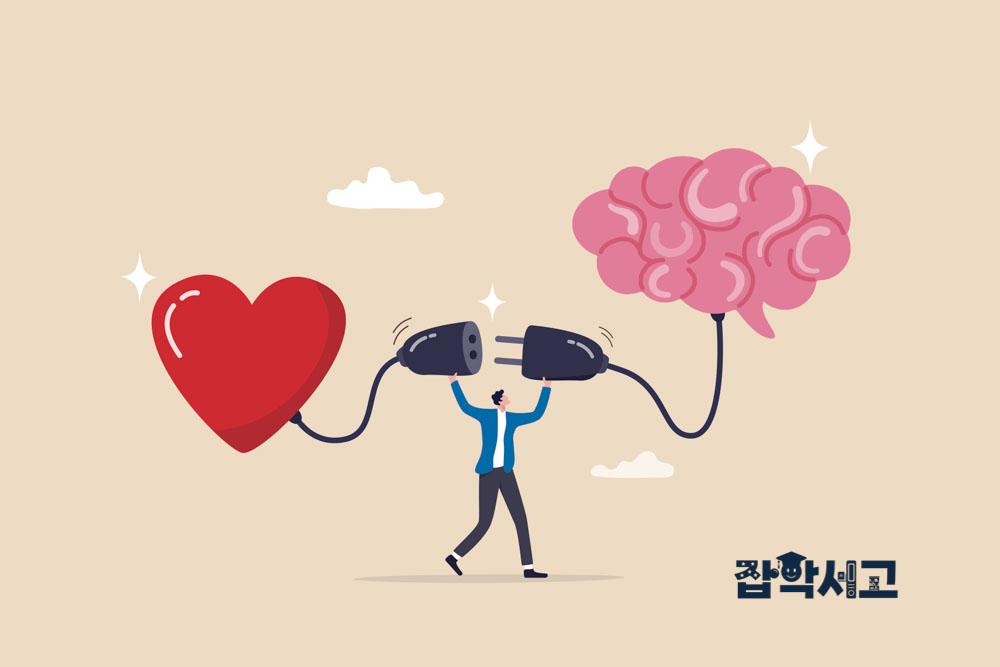 What Is Empathy?
The Definition and Foundations of Empathy
Empathy is the human ability to understand and share the emotions of others, allowing us to form deeper human relationships. The psychological foundations of empathy are deeply rooted in the structure and function of the human brain.
The Role of Mirror Neurons
According to research, the human brain contains cells called mirror neurons, which become activated when we observe another person's actions as though we were performing the same actions ourselves. This allows us to feel another person's pain or joy as if it were our own.
The Development of Empathy
The capacity for empathy begins to develop in childhood and plays an important role in relationships with parents. When parents understand and empathize with their children's emotions, children learn to recognize and empathize with the emotions of others. This process provides an important foundation for forming and maintaining social relationships in adulthood.
Social Intelligence and Empathy
Empathy is considered an important component of social intelligence. Social intelligence refers to the ability to act successfully in interactions with others, and it plays an important role in various social settings, including workplaces, schools, and homes. People with strong empathy skills can understand others' emotions well and respond appropriately, allowing them to form harmonious human relationships.
The Logical Aspects of Empathy
Empathy is important beyond its emotional aspects. It is also a logical and cognitive process. For example, understanding another person's situation and considering their perspective are important parts of empathy. This improves problem-solving skills and strengthens the ability to mediate in situations of conflict.
The Relationship Between Survival and Empathy
Finally, empathy is also closely related to human survival. Humans are inherently social animals, and cooperation with others plays a crucial role in survival. Empathy forms the foundation of this cooperation and serves as an essential element in sustaining communities. Thus, empathy is deeply rooted in our lives as the hidden force behind human relationships.
Psychological Perspectives on Empathy
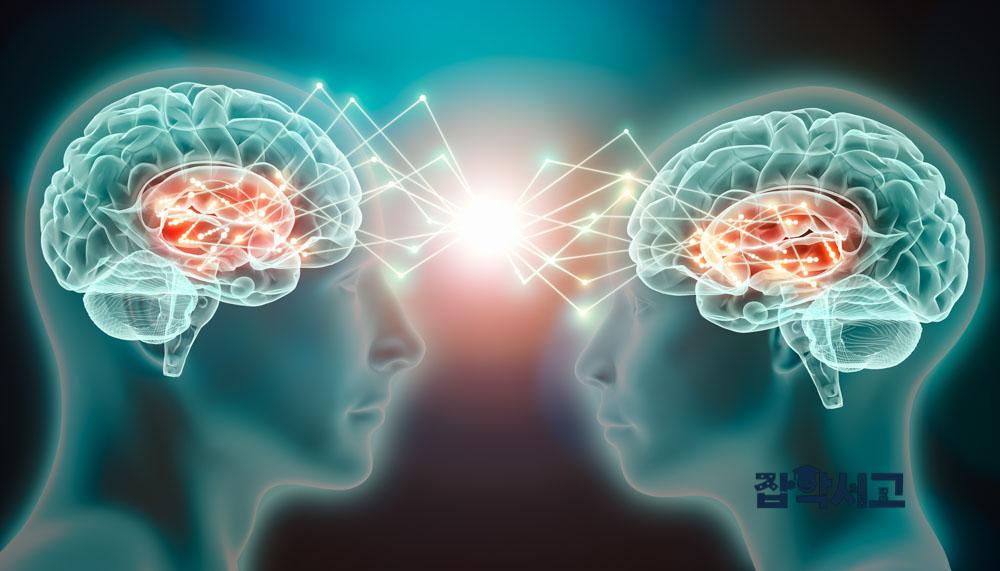 How Is Empathy Viewed from a Psychological Perspective?
Definition and Concept
Empathy is defined as the ability to understand and share another person's emotions. It includes both an emotional response and cognitive understanding, and refers to the process of feeling another person's experiences from their perspective.
Mirror Neuron Theory
One important theory that explains the foundations of empathy is mirror neuron theory. According to this theory, the human brain contains specific cells called mirror neurons, which become activated when we observe another person's actions. These neurons play an important role in our ability to feel and understand other people's emotions.
Cognitive Empathy and Emotional Empathy
Empathy can be divided into cognitive empathy and emotional empathy. Cognitive empathy refers to the ability to understand another person's perspective and infer their thoughts. Emotional empathy, on the other hand, refers to the ability to actually feel another person's emotions and respond to their emotional state. These two forms of empathy complement each other and together form the overall capacity for empathy.
Developmental Stage Theory
The capacity for empathy is understood to develop as humans grow. Developmental psychologists such as Piaget studied how empathy changes and matures from childhood through adulthood. Emotional empathy primarily develops in the early stages, while cognitive empathy develops alongside it as people grow older.
Social Learning Theory
Empathy can also be explained as a result of social learning. According to Bandura's social learning theory, we learn empathy through parents, friends, and social role models. Through this process, we learn how to recognize and respond to others' emotions, and this learning is reinforced by the social environments to which we belong.
A Neuroscientific Approach
Recent neuroscientific research has identified specific areas of the brain associated with empathy. For example, the frontal and parietal lobes play important roles in empathy, and these brain regions are active during complex social interactions. Such research provides important clues for understanding the neural mechanisms of empathy.
An Evolutionary Perspective
Empathy is also given considerable importance from an evolutionary perspective. Empathy plays an essential role in enabling humans to survive and thrive as social animals. Through empathy, we can cooperate with others and live harmoniously within groups. This is consistent with the evolutionary explanation that our ancestors increased their chances of survival through cooperation.
In this way, psychological theories of empathy address its various aspects and help us understand its complex nature.
The Effects of Empathy: The Key to Genuine Communication
 What Are the Effects of Empathy?
The Role and Importance of Empathy
Empathy is the key to genuine communication and has positive effects on both individuals and society. People with strong empathy skills can engage in deeper conversations, strengthening trust and bonds with others. This kind of communication plays an important role in individual lives as well as in the development of society as a whole.
Empathy and Personal Growth
Empathy plays an important role in personal growth and development. People with strong empathy skills can better understand and manage their own emotions and those of others, allowing them to form more positive and healthy interpersonal relationships. This enhances their emotional stability and sense of satisfaction.
Empathy and Leadership
Empathy is a core element of leadership. Leaders with strong empathy skills can understand their team members' emotions and use this understanding to communicate more effectively and make decisions. This improves organizational performance and increases team members' satisfaction and engagement with their work. Empathetic leadership also strengthens trust and cooperation within an organization.
Empathy in Conflict Resolution
Empathy plays a particularly important role in situations of conflict. Applying empathy in a conflict allows us to understand the other person's position and use that understanding to resolve the problem peacefully. This helps minimize conflict and find more sustainable solutions. For example, in a workplace conflict, a manager with strong empathy skills can understand employees' grievances well and use this understanding to seek more effective solutions.
Empathy and Building Trust
Empathy also plays an important role in building trust. People feel greater trust in those who understand and empathize with them. This is an important factor in both personal and business relationships. Trust encourages cooperation and collaboration, contributing to greater organizational success and performance.
Social Support and Empathy
Empathy helps strengthen social support. Social support helps individuals cope better in stressful situations. People with strong empathy skills can receive more support in their relationships with friends, family, and colleagues, contributing to an improvement in their overall quality of life.
Empathy in Educational Settings
Empathy also plays an important role in educational settings. When teachers understand and empathize with students' emotions, students can feel more motivated to learn and experience a sense of achievement. This improves the quality of education and has an important influence on students' holistic development.
Empathy and Solving Social Problems
Empathy also plays a major role in solving social problems. For example, people who empathize with issues of social inequality or discrimination are more likely to work toward finding better solutions. This contributes greatly to promoting development and peace throughout society.
Mental Health and Empathy
Empathy also has a positive effect on mental health. People with strong empathy skills experience more positive emotions, which helps reduce stress and improve mental health.
Thus, empathy is the key to genuine communication and plays an important role for both individuals and society. Empathy is an important ability that facilitates communication between individuals, promotes development and peace throughout society, and has positive effects on mental health.
Ways to Practice Empathy: Examples of Everyday Applications
 How Can We Practice Empathy in Everyday Life?
Active Listening
The first way to practice empathy is active listening. Listening carefully to what another person says and making an effort to understand their emotions are the starting point of empathy. This means going beyond simply hearing their words to feeling and empathizing with their emotions.
Nonverbal Communication
Second, nonverbal communication is important. You can express empathy to another person through nonverbal expressions such as eye contact, nodding, and smiling. This kind of nonverbal communication is effective in conveying emotions that are difficult to express in words.
Empathy Through Questions
The third method is to express empathy through questions. Asking questions to understand another person's emotions more deeply is an important element of empathy. For example, asking a question such as "How are you feeling right now?" can help you better understand the other person's emotions.
Using Empathetic Language
The fourth method is to use language that expresses empathy. For example, you can show empathy to another person through an expression such as "I really empathize with what you're saying." This makes the other person feel understood and helps build deeper trust.
Empathy Through Self-Reflection
The fifth method is to practice empathy through self-reflection. Recognizing your own emotions can help you better understand the emotions of others. This plays an important role in improving your capacity for empathy.
Empathy Training Programs
Finally, one of the various ways to practice empathy is to participate in an empathy training program. These programs teach a variety of skills and methods to improve the capacity for empathy, providing substantial help in practicing empathy in everyday life.
Through these methods, we can practice more empathy and form healthier human relationships. Small acts in everyday life can come together to bring about significant change.
Empathy goes beyond simply sharing emotions: it is an important element that adds depth to human relationships and improves the quality of society. This article has examined the psychological foundations of empathy and related theories, its effects, and ways to practice it.
We hope that practicing empathy in our daily lives will help us form better human relationships and build a better society.