In modern society, conflict is an unavoidable reality. Various forms of conflict exist, including friction between individuals, disputes within organizations, and clashes between countries, and resolving them requires a multifaceted approach.
This article aims to explore ways to understand and resolve conflict within families, workplaces, and society as a whole by examining causes such as resource allocation, generational differences, communication problems, and economic inequality, as well as psychological approaches.
The Nature of Conflict: Exploring Causes and Solutions
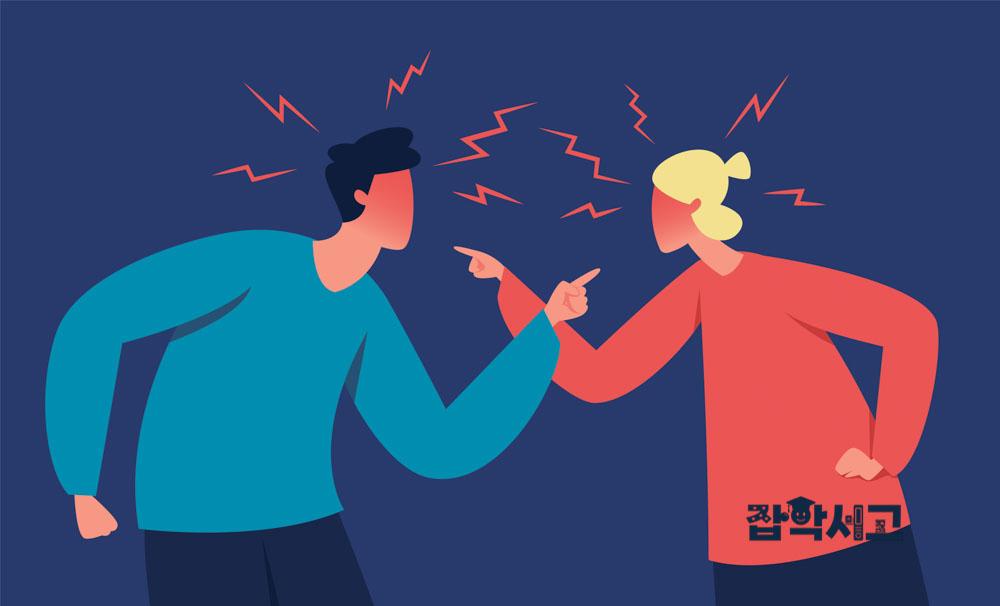 What causes conflict, and how can it be resolved?
Conflict arises from differences in interests or values between individuals, groups, or countries. These differences are often further amplified by misunderstandings or incorrect information, leading to escalating conflict. To understand the nature of conflict, it is important to analyze its underlying causes.
Differences in Resource Allocation
The first cause involves differences in resource allocation. For example, competition over limited resources can cause conflict between individuals or groups. These resources include time, money, and power. The unequal allocation of resources is a major cause of conflict, and resolving it requires fair and efficient resource distribution.
Differences in Values
The second cause is differences in values. Each individual or group has a unique set of values and a belief system, and these differences can trigger conflict. Religious, political, and cultural differences are particularly significant causes of conflict. An attitude of respect and understanding toward these differences in values plays an important role in resolving conflict.
Communication Problems
The third cause is communication problems. A lack of communication or distorted communication can worsen conflict. Misinterpreting another person's intentions or misunderstandings that arise during communication are significant factors in conflict. Effective communication is needed to reduce misunderstandings and promote mutual understanding.
The Importance of Conflict Resolution
To seek solutions to conflict, it is necessary to identify these causes accurately and engage in dialogue grounded in mutual understanding and respect. It is important to resolve problems through constructive dialogue and make an effort to understand each other's positions.
The Role of Mediation and Conciliation
One of the main strategies for resolving conflict is compromise through mediation or conciliation. The process in which a neutral 3rd party intervenes, facilitates dialogue between the parties in conflict, and seeks a fair solution can be a great help in resolving conflict. Mediators provide an impartial perspective and help the parties in conflict find cooperative solutions.
Prevention and Education
Education and training are important for preventing conflict. Potential conflicts can be reduced by learning conflict management skills and through educational programs that emphasize understanding and cooperation. In addition, both individuals and groups must develop their ability to resolve conflict constructively through continuous learning and reflection.
Understanding the causes of conflict and their solutions and putting this understanding into practice is a complex process, but it can help build peaceful and cooperative relationships.
The Inner Workings of Conflict Through Psychology
 How can conflict be viewed from a psychological perspective?
The psychological aspects of conflict play an important role in understanding individuals' psychological responses and behavioral patterns. Conflict is deeply connected not only to external factors but also to individuals' internal psychological states.
The Psychological Foundations of Conflict
Conflict often arises from individuals' basic psychological needs. These needs include safety, respect, and self-actualization. When these needs are not met, individuals experience emotions such as anxiety, frustration, and anger, which can lead to conflict.
Defense Mechanisms and Conflict
In conflict situations, people often use defense mechanisms to protect themselves emotionally. Defense mechanisms can take various forms, including denial, projection, and rationalization. These defense mechanisms may temporarily ease conflict, but they can make problem-solving more difficult in the long term.
Cognitive Distortions and Conflict
Cognitive distortions frequently occur in conflict situations. Cognitive distortions are errors in thinking that lead people to interpret situations irrationally. Examples include black-and-white thinking, overgeneralization, and personalization. Such distorted thinking worsens conflict and makes mutual understanding more difficult.
The Importance of Emotional Regulation
Emotional regulation is important for resolving conflict. Emotional regulation refers to an individual's ability to recognize and effectively manage their emotions. Appropriate emotional regulation enables rational dialogue in conflict situations and has a positive influence on problem-solving.
Empathy and Conflict Resolution
Empathy is an important element in conflict resolution. Empathy is the ability to understand another person's emotions and view a situation from their perspective. Through empathy, the parties in conflict can understand each other's positions and find more constructive solutions.
Stress and Conflict
Stress is one of the main factors that cause and worsen conflict. When individuals experience high levels of stress, their problem-solving abilities decline and they become more emotionally sensitive, making them more likely to become angry or frustrated in conflict situations. Therefore, stress management is also an important part of conflict resolution.
By understanding the psychological aspects of conflict, individuals and organizations can respond more effectively to conflict situations. This contributes to maintaining healthy interpersonal relationships and creating a more harmonious environment.
Rising Social Conflict: Challenges and Tasks in Modern Society
 Conflict is also expanding at the societal level.
In modern society, social conflict is increasing due to various factors. Technological advances, globalization, and economic inequality are among the main causes of such conflict. Social conflict has a significant impact on society as a whole as well as on individuals, and resolving it requires a multifaceted approach.
Technological Advances
The first factor is technological advances. The development of social media and the internet has accelerated the spread of information, but it has also provided channels for the spread of incorrect information and fake news. This contributes to the amplification of social conflict. Technological advances have increased access to information, but at the same time, determining whether information is true has become more difficult.
Globalization
The second factor is globalization. While globalization expands economic opportunities, it can also give rise to cultural differences or economic inequality. These differences and inequalities can cause social conflict. Globalization has increased interdependence between countries, but conflict can arise when this harms the economic interests of particular regions or countries.
Economic Inequality
The third factor is economic inequality. Economic inequality can cause social discontent and conflict. In particular, conflict between social classes is increasing as the polarization of wealth intensifies. Economic inequality undermines social stability, and long-term social conflict cannot be avoided unless it is addressed.
The Roles of Government and Society in Resolving Conflict
To resolve social conflict, government and society must work together to ensure fair resource distribution and provide forums for communication. For example, economic inequality can be alleviated by providing fair economic policies and educational opportunities. Such policies contribute to strengthening the social safety net and addressing economic imbalances.
Preventing the Misuse of Technology and Providing Accurate Information
Efforts are also needed to prevent the misuse of technology and provide accurate information. To prevent the spread of incorrect information, it is important to strengthen media literacy education and fact-checking systems. Through these efforts, people need to develop the ability to judge for themselves whether information is true.
Embracing Cultural Diversity and Creating an Environment for Cooperation
A social environment must be created in which people from diverse cultural backgrounds can respect one another and cooperate. This requires multicultural education and inclusive social policies. In a multicultural society, an attitude of understanding and respect for each other's cultures is important, and it contributes to reducing conflict and creating a cooperative society.
The Importance of Education and Continuous Learning
Education and continuous learning are important for preventing and resolving social conflict. Educational programs are needed to help members of society learn conflict management and resolution methods and apply them in everyday life. In addition, lifelong learning must be used to develop the ability to respond flexibly to social change.
Resolving social conflict is a complex process, but it can help build a more peaceful and cooperative society.
Workplace Conflict: Solutions and Prevention Strategies
 What factors cause conflict in the workplace?
Workplace conflict is one of the main factors that reduce work efficiency and job satisfaction. Efforts at the organizational level are needed to resolve and prevent such conflict effectively. Mutual understanding and cooperation between individuals are also important.
Unfair Work Allocation
First, one of the main causes of workplace conflict is unfair work allocation. When work is not distributed fairly, dissatisfaction and conflict can arise among employees. Transparent and fair work allocation is needed to prevent this. Fair work allocation is important for building trust among employees and promoting cooperation within the organization.
Communication Problems
Second, communication problems are also a significant cause. When communication between supervisors and subordinates or between colleagues does not flow smoothly, misunderstandings and dissatisfaction accumulate. To address this, an open and effective communication system must be established. Introducing regular meetings and feedback sessions is important for resolving communication problems.
The Influence of Organizational Culture
Third, organizational culture is also an important factor in conflict. A competitive and hostile organizational culture increases conflict, while a cooperative and inclusive organizational culture helps reduce it. Efforts are needed to create a positive organizational culture. For example, a culture of cooperation can be strengthened through team-building activities and collaborative projects.
Conflict Management Training
One specific measure for resolving conflict is conflict management training. It is important to provide training programs that enable employees to acquire the skills and knowledge needed to respond effectively to conflict situations. Through these programs, employees can learn how to resolve conflict in a positive way.
Introducing a Mediation System
It is also necessary to introduce a mediation system that allows conflicts to be resolved quickly and fairly when they arise. This contributes to reducing workplace conflict and increasing employee satisfaction. The process in which a neutral 3rd party mediates the conflict to arrive at a fair solution is important.
Regular Feedback and Evaluation
It is important to listen to employees through regular feedback and evaluation and to identify and resolve problems in advance. This can prevent conflict before it arises and promote the organization's healthy development. Regular evaluation and feedback are important means of identifying and resolving problems within the organization at an early stage.
Prevention Strategies
Finally, prevention strategies include employee welfare programs, stress management workshops, and the establishment of open communication channels. These prevention strategies contribute to preventing conflict in advance and increasing employees' overall satisfaction.
A systematic approach at the organizational level is needed to manage and prevent workplace conflict effectively. This can create a better work environment and maximize organizational performance.
Family Conflict: Approaches to Harmonious Relationships
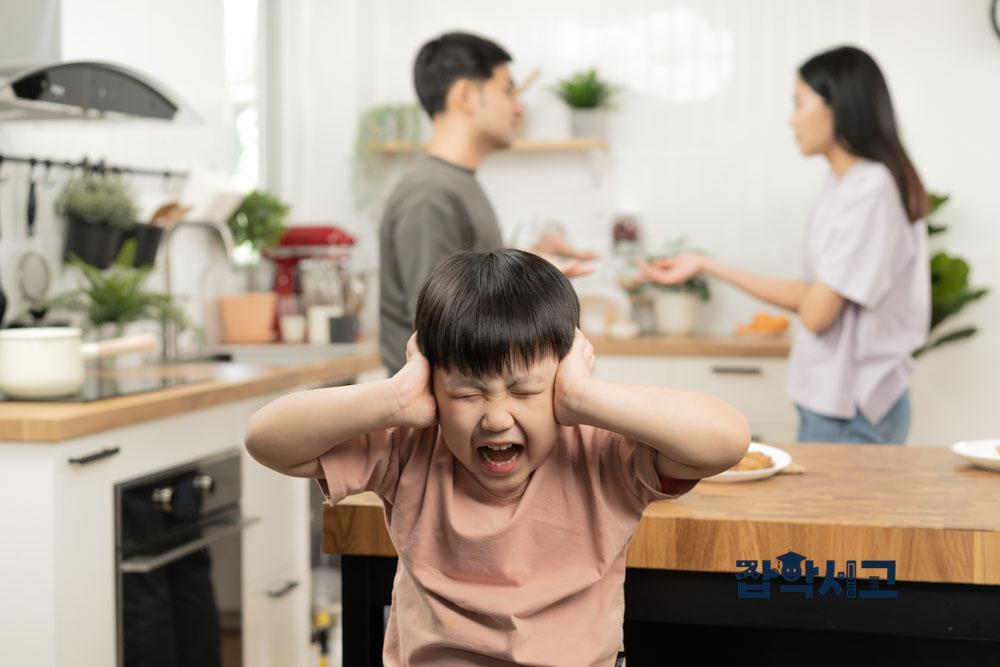 How can conflict at home be resolved?
Conflict within a family is a particularly important issue because of the deep relationships and emotional bonds between family members. Understanding, communication, and mutual respect are needed to resolve and prevent family conflict. Harmonious family relationships can be maintained through various approaches.
Generational Differences
First, one of the main causes of family conflict is generational differences. Differences in values, lifestyles, and communication styles between parents and children can cause conflict. Resolving this requires an effort to understand and respect each other's positions. It is important to acknowledge generational differences and be willing to learn from one another.
Financial Problems
Second, financial problems are also an important cause of family conflict. Financial difficulties within the household or unfair resource allocation can cause conflict between family members. Resolving this requires transparent financial management and mutual cooperation. It is important for family members to set financial goals together and cooperate to achieve them.
Lack of Communication
Third, a lack of communication is also a major factor that can cause family conflict. When communication between family members does not flow smoothly, misunderstandings and dissatisfaction accumulate. To address this, it is important to create opportunities for regular dialogue and communication. For example, regular family meetings can allow family members to share their opinions and resolve problems.
Using Family Counseling
One specific approach to resolving conflict is family counseling. It is important to receive professional help to resolve problems between family members and support in maintaining healthy relationships. Family counseling can view problems from a neutral standpoint and offer objective solutions.
Regular Family Gatherings and Shared Activities
To prevent conflict within the family, it is also necessary to strengthen bonds through regular family gatherings and shared activities. This can promote understanding and cooperation between family members. For example, family trips or weekend activities can provide time together and strengthen bonds.
Dialogue Grounded in Mutual Respect and Empathy
Dialogue grounded in mutual respect and empathy is also important. Even in conflict situations, respecting the other person's position and engaging in empathetic dialogue can resolve problems and maintain harmonious family relationships. Family members should respect each other's emotions and adopt an attitude of attentive listening.
Education to Prevent Family Conflict
Finally, it is important for all family members to learn conflict management skills to prevent family conflict. Participating in family relationship education programs or reading and discussing relevant books together can also help. Such education develops the ability to respond effectively when conflict arises.
Various approaches are needed to resolve and prevent family conflict, and these can help maintain healthier and happier family relationships.
Conflict is inevitable, but its outcome depends on how it is handled. Fair resource allocation, improved communication, and approaches based on psychological understanding are important. It is necessary to learn conflict management skills and engage in dialogue grounded in mutual respect and empathy.
By working together within families, workplaces, and society to bring about positive change, we will be able to build a better future through the ability to resolve conflict constructively.