Korean media have developed in various forms over thousands of years. From ancient records and medieval methods of communication to modern digital media, the history of Korean media has continually changed and evolved in response to technological advances and social changes.
This resource aims to examine the history and development of Korean media by dividing it into four major periods.
We will trace the course of Korean media through the characteristics and changes of each period, covering records and communication in ancient and medieval times, media in late Joseon and the period of port opening, media under Japanese colonial rule and after liberation, and media in the modern and digital eras.
Records and Communication in Ancient and Medieval Times
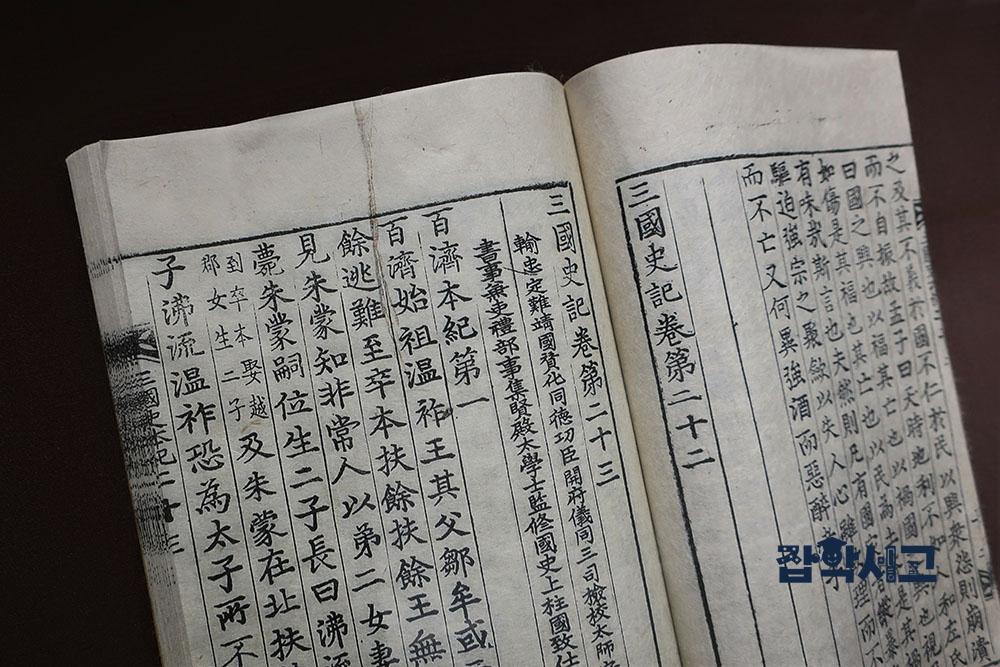 Ancient Written Records
Although the concept of media in ancient and medieval Korea differed from its modern meaning, the methods of recording and communication used at the time played a central role in conveying important information and organizing society.
Media during this period existed mainly in the form of oral traditions and handwritten documents.
Ancient Times
1. Three Kingdoms Period (Century 1 BCE–Century 7 CE)
Oral Traditions: In ancient Korea, information was transmitted orally. Oral traditions passed down history, myths, legends, and other accounts by word of mouth, serving as a means of sharing important information among members of society.
Steles and Monuments: The kingdoms of Goguryeo, Baekje, and Silla erected steles recording major events or the achievements of their kings. For example, the Gwanggaeto Stele is an important historical record commemorating the achievements of King Gwanggaeto the Great of Goguryeo.
Historical Works: Although historical works such as the Samguk Sagi were written in later periods, they were compiled from the oral traditions and records of the time and provide important information about that era's history and culture.
2. Unified Silla and Balhae (Centuries 7–10)
Compilation of National Histories: During the Unified Silla period, national histories were compiled to preserve the country's history and royal records. Although Kim Busik's Samguk Sagi was compiled later during the Goryeo period, its material was based on historical records from the Silla and Balhae periods.
Inscriptions on Metal and Stone: These were characters carved into steles, bronze bells, and similar objects, mainly recording the construction of important buildings or the achievements of kings.
Medieval Times
1. Goryeo Period (918–1392)
Woodblock Printing: During the Goryeo period, advances in woodblock printing made it possible to produce books and Buddhist scriptures in large quantities. The most famous example is the Tripitaka Koreana, which demonstrates the importance of mass printing.
Buddhist and Scholarly Records: Buddhism flourished during the Goryeo period, and many Buddhist scriptures and scholarly records were produced. These records helped spread the religious and philosophical ideas of the time.
Historical Drafts and Annals: The Goryeo dynasty produced historical drafts and annals recording the achievements of kings and important events. This practice continued into the Joseon period and became an important tradition of historical recordkeeping.
2. Early Joseon (1392–the 15th Century)
Creation of Hangul: Hangul was created by King Sejong the Great in the mid-15th century. Hangul made written communication more widely accessible, allowing ordinary people to read and write more easily.
Annals of the Joseon Dynasty: The Joseon dynasty left behind the Annals of the Joseon Dynasty, which recorded the kings' every action. This vast collection of historical records is recognized worldwide for its value.
Uigwe and Historical Archives: The Uigwe, which recorded important state ceremonies, and the historical archives built to preserve these records are an example of systematic records management.
Methods of Communication
Communication Between Government Offices and Common People: In ancient and medieval times, kings and government offices generally announced policies through documents and sent them to local government offices for implementation. Wall notices and proclamations were sometimes used in this process.
Envoys and Delegations: Communication between states took place through envoys and delegations. They exchanged diplomatic documents and gifts and discussed important diplomatic matters.
Visits and Merchants: Merchants and travelers played an important role in conveying news from different regions. They naturally exchanged information and news while trading.
Ancient and medieval Korea conveyed information and sustained society through various methods of recording and communication. These traditions laid the foundation for the later development of media.
Media in Late Joseon and the Period of Port Opening
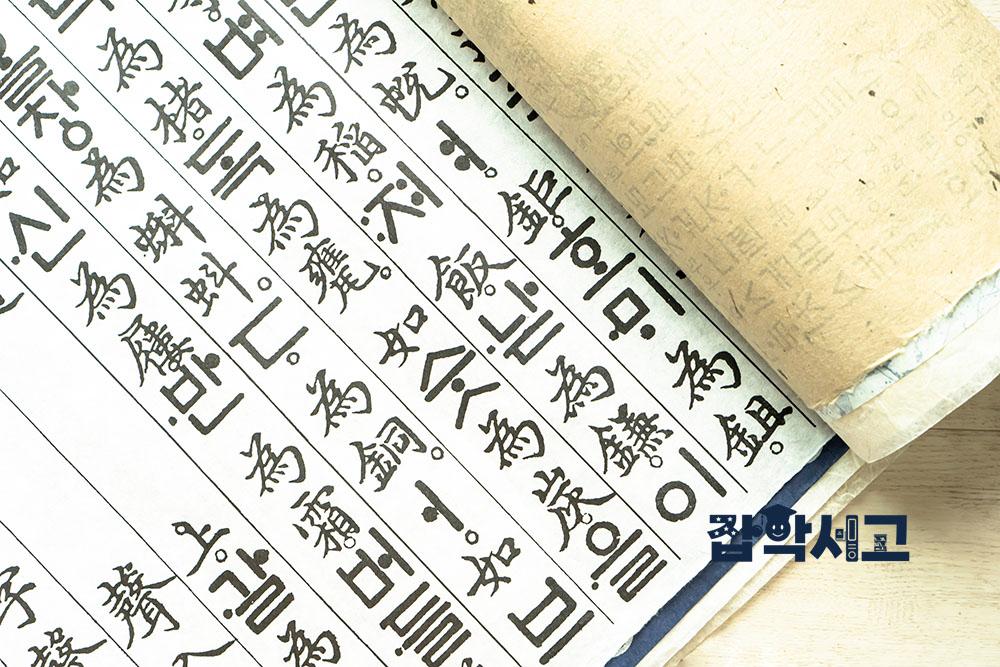 The Era When Hangul Began to Be Used
Late Joseon and the period of port opening brought important changes in the history of Korean media. During this period, the creation of Hangul, advances in printing, and the introduction of Western culture and technology greatly changed the distribution of information and the forms of media.
Late Joseon (17th–19th Centuries)
1. Creation and Spread of Hangul
Creation of Hangul (1443): King Sejong the Great's creation of Hangul marked the beginning of the wider use of writing among the general population. Hangul was an easy-to-learn writing system that spread quickly among the people.
Hunminjeongeum Haerye: The Hunminjeongeum Haerye, which explained the principles behind the creation of Hangul and how to use it, was promulgated in 1446 and promoted the spread of Hangul.
2. Advances in Woodblock Printing
Book Publishing: Advances in woodblock printing led to the mass printing of books. This accelerated the spread of information and knowledge.
Publishing Activities of Silhak Scholars: In the 18th century, Silhak scholars published scholarly works and books containing practical knowledge, contributing to the wider dissemination of scholarship and practical knowledge. For example, works such as Jeong Yak-yong's Mongmin Simseo offered practical help in people's daily lives.
3. Decrees and Official Documents
Official Gazettes and Proclamations: In late Joseon, the government announced policies and orders through official documents such as gazettes and proclamations. These documents were mainly written in Classical Chinese, although some were written in Hangul.
Printing Blocks and Genealogies: Yangban families sought to preserve their family prestige by printing genealogies recording their history and lineage. These played an important role in passing family histories and information down to later generations.
Period of Port Opening (Late 19th Century)
1. Introduction of Western Culture and Technology
Arrival of Western Newspapers and Magazines: With the opening of ports in the late 19th century, Western newspapers and magazines entered Korea. They provided Koreans with new information and worldviews.
Introduction of Western Printing Methods: The introduction of Western printing methods advanced printing technology and made it possible to deliver more information quickly to the public.
2. The First Hangul Newspapers
Hanseong Sunbo (1883): As the first modern newspaper, Hanseong Sunbo was published in Classical Chinese but is regarded as the beginning of modern newspaper history in Korea. It took the form of an official gazette and served to announce government policies and orders.
The Independent (1896): Founded by Seo Jae-pil, The Independent was Korea's first Hangul newspaper and played an important role in informing and enlightening the public. The Independent covered various topics, including politics, society, and culture, contributing to greater public awareness.
3. The Enlightenment Period and the Development of Media
Enlightenment Thought and Media: During the period of port opening, intellectuals who supported enlightenment thought founded various newspapers and magazines to spread new ideas and information. This had an important influence on the modernization and reform of Korean society.
The Role of Media: The media conveyed the ideas of intellectuals during the Enlightenment Period, introduced advanced foreign culture and technology, and enlightened the public. Through these activities, they greatly influenced public participation and social change.
Late Joseon and the period of port opening marked an important turning point in the history of Korean media. The creation of Hangul and advances in printing expanded the distribution of information, while the introduction of Western newspapers and printing methods during the period of port opening laid the foundations for modern media.
These changes greatly influenced the subsequent development of Korean media, and this period is regarded as important in laying the groundwork for modern media.
Media Under Japanese Colonial Rule and After Liberation
 The Era When Freedom of the Press Was Suppressed
The period of Japanese colonial rule and the years after liberation form a very important transition in the history of Korean media. This period includes Japanese control and censorship of the press, followed by the formation and development of new media after liberation.
Japanese Colonial Period (1910–1945)
1. Japanese Control and Censorship of the Press
Press Laws and Censorship: The Japanese authorities imposed strict censorship and control through press laws. They enacted the Press and Publication Act (1910) and the Newspaper Act (1911), closely monitoring and censoring all media in Korea.
Suppression of the Free Press: The Government-General of Korea suppressed newspaper companies and journalists who wrote articles with anti-Japanese leanings and restricted freedom of the press. Many newspapers were shut down or shifted to a pro-Japanese stance.
2. Resistance Media and the Independence Movement
Underground Newspapers and Resistance Media: Despite Japanese control of the press, resistance publications were issued in secret. Prominent examples include The Independent and Daehan Maeil Sinbo, which spread the spirit of the independence movement and fought against Japanese repression.
Independence Movement Media Overseas: As control of the domestic press intensified, many independence activists continued their media activities overseas. Examples include Sinhan Cheongnyeonbo, published in Shanghai, and Sinhan Minbo, published in the United States.
3. The Emergence of Pro-Japanese Media
Pro-Japanese Newspapers and Magazines: The Japanese authorities encouraged the publication of pro-Japanese newspapers and magazines to gain the cooperation of Koreans. These publications mainly promoted Japanese policies and carried content justifying colonial rule.
Media After Liberation (1945–Early 1960s)
1. Freedom of the Press Immediately After Liberation
Restoration of Freedom of the Press: With liberation on 1945/8/15, freedom of the press was restored. Many newspapers were reestablished, and media representing various political positions emerged.
Democracy and Media: Immediately after liberation, media supporting democracy and freedom of the press were active. During this period, the media played an important role in building a new nation and in the democratization movement.
2. The Korean War and Media
Media Activities During the War: When the Korean War broke out in 1950, the media played an important role in conveying news of the war. Even during the war, the media provided the public with important information and reported on the realities of the conflict.
Wartime Censorship and Control: During the war, the government controlled and censored the media according to military needs. This sometimes involved the distortion of information and propaganda activities.
3. The Syngman Rhee Administration and Media
Government Control of the Media: In the 1950s, the Syngman Rhee administration controlled the media and suppressed outlets critical of the government. Particularly after 1954, the Liberal Party government restricted freedom of the press and strengthened its dictatorship.
Electoral Fraud and Media: During the 3.15 fraudulent election in 1960, the media exposed electoral fraud and played an important role in triggering the 4.19 Revolution. The media during this period stood at the center of the democratization movement.
The media under Japanese colonial rule and after liberation constitute a very important period in the history of Korean media. During Japanese colonial rule, resistance media remained active despite control and censorship, while after liberation, freedom of the press was restored and the media played an important role in building a new nation and in the democratization movement.
The media of this period greatly influenced changes and development in Korean society and laid the foundations for modern Korean media.
Media in the Modern and Digital Eras
 The Modern Media Era of Rapid Change
Korean media in the modern and digital eras underwent major changes in response to rapid technological advances and social changes.
This period spans from the 1960s to the present and is characterized by increasingly diverse forms and functions of media, with the digital revolution taking a central place in the media.
Modern Media (1960s–1990s)
1. The 1960s and 70s
The Press Freedom Movement and Democratization: Freedom of the press expanded greatly with the 4.19 Revolution in 1960. The media criticized the Syngman Rhee administration's electoral fraud and dictatorship and supported the democratization movement.
Control Under the Park Chung-hee Administration: Control over the media intensified when the Park Chung-hee administration came to power through the 5.16 military coup in 1961. The Park Chung-hee administration restricted freedom of the press by nationalizing media companies and suppressing journalists.
Media Consolidation: In the 1980s, the Chun Doo-hwan administration consolidated media organizations and imposed thorough control over the media. During this period, many media companies were closed or merged, and government censorship intensified.
2. The 1980s
Development of Broadcast Media: The 1980s were a period of major development in broadcast media alongside the spread of color TV. Major broadcasters such as KBS, MBC, and SBS conveyed information through a variety of programs.
The Media Democratization Movement: Through the uprising in month 6 of 1987, the Chun Doo-hwan administration stepped down, and the arrival of the Roh Tae-woo administration brought democratization of the media. During this period, the media actively reported on the democratization movement and expanded the public's right to know.
3. The 1990s
The Emergence of the Internet: As the internet spread in the mid-1990s, new forms of media emerged. Internet portals and online news grew rapidly, greatly improving access to information.
Cable TV and Satellite Broadcasting: In the late 1990s, the introduction of cable TV and satellite broadcasting increased the diversity of broadcast media. This offered viewers a variety of choices and broadened the range of media consumption.
Media in the Digital Era (2000s–Present)
1. The Internet and Online News
Portal Sites and News: Portal sites such as Naver and Daum began providing news services, and the number of internet users increased rapidly. This prompted traditional newspaper companies to move online.
Blogs and Personal Media: As blogs and personal media became active in the early 2000s, anyone could share their opinions and news. This helped promote the democratization of media.
2. Social Media and the Mobile Revolution
The Rise of Social Media: With the emergence of social media platforms such as Facebook, Twitter, and Instagram, the speed at which information spread increased dramatically. Social media became a space for real-time news and the exchange of opinions.
Mobile Media: The spread of smartphones made mobile media mainstream. News apps and mobile websites made it possible to access news anytime and anywhere.
3. Digital Innovation and Media Convergence
Digital Content and Multimedia: In the digital era, multimedia news combining various forms of content, including text, images, and video, became predominant. This provided readers with richer information.
Big Data and Artificial Intelligence: News recommendation systems and personalized news services using big data and artificial intelligence technologies were introduced. These help readers easily access the news they prefer.
4. Fake News and Information Verification
The Problem of Fake News: The development of social media and the internet led to the problem of spreading fake news. This can undermine the reliability of information and cause social confusion.
Fact-Checking and Information Verification: To respond to this, media companies operate fact-checking teams and are strengthening their efforts to verify the accuracy of information. This plays an important role in providing readers with reliable information.
Korean media in the modern and digital eras have continually evolved, reflecting rapid technological advances and social changes.
From the 1960s to the 1990s, freedom and control of the press alternated alongside political changes, while the digital revolution from the 2000s onward fundamentally transformed the forms and functions of media.
Modern Korean media have improved access to information through various media outlets and platforms and use digital technology to provide richer information more quickly.
The history of Korean media has undergone various changes, from ancient records to modern digital media.
Having developed in response to social and technological changes in each period, Korean media will continue to evolve through new forms and methods.
We hope this resource provides an opportunity to understand the various historical developments of Korean media and reflect on their importance and role.